A Light Bulb Getting Brighter as Current Increases
Real-World Phenomenon
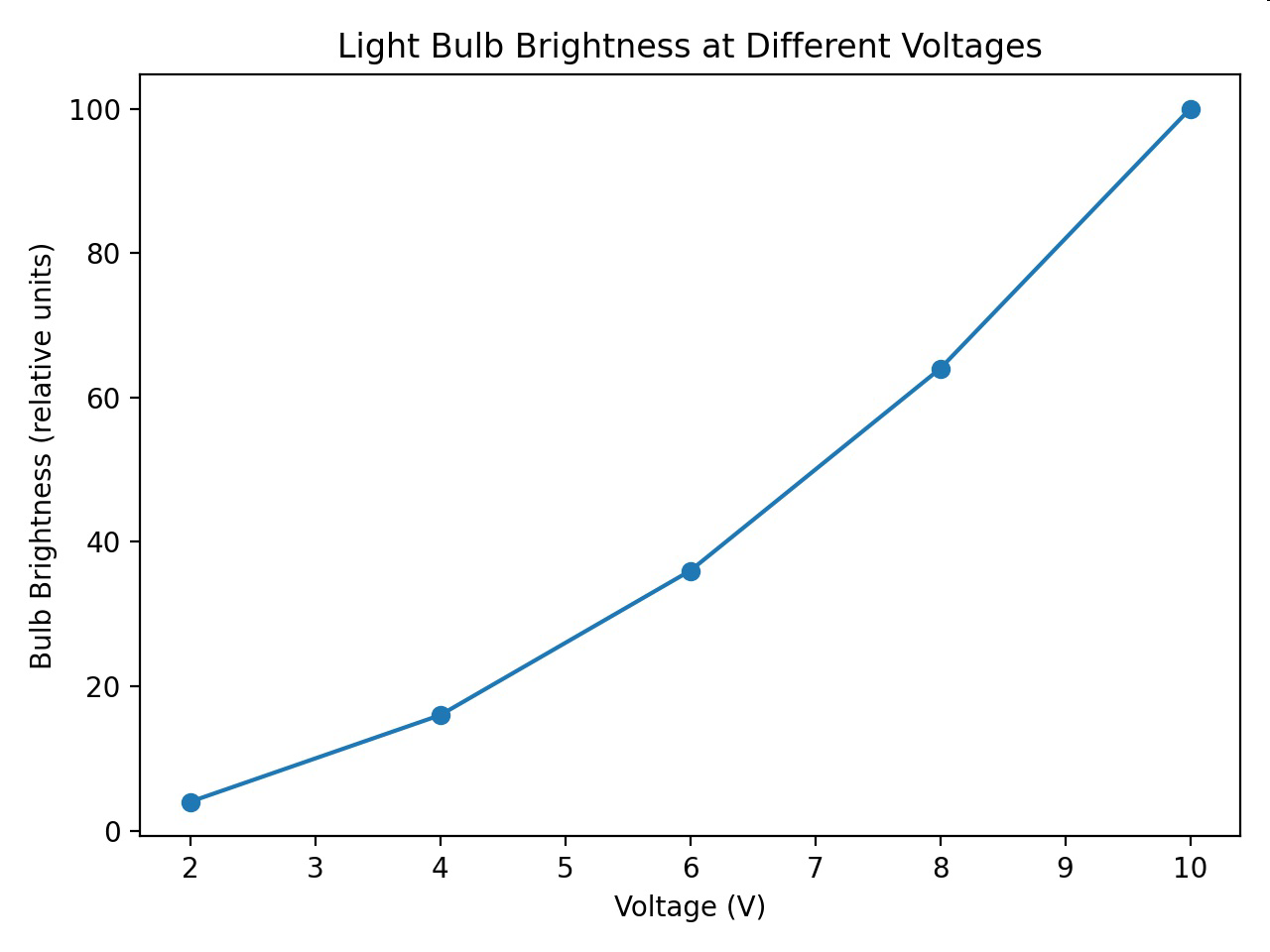
A light bulb connected to a simple circuit glows dimly at first. When the voltage in the circuit is increased, the bulb becomes brighter and warmer to the touch.
Diagram 1.

Source: https://www.freepik.com/premium-vector/light-bulb-animation-liquid-light-fills-lamp-creative-idea-bright-solution
Electric circuits allow energy to be transferred from a power source to other parts of a system. In a simple circuit, a battery or power supply provides energy that moves through the circuit as an electric current. Electric current is the flow of electric charges through a wire.
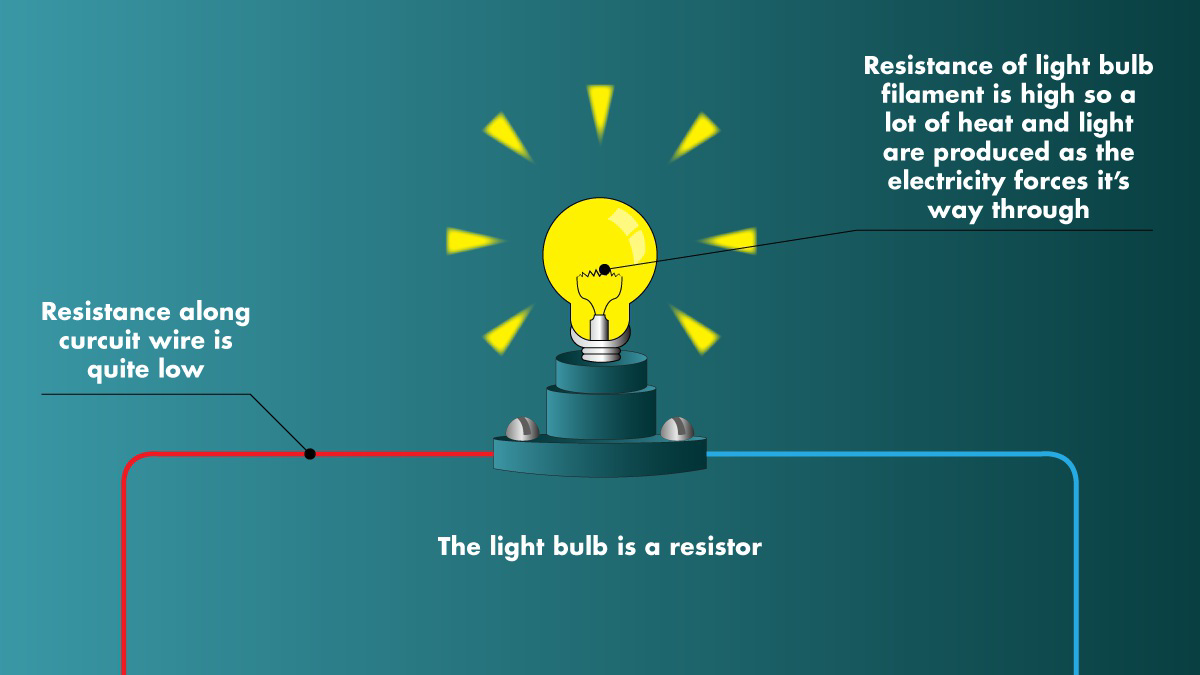
When electric current flows through a light bulb, energy is transferred to the bulb’s filament. The filament is a thin wire with resistance, meaning it slows down the flow of charges. As the charges move through the filament, some of the electrical energy is transformed into light energy and thermal energy.
When the voltage of the power source is increased, more electric current flows through the circuit. This causes more energy to be transferred to the bulb each second. As a result, the filament gets hotter and glows brighter. The increase in brightness is evidence that more energy is being transferred by the electric current.
The energy transferred by the electric current does not disappear. Instead, it changes form. Electrical energy becomes light energy that we can see and thermal energy that warms the bulb and the surrounding air. This energy transfer can be observed by changes in brightness and temperature.
Diagram 2.
Source:
https://owlcation.com/stem/watt-are-amps-and-volts
This phenomenon provides evidence that energy can be transferred by electric currents. The electric current acts as the pathway that carries energy from the power source to the bulb. When the current increases, the amount of energy transferred increases, causing noticeable changes in the bulb’s behavior.
Table 1.
Voltage (V) | Current (A) |
|---|
2 | 0.2 |
4 | 0.4 |
6 | 0.6 |
8 | 0.8 |
10 | 1 |
Graph of Information - Figure 1.
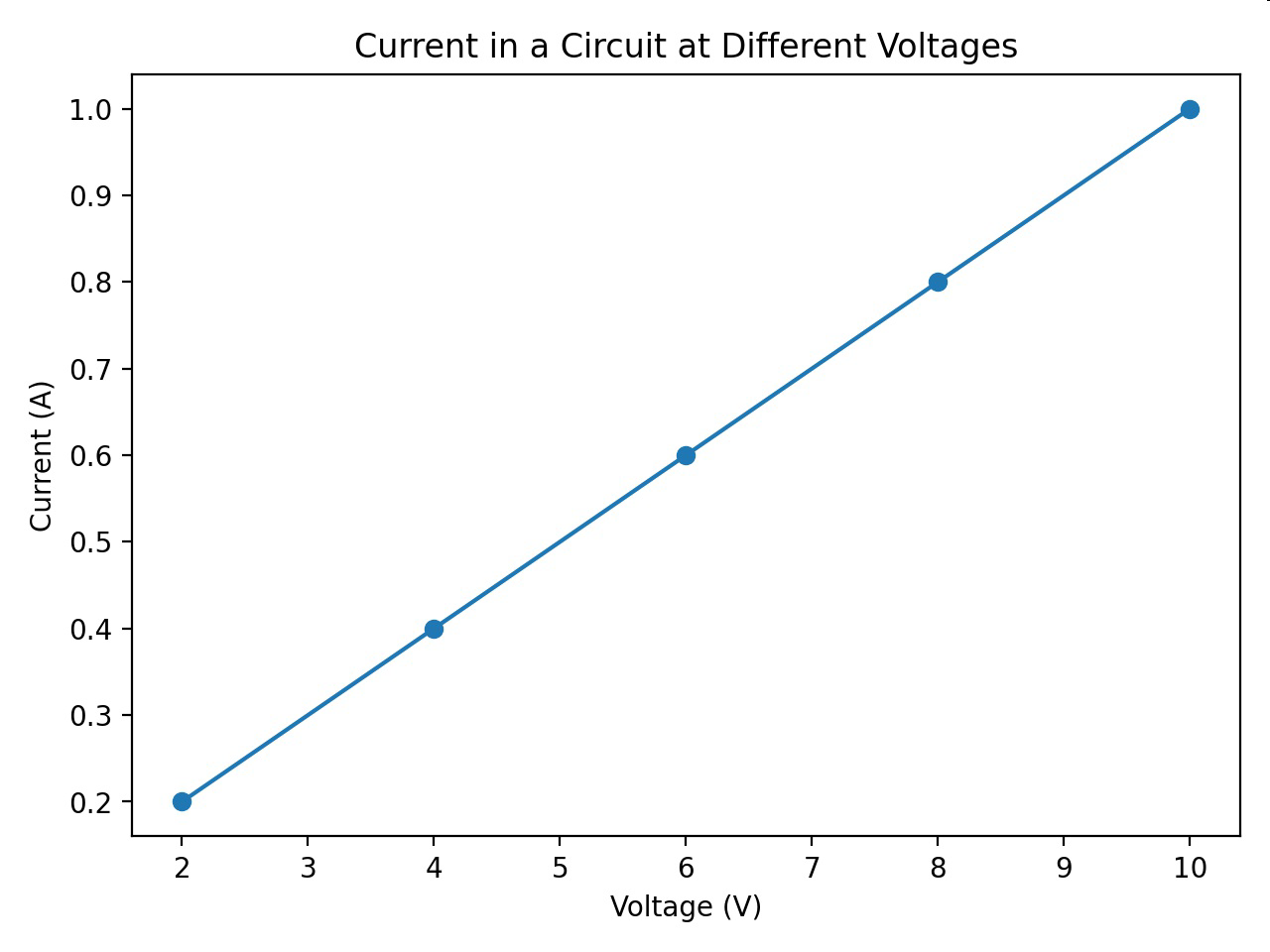
Table 2.
Voltage (V) | Bulb Brightness (relative units) | Bulb Temperature Increase (oC) |
|---|
2 | 4 | 4 |
4 | 16 | 10 |
6 | 36 | 18 |
8 | 64 | 28 |
10 | 100 | 40 |
Graph of Information - Figure 2.