An Electric Motor Spinning Faster with More Current
Diagram 1.
Source: https://asktheman.xyz/
Real-World Phenomenon
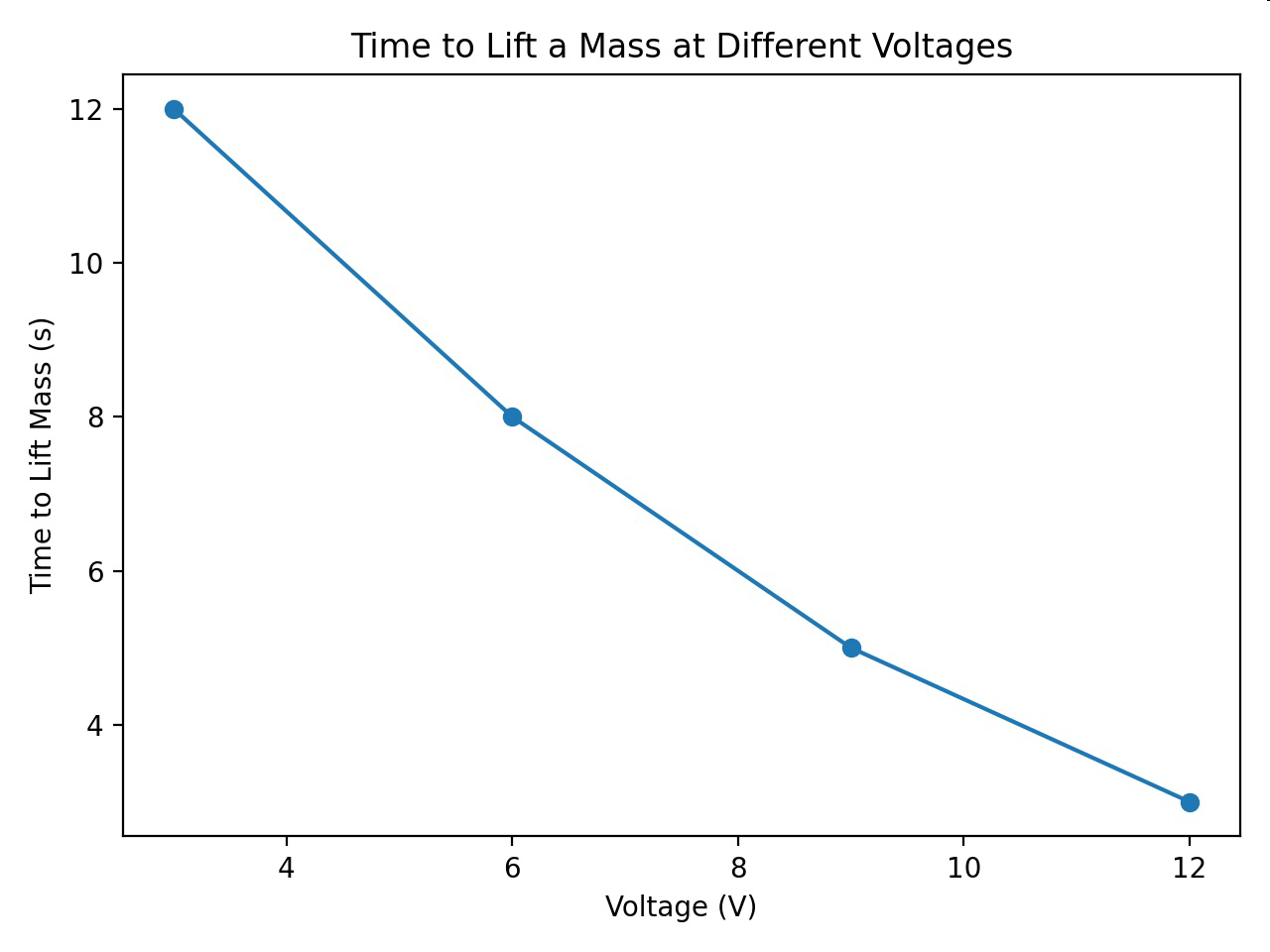
A small electric motor connected to a circuit spins slowly at first. When the voltage in the circuit is increased, the motor spins faster and can lift a small mass more quickly.
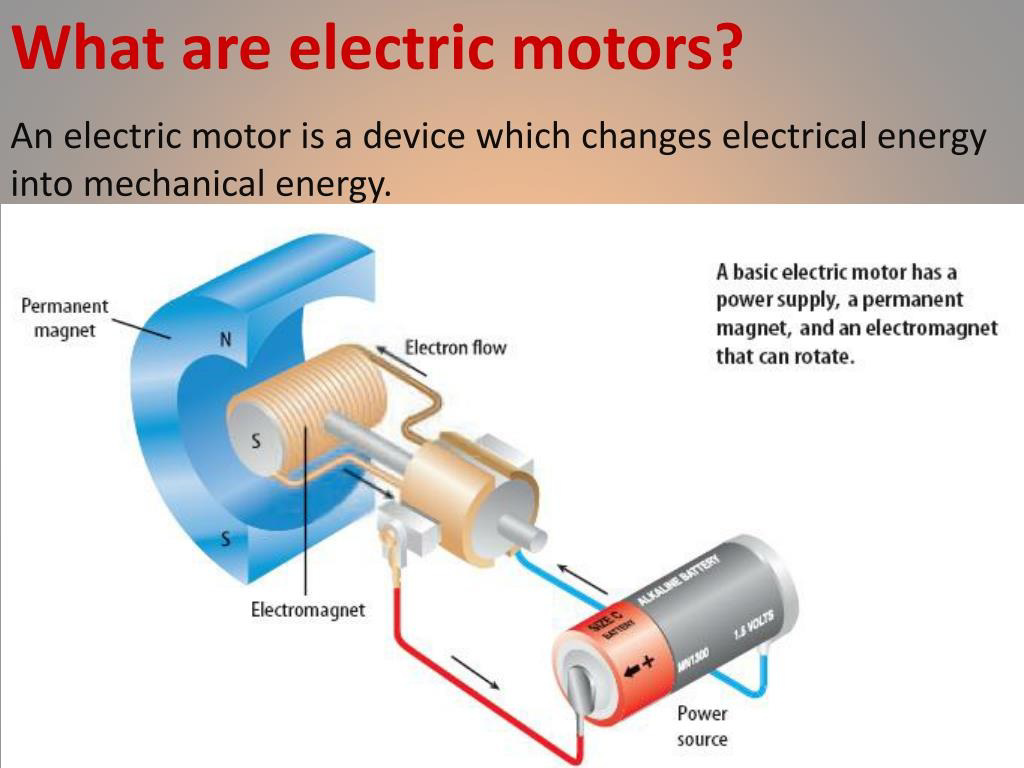
Electric current can transfer energy in ways that cause objects to move. In an electric motor, electrical energy from a power source is transferred through the circuit by an electric current. Inside the motor, this energy is transformed into mechanical energy, which causes the motor to spin.
An electric motor contains a coil of wire and magnets. When electric current flows through the coil, magnetic forces act on the wire and cause it to rotate. This rotation shows that energy has been transferred from the electric current to the motor.
When the voltage of the circuit is increased, the current flowing through the motor also increases. A larger current transfers more energy to the motor each second. As a result, the motor spins faster and can do more work, such as lifting a mass or turning a fan more quickly.
The faster spinning of the motor provides observable evidence of energy transfer. The energy carried by the electric current does not disappear. Instead, it is transformed into mechanical energy of motion and some thermal energy due to resistance in the motor’s wires.
This phenomenon shows that electric currents can transfer energy and cause changes in a system. Increasing the current increases the amount of energy transferred, leading to greater motion. These observations support the idea that energy can be transferred by electric currents.
Table 1.
Voltage (V) | Current (A) | Motor Speed (RPM) | Time to Lift Mass (s) |
|---|
3 | 0.3 | 600 | 12 |
6 | 0.6 | 1200 | 8 |
9 | 0.9 | 1800 | 5 |
12 | 1.2 | 2400 | 3 |
Graph of Information - Figure 1.
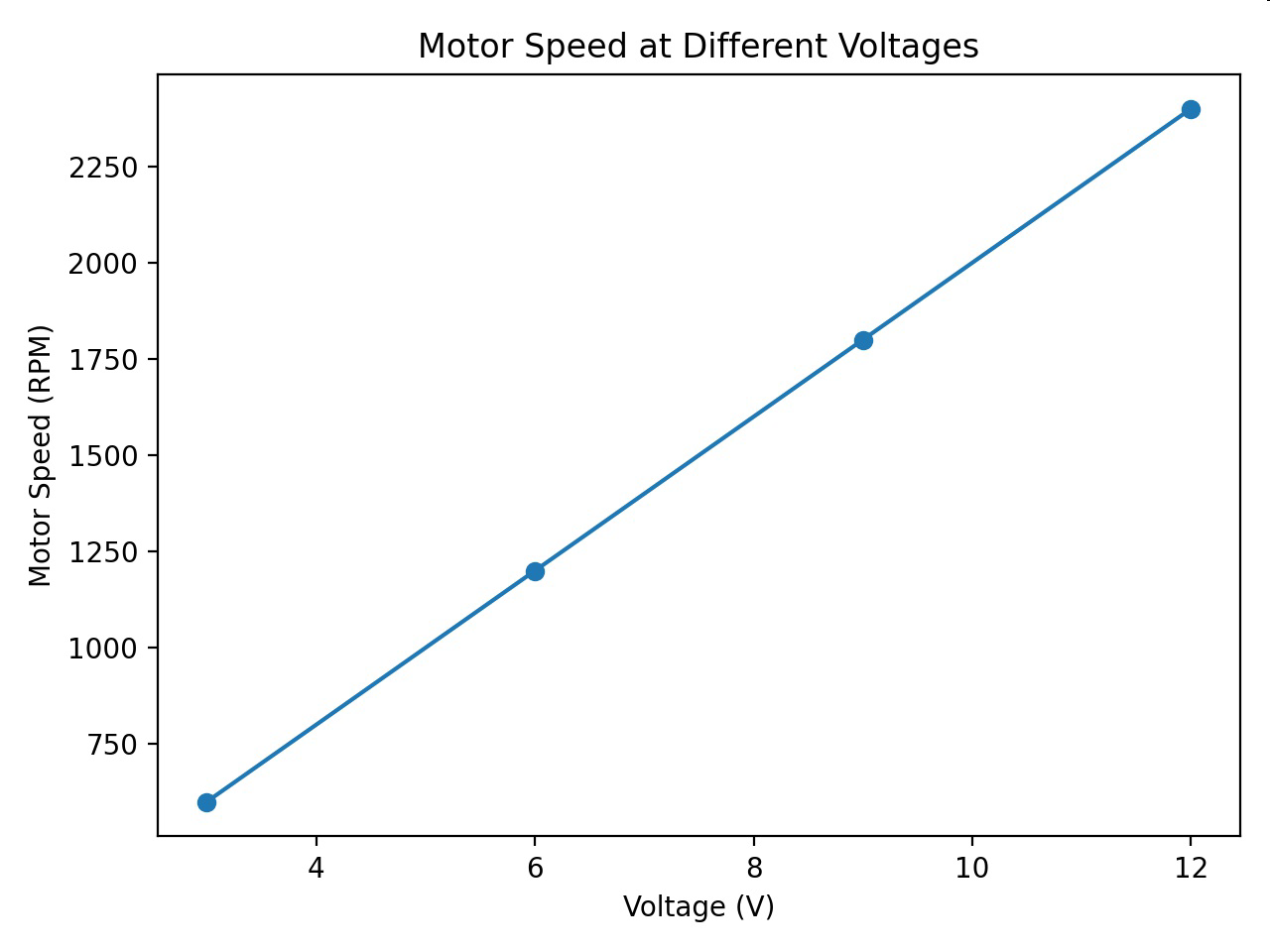
Graph of Information - Figure 2.