From Crude Oil to Plastic Bottles
Real-World Phenomenon
Plastic water bottles are used every day at schools, stores, and sporting events. Although they are manufactured in factories, the material they are made from originally comes from crude oil, a natural resource extracted from underground. The production and disposal of plastic bottles affect how society uses resources and manages waste.
Plastic bottles are made from synthetic materials, meaning they are created by humans rather than found naturally in the environment. Even though plastic is synthetic, it begins with natural resources. Most plastic bottles are made from a material called PET plastic, which is produced using crude oil or natural gas.
Crude oil is formed from the remains of ancient plants and animals that were buried and changed over millions of years. When crude oil is extracted from the Earth, it is sent to refineries where it is separated into different chemical components. Some of these components are used to create the building blocks of plastics. These small molecules are chemically linked together to form long chains called polymers.
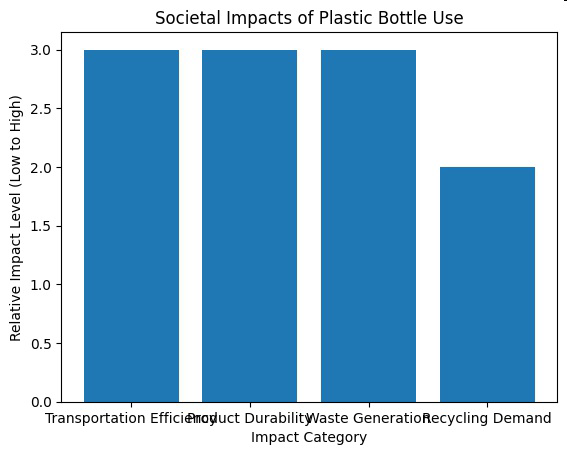
Plastic bottles have properties that make them useful to society. They are lightweight, strong, and resistant to breaking. These characteristics make it easier and cheaper to transport drinks and reduce product loss. However, plastic bottles also create challenges. Many are used only once and then thrown away. Plastic breaks down very slowly, so discarded bottles can remain in the environment for decades.
Some plastic bottles are recycled, which reduces the need for new crude oil and lowers waste. However, not all plastics are recycled, and recycling itself requires energy. Scientists and engineers study how synthetic materials are made so society can make informed decisions about how to use natural resources and reduce environmental impacts.
Understanding the connection between natural resources, synthetic materials, and societal effects helps explain why plastic use is both helpful and problematic.
Diagram 1.
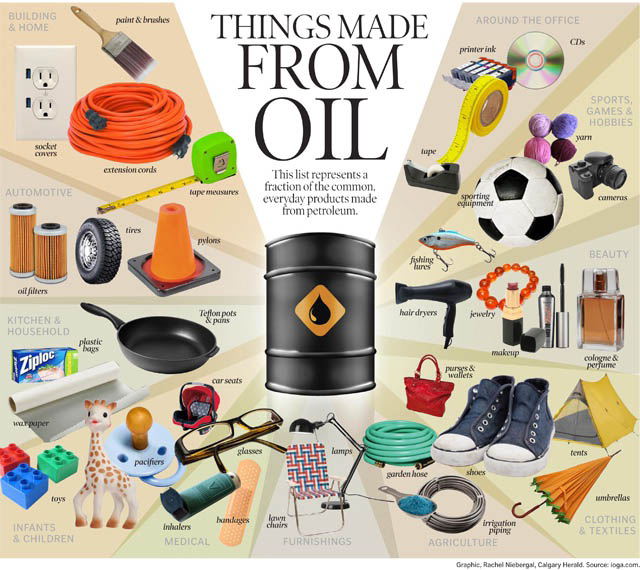
Diagram 2.
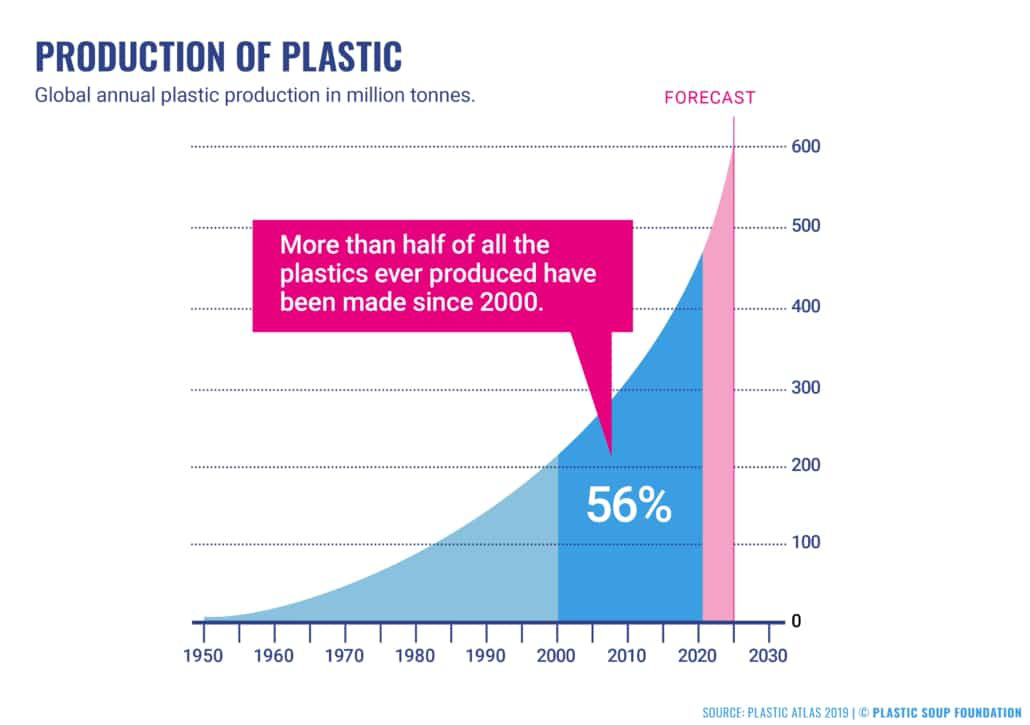
Table 1.
Resource | Source | Role in Plastic Production |
|---|
Crude Oil | Underground reservoirs | Provides raw chemicals for plastic polymers |
Natural Gas | Underground reservoirs | Provides additional feedstocks and energy for plastic production |
Graph of Information - Figure 1.
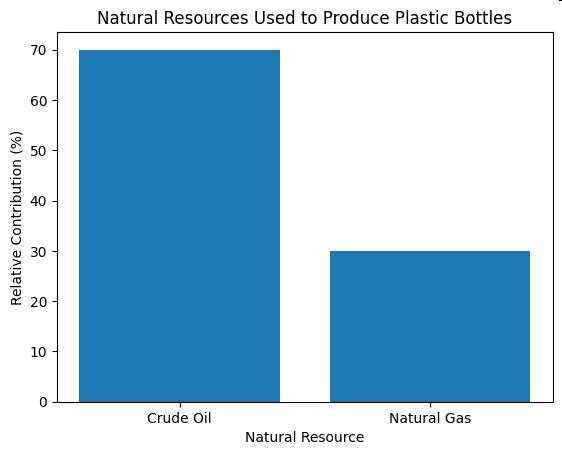
Table 2.
Impact Category | Benefit or Challenge | Relative Impact Level |
|---|
Transportation Efficiency | Benefit | High |
Product Durability | Benefit | High |
Waste Generation | Challenge | High |
Recycling Demand | Challenge | Medium |
Graph of Information - Figure 2.