Tires and Synthetic Rubber
Diagram 1.
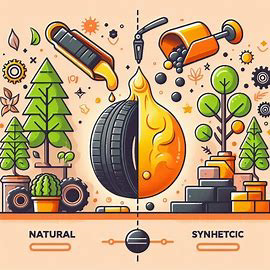 Source: https://fjktrader.co.uk/2024/07/04/rubber-and-the-environment-is-it-hazardous-waste/
Diagram 2.
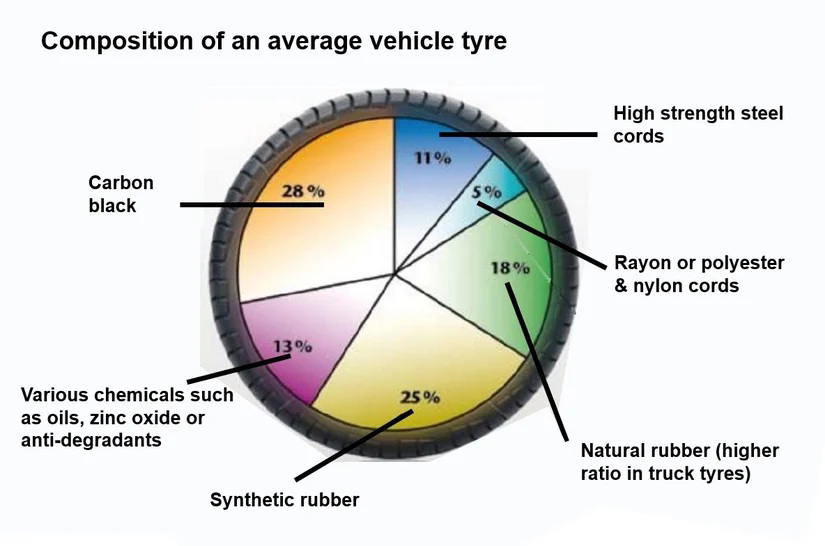 Source: https://www.resourcewise.com/market-watch-blog/automotive-supply-chains-of-the-future-tyre-sector-circularity-0
Real-World Phenomenon
Car tires are flexible, durable, and able to grip the road in hot, cold, wet, and dry conditions. Most modern tires are made largely from synthetic rubber rather than natural rubber from rubber trees. Scientists explain this by tracing how natural resources are transformed into synthetic materials and how these materials affect transportation and society.
Rubber is an important material used in many products, especially car tires. Natural rubber originally comes from latex, a substance collected from rubber trees. While natural rubber is flexible, it does not always perform well under extreme temperatures or heavy wear. To meet the demands of modern transportation, scientists developed synthetic rubber.
Synthetic rubber is made using chemicals derived from petroleum, a natural resource extracted from underground. Through chemical processes, small molecules from petroleum are joined together into long chains called polymers. These polymers are designed to have specific properties, such as increased strength, flexibility, and resistance to heat and abrasion.
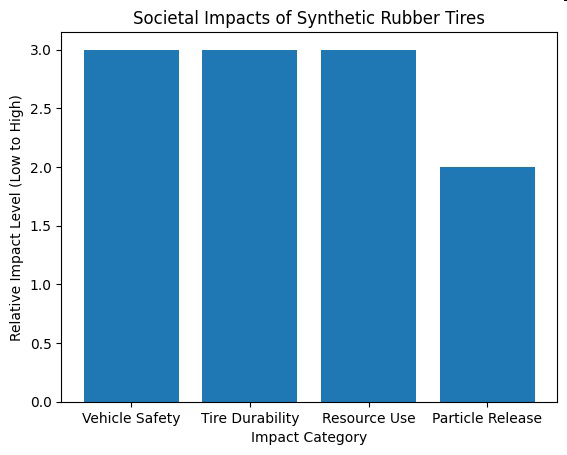
Using synthetic rubber has allowed tires to last longer and perform more reliably. This improves vehicle safety and reduces how often tires need to be replaced. However, producing synthetic rubber uses nonrenewable resources and requires large amounts of energy. Tire wear also releases tiny rubber particles into the environment, which can accumulate in soil and water.
Scientists study the tradeoffs of using synthetic rubber so society can balance performance, safety, and environmental impact. By understanding how tires are made from natural resources and how they affect society, students can better evaluate the benefits and challenges of synthetic materials in everyday life.
Table 1.
Material | Natural Resource Source | Role in Tire Manufacturing |
|---|
Natural Rubber | Rubber trees (latex) | Provides flexibility and elasticity |
Synthetic Rubber | Petroleum (crude oil) | Provides durability and resistance to heat and wear |
Graph of Information - Figure 1.
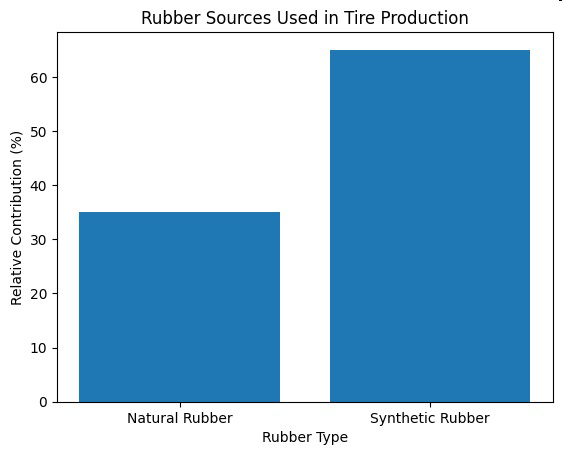
Table 2.
Impact Category | Benefit or Challenge | Relative Impact Level |
|---|
Vehicle Safety | Benefit | High |
Tire Durability | Benefit | High |
Resource Use (Nonrenewable) | Challenge | High |
Environmental Particle Release | Challenge | Medium |
Graph of Information - Figure 2.