The Viking Age
star
star
star
star
star
Last updated 7 months ago
6 Nsɛmmisa
Reading & Summary
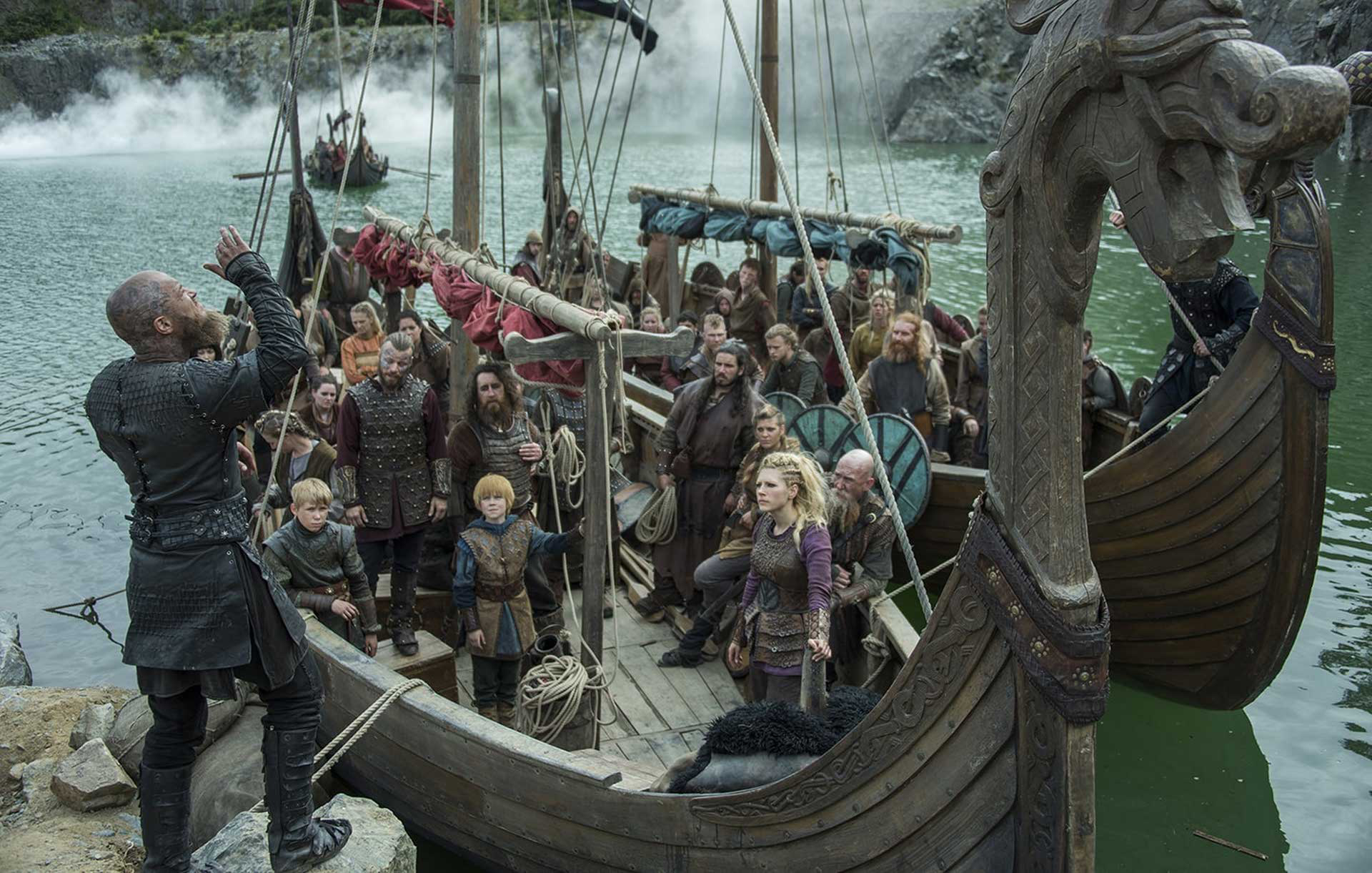
The Viking Age, spanning from approximately 790 to 1100 CE (Common Era) marks a significant period in history when people from Scandinavia ventured across the seas. These seafaring explorers, known as Vikings, hailed from the lands that we now recognize as Norway, Sweden, and Denmark. Their travels led them to various parts of Europe, leaving a lasting impact on the regions they encountered.
While the Vikings are often remembered for their raiding activities, this was only one aspect of their interactions with other cultures. Some Vikings engaged in plundering, using their ships to launch attacks on coastal towns and villages. They sought valuable items such as silver and other goods, which they would then take back to their homelands. These raids instilled fear and disruption in the areas they targeted.
However, not all Vikings were raiders. Many were also traders who traveled to different countries to exchange goods. They traded items like fur, honey, and weapons, which were abundant in Scandinavia. In return, they acquired goods such as silver, spices, and cloth, which were highly valued in their society. This trade facilitated cultural exchange and economic growth for the Vikings.
Beyond raiding and trading, the Vikings possessed a rich and distinct culture. They had their own mythology, filled with stories and legends about gods and heroes. They were skilled shipbuilders and sailors, enabling their extensive travels. Additionally, they were talented artists and craftsmen, creating beautiful art and jewelry. The Viking Age was a time of adventure, trade, and cultural exchange, leaving a lasting legacy on the history and culture of many countries, including England, Ireland, and France.
Besides raiding, what was another common occupation for Vikings, and what items did they trade?
According to the passage, how did the Vikings impact the countries they visited?
Vocabulary
Review key vocabulary words from the reading.
Scandinavia
noun
a region in northern Europe that includes Norway, Sweden, and Denmark
Many Vikings came from Scandinavia.
Vikings
noun
people from Scandinavia who traveled to other lands during the Viking Age
The Vikings were known for their longboats.
raiders
noun
people who attack and steal from towns or villages
Some Vikings were raiders who attacked coastal villages.
traders
noun
people who buy and sell goods
Many Vikings were traders who exchanged goods with other countries.
legends
noun
old stories that are often about famous people or events
The Vikings had many legends about their gods and heroes.
cultural exchange
noun
the sharing of ideas, customs, and traditions between different groups of people
The Viking Age was a time of cultural exchange between Scandinavia and other lands.
CE
abbreviation
Common Era; used to label or number years in the Julian and Gregorian calendars
The Viking Age lasted from about 790 to 1100 CE.
What was a common activity for Vikings during the Viking Age?
From which region did the Vikings originate?
What is one aspect of Viking culture mentioned in the passage?
Describe the Viking Age in your own words, mentioning at least two key activities or characteristics of this period.