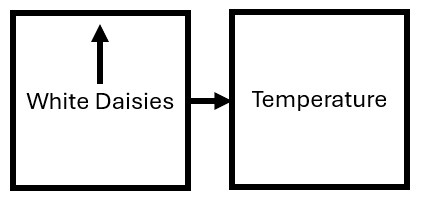
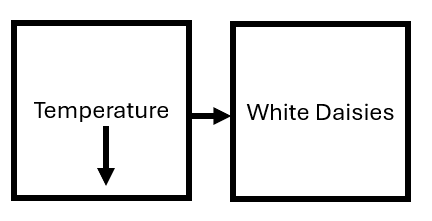
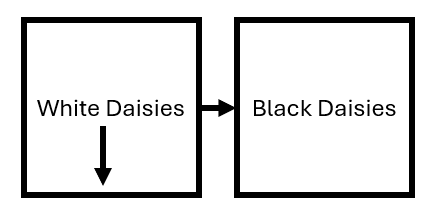
Define feedback loops and distinguish between positive (reinforcing) and negative (balancing) loops.
Use box models to represent real-world examples of feedback loops.
If you need help, please click here to watch the class recording.
Define feedback loops and distinguish between positive (reinforcing) and negative (balancing) loops.
Use box models to represent real-world examples of feedback loops.
If you need help, please click here to watch the class recording.
We are going to be using box models again.
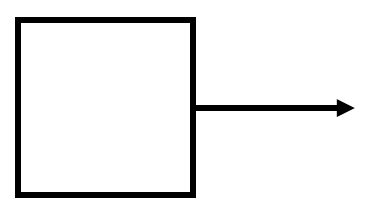
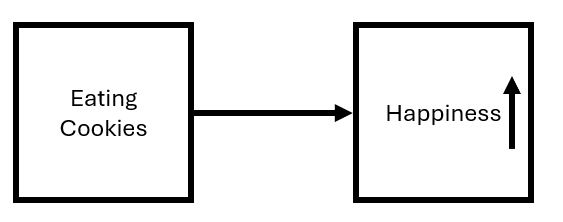
The box represents a variable, a thing that can change, or an action that is occurring.
The arrow represents a cause or change.
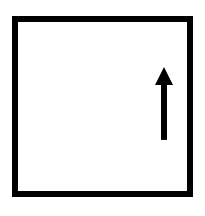
We can indicate that something is increasing with an "up" arrow inside the box.
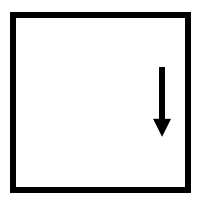
We can indicate that something is decreasing with a "down" arrow inside the box.
Put the words below in the correct order to represent the meaning of this feedback box model.
eating cookies
A feedback loop is when things cause each other to change in a circle. If A changes B, B later changes A back.
A positive (reinforcing) feedback loop makes a change get bigger. If one thing goes up, it makes another thing go up, and that makes the first thing go up more. If one thing goes down, it keeps going down. Think of a small snowball rolling and getting bigger and bigger.
A negative (balancing) feedback loop brings things back toward normal. If one thing goes up, the loop makes it come down. If one thing goes down, the loop helps it go up. Think of a heater that turns on when it gets cold and turns off when it is warm.
Read the text on the left, then match the term to its description.
| Draggable item | arrow_right_alt | Corresponding Item |
|---|---|---|
Positive (Reinforcing) Feedback Loop | arrow_right_alt | When things affect each other in a circle |
Negative (Balancing) Feedback Loop | arrow_right_alt | If one part goes up, it causes another part to go up |
Feedback Loop | arrow_right_alt | If one part goes up, the loop causes changes that bring it back down (and vice versa) |
Positive doesn't necessarily mean "good" when it comes to feedback loops.
A positive feedback loop makes changes get bigger. Once something starts going up (or down), the loop pushes it further in the same direction. Often the change is unreversible.
Which 2 following box models could represent a positive feedback loop?
Negative doesn't necessarily mean "bad" when it comes to feedback loops.
A negative feedback loop keeps things balanced. Once something starts going up (or down), the loop reverses it in the opposite direction. If things go too far in one direction, the loop may flip to correct itself.
Which 2 of the following box models could represent a negative feedback loop?
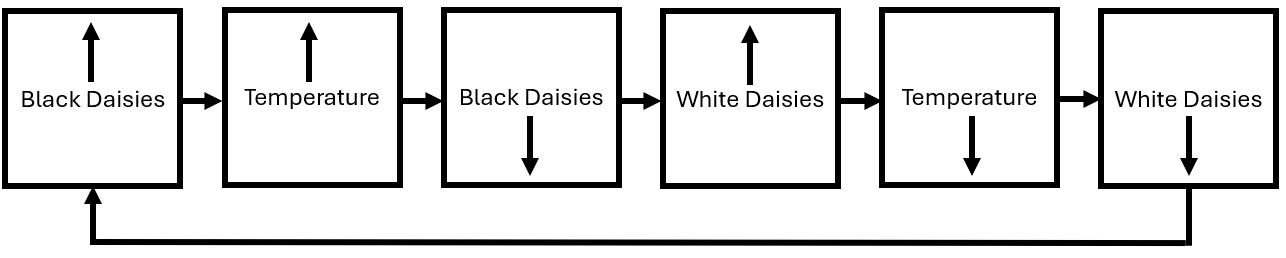
Whew! Let's put the whole Daisyworld box model together:

Daisyworld is an example of a feedback loop because and the loop is .
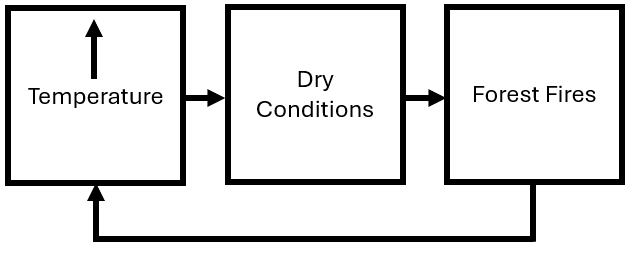
Let's consider a forest fire feedback loop.
What would you expect rising temperatures to cause? Complete the box model.


Forest fires are an example of a feedback loop because and the loop is .
There are many feedback loops in the carbon cycle.
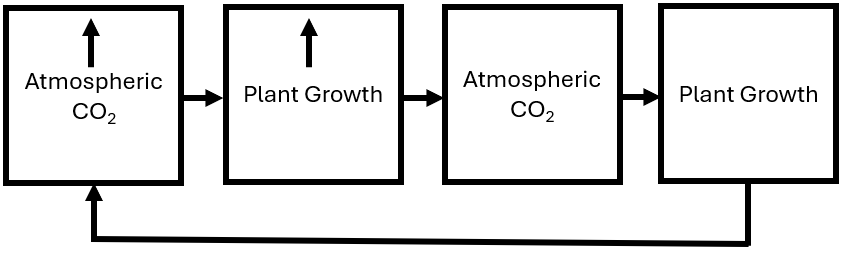
Plants use carbon dioxide as part of photosynthesis, which allows them to produce their own energy and grow.
How does plant growth affect the amount of carbon dioxide in the air?


Carbon dioxide and plant growth are an example of a feedback loop because and the loop is .
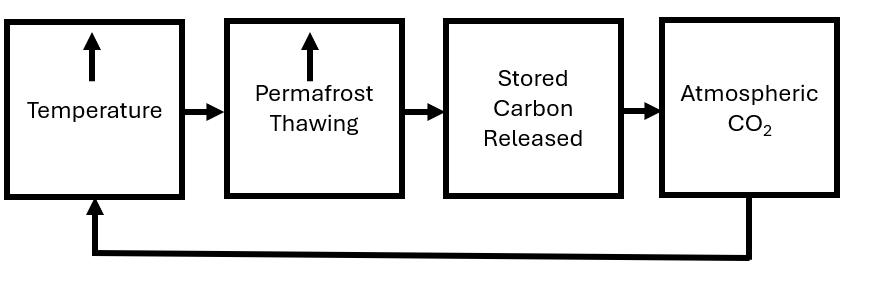
Permafrost is ground that stays frozen for years. When frozen, dead plants and animals don't fully decompose, so their carbon stayed trapped in the frozen soil. Permafrost can store carbon for thousands of years.
How do increasing temperatures affect permafrost?


Permafrost thawing is an example of a feedback loop because and the loop is .
In recent years, permafrost thawing has increased and carbon is being released quickly.
Why won't growing more plants solve this problem?
Which of the following best restates the learning objectives of this assignment?
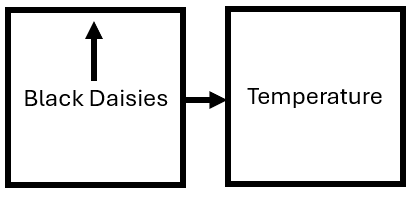
Move the arrow that represents the effect increased numbers of black daisies have on Daisyworld's temperature.


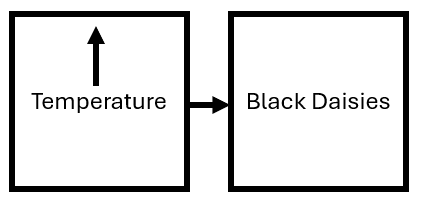
Move the arrow that represents the effect decreased temperature have on the number of black daisies.


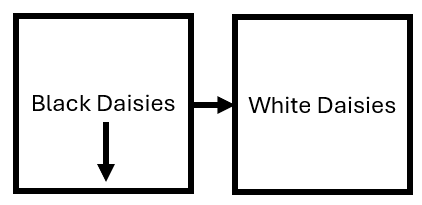
Move the arrow that represents the effect fewer black daisies have on the number of white daisies.


Move the arrow that represents the effect more white daisies has on Daisyworld's temperature.


Accidental repeat question!
Move the arrow that represents the effect more lower temperature has on the number of white daisies.


Move the arrow that represents the effect more fewer white daisies has on the number of black daisies.