Twa kɔ nsɛm atitiriw so
Log in
Sign up for FREE
arrow_back
Laabri

1.05 Modeling Carbon Lab MOD2

star
star
star
star
star
Last updated about 1 month ago
12 Nsɛmmisa
Hyɛ no nsow a efi ɔkyerɛwfo no hɔ:

Click here to open the Carbon Cycle Interactive

Ɛhia
1
HS-ESS2-6
Ɛhia
1
HS-ESS2-6
HS-SEP-2.d
Ɛhia
1.5
HS-ESS2-6
HS-SEP-2.d
Ɛhia
1.5
HS-ESS2-6
HS-SEP-2.d
Ɛhia
2
HS-ESS2-6
HS-SEP-2.d
Ɛhia
2
HS-ESS2-6
HS-SEP-2.d
Ɛhia
2
HS-ESS2-6
HS-SEP-2.d
Ɛhia
1
HS-ESS2-6
HS-SEP-2.d
Ɛhia
1
HS-ESS2-6
HS-SEP-2.d
Ɛhia
5
HS-ESS2-6
HS-SEP-2.d
Ɛhia
1

Learning Objectives

  1. Represent carbon transfer through reservoirs and fluxes using a box model.

  2. Explain whether a flux acts as a source or a sink.

If you need help with this assignment, click here to watch the class recording.

Learning Objectives

  1. Represent carbon transfer through reservoirs and fluxes using a box model.

  2. Explain whether a flux acts as a source or a sink.

If you need help with this assignment, click here to watch the class recording.

Asemmisa {{asɛmmisaAhyɛnsode}}
1.

The diagram in the Carbon Cycle Interactives has labeled areas. These places that store carbon are called "reservoirs" or "pools."

Match the carbon reservoirs to their sphere (other than atmosphere).

Draggable itemarrow_right_altCorresponding Item

Hydrosphere

arrow_right_alt

Soil, rocks, ocean sediment, fossil fuels

Biosphere

arrow_right_alt

Marine animals, plants, algae, shells, coral, sediments

Geosphere / Lithosphere

arrow_right_alt

Land plants & animals

Asemmisa {{asɛmmisaAhyɛnsode}}
2.

Carbon cycles between reservoirs via biological, chemical, and physical processes called fluxes. The diagram in the Carbon Cycle Interactives has arrows representing these fluxes.

We will be using simple box models to represent the relationship between reservoirs and fluxes.

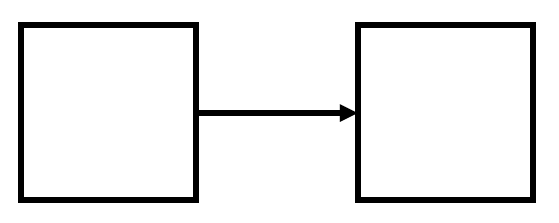
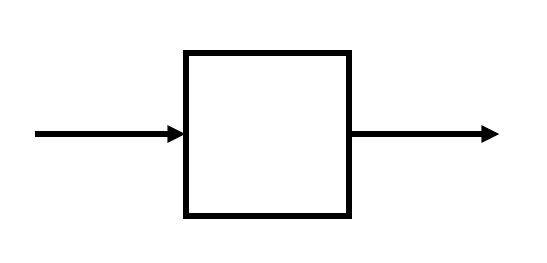
Arrows represent carbon fluxes. The direction of the arrow indicates the flow of carbon.

Boxes represent carbon reservoirs.
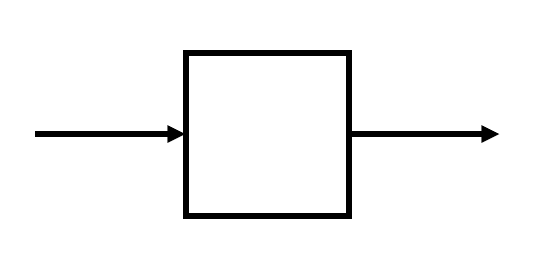
Mmuae Afoforo a Wobɛpaw:
reservoir
flux (in)
flux (out)
Asemmisa {{asɛmmisaAhyɛnsode}}
3.

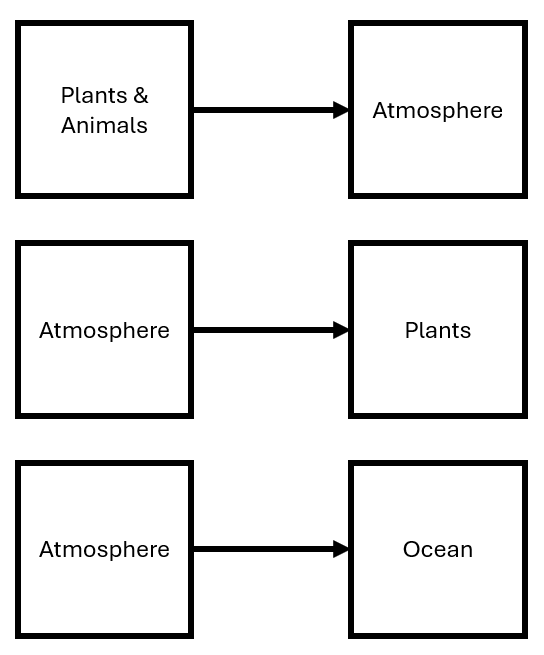
Explore the Carbon Cycle Interactive and identify the flux (process) that occurs between 2 reservoirs (storage).

Mmuae Afoforo a Wobɛpaw:
respiration
gas exchange
photosynthesis
Asemmisa {{asɛmmisaAhyɛnsode}}
4.

Explore the Carbon Cycle Interactive and identify the flux (process) that occurs between 2 reservoirs (storage).

Mmuae Afoforo a Wobɛpaw:
consumption
decomposition
combustion
Question 5
01:50
keyboard_arrow_down
Ɛhia
1
Asemmisa {{asɛmmisaAhyɛnsode}}
5.

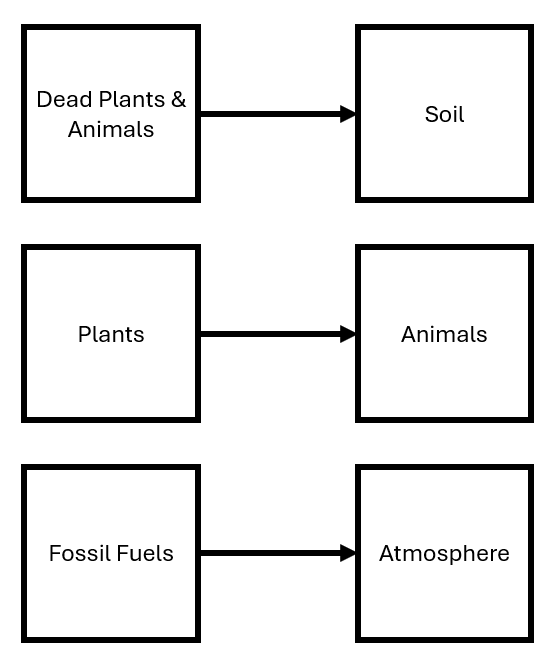
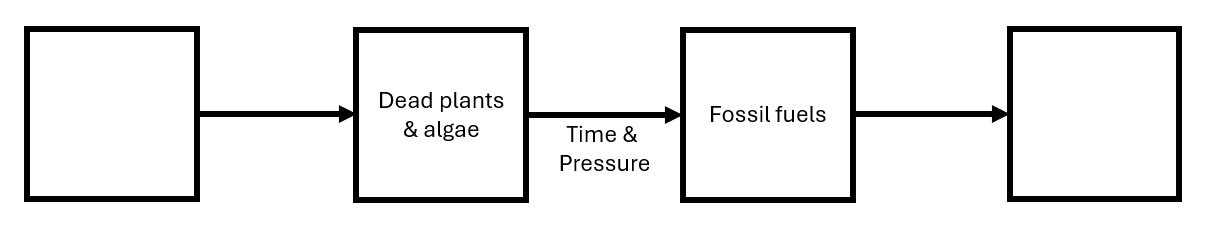
Use the labels to create a box model representing the formation of fossil fuels.

Mmuae Afoforo a Wobɛpaw:
fossil fuels
dead plants & algae
time & pressure
HS-ESS2-6
HS-SEP-2.d
Asemmisa {{asɛmmisaAhyɛnsode}}
6.

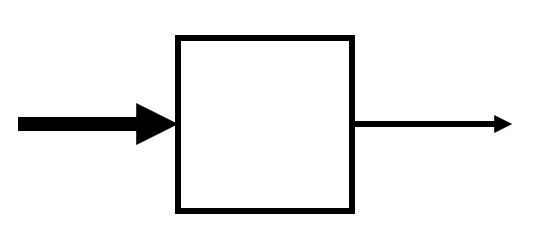
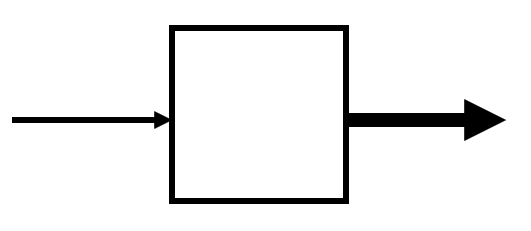
We can change the size of the arrows in our box models to represent the size of each flux.

Consider this box model.

Describe the flow of carbon:

Asemmisa {{asɛmmisaAhyɛnsode}}
7.

We can change the size of the arrows in our box models to represent the size of each flux.

Consider this box model.

Describe the flow of carbon:

Asemmisa {{asɛmmisaAhyɛnsode}}
8.

We can change the size of the arrows in our box models to represent the size of each flux.

Consider this box model.

Describe the flow of carbon:

Asemmisa {{asɛmmisaAhyɛnsode}}
9.

A flux that absorbs large amounts of carbon is known as a sink.

Which model represents a sink?

Asemmisa {{asɛmmisaAhyɛnsode}}
10.

A flux that releases large amounts of carbon is known as a source.

Which model represents a source?

Asemmisa {{asɛmmisaAhyɛnsode}}
11.

So far, our box models have been very simple. But carbon cycles endlessly in and out of reservoirs through different fluxes so our model could be much larger (even circular).

  • Identify 1 reservoirs and 1 fluxes you could connect to this box model.

  • Identify which flux you believe would be the biggest source.

Use the drawing tools to add to the model.

Asemmisa {{asɛmmisaAhyɛnsode}}
12.

Which statement best restates the learning objectives of this assignment?