Twa kɔ nsɛm atitiriw so
Log in
Sign up for FREE
arrow_back
Laabri

Intermolecular Forces (IMFs) POGIL

star
star
star
star
star
Last updated 4 months ago
29 Nsɛmmisa
Introduction
What are Intermolecular Forces (IMFs)?

There are three types of IMFs: dispersion forces, dipole-dipole forces, and hydrogen bonds. We will look at each of these.

Summary and Application
Ɛhia
1
Ɛhia
1
Ɛhia
1
Ɛhia
1
Ɛhia
1
Ɛhia
2
Ɛhia
1
Ɛhia
1
Ɛhia
1

In order to better understand the term "intermolecular force", let's look at each part of the phrase. "Inter" = between, "molecular" = molecules, and "force" = attraction or repulsion. So, "intermolecular force" just means attraction/repulsion between molecules.

Intermolecular forces are different from intramolecular forces, which are called "bonds". In the following picture, the solid line represents the bond between the H and Cl, while the dotted line represents the IMF between two HCl molecules. (NOTE: The "δ" symbol represents a dipole.)
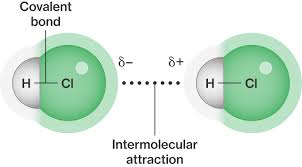
Ɛhia
1
Asemmisa {{asɛmmisaAhyɛnsode}}
1.

What is the minimum number of particles needed to have an IMF?

Ɛhia
1
Ɛhia
1
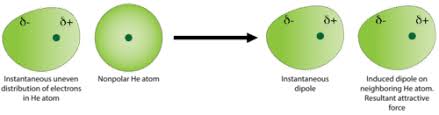
Dispersion forces (also called London dispersion forces and Van der Waals forces) occur in all substances but are the only IMF for non-polar molecules.

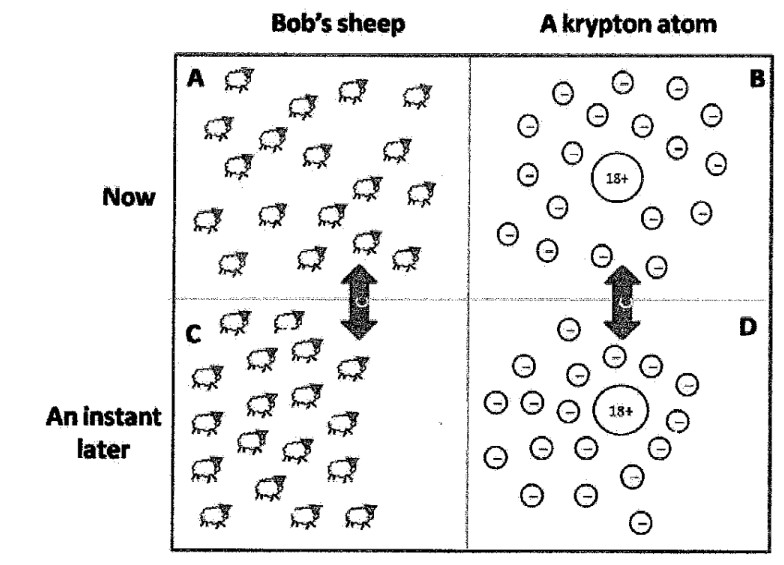
To understand how dispersion forces form, let's look at the following analogy.

Ɛhia
1
Asemmisa {{asɛmmisaAhyɛnsode}}
4.

Sheep like to wander around. How are the sheep distributed in box A?

Ɛhia
1
Asemmisa {{asɛmmisaAhyɛnsode}}
5.

Electrons, like sheep, wander around. How are the electrons distributed in box B?

Ɛhia
1
Ɛhia
1
Asemmisa {{asɛmmisaAhyɛnsode}}
7.

A "momentary" dipole occurs when electrons are temporarily unevenly distributed. In box D, the left side of the atom would have a momentary dipole.

The momentary (also called instantaneous) dipoles that form when electrons become unevenly distributed in an atom or molecule cause dispersion forces.

As the number of electrons increases, there is an increased chance of momentary dipoles forming. The more momentary dipoles there are, the stronger the dispersion force.

Ɛhia
1
Asemmisa {{asɛmmisaAhyɛnsode}}
8.

Dispersion forces occur...

Ɛhia
1
Ɛhia
1

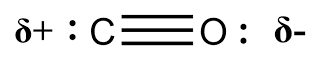
Dipole-dipole forces occur between substances with permanent dipoles. A dipole is a partial charge created by the electronegativity difference between atoms in a bond. "δ+" means a positive dipole, while "δ-" means a negative dipole.

For example, carbon monoxide has a positive dipole in the carbon atom and a negative dipole on the oxygen atom.

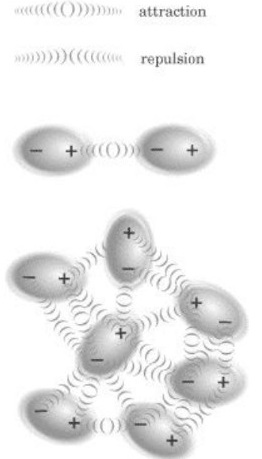
When CO molecules are around each other, the dipoles attract and repel each other based on their electrostatic attraction. These attractions are the dipole-dipole force.

Ɛhia
1
Asemmisa {{asɛmmisaAhyɛnsode}}
11.

What type of molecule has permanent dipoles?

Ɛhia
1
Ɛhia
1
Asemmisa {{asɛmmisaAhyɛnsode}}
13.

Like charges .

Ɛhia
1

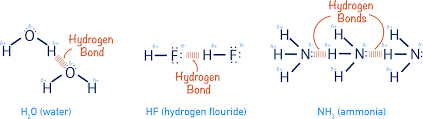
Hydrogen bonds are IMFs that form between molecules with very strong dipoles. The strongest dipoles occur when hydrogen is bonded to nitrogen, oxygen, or fluorine.

Ɛhia
1
Asemmisa {{asɛmmisaAhyɛnsode}}
15.

Are hydrogen bonds true "bonds"?

Ɛhia
1
Ɛhia
1
Asemmisa {{asɛmmisaAhyɛnsode}}
18.

All IMFs occur .

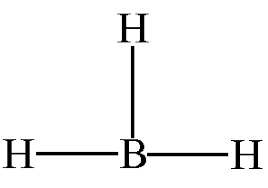
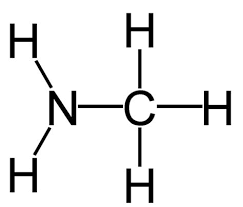
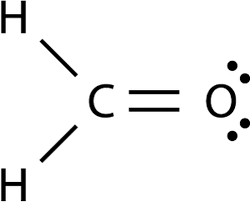
Use the following information to help identify the IMFs in each molecule.

Molecule

Lewis Diagram

BH3

CH3NH2

CH2O

Ɛhia
1
Asemmisa {{asɛmmisaAhyɛnsode}}
19.

What IMFs can BH3 make? [select all that apply]

Ɛhia
1
Ɛhia
1
Asemmisa {{asɛmmisaAhyɛnsode}}
22.

As the size and polarity of a molecule increases, the strength of the IMFs it can make will , so their IMFs will IMFs are easier to separate.

Asemmisa {{asɛmmisaAhyɛnsode}}
26.

Complete the table.

Asemmisa {{asɛmmisaAhyɛnsode}}
27.

Rank order the states of matter from the one with the weakest IMFs to the one with the strongest IMFs: <<

Mmuae Afoforo a Wobɛpaw:

liquid

solid

gas

Asemmisa {{asɛmmisaAhyɛnsode}}
28.

Pancake syrup is highly viscous, so it must have IMFs.

Asemmisa {{asɛmmisaAhyɛnsode}}
2.

Why are bonds always stronger than IMFs?

Asemmisa {{asɛmmisaAhyɛnsode}}
3.

Why is the Cl in one molecule attracted to the H in the other molecule?

Asemmisa {{asɛmmisaAhyɛnsode}}
6.

Which of the following are true for box D? [select all that apply]

Asemmisa {{asɛmmisaAhyɛnsode}}
9.

Because they are temporary, dispersion forces are...

Asemmisa {{asɛmmisaAhyɛnsode}}
10.

Which will have stronger dispersion forces, F2 or I2?

Asemmisa {{asɛmmisaAhyɛnsode}}
12.

Which element has higher electronegativity, carbon or oxygen?

Asemmisa {{asɛmmisaAhyɛnsode}}
14.

How do dipole-dipole forces compare to dispersion forces?

Asemmisa {{asɛmmisaAhyɛnsode}}
16.

Why are hydrogen bond IMFs only possible in molecules with an H-N, H-O, or H-F bond?

Asemmisa {{asɛmmisaAhyɛnsode}}
17.

How do hydrogen bond IMFs compare to dipole-dipole and dispersion forces?

Asemmisa {{asɛmmisaAhyɛnsode}}
20.

What IMFs can CH3NH2 make? [select all that apply]

Asemmisa {{asɛmmisaAhyɛnsode}}
21.

What IMFs can CH2O make? [select all that apply]