Twa kɔ nsɛm atitiriw so
Log in
Sign up for FREE
arrow_back
Laabri

2.07 Surface Circulation Lab MOD

star
star
star
star
star
Last updated about 1 month ago
23 Nsɛmmisa
Hyɛ no nsow a efi ɔkyerɛwfo no hɔ:
Ɛhia
1
Ɛhia
1

Thinking Question: How could trash from one part of the world end up on the other side of the Earth?

Ɛhia
0.25
Ɛhia
2

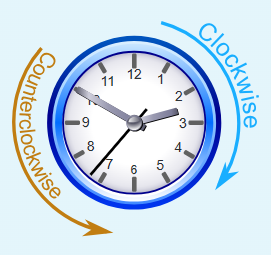
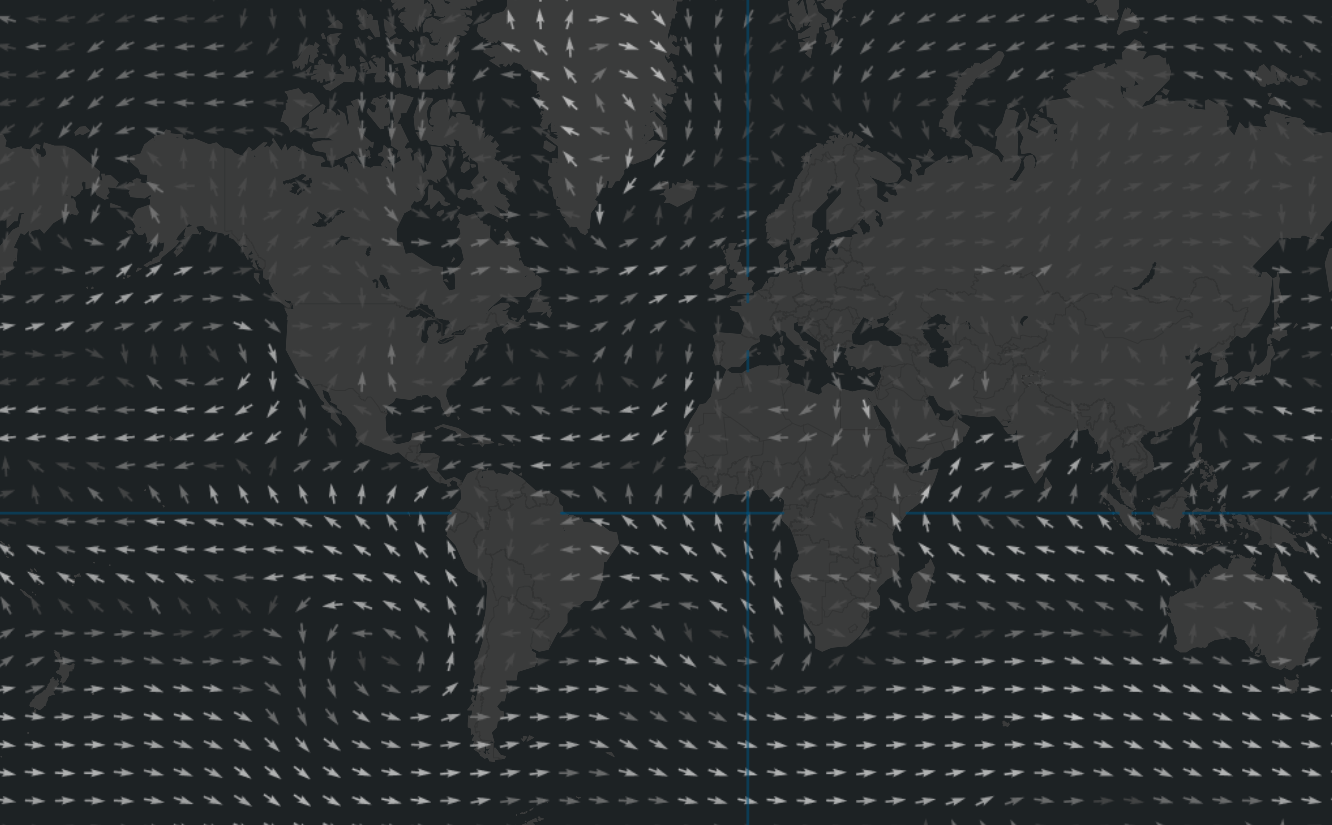
Thinking Question: Why do winds move clockwise or counterclockwise? What forces could be acting on the wind?

Ɛhia
2
Ɛhia
2
Ɛhia
3

Thinking Question: What happens when surface currents run into the coast of a continent?

Ɛhia
1

Objectives

  • Describe how wind patterns and the Coriolis effect drive surface ocean currents

  • Analyze maps and diagrams to identify wind and surface current directions, determine rotation (clockwise vs. counterclockwise), evaluate gyre-driven debris accumulation (garbage patches), and predict regions of upwelling.

If you need help with this assignment, please click here to watch the class recording. (recording uses general version of this lab)

Objectives

  • Describe how wind patterns and the Coriolis effect drive surface ocean currents

  • Analyze maps and diagrams to identify wind and surface current directions, determine rotation (clockwise vs. counterclockwise), evaluate gyre-driven debris accumulation (garbage patches), and predict regions of upwelling.

If you need help with this assignment, please click here to watch the class recording. (recording uses general version of this lab)

Asemmisa {{asɛmmisaAhyɛnsode}}
1.

Geography Review

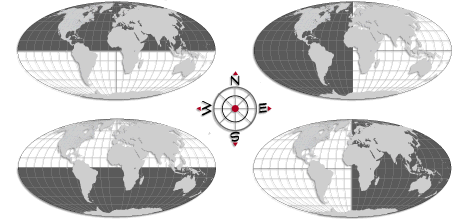
A hemisphere is half of Earth. An imaginary line divides Earth into two equal halves:

  • The Equator splits Earth into the Northern Hemisphere (above the Equator) and the Southern Hemisphere (below the Equator).

  • An imaginary line through the poles (the Prime Meridian and the 180th meridian) splits Earth into the Eastern Hemisphere (east of the Prime Meridian) and the Western Hemisphere (west of the Prime Meridian).

Label the hemispheres highlighted in the image below.
Mmuae Afoforo a Wobɛpaw:
Eastern Hemisphere
Southern Hemisphere
Western Hemisphere
Northern Hemisphere
Asemmisa {{asɛmmisaAhyɛnsode}}
2.

Geography Review

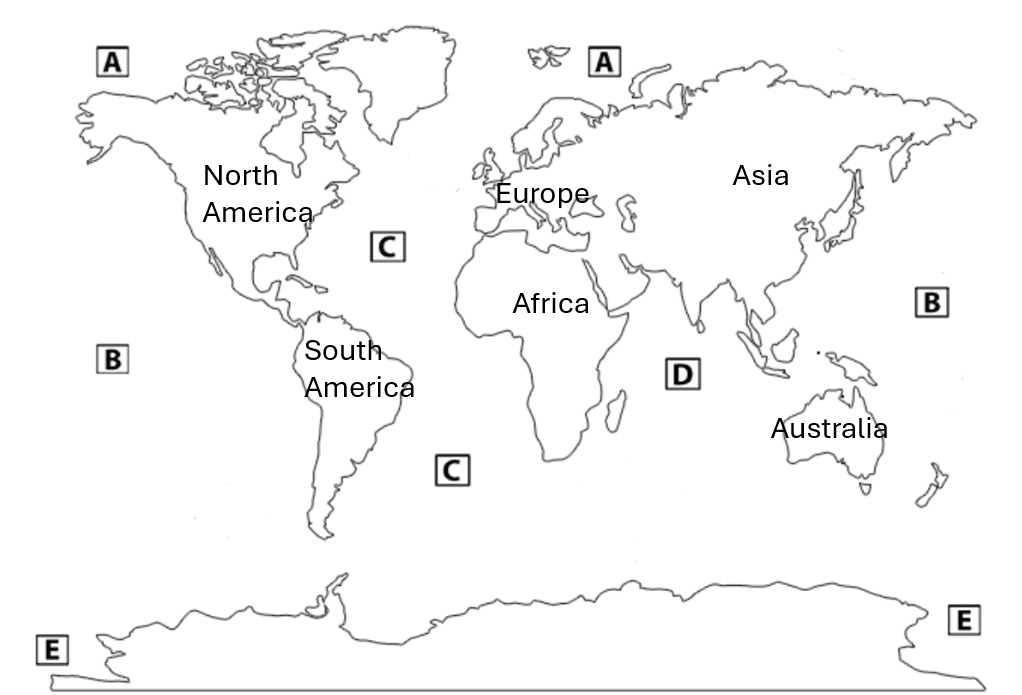
Names & locations of the world's oceans

  • Pacific Ocean: Largest; stretches between the Americas (east) and Asia/Australia (west).

  • Atlantic Ocean: Between the Americas (west) and Europe/Africa (east); connects north and south via the equator.

  • Indian Ocean: South of Asia, between Africa (west) and Australia (east).

  • Southern (or Antarctic) Ocean: Encircles Antarctica; southernmost ocean surrounding the continent.

  • Arctic Ocean: Smallest; located around the North Pole, bordered by northern North America, Greenland, and Eurasia.

Label the oceans on the map.

Remember that the Earth is a globe, so oceans wrap around and cross the map edges of a flat map.

Mmuae Afoforo a Wobɛpaw:
Indian Ocean
Arctic Ocean
Atlantic Ocean
Pacific Ocean
Southern Ocean
Ɛhia
0.5
Asemmisa {{asɛmmisaAhyɛnsode}}
3.

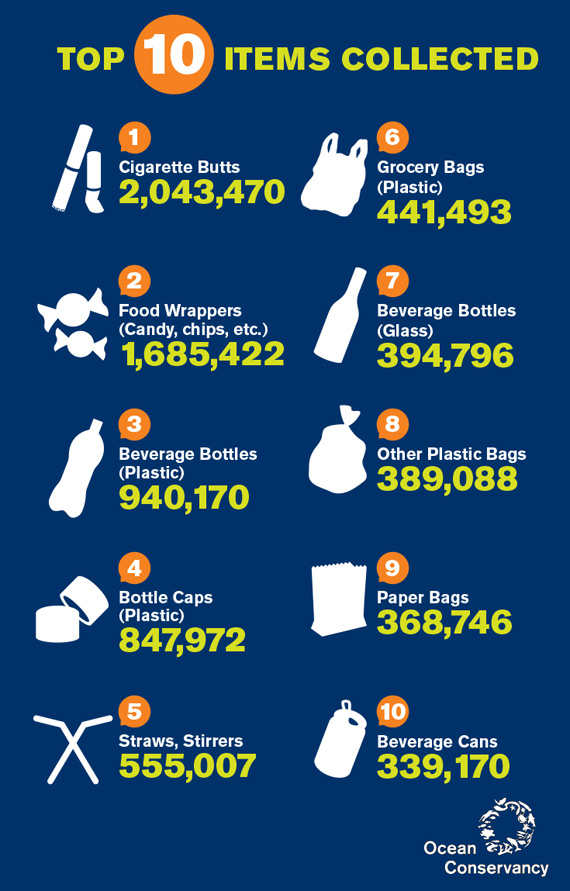
The infographic shows the top 10 items collected during ocean clean-up events.

Which category would most of these items fall under?

Question 4
00:20
keyboard_arrow_down
Ɛhia
0.5
Asemmisa {{asɛmmisaAhyɛnsode}}
4.

In 1992, a cargo ship carrying bath toys got caught in a storm. Shipping containers washed overboard, and the waves swept 28,000 rubber ducks into the North Pacific Ocean.

What could explain how the rubber ducks were transported around the world?

Asemmisa {{asɛmmisaAhyɛnsode}}
5.

Will plastic released from different areas of the same continent end up in the same place(s)?

Go to the Plastic Adrift website to test various locations or watch the videos below.

Consider plastic being released from Peru on the west coast of South America:

Then consider plastic being released from the same continent, but now at the southern tip of Chile:

Did plastic released from different areas of the same continent end up in the same place(s)?

Asemmisa {{asɛmmisaAhyɛnsode}}
9.

The Coriolis Effect makes moving air appear to .

Asemmisa {{asɛmmisaAhyɛnsode}}
10.

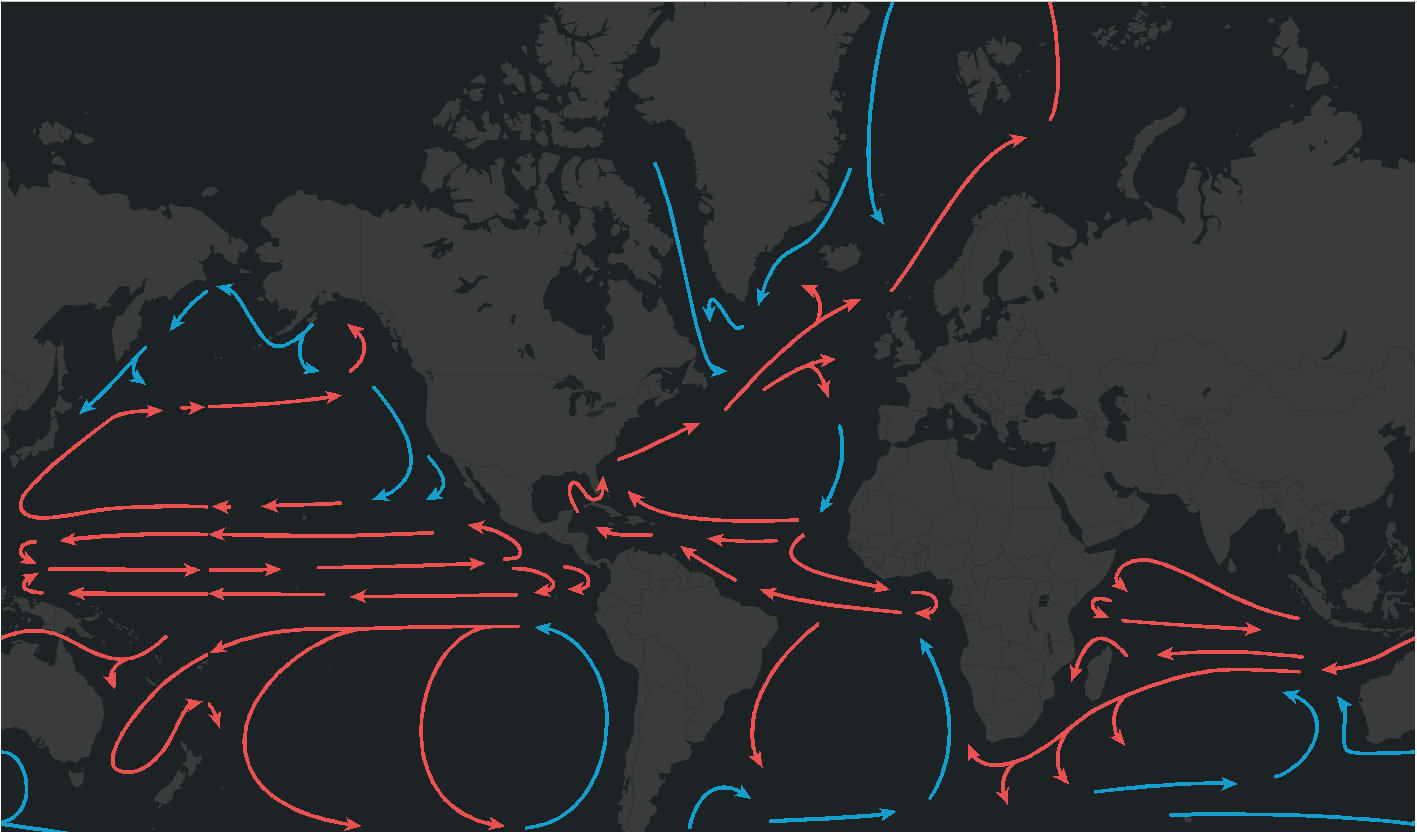
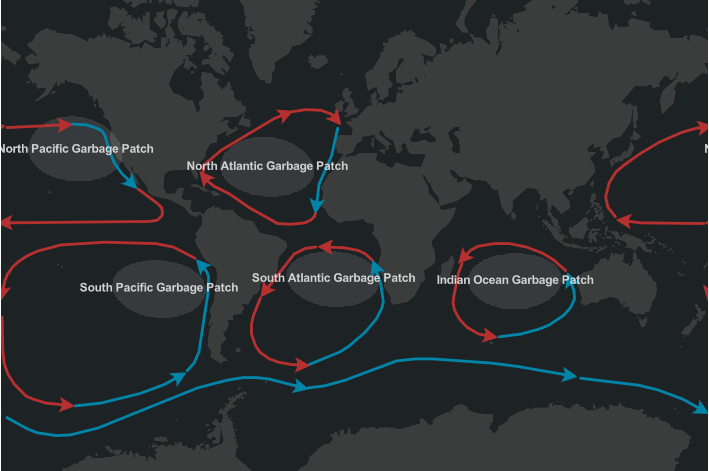
On the map you are viewing current temperature and direction near the ocean surface. The direction of the arrow represents the direction of the current. Red represents warm currents, blue represents cold currents.

For each point on the map, indicate whether the currents around it rotate clockwise or counterclockwise.


Mmuae Afoforo a Wobɛpaw:
counterclockwise
clockwise
Asemmisa {{asɛmmisaAhyɛnsode}}
11.

What conclusion can you form about ocean winds and surface currents?

Winds push on the surface of the ocean, so currents move in the and counterclockwise in the

Question 13
00:41
keyboard_arrow_down
Ɛhia
0.25
Question 14
01:00
keyboard_arrow_down
Ɛhia
0.25
Question 15
01:58
keyboard_arrow_down
Ɛhia
0.25
Question 16
00:38
keyboard_arrow_down
Ɛhia
0.25
Question 17
01:30
keyboard_arrow_down
Ɛhia
0.25
Question 18
01:53
keyboard_arrow_down
Ɛhia
0.25

Transcript:

When the wind blows along the coastside, it drives the surface layer of the sea. But due to the Coriolis effect, the surface water layer is deflected away from the coast. That surface layer also drives the one located just below it ... which is also deflected offshore due to Coriolis effect.

And so on...

That results in a net offshore mass transport in the upper layers of the sea.

To counteract this mass transport; cold water rises from the depths. This mineral-rich water delights phytoplankton, and therefore, delights zooplankton, fish, ... and fishermen!

Ɛhia
1
Asemmisa {{asɛmmisaAhyɛnsode}}
19.

In this scenario, what drives the surface layer of the sea?

Ɛhia
1
Ɛhia
1
Ɛhia
1
Asemmisa {{asɛmmisaAhyɛnsode}}
23.

Which of the following best re-states this assignment's learning objectives?

Asemmisa {{asɛmmisaAhyɛnsode}}
7.

Predict: Who will catch the ball?

Asemmisa {{asɛmmisaAhyɛnsode}}
13.

What is marine debris?

Asemmisa {{asɛmmisaAhyɛnsode}}
14.

What is the most common item found in marine debris?

Asemmisa {{asɛmmisaAhyɛnsode}}
15.

All marine debris is visible.

Asemmisa {{asɛmmisaAhyɛnsode}}
16.

What is a garbage patch?

Asemmisa {{asɛmmisaAhyɛnsode}}
17.

Why can't we simply scoop up all of the marine debris from the garbage patch?

Asemmisa {{asɛmmisaAhyɛnsode}}
18.

Which method is most effective for addressing ocean garbage patches?

Asemmisa {{asɛmmisaAhyɛnsode}}
20.

What causes the surface water layer to be deflected away from the coast?

Asemmisa {{asɛmmisaAhyɛnsode}}
21.

What is the result of this deflected surface water?

Asemmisa {{asɛmmisaAhyɛnsode}}
22.

Why is upwelling important for both marine ecosystems and coastal economies?