Spring til hovedindhold
Log ind
Sign up for FREE
arrow_back
Bibliotek

2026 (Jan.): NY Regents - Life Science: Biology

star
star
star
star
star
Sidst opdateret about 3 hours ago
45 Spørgsmål
Bemærk fra forfatteren:

A four-function or scientific calculator must be available for you to use while taking this examination. Note that diagrams are not drawn to scale unless otherwise noted.

A four-function or scientific calculator must be available for you to use while taking this examination. Note that diagrams are not drawn to scale unless otherwise noted.

Base your answers to questions 1 through 5 on the information below and on your knowledge of biology.

Two Kinds of Twins

Twins are two offspring produced by the same pregnancy. The most common types of twins are identical twins and fraternal twins. The genes of fraternal twins may vary as much as non-twin siblings, whereas identical twins share the same DNA. However, as identical twins age, their physical characteristics can show differences that distinguish them from each other.

The models below represent some information about twin development.
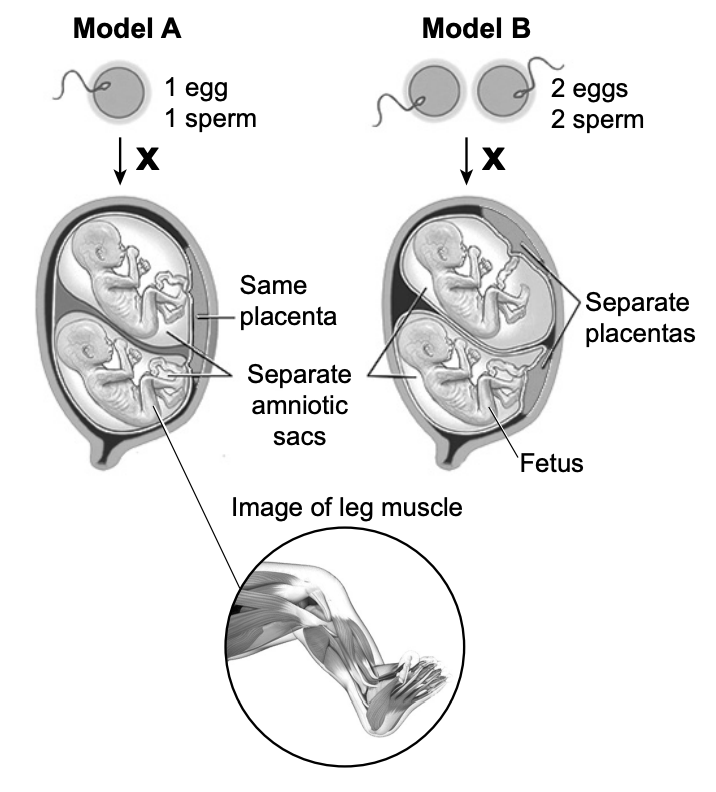
1
Spørgsmål 1
1.

Use the information in the models to identify which model (A or B) represents fetuses that would continue to develop into identical twins and identify one or more structures in the model that you selected that could be used to support your answer. Include your response for:

Model:
Structure(s):

HS.LS1.IVT.5
1
HS.LS1.IVT.1
1
Spørgsmål 3
3.

Use evidence and reasoning to defend the claim that processes that occur during sexual reproduction result in fraternal twins having different traits.
HS.LS1.IVT.3

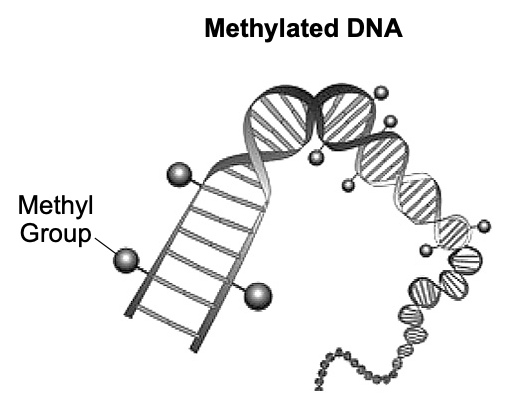
Scientists are investigating how the expression of genes in identical twins may be altered by epigenetic changes. Epigenetic changes occur when certain chemical groups, such as methyl groups, attach to a cell’s DNA and influence the expression of particular genes. Environmental factors and lifestyle choices such as diet have been linked to epigenetic changes. The model below shows how methyl groups can attach to DNA.

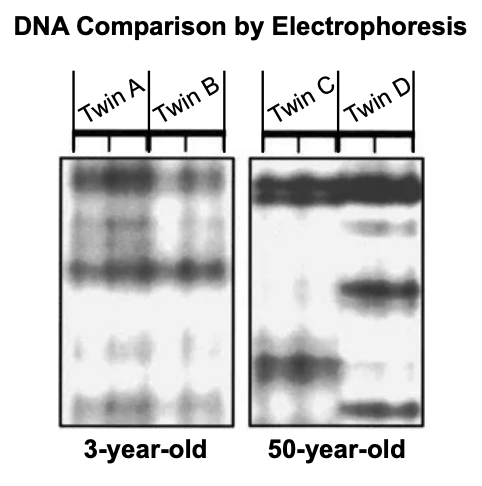
Electrophoresis is a process that can be used to compare DNA segment migration through a gel. The image below shows a comparison of DNA taken from body cells of 3-year-old identical twins and 50-year-old identical twins.

1
Spørgsmål 4
4.

A researcher wants to determine the cause of the amount of variation seen between identical twins at 50 years old when compared to twins at 3 years old. Which question should they ask to help them determine the cause?

HS.LS1.IVT.2
1
HS.ETS1.2

Base your answers to questions 6 through 9 on the information below and on your knowledge of biology.

Space Invader

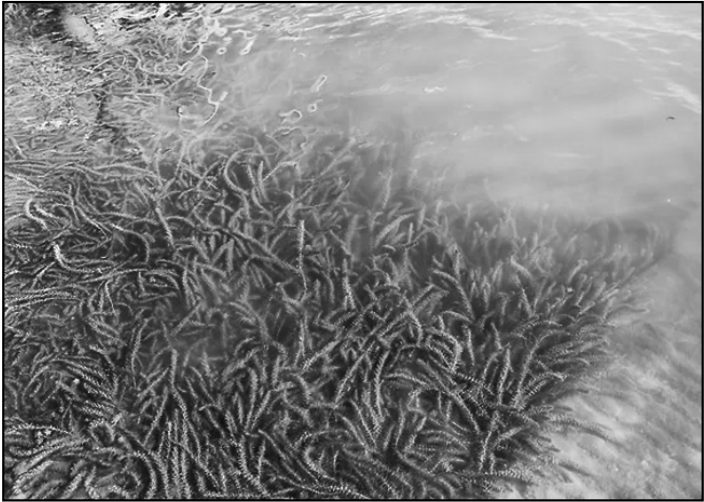
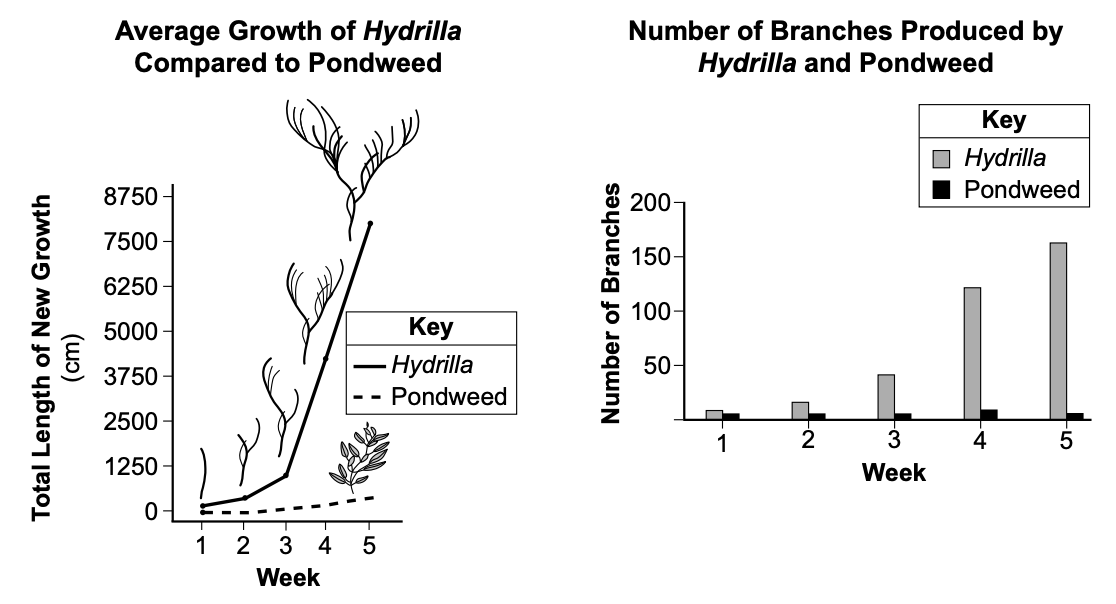
Hydrilla is an invasive aquatic plant with an extremely high growth rate. It can grow up to 2.5 cm per day, producing thick mats in waterways. Hydrilla has the same access to resources needed to carry out photosynthesis as native plants such as pondweed, but it invades their space, obtaining available resources faster and more efficiently.

The thick mats that Hydrilla forms are caused by long stems that branch at the surface of the water. The long stems can easily be broken off the parent plant by actions like water movement, animal activity, or human recreation, such as boating. A small piece of Hydrilla can establish a new population.

Hydrilla Mat

1
HS.LS1.IVT.2
1
Spørgsmål 7
7.

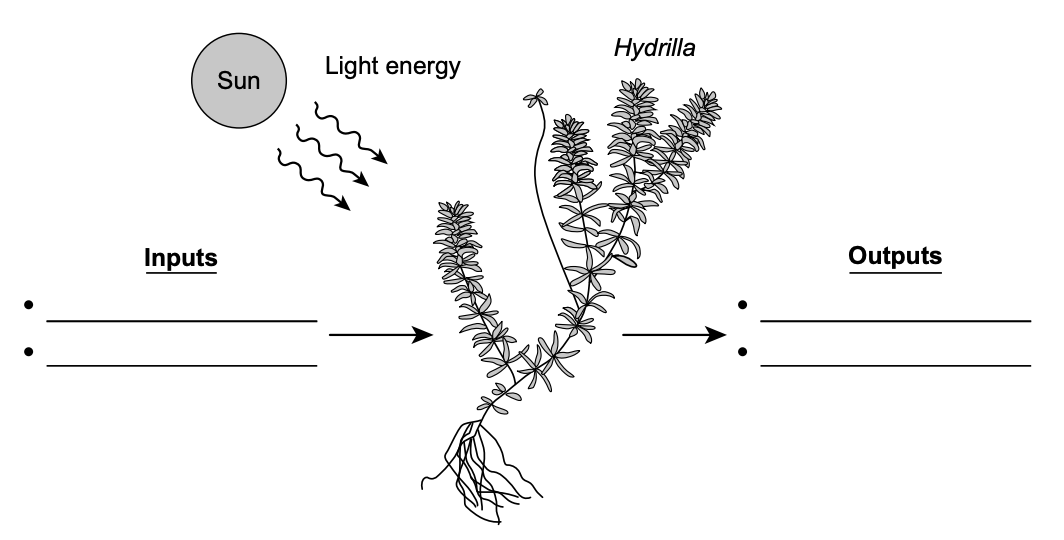
Complete the model by identifying the inputs and outputs of the process used by Hydrilla to outcompete native plants.


Inputs
• ____________
• ____________

Outputs
• ___________
• ___________

HS.LS1.5

Hydrilla can use the limited light that penetrates the water surface during the morning hours, whereas other plants cannot. Hydrilla use this energy to extend their deep-water sprouts upwards toward the surface of the water.

1
HS.LS2.2

Human recreational activities, such as boating and fishing, have transported pieces of Hydrilla to different bodies of water across the United States. Various methods have been implemented in local waterways to control the Hydrilla population.

1
HS.ETS1.3

Base your answers to questions 10 through 13 on the information below and on your knowledge of biology.

Keystone Species Rule

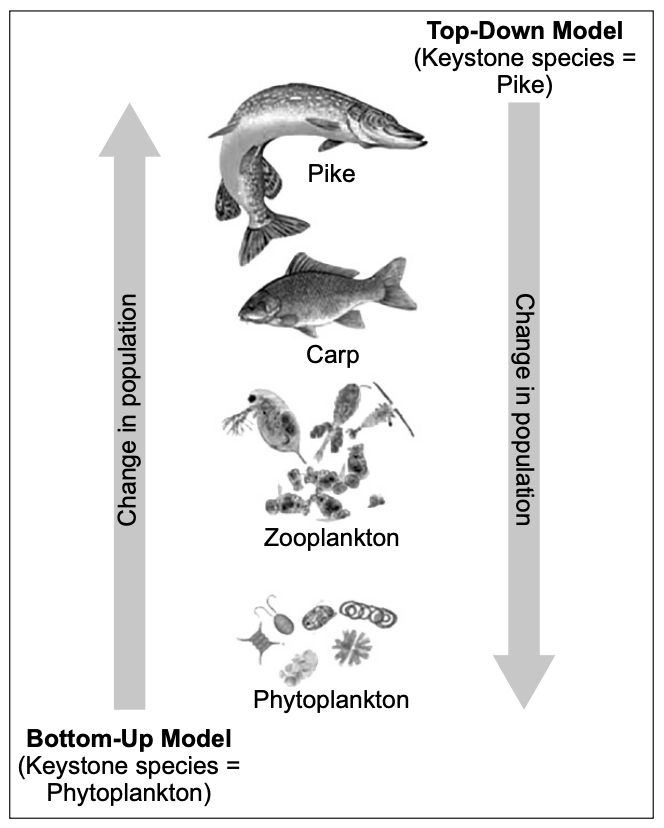
Some organisms play a disproportionately large role in an ecosystem. The presence or absence of these species has a very large impact on the rest of the ecosystem and how it functions. These organisms are known as keystone species. The impact of these changes is known as a trophic cascade and can occur from the top-down or the bottom-up within the trophic levels of the food chain, as represented in the diagram below.

Bottom-Up and Top-Down Cascade Model for an Aquatic Ecosystem

1
HS.LS2.6
1
HS.ESS2.6

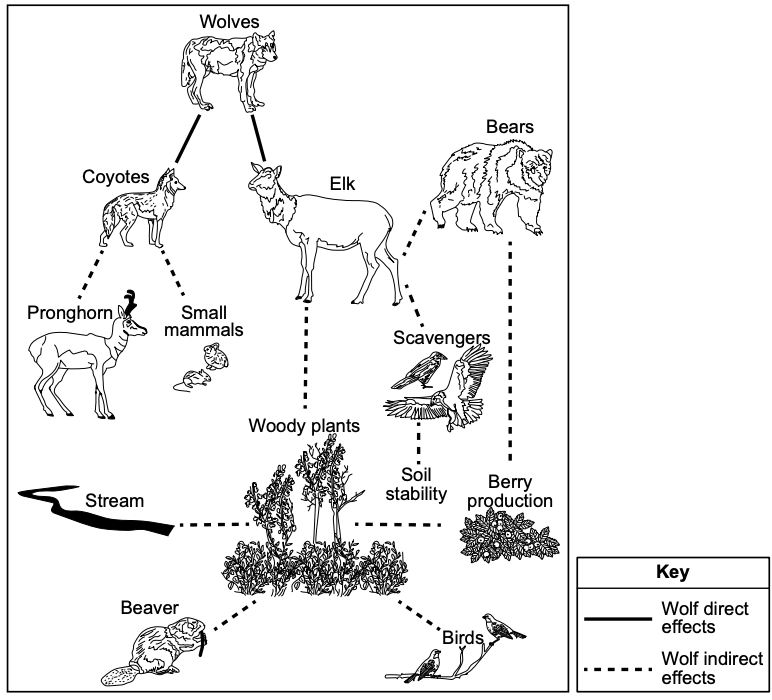
Keystone species can include large predators, such as the wolf population in Yellowstone Park. The model below illustrates some of the direct and indirect effects of wolf predation on populations within an ecosystem.

Some Effects of Wolf Predation in Yellowstone Park

At the beginning of the 20th century, wolves were over-hunted in Yellowstone Park. By 1926, wolves had been removed from the park. The elk population in Yellowstone increased and ate trees, such as willows, cottonwoods, and aspens, in large numbers. Beavers would also eat these trees and use them to build their dams.
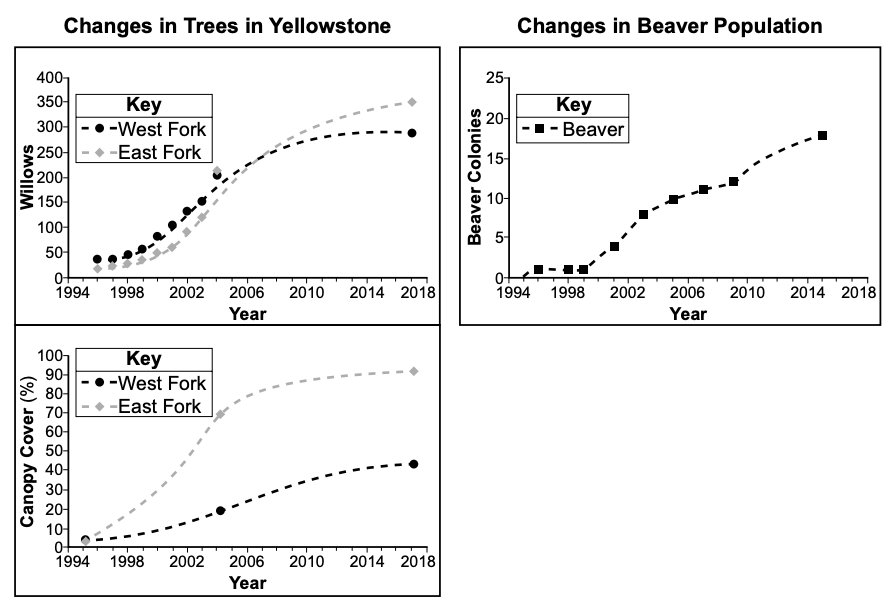
In 1995, wolves were reintroduced into the park. The graphs below show changes in two locations in Yellowstone, East Fork and West Fork, in the willow tree population, in the amount of tree (canopy) cover, and in the beaver population that occurred after the wolf reintroduction.

1
Spørgsmål 12
12.

Using evidence from the graphs and information provided, describe how the decision by humans to reintroduce the wolves into Yellowstone in 1995 had an impact on the environment of the area.

HS.LS2.7

In some studies, the presence of wolves has been associated with changes in elk behavior. GPS trackers were used to monitor the movements of elk in areas of Yellowstone Park where the number of wolves was high.

1
HS.LS2.8

Base your answers to questions 14 through 18 on the information below and on your knowledge of biology.

Solving the Problem of Cat Allergies

Domestic cats are a very popular pet for humans. However, for 10–20% of people, cats can cause allergic reactions. Allergy symptoms are caused by exposure to an allergen, which can sometimes be a protein. Most cat allergy symptoms can be traced to the protein, Fel d 1. This protein is produced by the cells of various structures within the body of the cat, including salivary glands within the mouth and oil glands within the skin.

Information regarding the structure of Fel d 1 is included below.

Protein

Partial Amino Acid Sequence

Fel d 1 (Allergen)

GLU TYR VAL GLU GLN VAL ALA GLN TYR LYS ALA LEU

1
HS.LS1.1

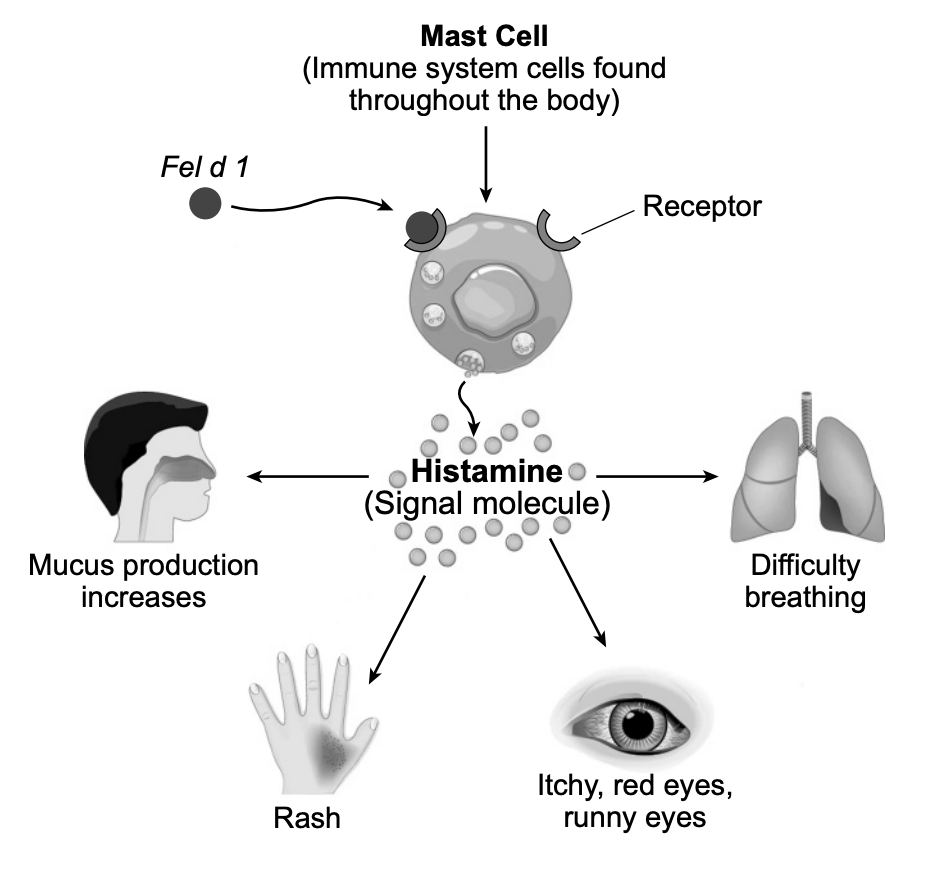
Part of the mechanism responsible for the symptoms of a cat allergy are shown in the model below.

An Allergic Response

1
HS.LS1.2
1
HS.LS1.IVT.4
1
HS.LS1.IVT.3
1
HS.LS1.1

Base your answers to questions 19 through 22 on the information below and on your knowledge of biology.

A Hard Pest to Manage

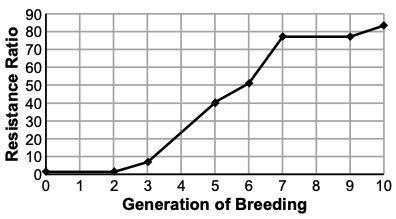
The diamondback moth is an invasive species in many parts of New York State. The larval stage is an agricultural pest because it consumes vegetation and destroys crops such as cabbage, broccoli, and cauliflower. Chemical pesticides, such as butane-fipronil, can be used to control the effect of pests such as the diamondback moth. Some information about the diamondback moth is shown below.

The Effect of Butane-Fipronil on the Resistance Ratio of Diamondback Moths Over Time

1
HS.LS4.3
1
HS.LS1.IVT.2

As an alternative to chemical pesticides, some crops have been treated with a type of bacteria called Bacillus thuringiensis (Bt). Bt produces proteins that are toxic to specific insect species and can be used as pesticides. Scientists studied the effect of Bt toxins on diamondback moth larvae. The table shows some data from the investigation.

Mortality (%) of Diamondback Moth Larvae Due to Exposure to Four Bt Toxins

Diamondback Moth Larvae

Type. ofBt Toxin

Mortality (%)

Group 1

Cry1Aa

98

Cry1Ab

97

Cry1Ac

94

Cry1F

100

Group 2

Cry1Aa

11

Cry1Ab

2

Cry1Ac

10

Cry1F

0

1
HS.LS1.IVT.4
1
HS.LS4.1

Base your answers to questions 23 through 27 on the information below and on your knowledge of biology.

Diabetes

Diabetes is a chronic health condition that affects how the body regulates blood sugar (glucose). There are multiple forms of diabetes, including Type 1 and Type 2. Multiple symptoms can be used to diagnose diabetes. One of the symptoms associated with diabetes is muscle weakness and fatigue.

1
HS.LS1.7

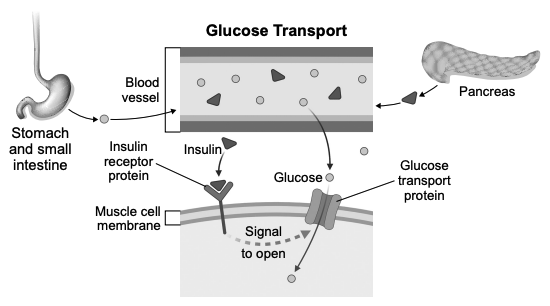
The model below represents the interaction of structures within body systems that maintain normal levels of blood glucose in a person without diabetes.

1
HS.LS1.2
1
HS.LS1.3
1
HS.LS1.1
1
HS.ETS1.1

Base your answers to questions 28 through 32 on the information below and on your knowledge of biology.

Honeybee Behavior and Threats

Honeybees are social insects that live in large cooperative groups called hives. They are vital to the health of many ecosystems. As they eat pollen and nectar from flowers, they aid in the pollination of many flowering plants.

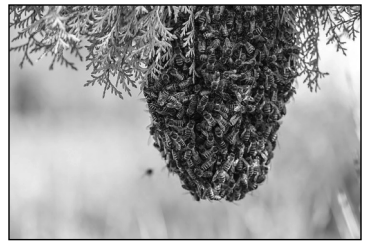
Honeybees exhibit group decision-making when they choose a new nesting site. Stressors such as a growing hive population, animal disruption, habitat fragmentation by humans, or a lack of available food will signal that the hive needs to find a new home. This causes the honeybees to engage in swarming behavior. Hives of up to 10,000 bees will send hundreds of scouts to find potential new sites, and they collectively select the best location.

A Honeybee Swarm

1
Spørgsmål 28
28.

Which solution could a community use to most effectively reduce the impact of human activity on the honeybee populations?

HS.ETS1.2

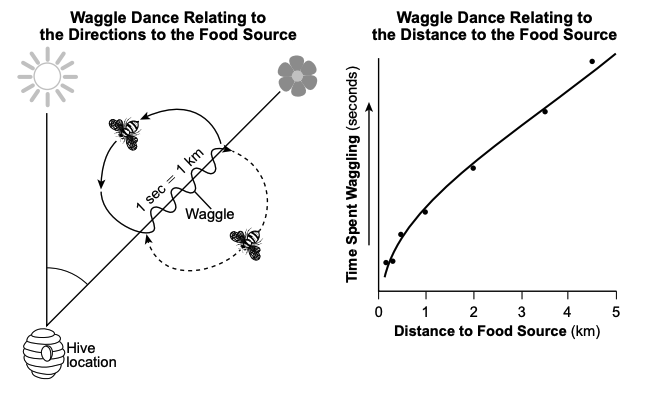
When a worker bee finds a new food source, it will return to the hive and engage in a behavior known as the “waggle dance.” The bee will move in a figure-eight pattern and waggle its abdomen. The speed and direction of the pattern communicates to the other bees where the new food source is located. The models below show information about this behavior.

1
HS.LS2.8

The Varroa mite is an invasive parasite of western honeybees. A mite infestation can cause a honeybee population to collapse. The mite feeds on both adult bees and larvae and can kill the larvae before they hatch. Adult bees try to protect their colony by cleaning out mites and removing infected bees.

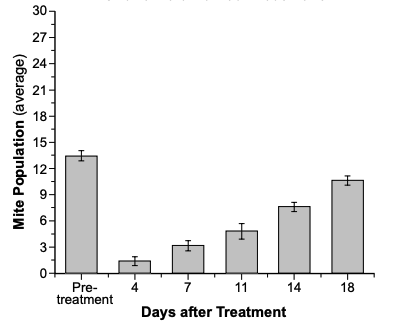
Beekeepers treat heavily infested hives with oxalic acid, which kills Varroa mites. The data below show information about the number of mites in bee colonies before and after treatment with oxalic acid.

Oxalic Acid Varroa Treatment

1
Spørgsmål 30
30.

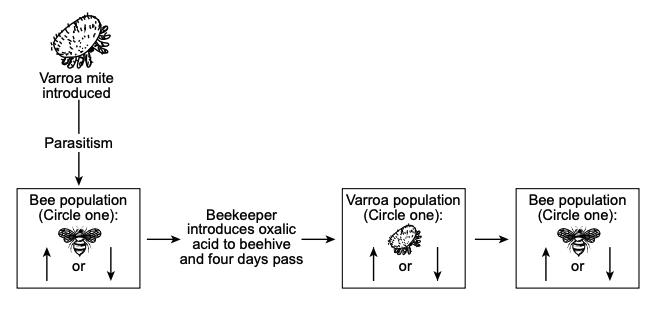
Use the information provided to complete the diagram below by selecting the arrow in each box that describes the population trend that best supports the explanation that populations of bees are affected by mites and oxalic acid treatment.

HS.LS2.2
1
HS.LS4.2

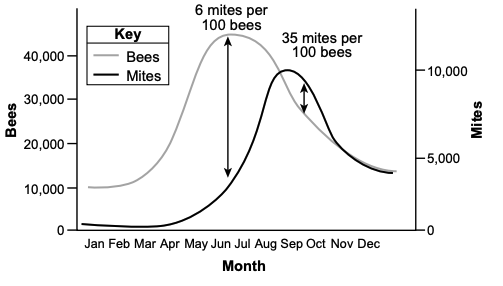
Varroa mites can become dormant during cold winter months. As bee populations increase, the Varroa mites come out of dormancy and start to affect the bees in larger numbers. Studies have shown that rates of infestation above 5% in the fall reduce colony survival, with higher rates resulting in greater losses over the winter. The graph below shows how the number of bees and mites in a hive changed over the course of a year.

Honeybee and Varroa Mite Populations Over a Year

1
HS.LS2.1

Base your answers to questions 33 through 36 on the information below and on your knowledge of biology.

Baboon Evolution

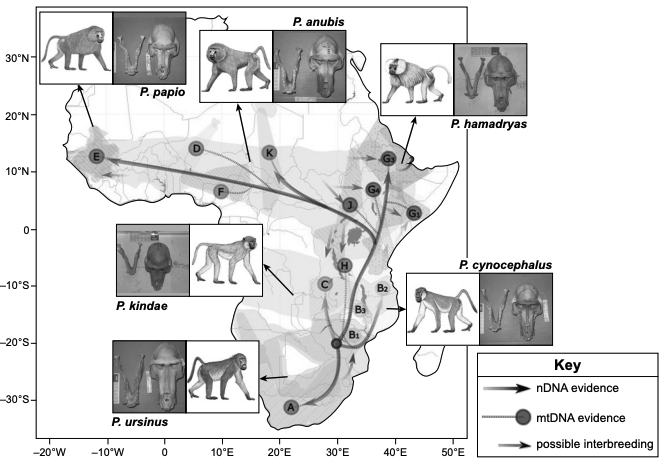
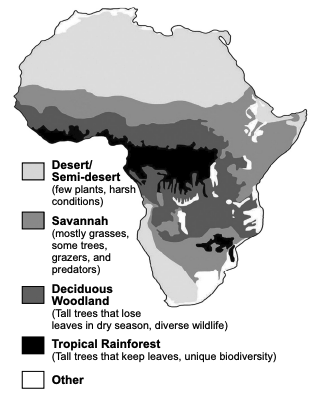
African baboons have been studied for their evolutionary relationships. Although all baboons are closely related and can reproduce, they are given separate species names due to the differences in their appearance, behaviors, and habitats. Since all baboon species can interbreed, genetic patterns have been closely examined in both the nuclear DNA (nDNA) and mitochondrial DNA (mtDNA). mtDNA is located in the mitochondria and is inherited only from the mother, who is more likely to remain in the geographic region of birth than males. The following diagrams show some information about African baboons and their biomes. Each letter indicates a different mtDNA group.

African Baboons

Map of Biomes in Africa

1
HS.LS4.1
1
HS.LS4.2

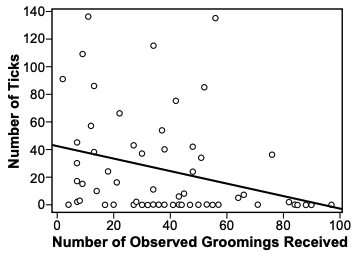
African baboons engage in a social behavior called grooming that involves the removal of parasites, such as ticks, that transmit infectious and toxic diseases. Ticks prefer dry environments with an average yearly rainfall of less than 750 mm per year. These ticks impact African baboons by reducing the ability to carry oxygen in the blood, which can cause death in infants and young baboons. Grooming behaviors strengthen bonds and social connections that build and maintain relationships. Studies have shown that the likelihood of participating in social behaviors is influenced by specific genes. The graph below shows some information about grooming in African baboons.

Effect of Grooming

1
Spørgsmål 35
35.

Describe the evidence from the graph that supports the claim that grooming increases an African baboon’s chance to survive and reproduce.

HS.LS2.8
1
HS.LS4.4

Base your answers to questions 37 through 40 on the information below and on your knowledge of biology.

Purple Insect Eater

Carnivorous plants are unique in the way they obtain and cycle compounds necessary for life functions. The purple pitcher plant ($Sarracenia\ purpurea$) is a photosynthetic carnivorous plant often found in wetland soil, such as peat bogs in the Adirondack mountains.

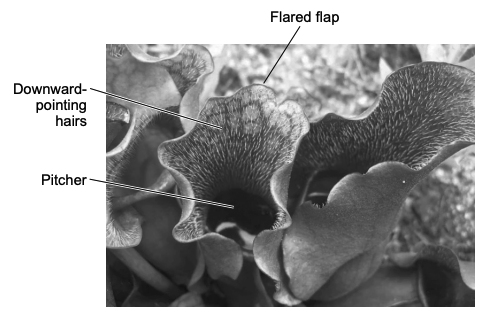
The pitcher part of the plant is a modified hollow leaf that naturally fills with water. Insects are attracted to a sugary nectar secreted by the flared flap of the pitcher. The downward-pointing hairs lining the flap encourage insects to travel into the pitcher. The insects slide down into the fluid-filled main body of the pitcher and are digested by enzymes released by the plant.

Purple Pitcher Plant

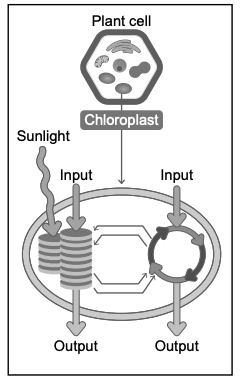
Like most plants, the cells of pitcher plants are able to cycle carbon, as shown in the model below.

Model of the Processes of the Purple Pitcher Plant

1
HS.LS1.5

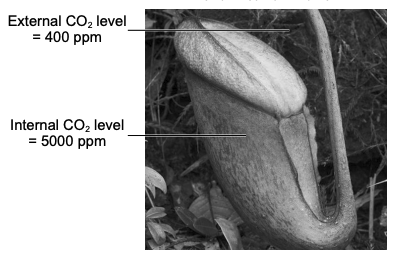
Researchers determined that carbon dioxide levels inside some kinds of pitcher plants can vary from the outside of the plant.

Concentration In and Around the Pitcher Plant

1
HS.ESS2.6

Peat bogs are low in available essential nutrients such as nitrogen, calcium, magnesium, and potassium. Only 20% of the nitrogen used by pitcher plants is absorbed from the peat soil in which they grow. Pitcher plants break down the protein-rich insects into smaller molecules, using enzymes found in their fluid-filled pitchers.

Pitcher plants produce both pitchers and flat leaves. Flat leaves are more efficient at carrying out photosynthesis. Acid rain resulting from the combustion of fossil fuels has gradually added more nitrogen to the peat bogs in the Adirondacks.

Scientists wanted to know if the changes in the amount of available nitrogen caused changes in the pitcher plants. They planted several pitcher plants in different pots. Each pot had soil with a different amount of nitrogen in it. They found that the plants with more nitrogen in the soil produced fewer pitchers and more flat leaves than pitcher plants in low-nitrogen soils.

1
HS.LS2.3
1
HS.LS1.2
1
3.LS3.1
1
HS.LS1.1
1
HS.LS4.2
1
HS.LS1.IVT.4
1
HS.LS2.7
Spørgsmål 2
2.

Which statement describes how a process that occurs at X within the models results in the specialized cells seen in the fetus’s leg?

Spørgsmål 5
5.

One of the 50-year-old twins, twin C, has been identified as being at risk for developing diabetes because a specific gene has been methylated. The same gene in twin D does not show signs of this change. How might genetic technology be used to prevent twin C from developing diabetes later in life?

Spørgsmål 6
6.

Which question would help a student gather information to correctly show the role of DNA in the passing of traits from the original Hydrilla plant to the offspring that grow when broken off?

Spørgsmål 8
8.

Which statement provides evidence from the mathematical representations provided and supports the claim that Hydrilla’s ability to efficiently capture resources will have negative effects on the biodiversity of the waterway in which they live?

Spørgsmål 9
9.

Which solution would best control the Hydrilla population in bodies of water without harming native populations?

Spørgsmål 10
10.

Which statement provides evidence that supports the claim that the complex interactions of bottom-up and top-down cascading play a role in maintaining relatively consistent numbers of organisms in a stable ecosystem?

Spørgsmål 11
11.

Which statement best uses the process of carbon cycling in the biosphere to explain why phytoplankton function as a keystone species for this ecosystem?

Spørgsmål 13
13.

Which statement would provide evidence that increased elk survival in Yellowstone is related to herd behavior?

Spørgsmål 14
14.

Which statement supports the claim that the structure of DNA determines the structure of the Fel d 1 protein molecule produced by cat cells?

Spørgsmål 15
15.

Based on the model above, describe how components of the immune system and respiratory system interact when a person with a cat allergy is exposed to Fel d 1.

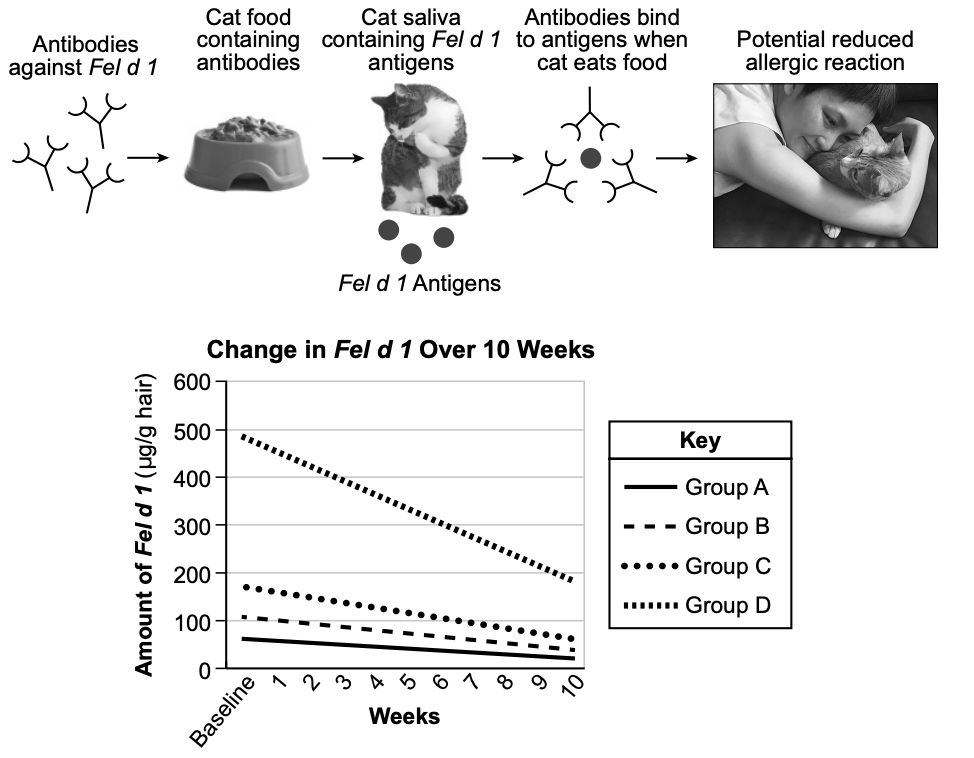
A company recently came out with a new cat food that is treated with antibodies. They claim feeding this food to cats can reduce the amount of $Fel\ d\ 1$ protein on cat fur. Cats produce different amounts of $Fel\ d\ 1$ based on sex, testosterone production, and age. In a study, 105 cats were divided into four groups based on their initial $Fel\ d\ 1$ levels. The cats were fed equal amounts of antibody-treated food for several weeks. Results of the study are shown in the graph below.

Procedure Used to Reduce $Fel\ d\ 1$ on Cats

Spørgsmål 16
16.

Which statement explains the variation shown by week 10 in the amount of $Fel\ d\ 1$ per gram of hair in the cats in Group A?

Other researchers are using CRISPR-cas9 to solve the problem of allergy-causing cats. CRISPR-cas9 is a genetic technology that enables researchers to edit parts of an organism’s DNA by removing, adding, or altering sections of their DNA sequence. Researchers injected fertilized cat eggs with the extra DNA bases before any mitotic division. This prevented cells with the edited DNA from producing the functioning allergy-causing protein.

Spørgsmål 17
17.

Which claim regarding the genetic makeup of the kittens produced by this technology is supported by the information provided?

Spørgsmål 18
18.

Construct an explanation for how genes determine the structure of the Fel d 1 allergen by explaining why the use of CRISPR-cas9 to edit the cat’s DNA resulted in the inability of the salivary glands of cats to produce functional Fel d 1 protein.

Spørgsmål 19
19.

Using evidence from the graph, which statement best explains the resistance ratio of diamondback moths?

Spørgsmål 20
20.

Which question would a scientist ask to clarify the role of DNA in passing butane-fipronil resistance from one generation to the next?

Spørgsmål 21
21.

Which statement best explains the variation in mortality observed in the two groups of diamondback moth larvae?

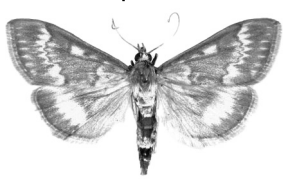
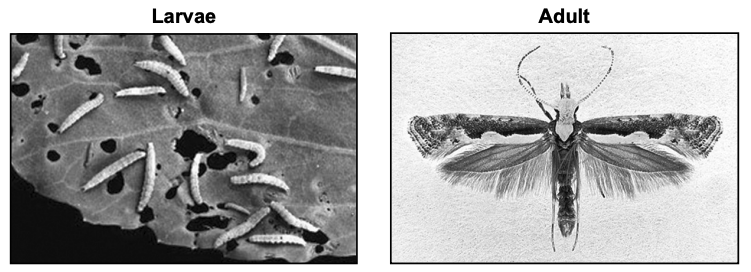
There are many mechanisms that cause pesticide resistance in insects. One mechanism changes the production of a protein that is needed for the transport of substances across the cell membrane. This occurs in both the diamondback moth and the European corn borer. The European corn borer can also develop resistance to $Bt$ toxins.

Adult European Corn Borer

Spørgsmål 22
22.

Describe the scientific information that could be used to support the claim that the European corn borer and diamondback moth share a common ancestor.

Spørgsmål 23
23.

Which model summarizes the process that could be disrupted by diabetes, resulting in muscle fatigue?

Spørgsmål 24
24.

Using the model above, identify two body systems and describe how the systems interact to regulate glucose in an individual without diabetes.

Type 1 and Type 2 diabetes differ in their causes, onset, and management even though both result in issues with insulin. Type 1 diabetes is characterized by the reduced ability of the pancreas to produce insulin. Insulin is produced normally in Type 2 diabetes, but the cells of the body do not respond properly.

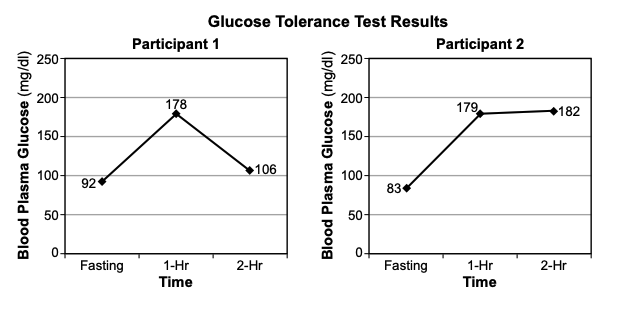
Glucose tolerance tests are used to diagnose issues with blood glucose regulation. Twenty study participants were asked to fast (not eat) before consuming 75 g of glucose. Their blood was drawn at intervals to assess the body’s response. The graphs below show some information from two participants in the study.

Spørgsmål 25
25.

Use evidence to describe the role of insulin in a feedback mechanism that helps an individual maintain homeostasis in Participant 1 but not in Participant 2.

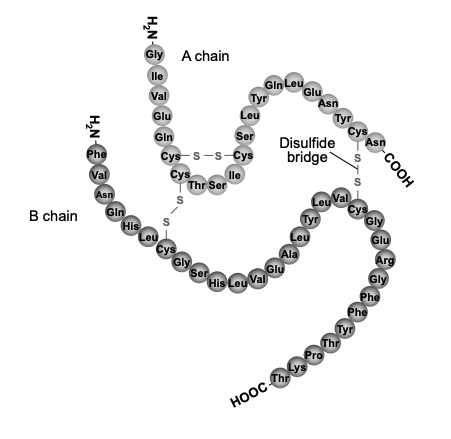
Proteins are made of one or more chains of amino acids. Bonds, such as disulfide bridges, can form between the amino acids of two separate chains to contribute to the structure of the protein. The model below shows some information about a segment of an insulin protein.

Insulin Protein Segment Model

Spørgsmål 26
26.

Which evidence best supports the claim that a mutation would change the structure of insulin?

The management of diabetes has been improved through the use of technological advances. The following chart shows some information about possible management strategies for a person with diabetes.

Management Option

Description

Personal injectables

Benefits

  • Improved blood sugar control

  • Potential weight loss

  • Effectively lower blood glucose levels

Risks

  • Hypoglycemia (low blood glucose)

  • Injection site reactions (pain, redness, itching, swelling)

  • Expensive (cost of supplies)

Insulin pump therapy

Benefits

  • Precise insulin delivery

  • Greater lifestyle flexibility (meal timing, exercise routines)

  • Reduced frequency of injections

Risks

  • Infusion site issues (irritated, infected, blocked)

  • Pump malfunction (can lead to rapid rise in blood glucose)

  • Expensive (cost of pump, pump supplies, not all insurance covers a pump)

Continuous glucose monitors (sensors)

Benefits

  • Provides real time glucose data

  • Better blood sugar control

  • Reduced risk of complications from injections

Risks

  • Complex to use (training and education required)

  • Expensive (cost of sensors and parts, not all insurance covers sensors and supplies)

Pancreas transplant

Benefits

  • Improved blood sugar control

  • Slow down/prevent long-term complications

  • Insulin independence (no need for external insulin)

Risks

  • Surgery: complications (bleeding, infections, blood clots) and high costs

  • Lifelong immunosuppressant medications that increase risk of infections

  • Pancreas may fail or have reduced function

Spørgsmål 27
27.

Analyze the given management strategies for a person with diabetes. State one criterion and one constraint that the scientists considered when developing these solutions to best meet the needs and wants of diabetics.

Spørgsmål 29
29.

Based on the information above, how does the waggle dance of an individual bee have a beneficial effect for the hive?

Spørgsmål 31
31.

Based on the data provided, which explanation best describes the effectiveness of using oxalic acid treatments every 18 days to reduce the number of invasive Varroa mites over time?

Spørgsmål 32
32.

Using evidence and reasoning, evaluate the claim that the time of year for a Varroa mite treatment may determine whether a new ecosystem results in the following year.

State whether the claim is valid or not valid, and then explain your answer.

Spørgsmål 33
33.

Which line of empirical evidence supports the claim that African baboons share a common ancestor?

Spørgsmål 34
34.

Which evidence best explains how the evolution of African baboons is the result of an environmental factor?

Spørgsmål 36
36.

Which statement provides evidence that explains how an environmental factor could cause a change in gene frequency for the likelihood of social behaviors in African baboons?

Spørgsmål 37
37.

Using the model, which statement best identifies the energy conversion that occurs in the pitcher plant?

Spørgsmål 38
38.

Which of these statements best predicts the movement of carbon between Earth’s spheres that produced the differences in carbon dioxide concentrations when the pitcher opens up?

Spørgsmål 39
39.

How does this evidence support the scientists’ claim that increased nitrogen makes the pitcher plants more effective at cycling carbon?

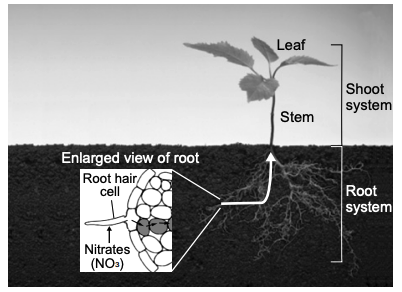
Plants must obtain necessary compounds from their surrounding environment using specialized structures. Below is a representation of the process of nitrogen uptake occurring in non-carnivorous plants.

Plant Structures and Systems Involved in Nutrient Uptake

Spørgsmål 40
40.

Using the model above, describe how components of the two systems interact in the non-carnivorous plant to obtain nitrogen from the surrounding environment that is necessary for its leaves to produce chlorophyll.

Base your answers to questions 41 through 45 on the information below and on your knowledge of biology.

Zebra Coat Patterns

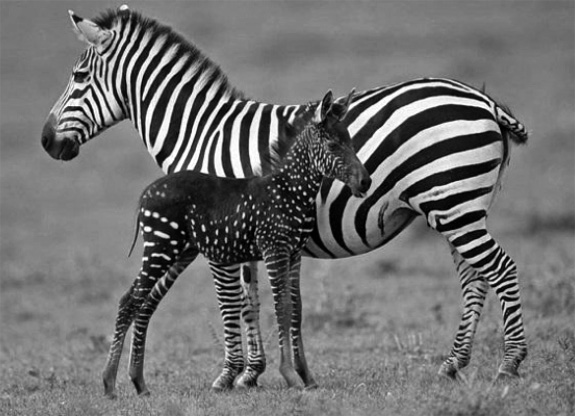
A rare zebra coloration was discovered in Maasai Mara National Reserve in Kenya. The young plains zebra, named Tira, has black fur with white spots covering his body. His parents have the typical black and white stripe patterns usually seen in zebra species.

Adult zebra with striped pattern and young zebra with spotted pattern

Spørgsmål 41
41.

Which question would help scientists understand why the spotted zebra’s coat pattern is different from its striped parents?

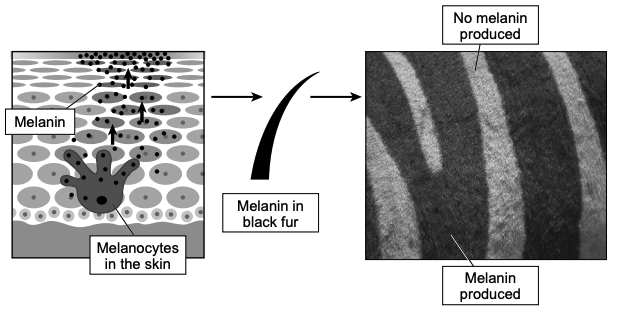
Melanin is a pigment produced in the skin cells of mammals, including zebras. It gives mammal skin and fur its coloration. Melanocytes are specialized cells found in certain layers of the skin that produce this protein. The amount of pigment produced and the area where it deposits are some factors that determine the patterns of coloration in a zebra’s fur.

Melanin Production and Deposition

Spørgsmål 42
42.

Describe evidence that would best support the explanation that spotted zebras and striped zebras have the same DNA sequence for their unique coloration patterns.

In the past, some scientists have suggested that stripes help zebras blend into their environment or that stripes are like a fingerprint that allow zebras to identify each other. Another hypothesis is that stripes prevent flies from landing on zebras, reducing the possibility of contracting a fatal disease carried by flies.

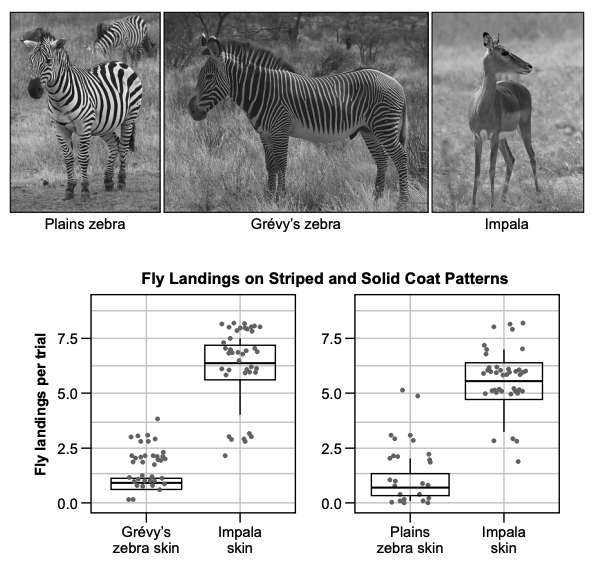
Researchers on a Kenyan savannah investigated whether flies prefer to land on striped or solid animal coats. The researchers measured how many flies landed on plains zebras, Grévy’s zebras, and solid-colored impalas.

Spørgsmål 43
43.

The researchers claimed that an environmental factor may have affected the evolution of the zebra’s striped coat. Which row of the table uses evidence gathered by the researchers to justify why their claim is correct or incorrect?

Row

Claim

Reasoning

1

Correct

Flies are more attracted to the impala’s solid coat, resulting in more fl ies biting the zebras, and decreasing the zebras’ chance of surviving and reproducing.

2

Correct

Stripes reduce the number of biting fl ies landing on zebras, resulting in a decrease in the chance of disease from fl ies, and increasing the zebras’ chance of surviving and reproducing.

3

Incorrect

Stripes increase the number of biting fl ies landing on zebras, resulting in an increase in the chance of disease from fl ies, and decreasing the zebras’ chance of surviving and reproducing.

4

Incorrect

Flies are more attracted to the impala’s solid coat, resulting in fewer fl ies biting the zebras, and increasing the zebras’ chance of surviving and reproducing.

The zebra’s natural habitat is in sub-Saharan Africa. Due to human activities such as agriculture and the building of roads and cities, zebra habitat is becoming increasingly fragmented or broken up. This isolates zebra populations from breeding with other populations.

In 2020, a group of scientists studied the genetic diversity of plains zebra populations in Africa.

Information about the frequency of the varied coat patterns in plains zebra populations is included in the table below.

Location

Plains Zebra Population Relative Size

Approximate Frequency of Varied Coat Patterns

Etosha National Park, Namibia

Larger

0.05%

Lake Mburo National Park, Uganda

Smaller

5%

Spørgsmål 44
44.

Which statement best uses the data gathered by the researchers to predict the variation and distribution of coat patterns in future generations of plains zebras?

The total population of the plains zebras has undergone an approximate 25% decline since 2002. The table below includes information on possible solutions to stabilizing and restoring zebra populations.

Solutions to Stabilize and Restore Zebra Populations

Solution

Summary

Wildlife Corridors

Create protected pathways between habitats

Sustainable Land Use Planning

Work with communities to limit development in key zebra habitats

Protected Areas

Expand or establish conservation areas and reserves

Spørgsmål 45
45.

Identify a solution from the table and describe how it would reduce human impact on habitat fragmentation and benefit plains zebra populations.

Solution:

Description: