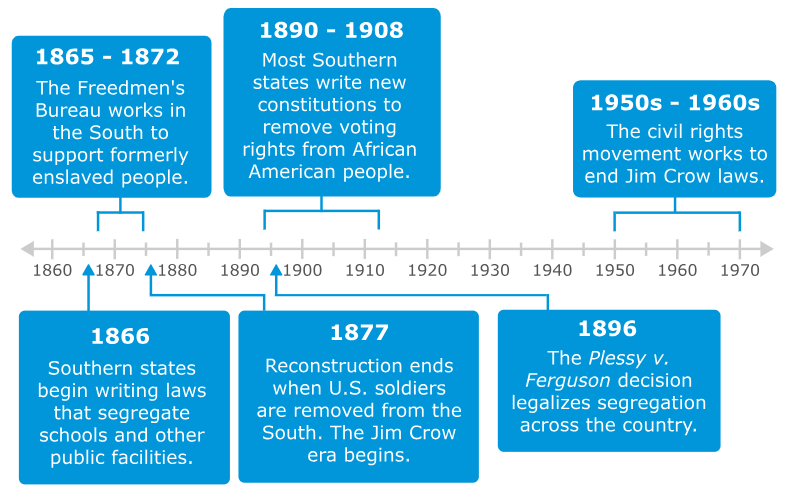
During Reconstruction, the Republican-controlled Congress passed laws to protect African American citizens' rights to vote and own property. The Freedmen's Bureau provided supplies, legal support, and education for formerly enslaved people. During this time, U.S. soldiers remained stationed in the South to enforce the law and protect African American people's rights.
The Freedmen's Bureau ended in 1872 due to complaints about the cost. Reconstruction itself ended in 1877 when federal troops were removed from the South. The southern Democratic Party, which had opposed Reconstruction, took advantage of the removal of federal troops to recreate the legal, economic, and social separation of the races that existed under slavery. This separation is called segregation. The system of laws and practices that enforced segregation from the 1870s to the 1960s is called Jim Crow.
According to the passage, which of the following were consequences of the end of Reconstruction for African American people? Select TWO.
Based on the timeline, which of the following statements best describe the experiences of African American people after 1865? Select TWO.
Who was Jim Crow?
In the 1820s and 1830s, a white actor named Thomas "Daddy" Rice performed onstage as a character called "Jim Crow." When dressed up as Jim Crow, Rice wore blackface makeup to make his skin look dark. Rice portrayed his character as a dancing, singing, foolish Black man who spoke in broken English. This form of entertainment was called minstrelsy, and it reinforced negative stereotypes.
By the late 1830s, the term "Jim Crow" was widely used as an insulting term for African American people. By the end of the 1800s, the term was used to refer to the entire system of segregation in the South.
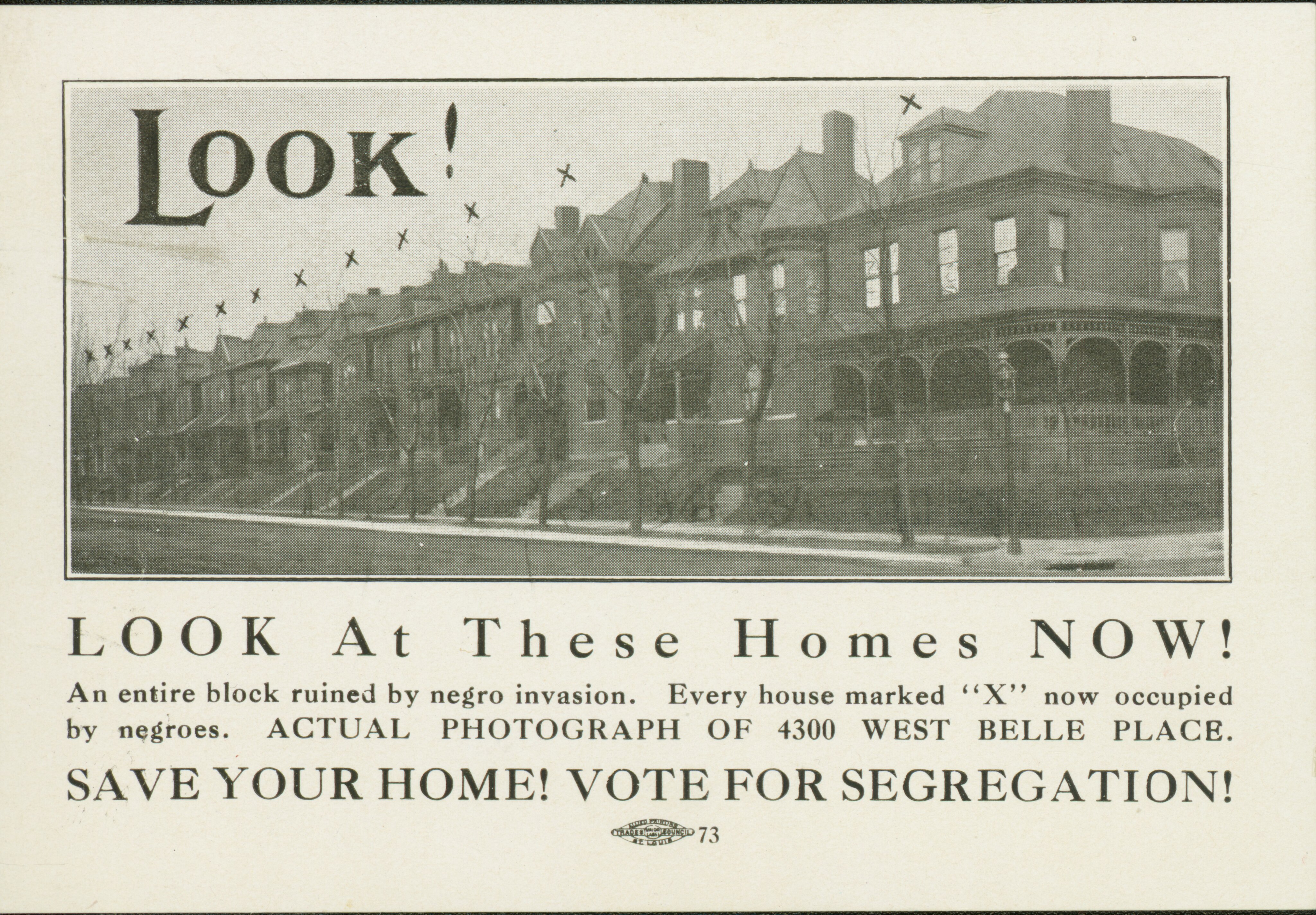
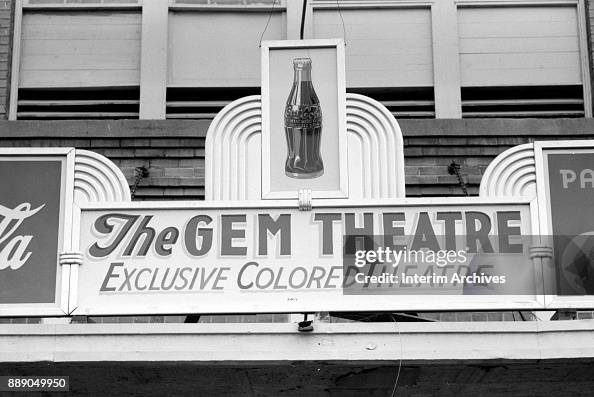
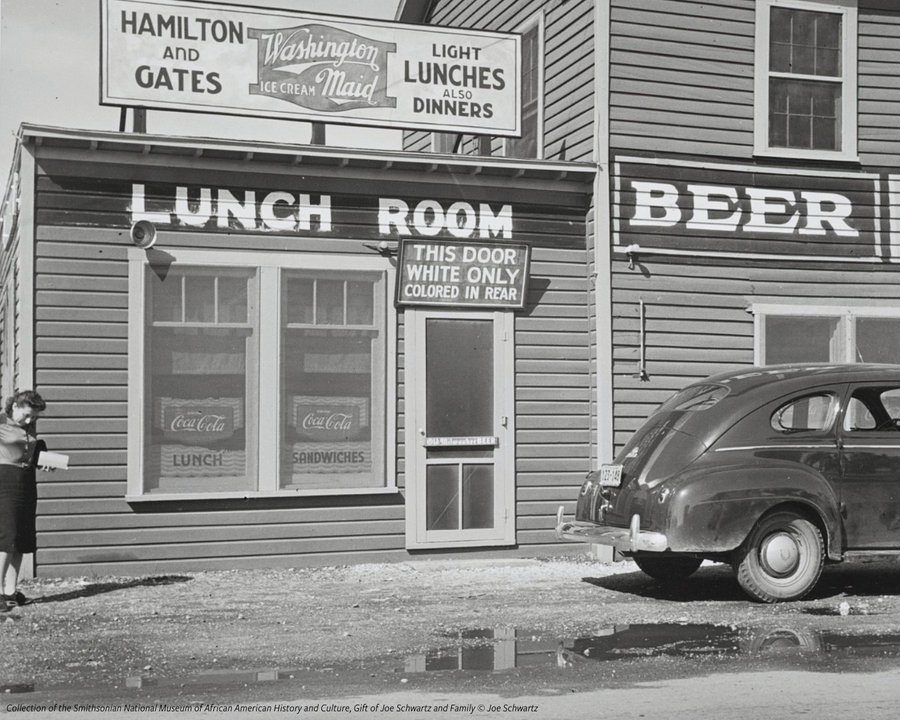
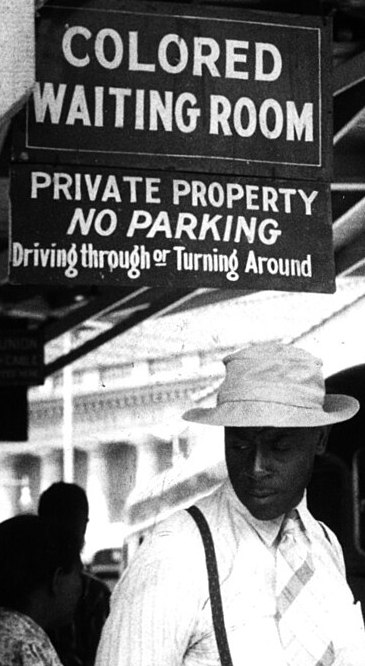
The Jim Crow era lasted from the 1870s to the 1960s. The following images are primary sources that document life under the Jim Crow system. MATCH each image with the correct description.
| Draggable item | arrow_right_alt | Corresponding Item |
|---|---|---|
African American business owners created theaters, clubs, campgrounds, hotels, and other facilities that catered only to African American people. | arrow_right_alt |
|
Private businesses that served the public, such as restaurants, had separate entrances for Black and white patrons. | arrow_right_alt |
|
African American travelers were forced to use separate waiting rooms in public facilities such as bus stations and train cars. | arrow_right_alt |
|
White homeowners allied with local governments to exclude African American families from purchasing homes in certain neighborhoods. | arrow_right_alt |
|
Who was considered Black under Jim Crow?
A person with any African American ancestry was legally classified as Black. This one-drop rule meant that even light-skinned African American people who looked white were treated as Black under the law.
Why are there so many terms for Black Americans?
During slavery and Jim Crow, many white Americans used insulting terms for African American people in order to enforce the social hierarchy. Terms for racial identity that were used during Jim Crow are considered insulting today, such as mulatto, an offensive term for mixed-race African American people, and colored, a broad term for African American and mixed-race people. During Jim Crow, many African American people embraced the term Negro to refer to themselves. This term fell in popularity in the mid-1900s, when it became more common to identify as Black.
Jim Crow was enforced by law, but the ideas behind the Jim Crow system were enforced through racial stereotypes of African American people in popular culture. A stereotype is an oversimplified, often offensive, portrayal of a group of people. Newspaper stories, political cartoons, popular songs, and advertisements portrayed Black Americans as simple, savage, and inferior. Match each stereotype (left column) with how it was used to justify the racism of Jim Crow (top row).
White people tried to justify racial segregation and mob violence by arguing that African American men were prone to violence. | White men tried to justify abusive behavior toward Black women by claiming that the women wanted those relationships. | White women tried to justify Jim Crow by arguing that Black people had been happy living as enslaved people. | |
|---|---|---|---|
A nurturing, motherly enslaved woman who served as housekeeper and cook, and who gladly took care of the slaveholder's children. | |||
An African American woman with light skin and European features who would seek out relationships with white men. | |||
An African American man who was strong and violent, and who wanted to take revenge on his former enslavers and assault white women. |
Political cartoons from the late 1800s reveal changing views about African American people. One famous cartoonist, Thomas Nast, supported the Republican Party during the Civil War and argued for equal rights for formerly enslaved people. As Reconstruction came to an end, Nast's views about African American people changed, reflecting larger changes in white Americans' attitude toward Black Americans. Look at the following images:
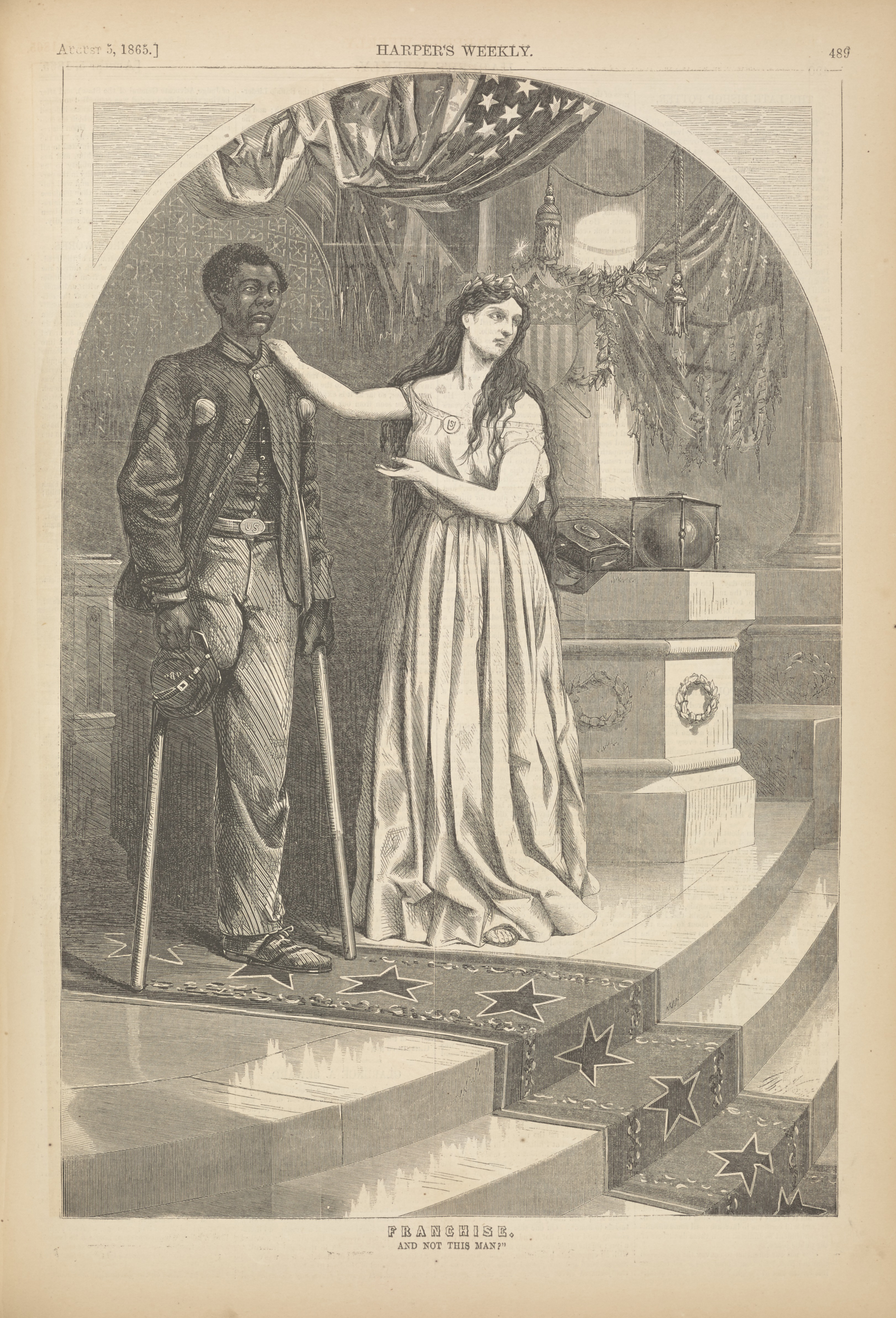
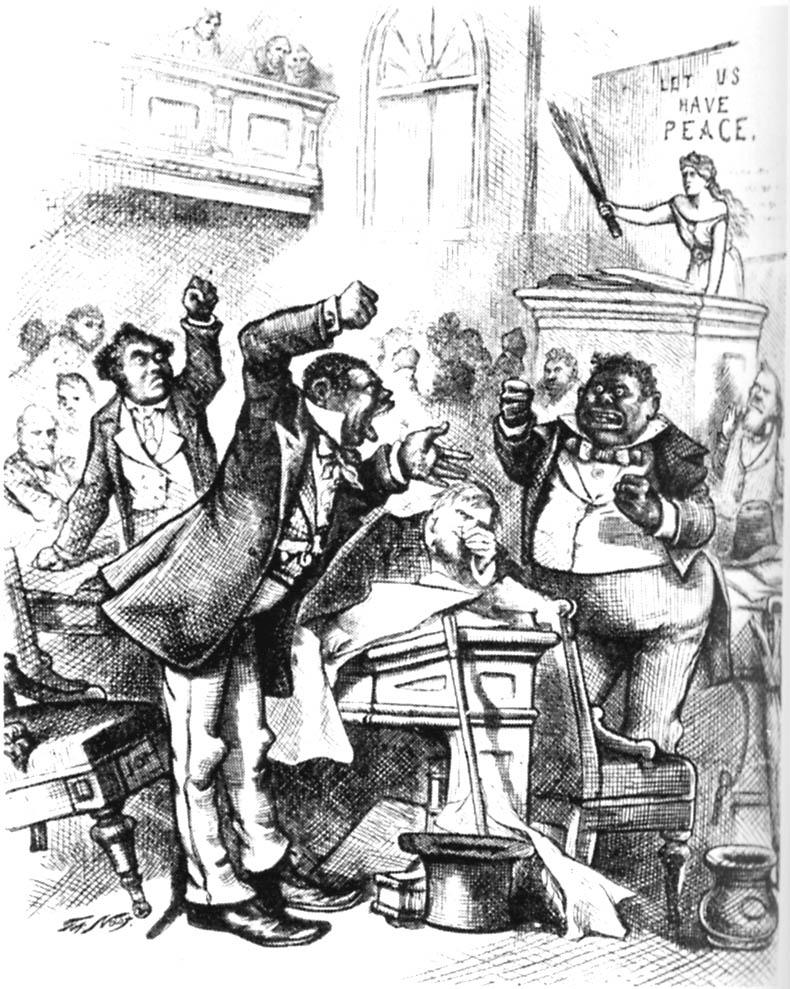
The first image, published at the end of the Civil War, portrays an African American veteran asand argues that African American men should have the
. The second image, published near the end of Reconstruction, portrays African American representatives as. Nast's changing views about African American people reflects growingReconstruction among white Americans.
effective legislators
right to vote
support for
opposition to
ability to enlist
heroic
cowardly
unable to govern
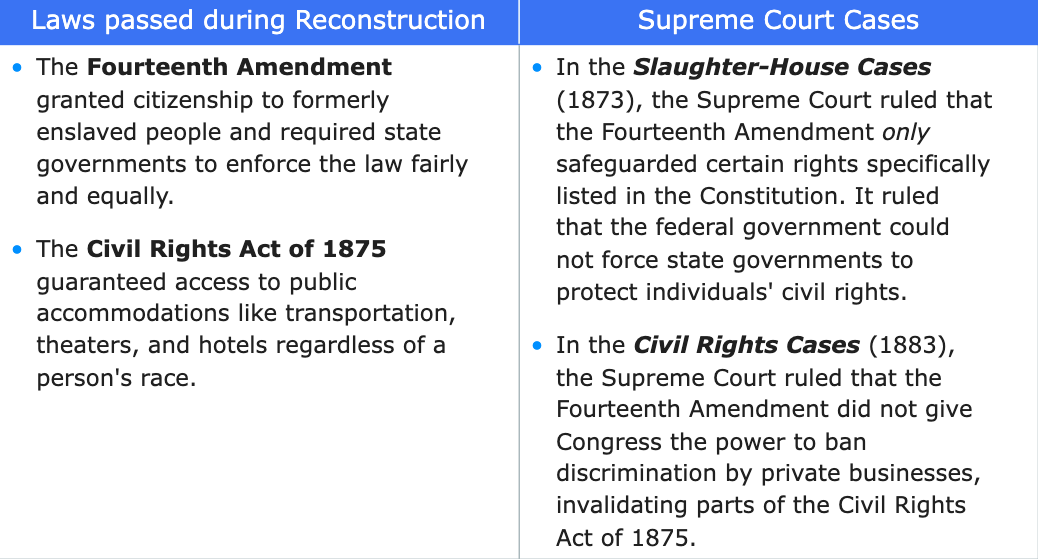
Based on the above information, what were the effects of these Supreme Court decisions?
The Fifteenth Amendment to the Constitution prevented states from limiting voting "on account of race, color, or previous condition of servitude." Many states, however, found ways to keep African American citizens from voting without explicitly mentioning race, a process called
disenfranchisement.
In 1890, Mississippi wrote a new constitution that disenfranchised most African American citizens. Over the next two decades, other Southern states also limited voting.
Match each restriction (above) with its impact on voting in the South during Jim Crow (left).
Poll taxes: Some states required every voter to pay a fee before voting. | Literacy tests: Many states passed laws that people could not register to vote unless they passed a test to show they could read a passage of text. | Grandfather clauses: Voters in Southern states whose ancestors had been registered to vote at the end of the Civil War were not required to take literacy tests, and sometimes they did not have to pay poll taxes. | |
|---|---|---|---|
Most formerly enslaved people had little to no income, so they could not pay even small fees and therefore could not vote. | |||
It had usually been illegal to teach enslaved people to read. So during Reconstruction, many African American people were not eligible because they could not vote. | |||
Many poor and illiterate white voters who might have been disenfranchised by poll taxes or literacy tests were allowed to vote. |
In 1890, Louisiana passed the Separate Train Car Act, which required train companies to provide separate cars with equal facilities for Black and white passengers. Homer Plessy, a mixed-race Black man, challenged the law by boarding a whites-only car in New Orleans. Plessy was arrested but challenged the law in court. His lawyers claimed that the law violated the Fourteenth Amendment, which prevented the states from depriving anyone of equal protection of the laws.
The Supreme Court reviewed the case and decided that the Louisiana Separate Train Car Act was constitutional. The Constitution, the Court argued, protected legal and political equality between races, but it did not require states to protect or enforce social equality. As the Court wrote, "If one race be inferior to the other socially, the Constitution of the United States cannot put them upon the same plane." In other words, if African American people felt that they were treated as inferiors by being forced to use separate facilities, the government was not legally obligated to do anything about it.
Which of the following is the most likely effect of the Plessy v. Ferguson decision?
Who was Homer Plessy?
Homer Plessy was a shoemaker and social activist who lived in Louisiana. He described himself as seven-eighths white, and so he could pass in social situations as a white person. New Orleans had a large population of Black residents who were successful in business, sometimes attended interracial schools, and could be considered social equals to white people. When Louisiana passed the Separate Train Car Act in 1890, which mandated "separate but equal" train cars for white and Black riders, it was a great step backward for the state's Black population. Plessy was recruited by a civil rights group in New Orleans to challenge the Separate Train Car Act. In June 1892, he intentionally boarded a whites-only train car leaving New Orleans and was asked by the conductor to move to the "colored" train car. When Plessy refused to move, he was arrested and taken off of the train. A local court and the Louisiana Supreme Court both confirmed the constitutionality of the Separate Train Car Act, so Plessy appealed the case to the U.S. Supreme Court.
The Plessy v. Ferguson Supreme Court decision in 1896 upheld segregation laws, legally permitting racial separation in public and private spaces. This ruling allowed state and local governments to expand Jim Crow laws, which regulated numerous aspects of daily life. Match each law (left) with its effect on the lives of African American residents (right).
| Draggable item | arrow_right_alt | Corresponding Item |
|---|---|---|
Florida: "The schools for white children and the schools for negro children shall be conducted separately." | arrow_right_alt | African Americans were prevented from living in the best neighborhoods, which were reserved for white residents only. |
Maryland: "All marriages between a white person and a negro, or between a white person and a person of negro descent, to the third generation, inclusive . . . are forever prohibited, and shall be void." | arrow_right_alt | African American schools received less funding than white schools, and they had inferior classrooms and class materials. |
Alabama: "All passenger stations in this state operated by any motor transportation company shall have separate waiting rooms or space and separate ticket windows for the white and colored races." | arrow_right_alt | Interracial relationships happened in secret under threat of violence and legal punishment. |
Alabama: "Every employer of white or negro males shall provide for such white or negro males reasonably accessible and separate toilet facilities." | arrow_right_alt | African American travelers were forced to use separate, often inferior, waiting rooms in bus and train stations. |
Louisiana: "Any person . . . who shall rent any part of any such building to a negro person or a negro family when such building is already in whole or in part in occupancy by a white person or white family shall be guilty of a [crime]." | arrow_right_alt | African American employees were forced to use separate bathrooms, which were usually older and not kept clean. |
Sharecropping emerged as a system that seemed to address the needs of both formerly enslaved people and landowners after emancipation. Landowners, many of whom were former slaveholders, provided tools, work animals, food, and housing, while sharecroppers worked a plot of land and grew crops. At harvest, sharecroppers kept half of the profits.
Many formerly enslaved people hoped sharecropping would give them economic security and independence, and that they would eventually be able to earn enough money to buy their own land. In fact, the system trapped sharecroppers in a cycle of debt, making it nearly impossible for them to escape poverty.
Describe the sharecropper's cycle of debt by putting the following items in order.
The sharecropper borrows food, seed, and tools from the landowner.
The landowner deducts the cost of supplies, plus interest, from the sharecropper's share of the profits after the harvest.
The sharecropper grows and harvests crops, but the landowner decides where to sell them.
A sharecropper signs a contract with a landowner to grow crops on a piece of land in exchange for half of the profits from the harvest.
The sharecropper ends the year in debt to the landowner and is forced to sign a new contract for the following year.
African American people must always use titles of respect, such as "sir" or "ma'am," when speaking to white people, but white people can refer to Black adults by their first names.
Black and white diners should not eat together. If they do, white people should be served first and a divider should be placed between the two groups.
An African American man should not offer to shake hands with a white person.
African American men should never speak to white women, especially in public.
Black workers, such as housekeepers and nannies, in the house of a white employer must enter by the back door.
Black people in a relationship should not kiss, hold hands, or show affection in public.
Which of the following describes the effects of Jim Crow "etiquette" rules?
White people enforced political, social, and economic oppression during Jim Crow by using violence. One of the worst types of violence was lynching, which was the torture and killing of a person by vigilantes, or people who appoint themselves as enforcers. Any African American person who was accused of violating the laws or customs of Jim Crow could be lynched, even if the accused person had not done anything wrong. Read the account of a lynching below, then answer the question below.
Hundreds of [cameras] clicked all morning at the scene of the lynching. People in automobiles and carriages came from miles around to view the corpse . . . Picture card photographers installed a portable printing plant at the bridge and reaped a harvest in selling postcards showing a photograph of the lynched Negro. Women and children were there by the score. At a number of country schools, the day's routine was delayed until boy and girl pupils could get back from viewing the lynched man.
Which of the following conclusions are supported by the passage? Select TWO.
How common was the practice of lynching?
There were about 5,000 lynchings during the Jim Crow era, and about 75% of the victims were Black. White people could be lynched for assisting or defending African American people, and Latino, Asian, and other nonwhite people were also lynched. Local officials, including law enforcement, sometimes participated in lynchings or ignored mob violence when it occurred.
Our country's national crime is lynching. It is not the creature of an hour, the sudden outburst of uncontrolled fury, or the unspeakable brutality of an insane mob. It represents the cool, calculating deliberation of intelligent people who openly avow that there is an "unwritten law" that justifies them in putting human beings to death without complaint under oath, without trial by jury, without opportunity to make defense, and without right of appeal . . .
The result is that many men have been put to death whose innocence was afterward established; and to-day, under this reign of the "unwritten law," no colored man, no matter what his reputation, is safe from lynching if a white woman, no matter what her standing or motive, cares to charge him with insult or assault . . .
Instead of lynchings being caused by assaults upon women, the statistics show that not one-third of the victims of lynchings are even charged with such crimes . . . Quite a number of the one-third alleged cases of assault that have been personally investigated by the writer have shown that there was no foundation in fact for the charges; yet the claim is not made that there were no real culprits among them . . . the negro resents and utterly repudiates the effort to blacken his good name by asserting that assaults upon women are peculiar to his race.
Which of the following correctly describes Wells-Barnett's argument in the passage? Select
TWO.
Wilmington, North Carolina (1898): White politicians used voter suppression and violence to overthrow an interracial government, killing at least nine African American citizens, destroying Black institutions, and seizing property.
New York City (1900): After a Black man stabbed an undercover policeman while defending his girlfriend, hundreds of white men, joined by the police, beat up or arrested dozens of African American people in one neighborhood.
Atlanta, Georgia (1906): Incited by racist propaganda and political rivalry, a mob attacked Black residents and businesses; hundreds were injured before the state militia intervened.
Springfield, Illinois (1908): A white mob, enraged when they were stopped from lynching some Black prisoners, instead destroyed homes and businesses in Black neighborhoods and killed several prominent Black men.
Which of the following is true of the race massacres during Jim Crow? Select
TWO.
After a race massacre in Springfield, Illinois, in 1908, a group of white and Black activists formed an organization to fight racial discrimination and violence across the country. The National Negro Committee, which was later renamed the National Association for the Advancement of Colored People, or NAACP, challenged Jim Crow laws through the court system and by using public demonstrations.
The table below describes the goals of the NAACP, taken from the group's founding platform. To address these goals, the NAACP filed lawsuits that forced the Supreme Court to reconsider Jim Crow laws. Match each court case (left) to the corresponding NAACP platform statement (right)
| Draggable item | arrow_right_alt | Corresponding Item |
|---|---|---|
"That the Constitution be strictly enforced and the civil rights guaranteed under the Fourteenth Amendment be secured impartially to all." | arrow_right_alt | Brown v. Board of Education found that segregated schools were inherently unequal, in part because Black schools received far less funding than white schools. |
"That there be equal educational opportunities for all and in all the States, and that public school expenditure be the same for the Negro and the white child." | arrow_right_alt | Guinn v. United States decided that Oklahoma's grandfather clause, which exempted most white voters from a required literacy test, was unconstitutional because it discriminated against Black voters. |
"That in accordance with the Fifteenth Amendment the right of the Negro to the ballot on the same terms as other citizens be recognized in every part of the country." | arrow_right_alt | Buchanan v. Warley struck down a law in Louisville, Kentucky, that prevented African American inhabitants from living in white neighborhoods because it violated the Black residents' civil rights. |
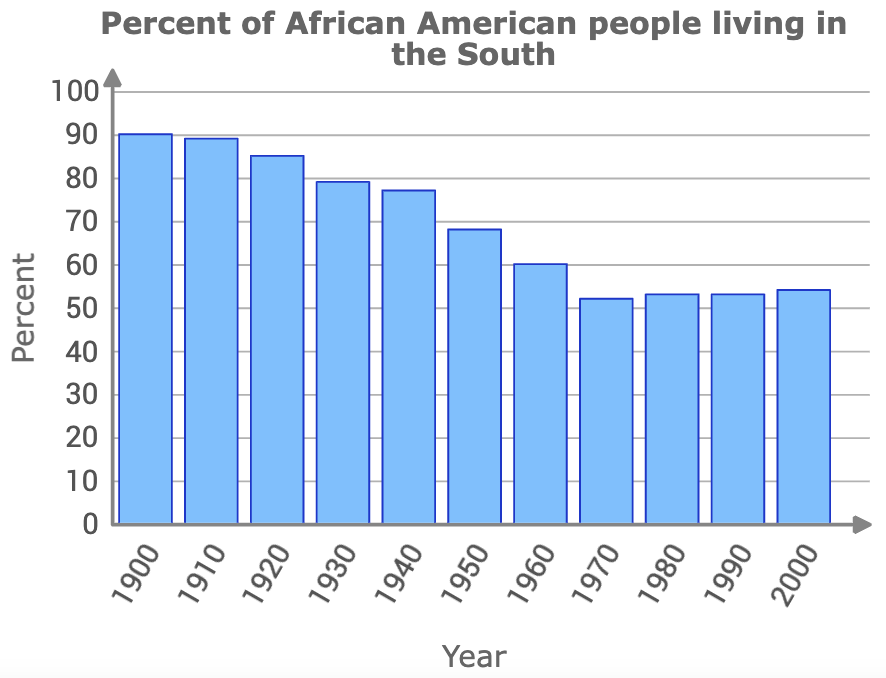
The graph shows that of African American people lived in the South in the year 1900. As the oppression of Jim Crow became more severe, many moved away from the region. Some businesses in the North and West were willing to hire Black workers, so African American people moved to cities. Other Black Southerners created new communities in the West. As a result, only of African American people lived in the South by the year 1970.
90%
85%
79%
60%
52%
77%
Where did African American migrants from the South settle?
During the harshest years of Jim Crow, many African American Southerners fled their homes seeking freedom and opportunity. In the 1870s, about 300 settlers led by a man named Benjamin "Pap" Singleton moved from Tennessee to Kansas, calling themselves "Exodusters" after the biblical Exodus. Eventually, around 60,000 African Americans migrated westward, with 40,000 settling in Kansas.
Other migrants joined the Back-to-Africa Movement, which began in the 1820s when the American Colonization Society (ACS) founded Liberia for freed slaves. Around 13,000 African American people moved to Africa before the Civil War. During the Jim Crow era, however, limited funding and transportation meant that only a few thousand more made the journey. By the time the ACS closed in 1910, it had resettled about 20,000 people.
Between 1915 and 1970, during the Great Migration, millions of African American migrants moved to Northern and Western cities to escape Jim Crow and seek industrial jobs. Though racism and segregation persisted, many found conditions improved compared to the South.