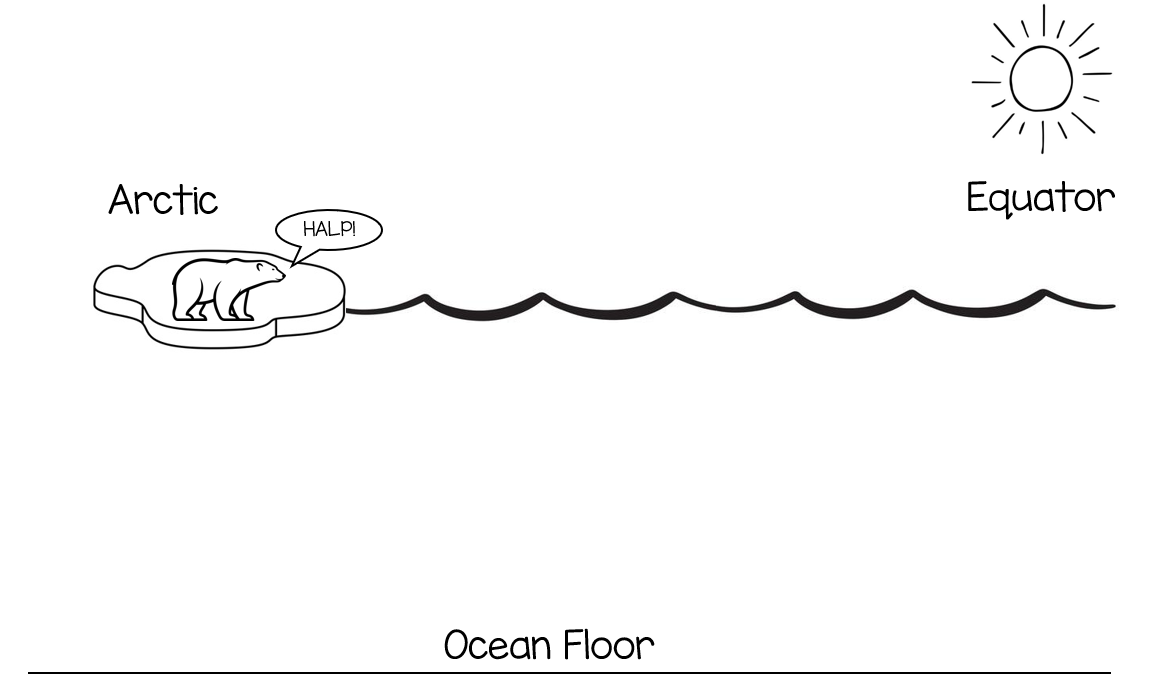
We know why seawater would be colder near the poles, but...
Compare what is happening to freezing pure (fresh) water versus salt (sea) water in this particle diagram:
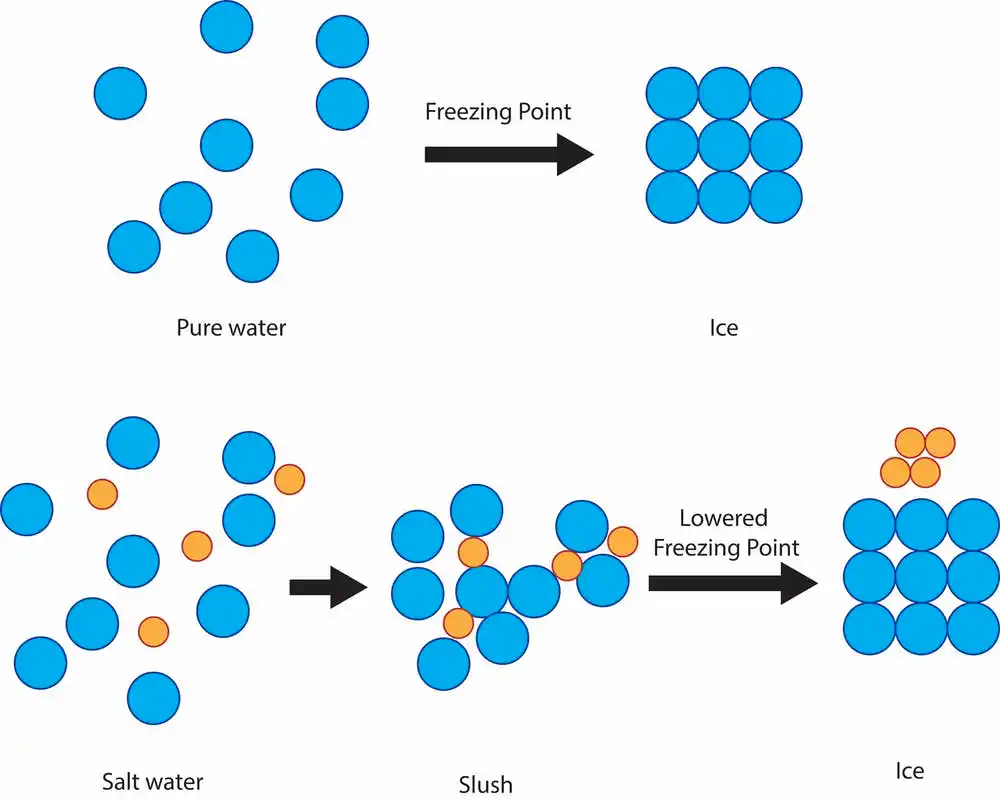
When seawater freezes, what happens to the salt particles?
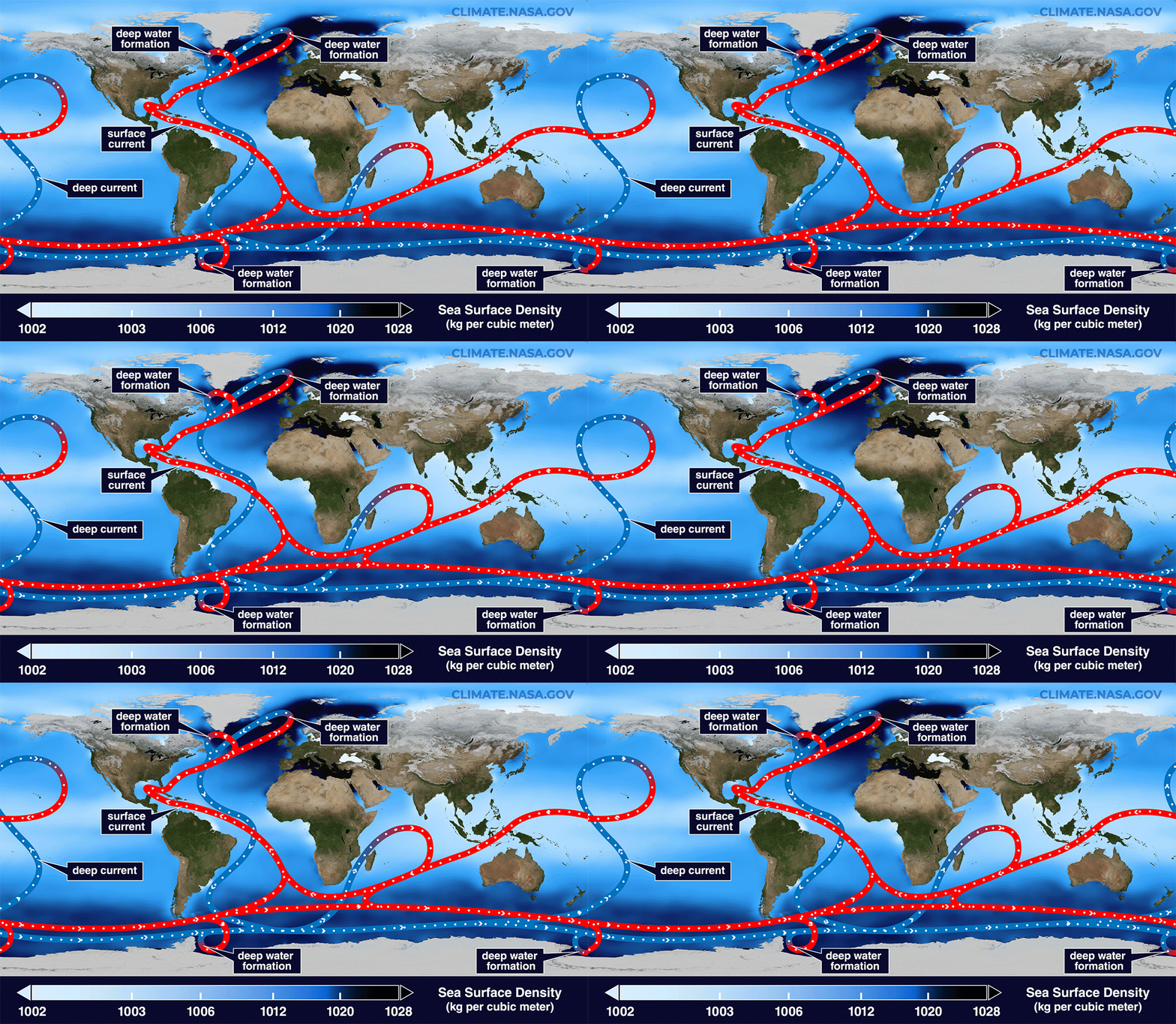
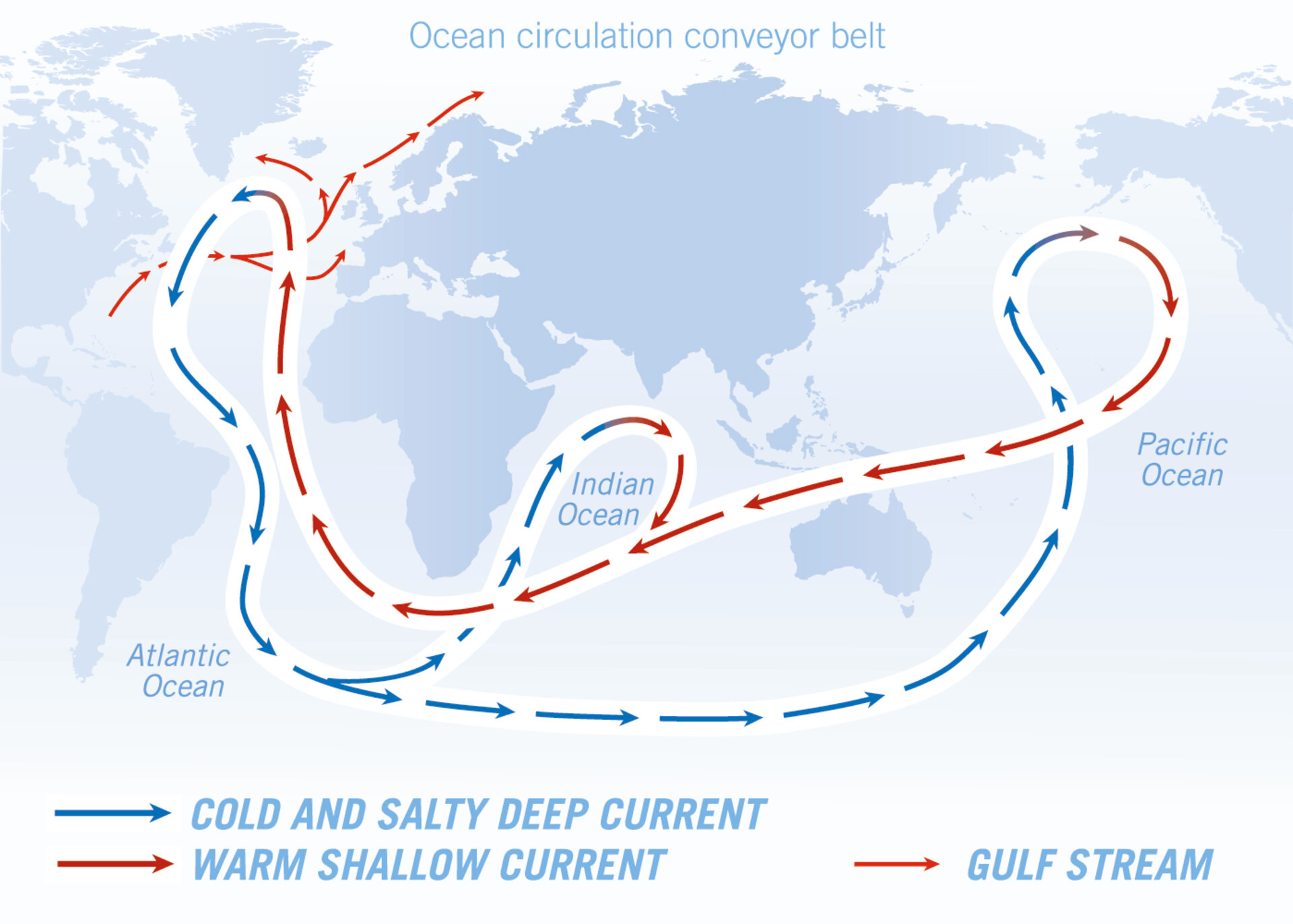
The combination of cold temperatures and extra salt powers the Great Ocean Conveyor Belt, a massive, slow-moving, interconnected system of ocean currents that circulates water, nutrients, and heat around the entire globe.
This is also known as thermohaline circulation. Thermo = heat, haline = salt

Select the areas of upwelling (where deep ocean water rises to the surface)

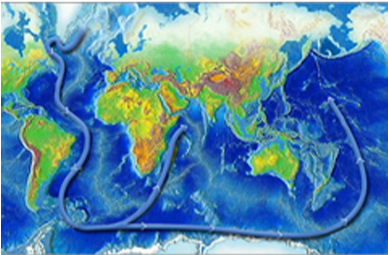
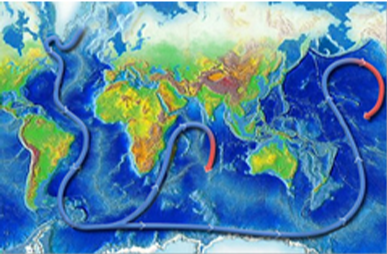
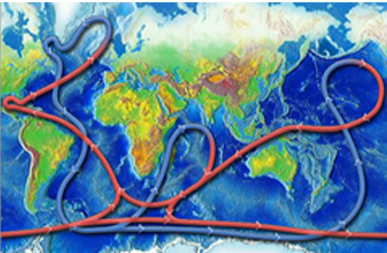
Now that we have traveled through the Global Ocean Conveyor Belt, let's summarize the major parts by matching the description to the appropriate image.
| Draggable item | arrow_right_alt | Corresponding Item |
|---|---|---|
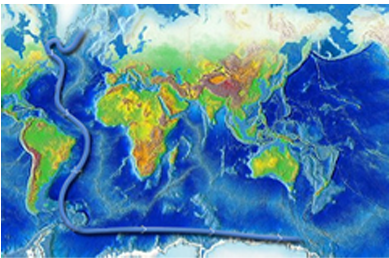
The current is "recharged" as it travels along the coast of Antarctica and picks up more cold, salty, dense water. | arrow_right_alt |
|
The now-warmed surface waters continue circulating around the globe. They eventually return to the North Atlantic where the cycle begins again. | arrow_right_alt |
|
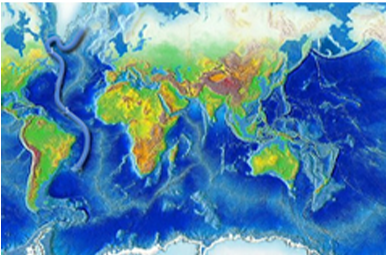
Cold, salty, dense water sinks at the Earth's northern polar region and heads south along the western Atlantic basin. | arrow_right_alt |
|
The main current splits into two sections, one traveling northward into the Indian Ocean, while the other heads up into the western Pacific. | arrow_right_alt |
|
The two branches of the current warm and rise as they travel northward, then loop back around southward and westward. | arrow_right_alt |
|
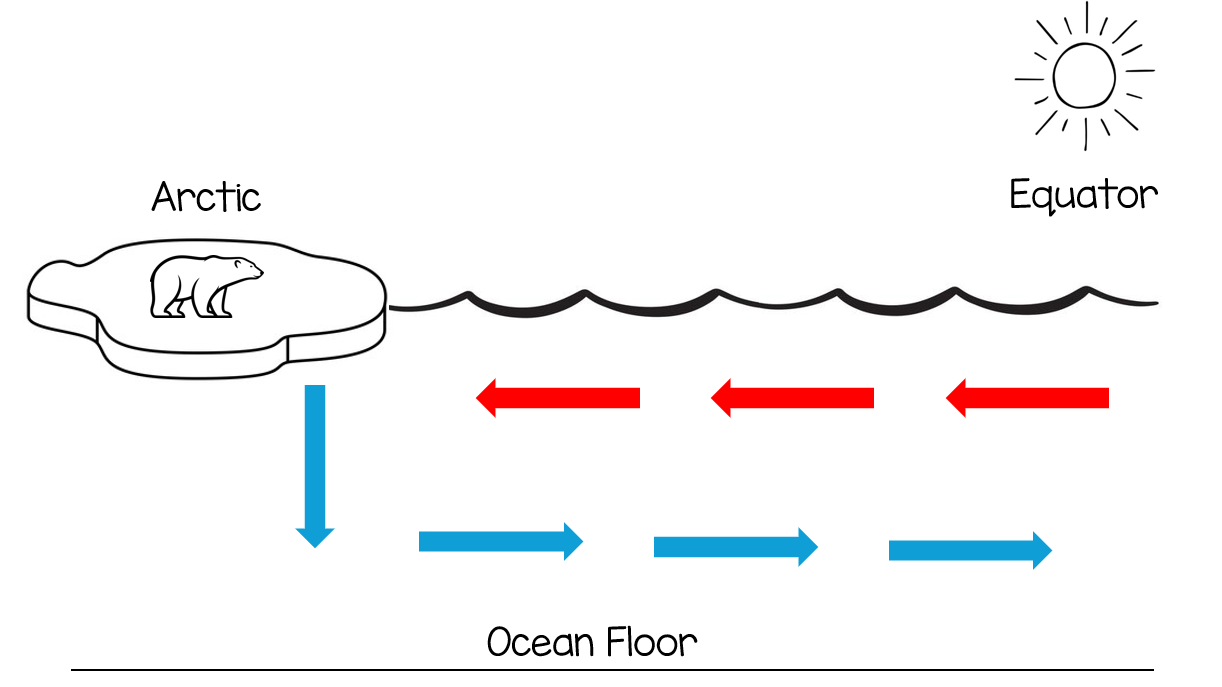
Below is a model of the Northern Atlantic Ocean.
Identify the location where water becomes very dense due to low temperature and high salt concentration.


The model represents that deep ocean circulation would because the additional fresh water density near the Arctic.
Reflect on your understanding of the learning objectives:
Analyze the relationship between corals and algae and the impact coral bleaching has on biodiversity | |
|---|---|
Predict how increased acidity in the oceans affects corals and shellfish |
Reflect on your mastery of the success criteria:
Explain how corals and algae help each other and identify the effects of corals losing their algae | |
|---|---|
Explain the effect of lower pH on coral skeletons and shellfish |
Blue food coloring was added so we can see how the water molecules are moving.
Which way does the water move when it is cooled by the ice?
Which way does the water move when it runs into the end of the tank by the heat lamp?
hat two physical properties of seawater determine whether it rises or sinks?
Why does melting polar ice risk stopping the global ocean conveyor belt?
Which of the following global outcomes does the video suggest could happen if ocean currents shut down while global temperatures keep rising?
How would the model change if higher temperatures caused sea ice to melt and the additional fresh water decreased the density of water near the Arctic?
Red arrows represent warm water.
Blue arrows represent cold water.
Large arrows represent fairly quick movement.
Small arrows represent slower movement.
You will use some arrows more than once.