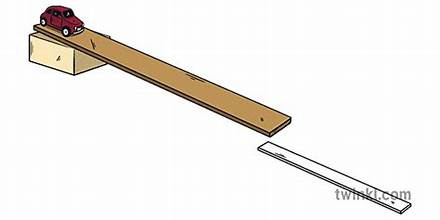
Toy Car Rolling Down Ramps of Different Heights
Phenomenon
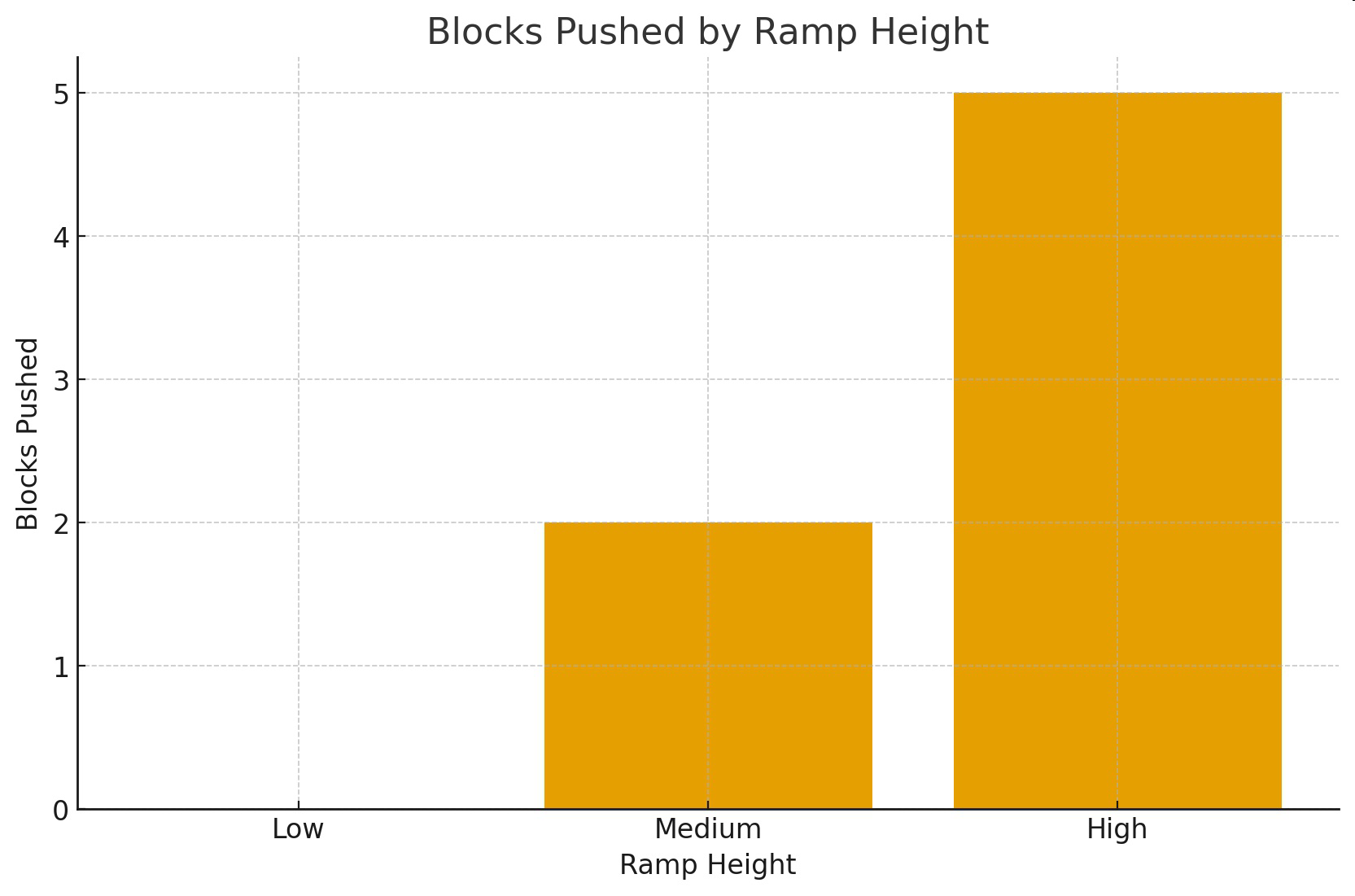
Students release a toy car from three ramp heights: low, medium, and high. When the car starts from a low height, it rolls slowly and doesn’t push many objects. When released from a higher point, it moves much faster at the bottom and can push more blocks out of the way. Students wonder: Does a faster-moving car have more energy?
A toy car on a ramp is a great way to explore how speed and energy are connected. When the car is placed at the top of a ramp, it has stored energy because of its height. As the car rolls down, this stored energy changes into motion energy. The higher the starting point, the more stored energy the car has. This extra energy makes the car move faster at the bottom of the ramp.
A car released from a low height has only a little stored energy, so it doesn’t speed up very much. It rolls forward slowly and usually can’t push many objects. But when the car starts from a medium or high point, it has more stored energy to turn into motion. This makes the car move faster, helping it travel farther and push more blocks when it reaches the bottom.
Scientists use measurement to find patterns like this. By changing the ramp height and measuring the car’s speed, distance traveled, and how many blocks it can push, students can see how energy increases with speed. When an object moves faster, it has more energy to cause changes around it.
Diagram 1.
Source:
https://www.twinkl.es/
Table 1.
Ramp Height | Speed (m/s) | Distance Traveled (m) | Blocks Pushed |
|---|
Low | 1.5 | 4 | 0 |
Medium | 3 | 10 | 2 |
High | 4.5 | 18 | 5 |
Graph of Information - Figure 1.
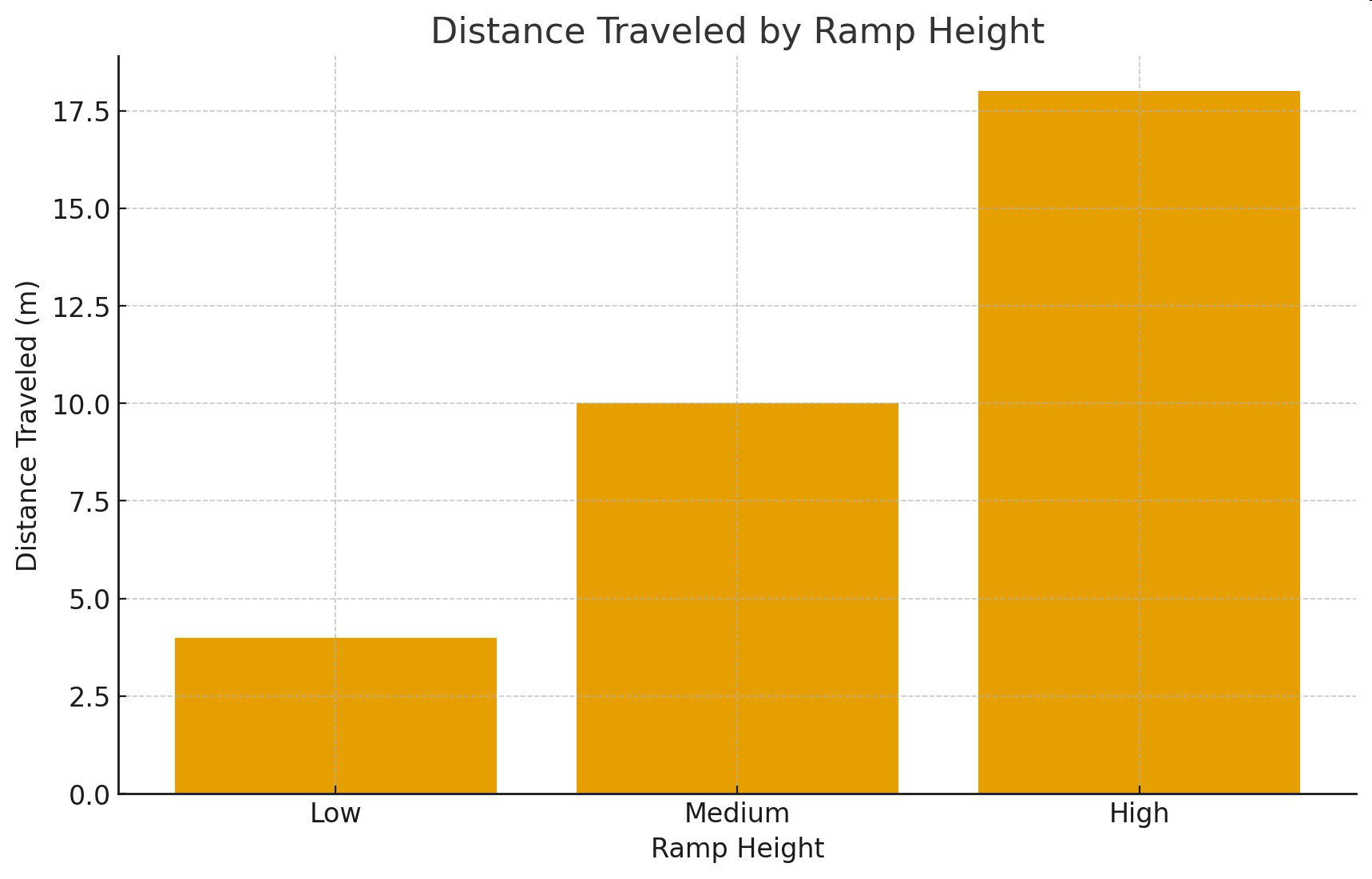
Graph of Information - Figure 2.