Static Electricity: Balloon Making Hair Stand Up
Real-Life Phenomenon
When a balloon is rubbed on someone’s hair, the hair stands up and reaches toward the balloon without being touched. The more the balloon is rubbed, the stronger the effect appears.
Static electricity happens when electric charges build up on an object. When you rub a balloon on your hair, tiny particles called electrons move from your hair to the balloon. This gives the balloon a negative charge and leaves your hair more positively charged. Opposite charges attract, so your hair is pulled toward the balloon even when they are not touching.
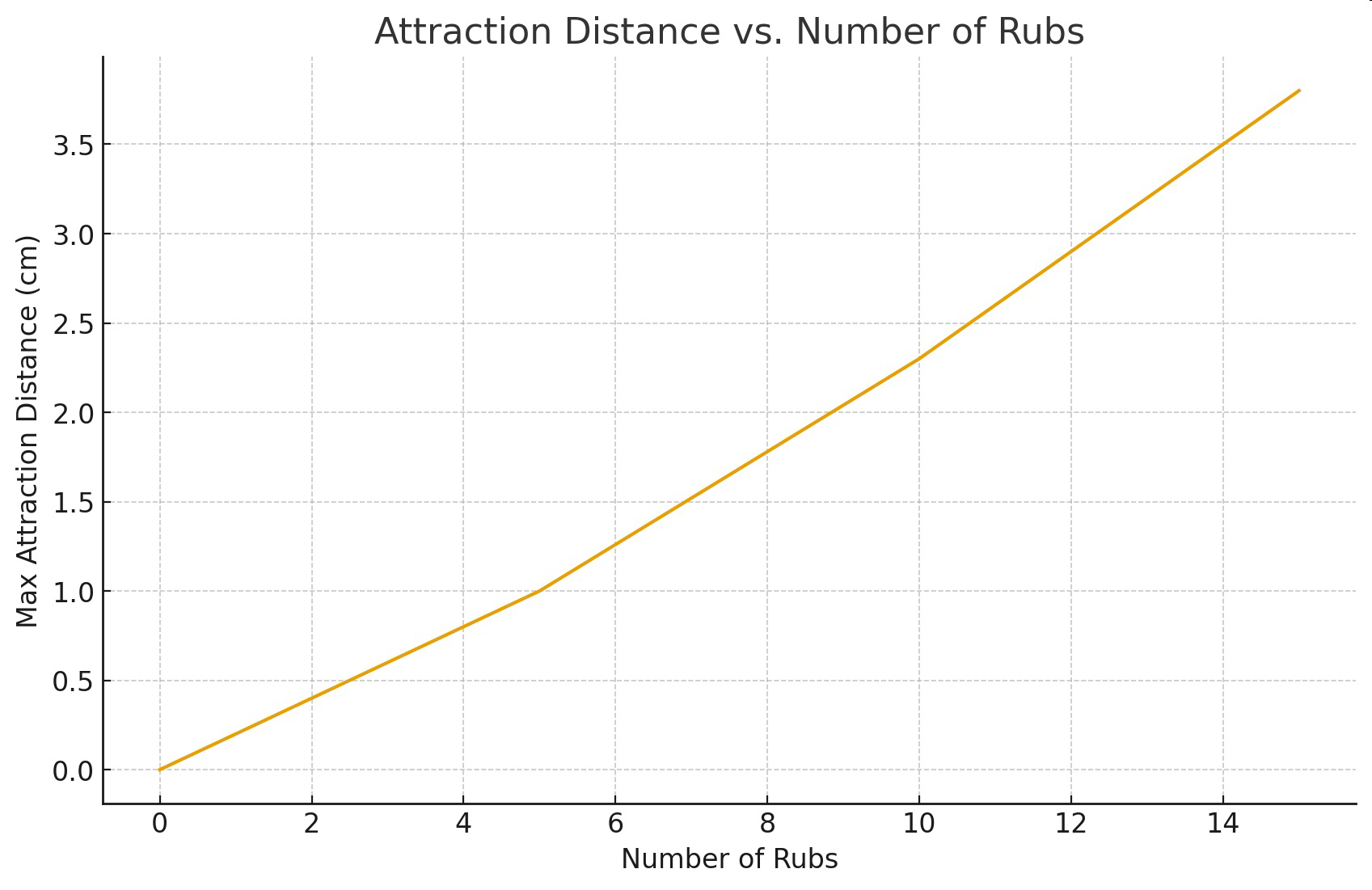
As you rub the balloon more times, more charge builds up. That means the force of attraction between the balloon and the hair becomes stronger. You can observe this by watching how high the hairs lift and how far away the balloon can be before the hair stops moving. Scientists call this a cause-and-effect relationship: the cause is rubbing the balloon (changing the amount of charge), and the effect is how much the hair moves.
This phenomenon helps us ask questions like: How does the number of rubs change how much the hair moves? Does all hair react the same way? What happens with different materials, like wool or plastic? By making careful observations and measurements, we can learn how electric forces act between objects that are not touching.
Diagram 1.
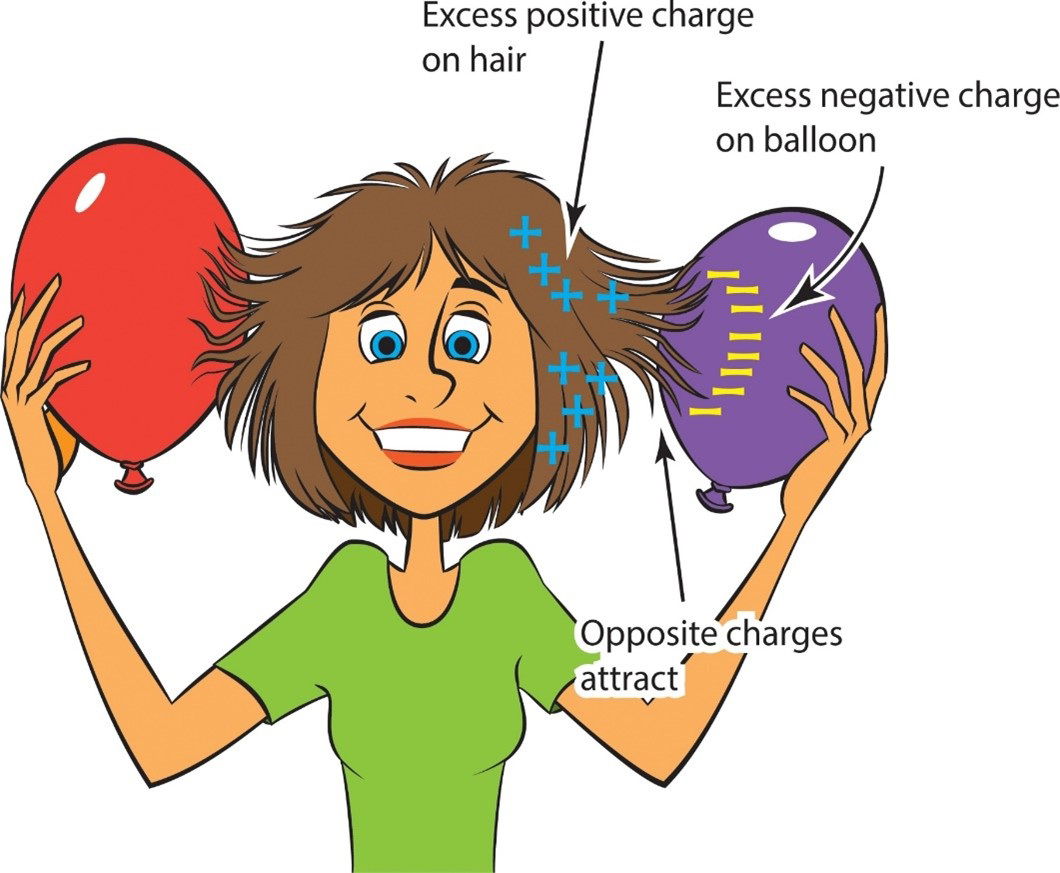
Source:
https://esti.my/stem-facts/hair
-raising-hijinks-understanding-static-electricity/
Table 1.
Rubs | Hair Lift Height (cm) | Number of Hairs Standing | Max Attraction Distance (cm) |
|---|
0 | 0 | 0 | 0 |
5 | 1.2 | 10 | 1 |
10 | 2.5 | 22 | 2.3 |
15 | 3.6 | 35 | 3.8 |
Graph of Information - Figure 1.
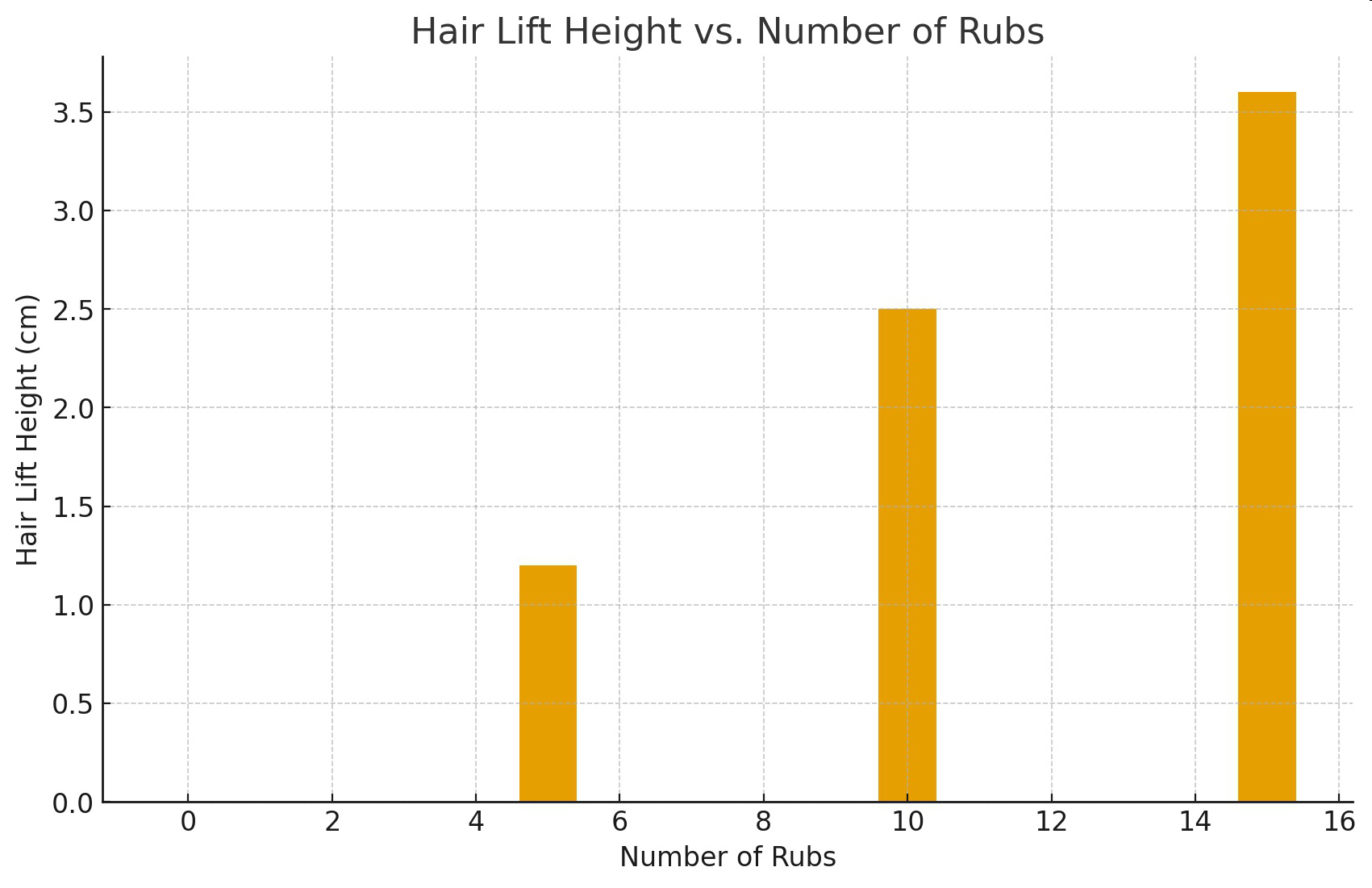
Graph of Information - Figure 2.