A Hawk Eating a Mouse That Ate Seeds
Phenomenon
Students observe a hawk soaring high above a field. It dives, catches a mouse, and flies away using powerful wingbeats. Earlier, students noticed the mouse nibbling on seeds from nearby plants.
Students ask:
How can the hawk get energy for flying from seeds it never ate?
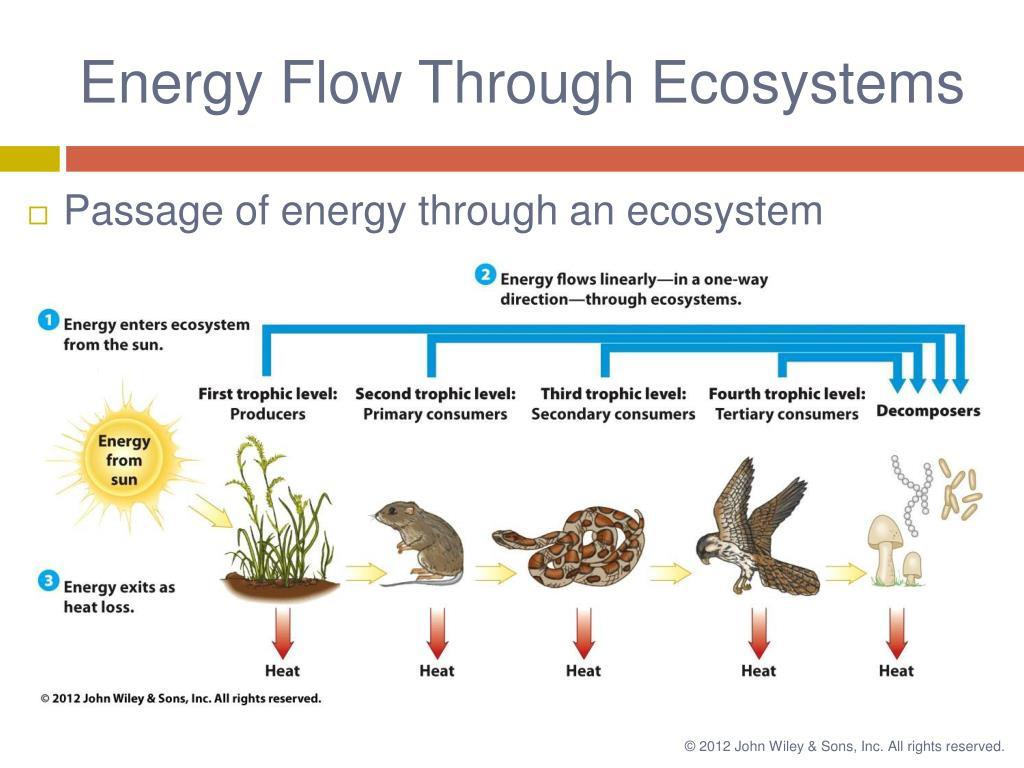
This investigation helps students see that energy flows from the Sun to plants to plant-eating animals to predators.
Animals need energy for movement, body warmth, growth, and repairing their bodies. Predators, like hawks, get this energy by eating other animals. But the mouse the hawk eats does not create energy by itself. The mouse gets its energy from food, such as seeds. Seeds come from plants, and plants get their energy from the Sun through photosynthesis. This means the energy in the hawk's body can be traced all the way back to sunlight.
A hawk uses a lot of energy to flap its wings, soar, hunt, and stay warm in cooler air high above the ground. Scientists can measure how much energy a hawk gets by looking at the energy stored in the mouse and how much of that energy the hawk uses during flight.
Even though the hawk never ate the seeds, the energy inside the mouse came from the plants, which got their energy from the Sun. This shows that all animals, even predators at the top of the food chain, depend on the Sun's energy.
Diagram 1.
 Source: https://www.slideserve.com/tana/ecosystems-and-energy
Table 1.
Amount of Seeds Eaten (g) | Energy in Seeds (kJ) |
|---|
5 | 80 |
8 | 128 |
10 | 160 |
Graph of Information - Figure 1.
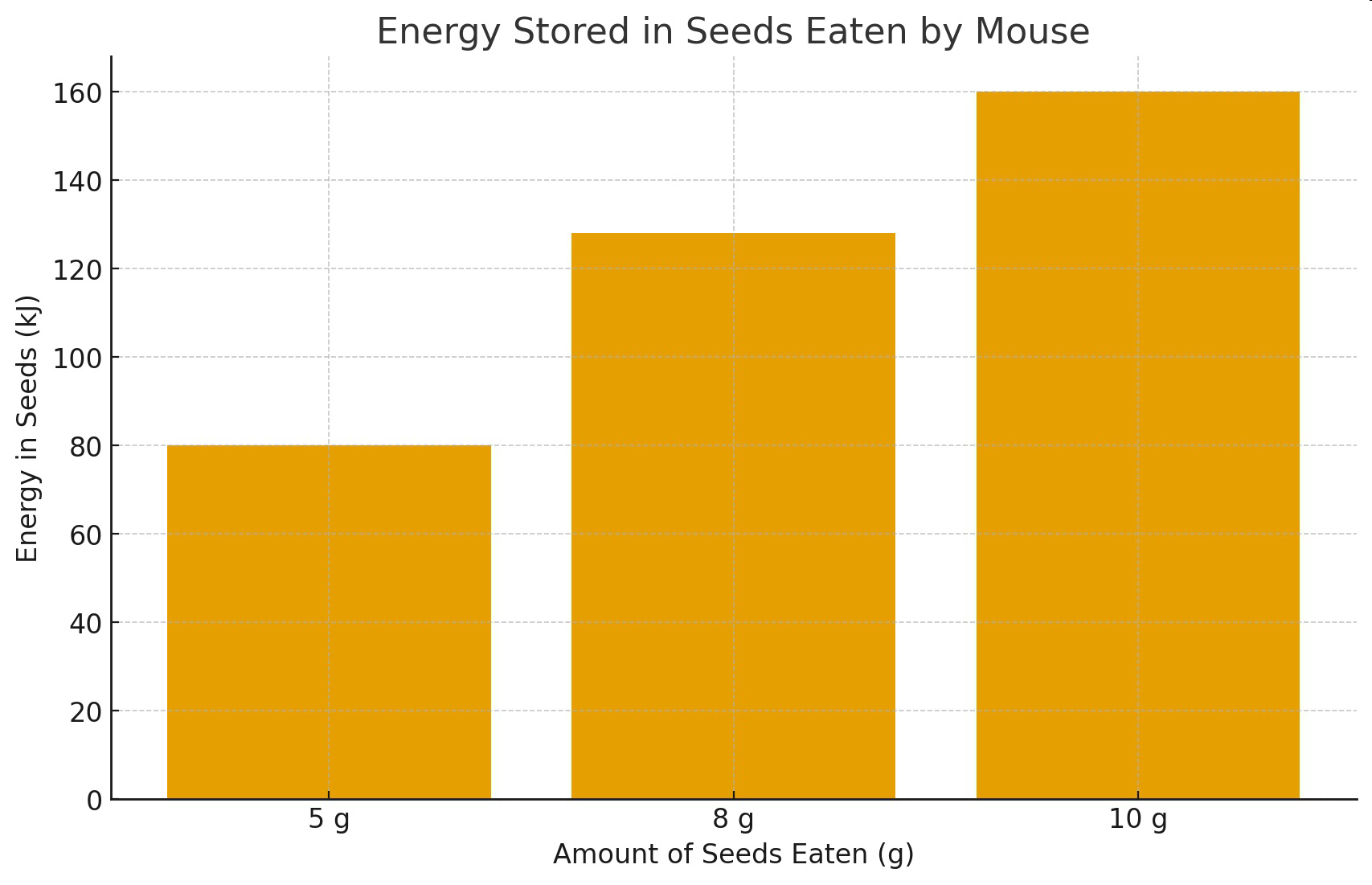
Table 2.
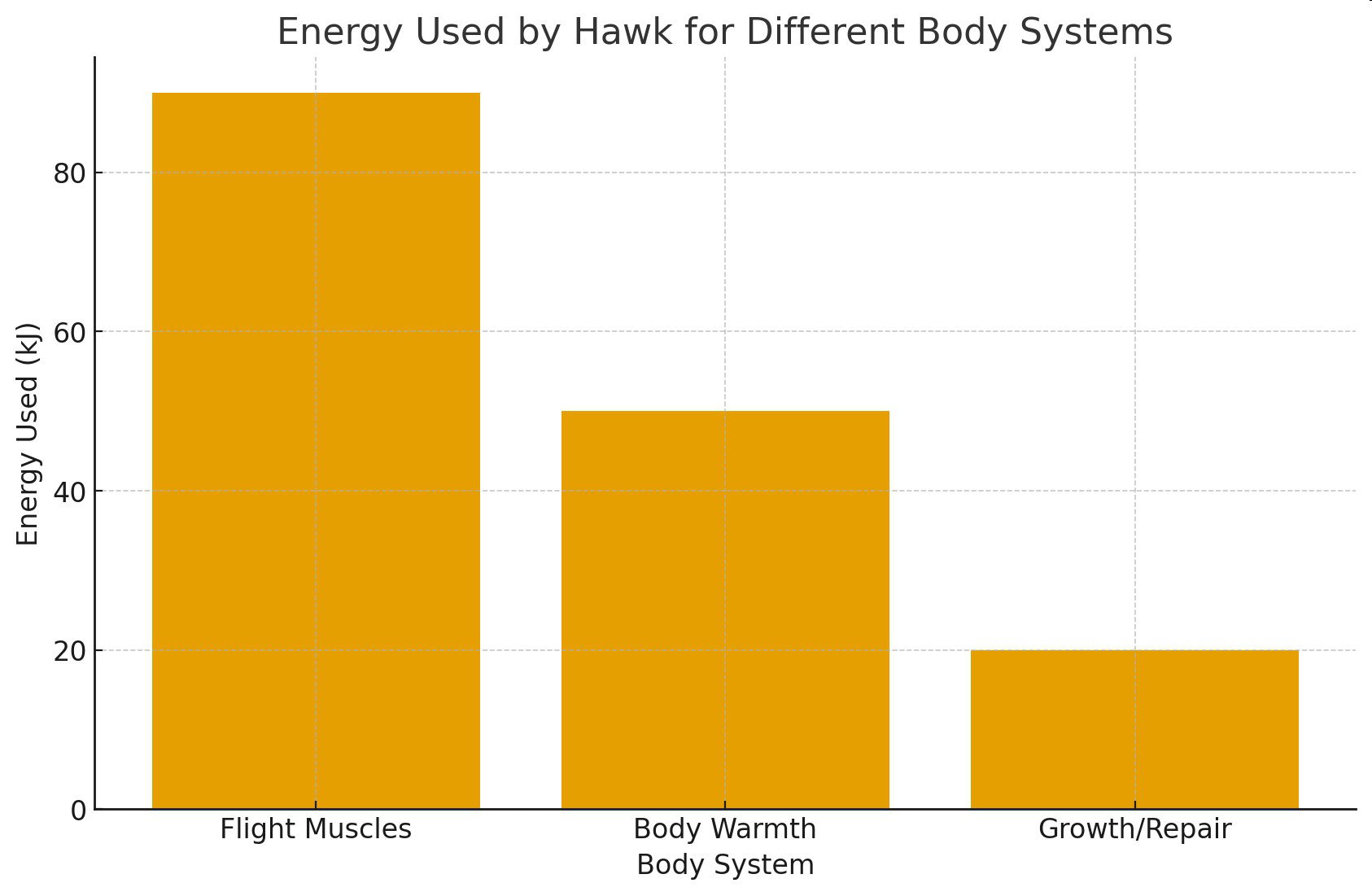
Body System Supported | Energy Hawk Uses (kJ) |
|---|
Flight Muscles | 90 |
Body Warmth | 50 |
Growth/Repair | 20 |
Graph of Information - Figure 2.