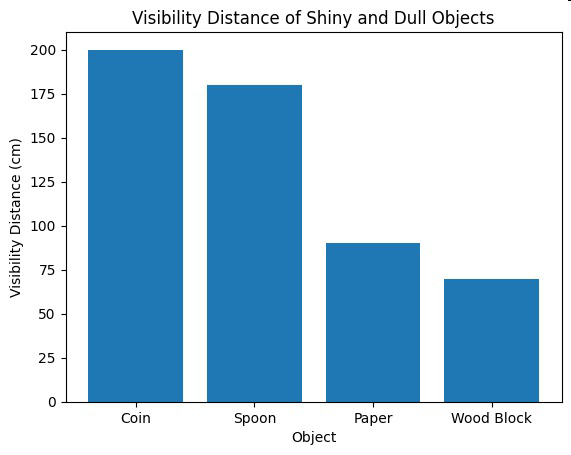
Shiny vs. Dull Objects in Low Light
Diagram 1.
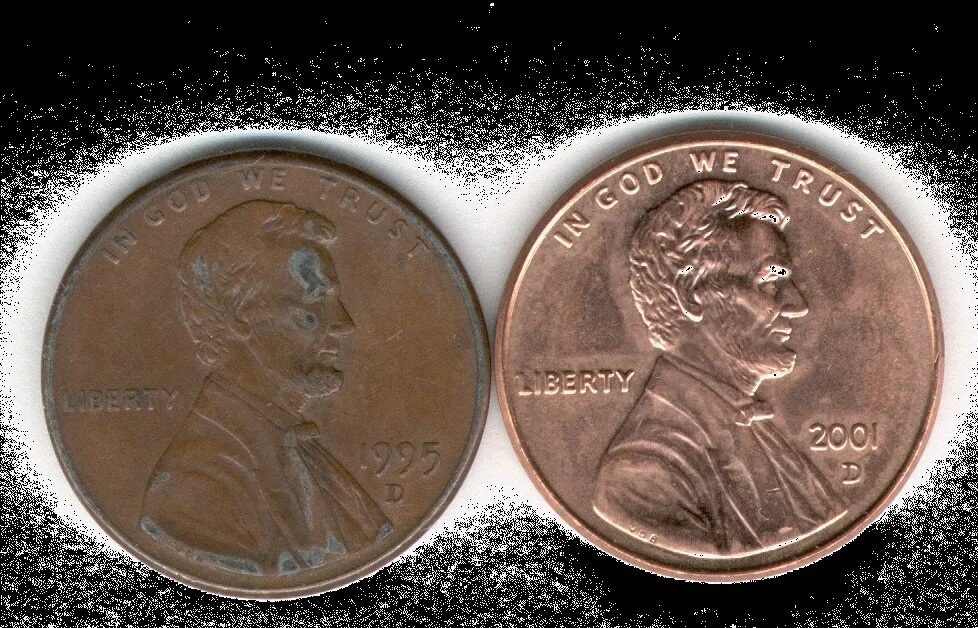
Source: https://www.sierranevadajourneys.org/snjblog/2020/03/17-why-do-pennies
Phenomenon
Students place several objects on a table in a dimly lit room. The objects include shiny items (like a metal spoon or aluminum foil) and dull items (like construction paper or a wooden block). A flashlight shines on the objects from the same distance each time.
Students notice:
Shiny objects look brighter and easier to see
Dull objects look dimmer and harder to see
Students ask:
Why are some objects easier to see than others when the same light shines on them?
We see objects when light reflects off them and enters our eyes. When light hits an object, some of the light reflects, and some may be absorbed by the object. The amount of reflected light affects how bright the object appears.
Shiny objects reflect more light. Their smooth surfaces cause light to bounce off in many directions, including toward our eyes. Because more reflected light reaches the eye, shiny objects appear brighter and easier to see.
Dull objects reflect less light. Their rough surfaces scatter and absorb more light, so less reflected light reaches the eye. This makes dull objects look dimmer, even when the same light shines on them.
In this investigation, students compare shiny and dull objects using the same flashlight and distance. By measuring brightness ratings, students can build a model that shows how the amount of reflected light affects visibility. This model helps explain why light reflection is necessary for seeing and why different materials can appear brighter or darker under the same light.
Table 1.
Object | Surface Type | Brightness Rating (1 to 5) | Visibility Distance (cm) |
|---|---|---|---|
Coin | Shiny | 5 | 200 |
Spoon | Shiny | 4 | 180 |
Paper | Dull | 2 | 90 |
Wood Block | Dull | 1 | 70 |
Graph of Information - Figure 1.
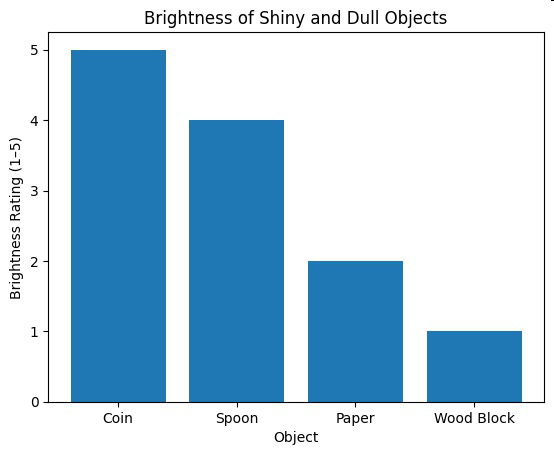
Graph of Information - Figure 2.