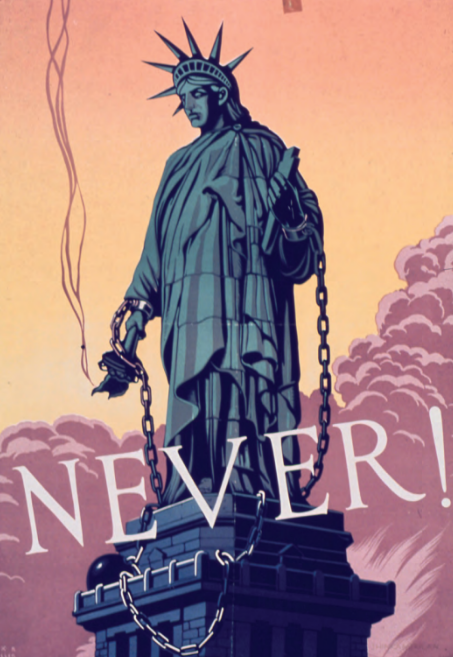
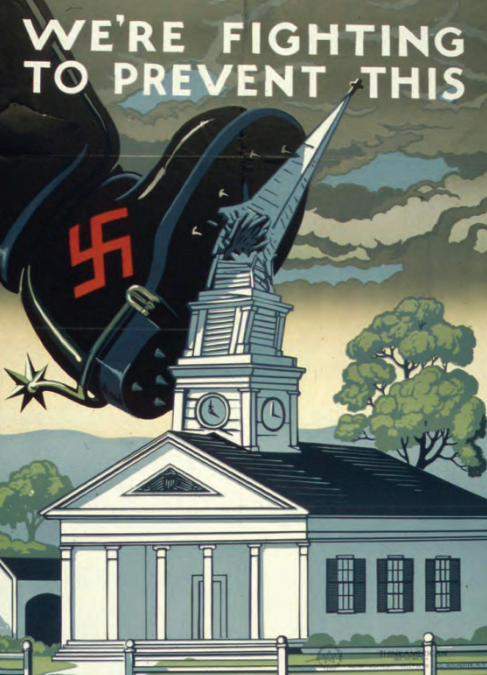
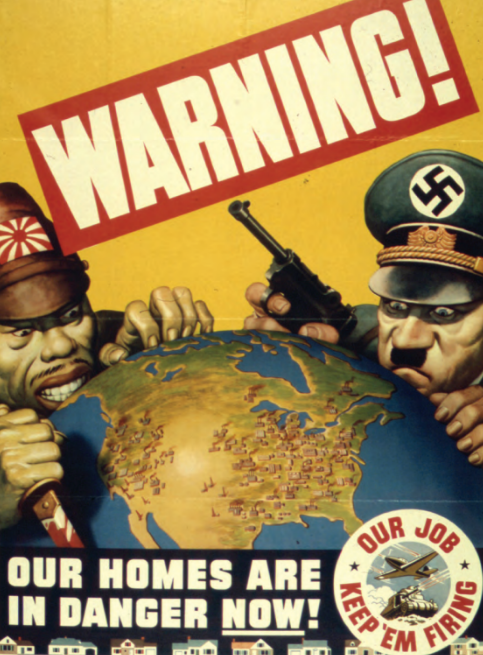
What message do these OWI posters primarily emphasize?
What message do these OWI posters primarily emphasize?
What were Joseph Stalin's goals and what steps did he take to achieve them?
How did Germany and Italy's involvement affect the outcome of the Spanish Civil War?
How were the German blitzkrieg tactics different from the trench warfare tactics used during World War I?
What factors lead to the rise of totalitarian governments in Europe? (pick 2)
What was a key similarity between Hitler's Nazi government and Stalin's Communist regime?
How effective was the League of Nations in dealing with aggression among nations in the 1930s?
What groups did Nazi's deem unfit to belong to the Aryan "master race?"
How did the United States respond to Jewish refugees after Kristallnacht?
Which of the following best describes the implementation of the "final solution?"
Which of the following laws demonstrated the isolationist attitudes of Congress?
Which of the following laws best demonstrates the interventionist attitude of FDR?
. . . In the present world situation of course there is absolutely no doubt in the mind of a very overwhelming number of Americans that the best immediate defense of the United States is the success of Great Britain in defending itself, and that, therefore, quite aside from our historic and current interest in the survival of democracy as a whole in the world, it is equally important from a selfish point of view of American defense that we should do everything to help the British Empire to defend itself. . . .
-President Franklin D. Roosevelt, Press Conference, December 17, 1940
What foreign policy goal does Franklin D. Roosevelt's statement illustrate?
What factors led Japan to attack Pearl Harbor?
Why did the United States enter World War II?
How did the US military reflect contemporary attitudes toward diversity in the military during WWII?
What message do these OWI posters primarily emphasize?
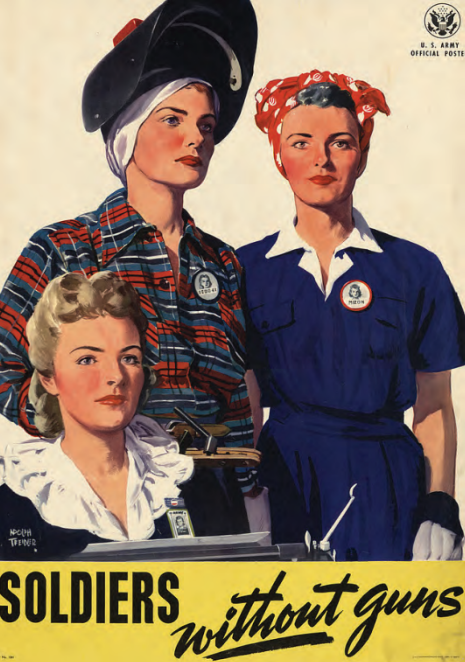
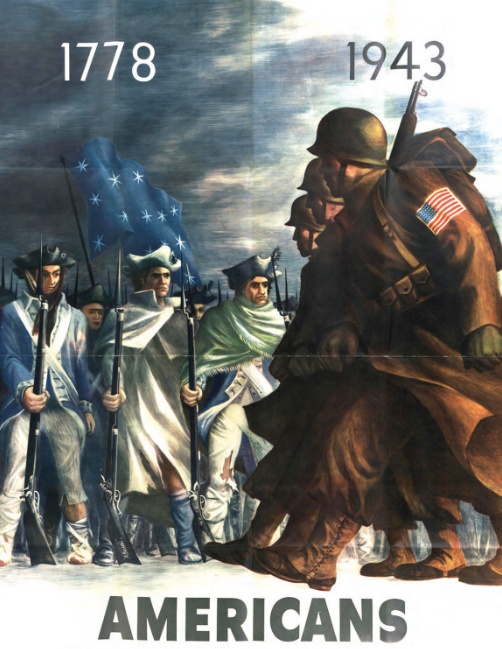
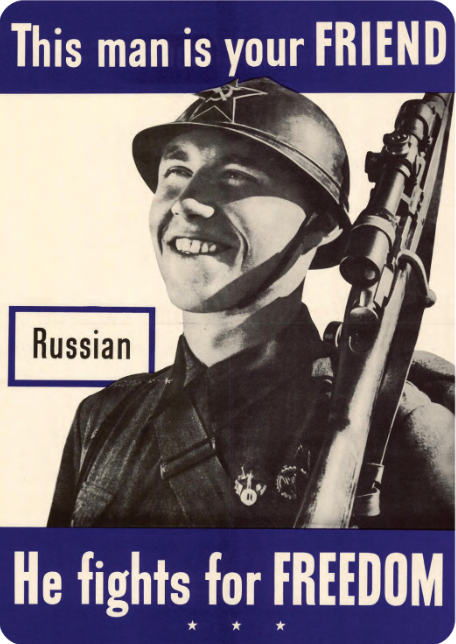
What message do these OWI posters emphasize?
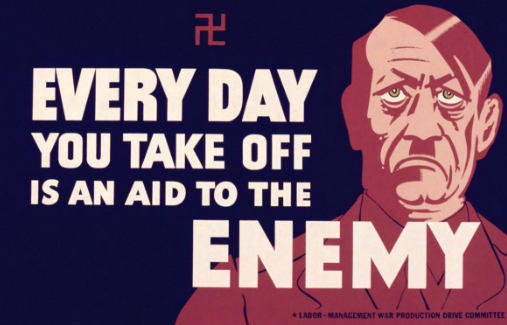
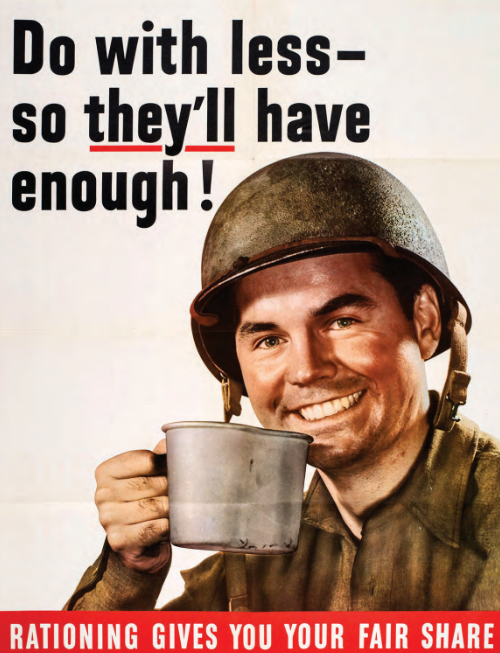
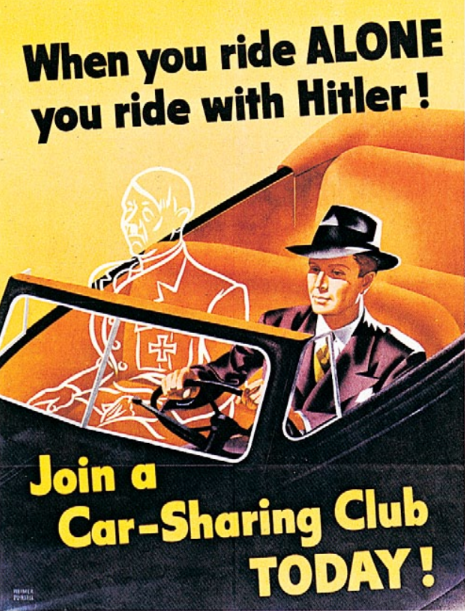
What message do these OWI posters primarily emphasize?
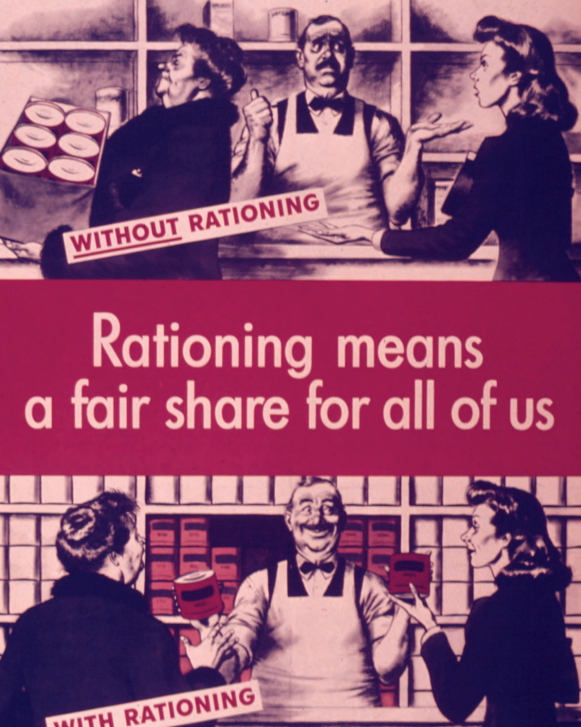
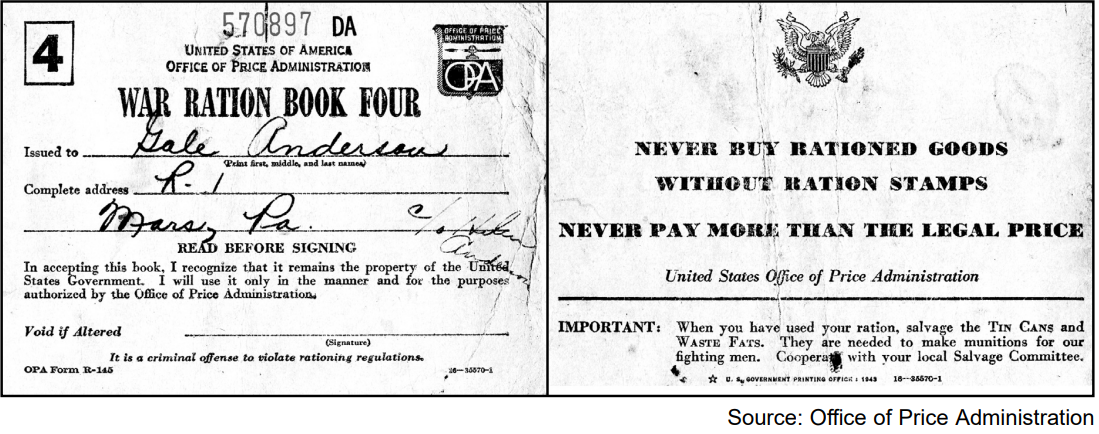
Why did the government establish a wartime rationing system?
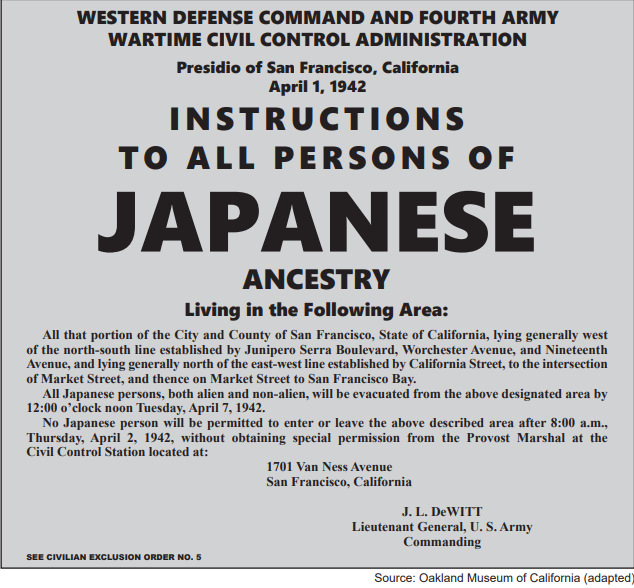
"... The military necessity which is essential to the validity of the evacuation order thus resolves
itself into a few intimations that certain individuals actively aided the enemy, from which it is inferred that the entire group of Japanese Americans could not be trusted to be or remain loyal to the United States. No one denies, of course, that there were some disloyal persons of Japanese descent on the Pacific Coast who did all in their power to aid their ancestral land. Similar disloyal activities have been engaged in by many persons of German, Italian and even more pioneer stock in our country. But to infer that examples of individual disloyalty prove group disloyalty and justify discriminatory action against the entire group is to deny that, under our system of law, individual guilt is the sole basis for deprivation of rights. . . ."
-Supreme Court Justice Frank Murphy, Dissenting Opinion, Korematsu v. United States, 1944
Which situation led the U.S. government to issue this order?
. . . All citizens alike, both in and out of uniform, feel the impact of war in greater or lesser measure. Citizenship has its responsibilities, as well as its privileges, and, in time of war, the burden is always heavier. Compulsory [mandatory] exclusion of large groups of citizens from their homes, except under circumstances of direst emergency and peril, is inconsistent with our basic governmental institutions. But when, under conditions of modern warfare, our shores are threatened by hostile forces, the power to protect must be commensurate with [equal to] the threatened danger. . . .
-Supreme Court Justice Hugo Black, Majority Opinion, Korematsu v. United States, 1944
Which policy is being discussed in this excerpt?
How did the Allies win control of the Atlantic Ocean between 1941 and 1943?
What was the significance of the Battle of Stalingrad?
This was the final German offensive during the winter of 1944-1945. Germany surrendered shortly after this battle.
What was the outcome of the North African Campaign?
What was the outcome of the Italian campaign?
What is the significance of the D-Day invasion?
Which of the following best describes the strategy of U.S. forces in the Pacific theater of World War II?
What was significant about the Battle of Midway?
What was notable about the Battle of Leyte Gulf?
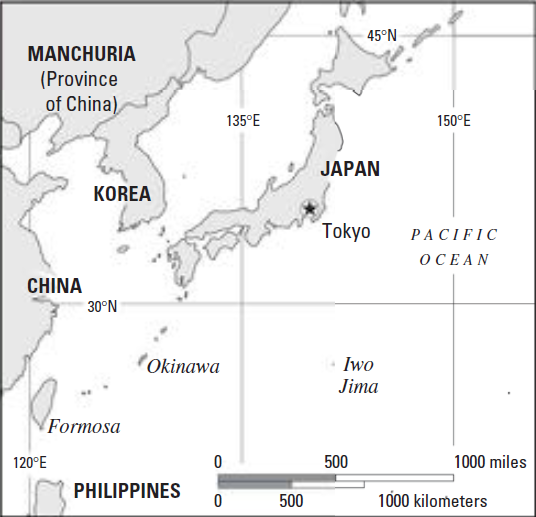
Why was it critical for the Allies to take the Japanese-held islands of Iwo Jima and Okinawa?
Why did President Truman decide to use atomic weapons?
What was the result of the Nuremberg Trials?
What issues did Allied leaders address at the Potsdam Conference?
How did geography contribute to Germany's defeat in World War II?
What was the main reason for Supreme Court Justice Frank Murphy's dissent in Korematsu v. United States?
Which statement is best supported by the opinion of Justice Black?