Chapter 6
Coronado Reports to the King
Francisco Vasquez de Coronado was a Spanish conquistador. He explored what is now the American Southwest in search of the Seven Cities of Cibola [SEE-boe-lə], which were said to have streets paved with gold. During the trip, Coronado wrote letters to the King of Spain. In his second letter, written in October of 1541, he described his march across the Great Plains to Quivira [Kee-VEE-rə], in modern-day Kansas. He told the king about the native people he and his men met. He also described the buffalo they saw, which he called “cows.” On the pages that follow is an edited version of Coronado’s letter.
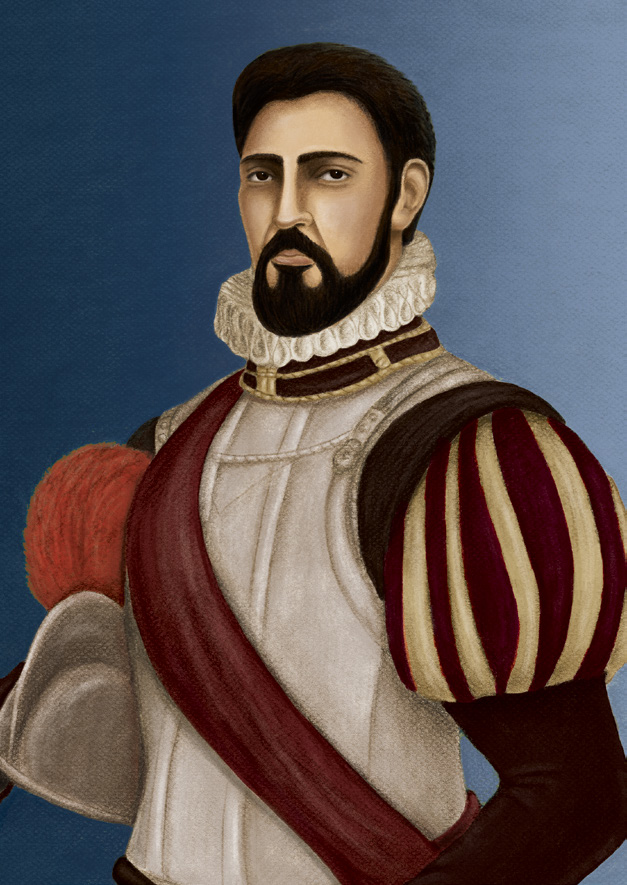
Coronado

Your Majesty,
After I sent my last letter, I met some native people from a distant land. They boasted of their land, which is called Quivira. They said the men there lived in large houses. They said their chiefs dined on dishes made of gold. I did not know whether to believe these reports. I made up my mind to go and see Quivira.
We set off last spring and reached the plains. These plains were vast—so vast that we could not see the end of them. They were flat and open with grasses that blow in the breeze. We traveled over them for more than 300 leagues. The plains were full of cows. There were too many of them to count. There was not a single day when we did not see some of them.
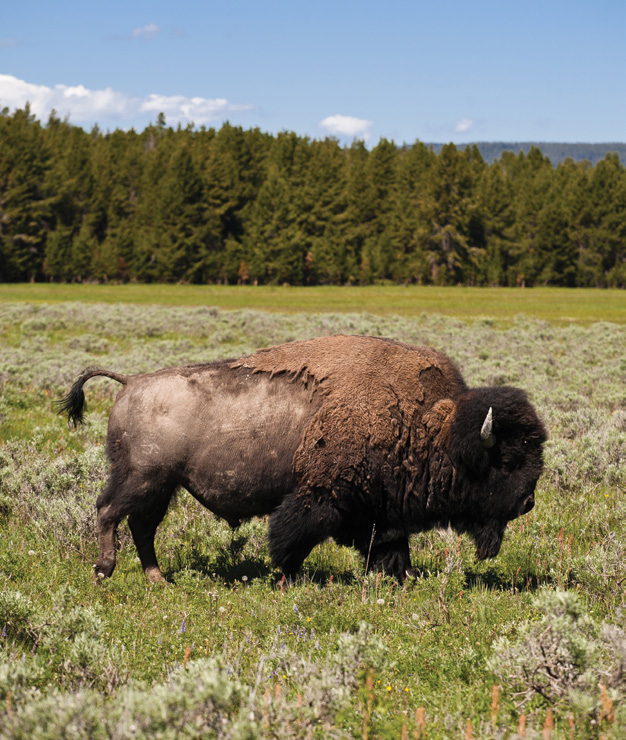 A buffalo, which Coronado called a “cow”
After 17 days, we met some native people. They are called Querechos [Ker-AE-koez]. They do not plant crops. They travel around with the cows. They eat the flesh of the cows they kill. They tan the skins of the cows and make clothes from them. They have little tents made of cowhide. They live in these tents while they travel around with the cows. They have dogs that carry their tents and poles from place to place.
We traveled 42 days more. At times, it was hard to find the way. On the plains, there are few landmarks. There are no hills. There are no stones, trees, or shrubs. All we could see was a sea of grass.
We lived on the flesh of the cows we killed. We went many days without water. Sometimes, what we drank was more mud than water. There are no trees on the plains except by the rivers. So, we could rarely find firewood.
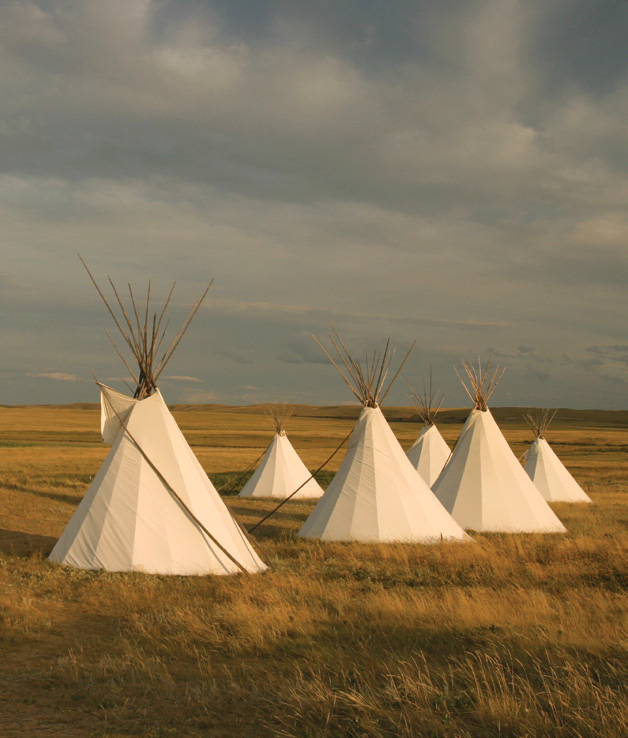 Tents made of “cowhide”
After 77 days, we arrived in Quivira.
This was the place our guides had described. They had told us of stone houses that were many stories tall. But we found only little grass huts. There were only a few people in the place and they were as barbarous as the others we have met. They swore to obey Your Majesty and placed themselves under your royal lordship.
The natives gave me a piece of copper. I have sent this back to the viceroy of New Spain. I have not seen any other metal in these parts except this and some little copper bells.
We stayed in Quivira for 25 days. I searched the nearby lands to see if there is anything which could be of service to Your Majesty. Besides the land itself and people who live on it, I have not found or heard of anything. I am sure there is no gold here.
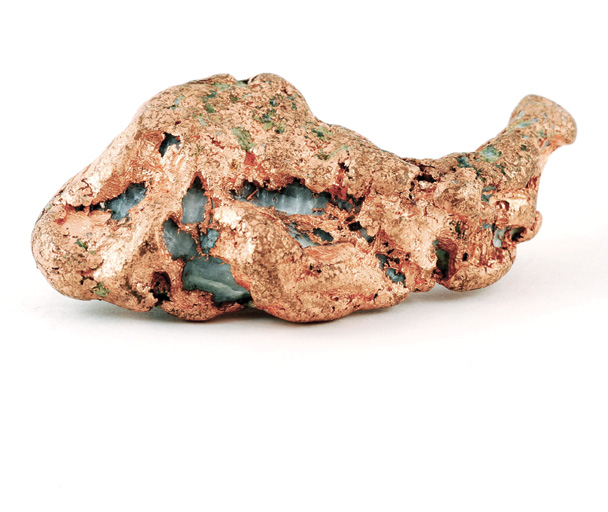
Copper

The land in Quivira is the best I have seen for producing crops. The soil is black. The land is well-watered by springs and rivers. I found some prunes like those in Spain. There are some nuts. There are also very good sweet grapes and mulberries.
I have treated the natives as well as was possible, as Your Majesty commanded. They have received no harm in any way from me or from those who went in my company.
This is my report. I have done all that I possibly could to serve Your Majesty. I remain Your Majesty’s humble servant and vassal,
Francisco Vasquez de Coronado
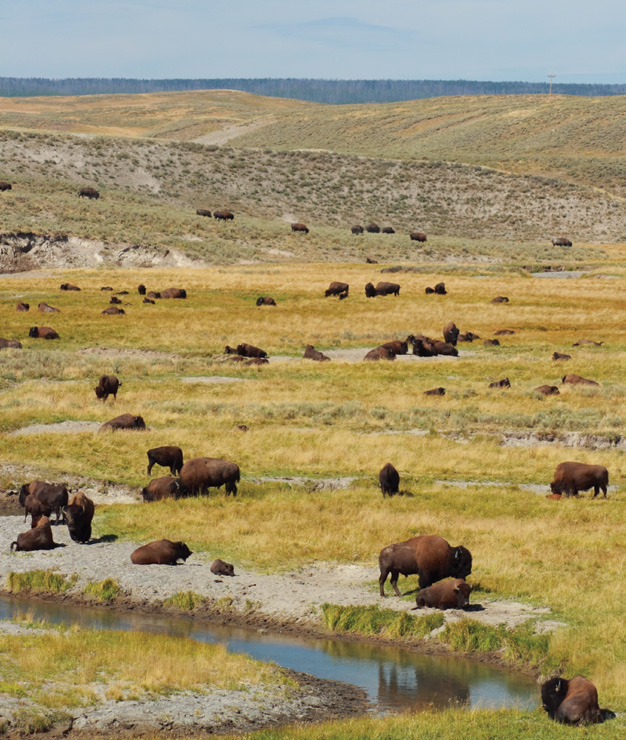 The plains with buffalo, called “cows” by Coronado