Twa kɔ nsɛm atitiriw so
Log in
Sign up for FREE
arrow_back
Laabri

Unit 6c: Population Interactions Assessment

star
star
star
star
star
Last updated 21 days ago
25 Nsɛmmisa

Using your knowledge of population interactions, answer each question in the assessment using your best effort. Read all directions carefully and do your best!

Ɛhia
3
Ɛhia
1
LS.6.a
Ɛhia
8
LS.6.c
Ɛhia
1
Ɛhia
1
Ɛhia
8
Ɛhia
1
Ɛhia
1
Ɛhia
2
Ɛhia
1

Exploring Ecosystems

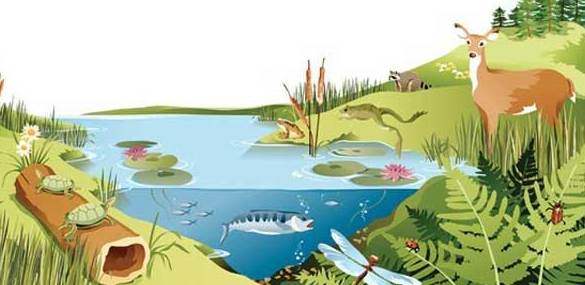
All around the world, living things interact with the environment around them. These interactions create what scientists call an ecosystem. An ecosystem includes all the organisms living in an area and the nonliving parts of the environment they depend on. Ecosystems can be large, like an ocean, or small, like a pond or a forest clearing. No matter the size, every ecosystem is made up of many parts that work together.

In a pond ecosystem, many biotic and abiotic factors interact. Trees, birds, insects, mushrooms, and deer are some of the biotic factors living near the pond. These organisms depend on the abiotic parts of the environment to survive. Sunlight provides energy for plants to grow. The soil contains nutrients that help plants develop strong roots. Water from rain supports both plants and animals, and the temperature of the air affects how organisms live and grow.
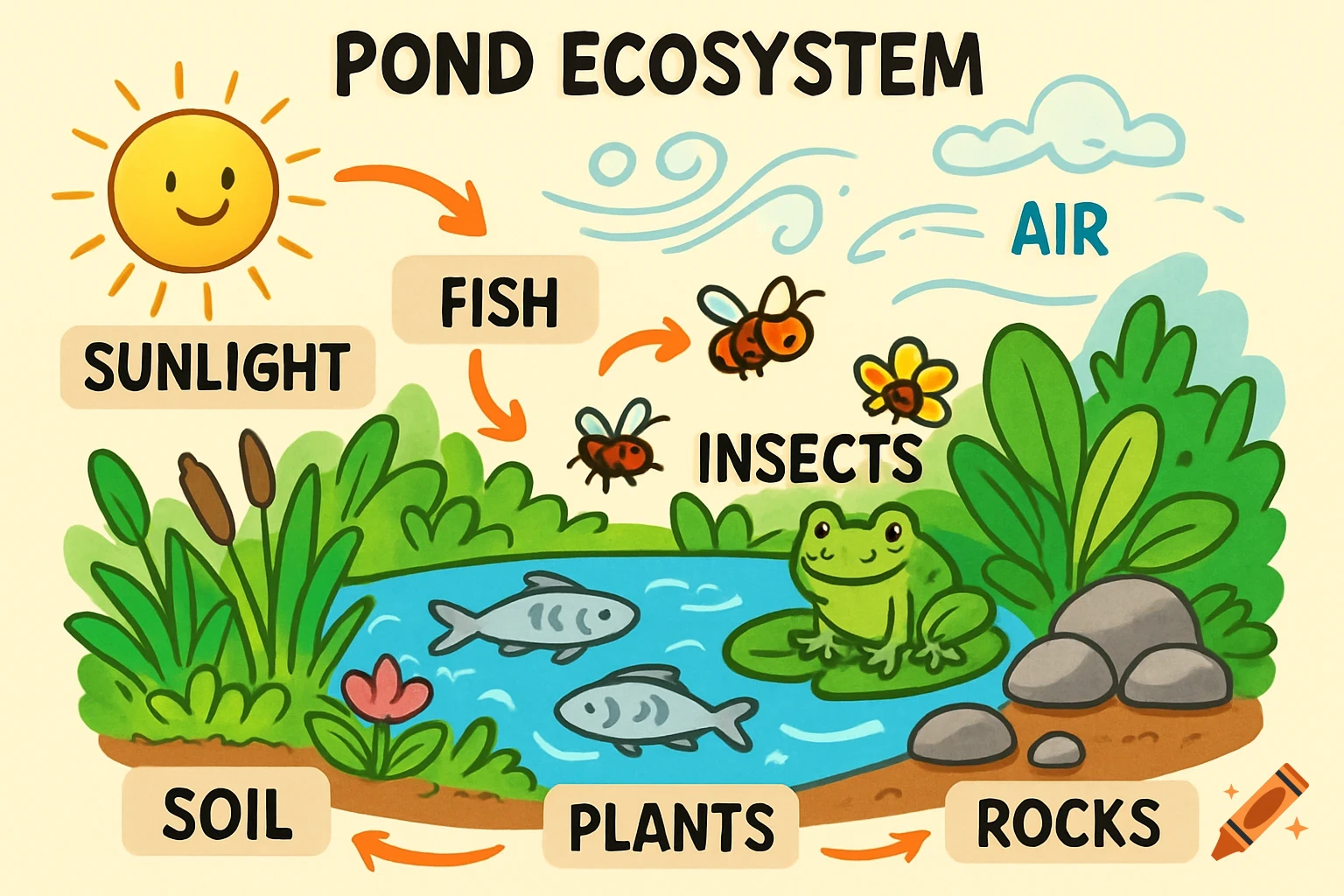
Because biotic and abiotic factors are connected, a change in one part of the ecosystem can affect many others. For example, if there is less rainfall in the forest, plants may not grow as well. This could reduce the food available for insects and animals that depend on those plants. When all of these parts interact and influence one another, they form a complex and balanced ecosystem.

Ɛhia
9
Asemmisa {{asɛmmisaAhyɛnsode}}
1.

Drag and drop the factors below to categorize them as biotic or abiotic.

  • Insects

  • Fish

  • Sunlight

  • Weather

  • Rocks

  • Pinecone

  • Plants

  • Air

  • Feather

  • Biotic Factors

  • Abiotic Factors

Ɛhia
1
Asemmisa {{asɛmmisaAhyɛnsode}}
3.

Match the example to the correct level of ecological organization

Organism

Population

Community

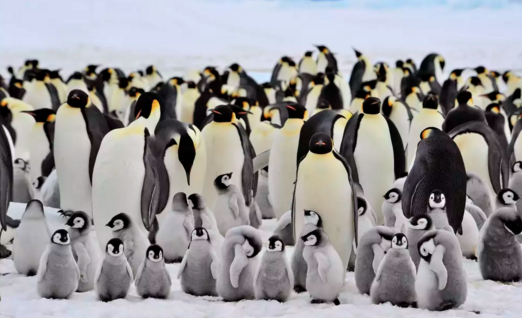
All of the penguins of the Ross Ice Shelf

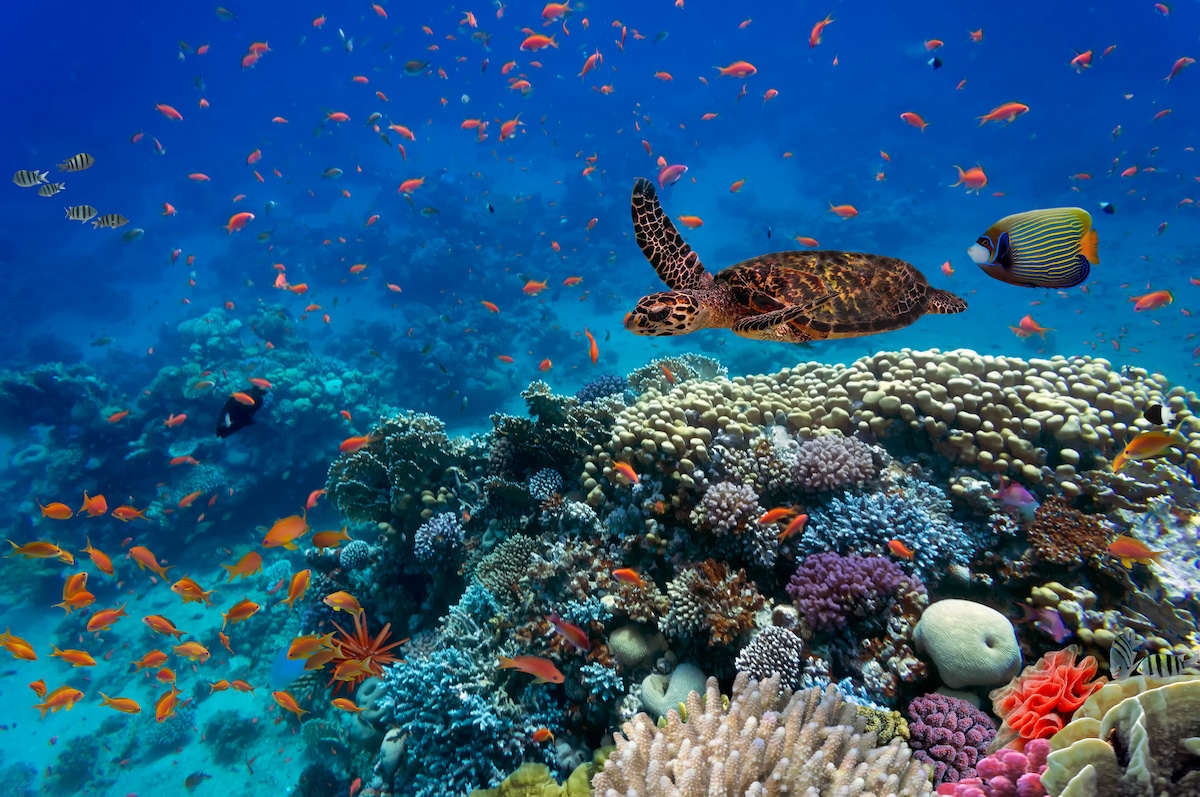
All of the livings things found on the coral reef.

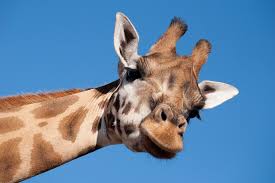
An individual living thing

Directions: Read the passage below and then answer the questions.

Animal Interactions

In different ecosystems, organisms interact with one another in many ways to survive. These interactions can involve gaining food, protecting resources, or working together as a group.

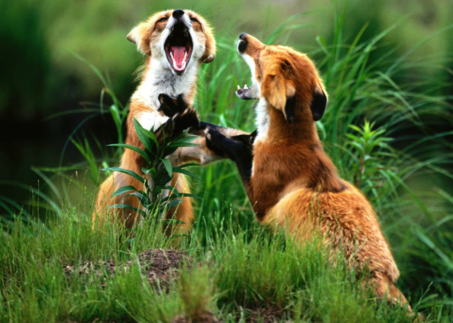
In a grassy field, a fox patrols a specific area where it hunts for food. When another fox enters this space, the first fox chases it away and defends the area.
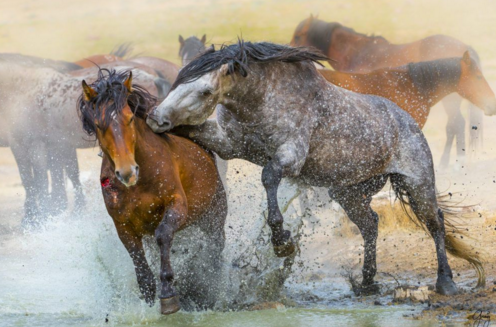
On the open plains, a herd of mustang ponies gathers near a watering hole. Not all of the ponies drink at the same time. Instead, there is a clear order, where certain members drink first while others wait their turn.
In the ocean, a group of dolphins works together to catch food. They swim in a circle around a school of mackerel, trapping the fish tightly together into what is called a bait ball, making it easier to catch them.
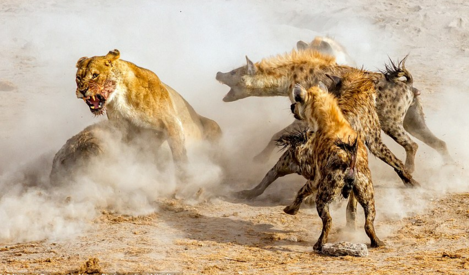
On the savanna, a female lioness comes across a carcass that a pack of hyenas is trying to claim. The lioness fights off the hyenas in order to gain access to the food.
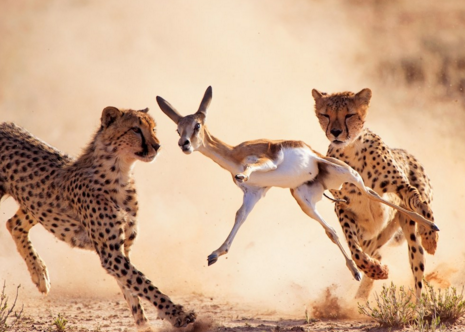
Nearby, a cheetah spots a young gazelle. It quietly stalks its target before sprinting forward in an attempt to catch it for a meal.
Ɛhia
1
Ɛhia
1
Ɛhia
1
Ɛhia
1
Ɛhia
1
Asemmisa {{asɛmmisaAhyɛnsode}}
9.

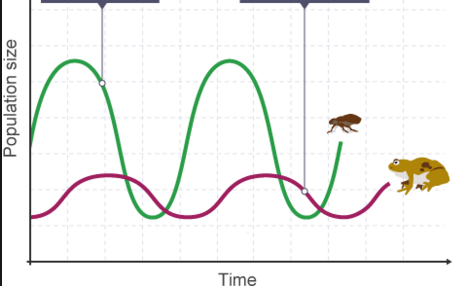
What type of interaction does this graph best indicate?

Asemmisa {{asɛmmisaAhyɛnsode}}
10.

Categorize the examples below into the correct type of Symbiotic Relationship.

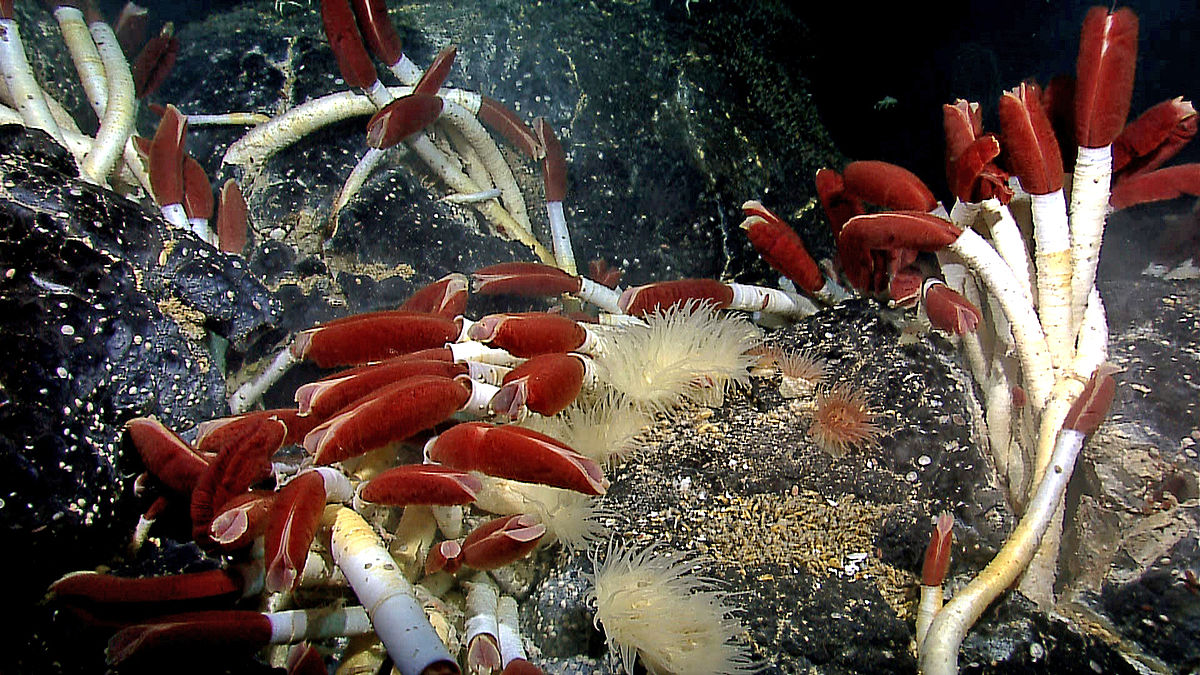
  • The Giant Tube Worm and Bacteria: The worm provides nutrients and a home for the bacteria and the bacteria oxidizes methane for the worm.

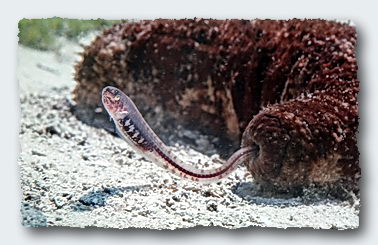
  • Pearlfish and Sea Cucumber: The pearlfish safely lives inside the sea cucumber's intestines. The sea cucumber does not gain anything from the relationship, nor is it harmed.

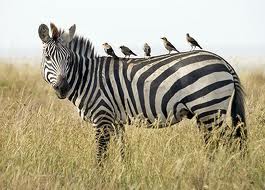
  • Oxpeckers and Zebras: Oxpeckers eat ticks and other parasites that live on the zebra’s skin. The oxpeckers get food and the zebras get pests removed.

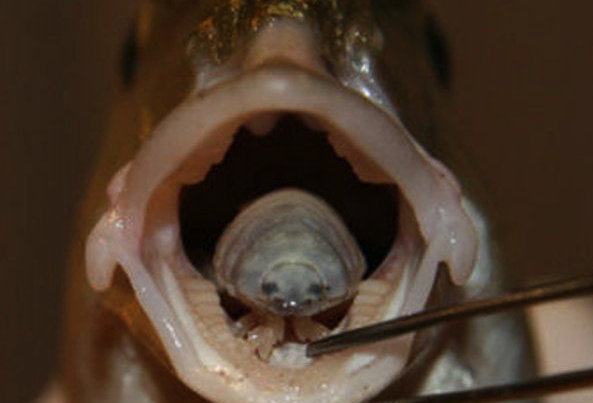
  • Isopod and Snapper: The isopod cuts blood vessels in the fish’s tongue, causing the tongue to die. The isopod then hooks its legs to the base of the fish’s tongue. The isopod stays there for the rest of its life, feeding on blood, mucus, and stray pieces of food from the fish.

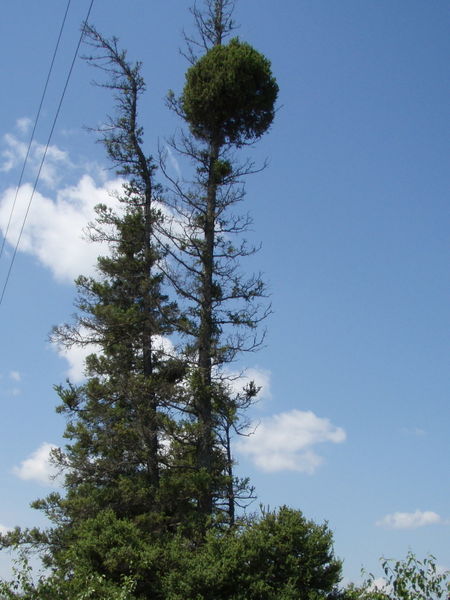
  • Mistletoe and Spruce Tree: Mistletoe takes water and nutrients from the spruce, harming the tree.

  • A symbiotic relationship in which both organisms benefit. grinning emojigrinning emoji.

  • A symbiotic relationship in which one organism benefits and the other is unaffected. grinning emojineutral_face emoji.

  • A symbiotic relationship in with one organism benefits and the other is harmed. grinning emojislightly_frowning_face emoji.

  • Mutualism

  • Commensalism

  • Parasitism

Asemmisa {{asɛmmisaAhyɛnsode}}
11.

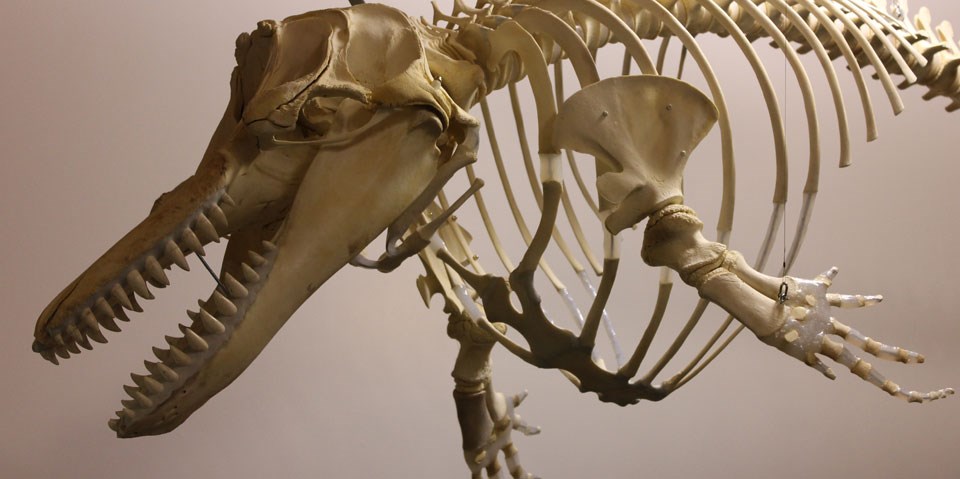
Orcinus orca has extremely sharp teeth, powerful muscles, and a sleek aerodynamic body; based of these traits, what is its niche?

Asemmisa {{asɛmmisaAhyɛnsode}}
12.

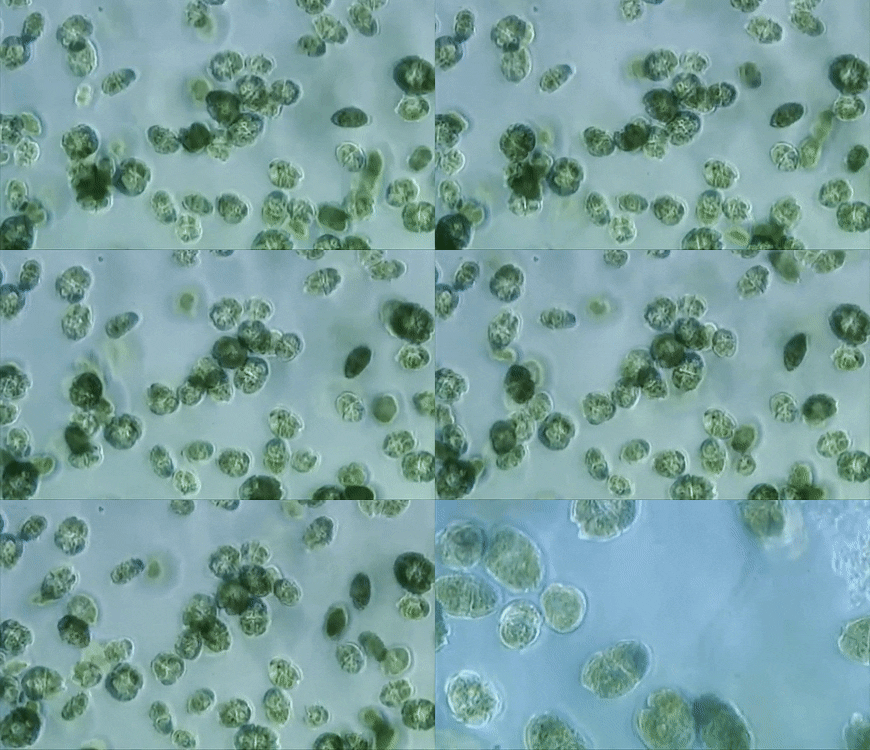
Phytoplankton, are the food source of countless aquatic herbivores like zooplankton, krill, and whales. They also account for half of the oxygen on the planet. What is this organism's ecological niche?

Asemmisa {{asɛmmisaAhyɛnsode}}
13.

Read each statement below, then decide if habitat or niche is being described.

Habitat

Niche

The lion lives on the savannah.

The lion is a carnivore.

Birds live in the deciduous forest.

Crocodiles live in freshwater rivers.

The crocodile is a carnivore.

A squirrel is a spreader (eats and moves acorns)

The location where an organism lives

The role of an organism in its ecosystem

Use the graph below to answer the attached questions:

Ɛhia
1
Asemmisa {{asɛmmisaAhyɛnsode}}
14.

When a population grows past the ecosystem's carrying capacity, what happens to the population?

Ɛhia
1
Ɛhia
1
Asemmisa {{asɛmmisaAhyɛnsode}}
17.

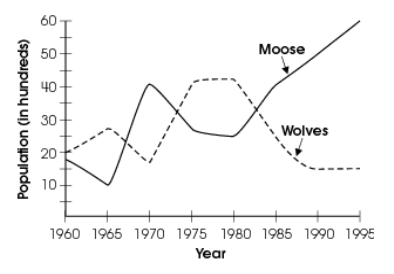
The graph shows the interaction of the wolf and moose populations on Isle Pekie. If the moose population continues to increase, the wolves' food supply will increase. What will most likely happen to the wolf population as a result?

Asemmisa {{asɛmmisaAhyɛnsode}}
18.

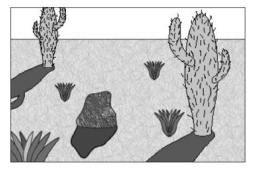
The picture represents a sunny, dry desert. Which factor most likely limits the desert’s carrying capacity for plant life?

Mice in the Wild

In a large grassy meadow, a population of mice lives among the tall plants and scattered bushes. At certain times of the year, the mice have plenty of food, such as seeds and insects, and many baby mice are born. As the number of mice increases, they begin to use up more of the available food and space.

With more mice living in the same area, it becomes harder for each one to find enough to eat. Some mice may not survive because they cannot find food or safe shelter. In addition, predators such as owls and snakes hunt the mice, and diseases can spread more easily when many mice live close together.

Over time, these factors balance out the number of mice being born with the number of mice that die. Even though individual mice are constantly being born and dying, the overall population size tends to stay about the same.

Ɛhia
1
Asemmisa {{asɛmmisaAhyɛnsode}}
19.

A scientist observing the unchanging population size of the mice could infer that the mice...

Ɛhia
1
Ɛhia
1
Asemmisa {{asɛmmisaAhyɛnsode}}
22.

This image shows typical animal behavior:

Which of these might be true of this particular behavior? Select all of the collect answers.
Asemmisa {{asɛmmisaAhyɛnsode}}
23.

When two organisms want the same resources, it is called...

Use the table below to answer the questions:

Dolphin 1

Dolphin 2

Dolphin 3

Dolphin 4

Dolphin 5

Prey 1

X

X

Prey 2

X

Prey 3

X

X

Prey 4

X

X

Ɛhia
1
Asemmisa {{asɛmmisaAhyɛnsode}}
24.

Which two species of dolphin will most likely constantly be in competition for prey?

Ɛhia
1
Asemmisa {{asɛmmisaAhyɛnsode}}
2.

All of the abiotic and biotic factors interacting in a specific area are known as...

Asemmisa {{asɛmmisaAhyɛnsode}}
4.

The fox claiming a field for hunting and defends it against another fox is an example of...

Asemmisa {{asɛmmisaAhyɛnsode}}
5.

A herd of mustang ponies at a watering hole is an example of...

Asemmisa {{asɛmmisaAhyɛnsode}}
6.

The dolphin pod creating a "bait ball" is an example of...

Asemmisa {{asɛmmisaAhyɛnsode}}
7.

A female lioness battles a pack of hyenas for access to prey is an example of...

Asemmisa {{asɛmmisaAhyɛnsode}}
8.

A pair of cheetah cubs hunt a young gazelle. This is an example of...

Asemmisa {{asɛmmisaAhyɛnsode}}
15.

In a forest ecosystem, which of the following is NOT an example of a limiting factor that would greatly affect a rabbit population?

Asemmisa {{asɛmmisaAhyɛnsode}}
16.

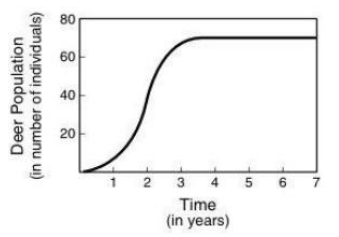
Based on the graph, what is the carrying capacity of deer in this ecosystem?

Asemmisa {{asɛmmisaAhyɛnsode}}
20.

A disease kills off most of the insects in the ecosystem in which the mice live. Which of these most likely would happen to the carrying capacity of the ecosystem?

Asemmisa {{asɛmmisaAhyɛnsode}}
21.

Mice produce a large number of offspring all year long, yet the number of mice within a given population changes very little from year to year. The stability of the population size is most likely the result of

Asemmisa {{asɛmmisaAhyɛnsode}}
25.

If Dolphin Species 3 goes extinct, what would likely happen to Prey 2?