Preskoči na glavni sadržaj
Prijava
Sign up for FREE
arrow_back
Biblioteka

Unit 3 Performance Task: Cellular Systems (Elodea Experiment)

star
star
star
star
star
Posljednje ažuriranje 4 months ago
14
Obavezno
2
Obavezno
1
Obavezno
2

PART 1: Elodea Experiment

A biology class conducted an experiment to investigate how light intensity influences energy production in Elodea plants. Elodea is an aquatic plant commonly used in freshwater aquariums. The class used three different experimental setups, each containing a similarly sized Elodea plant in a beaker of water. The Elodea plants were placed under a funnel leading to a test tube, which was used to measure the amount of gas released.
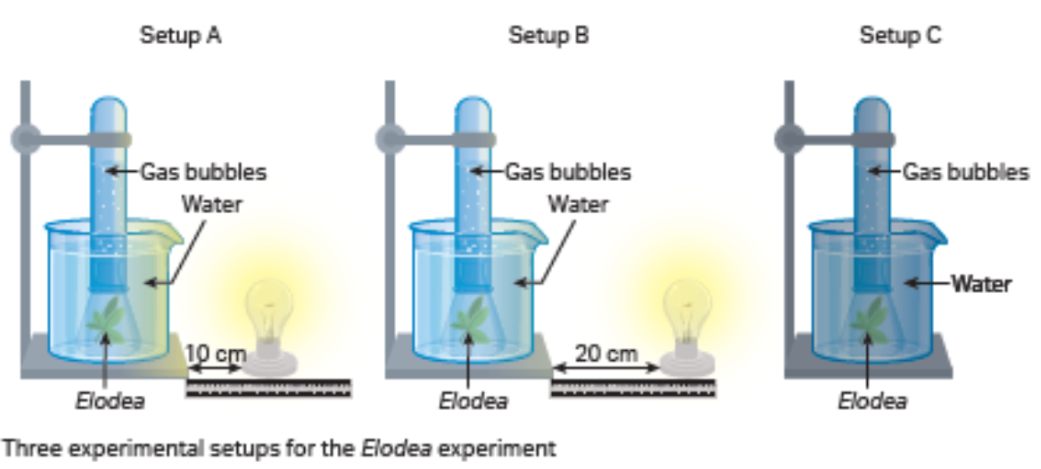
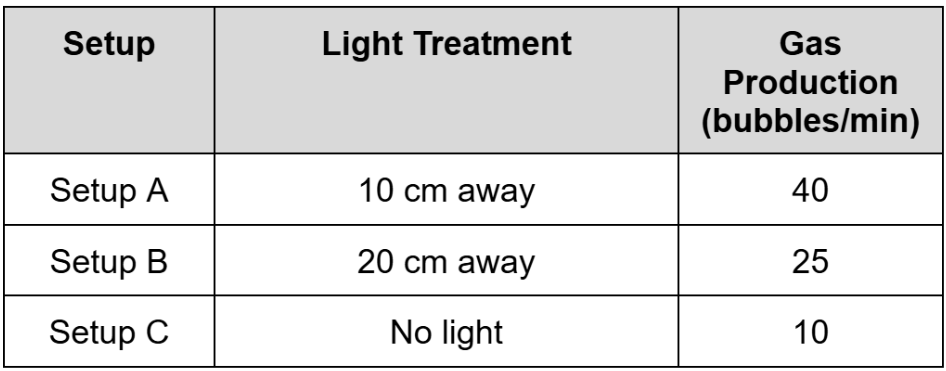
Students counted the number of gas bubbles that were released by the plants over a set period to determine the average number of gas bubbles produced per minute for each setup. Their findings are shown in the table below:
Pitanje 1a
1a.

For Setups A and B, select which of the following correctly identifies the type of gas being released by the plant and why.

Pitanje 1b
1b.

Which of the following statements best describes the difference in gas production between Setup A and Setup B?

Pitanje 1c
1c.

For Setup C, select which of the following correctly identifies the type of gas being released AND explains how the plant produces gas in the absence of light.

Obavezno
1
Obavezno
1
Obavezno
1
Obavezno
1
Obavezno
1
Obavezno
1
Obavezno
1

PART 3: Analyzing Data

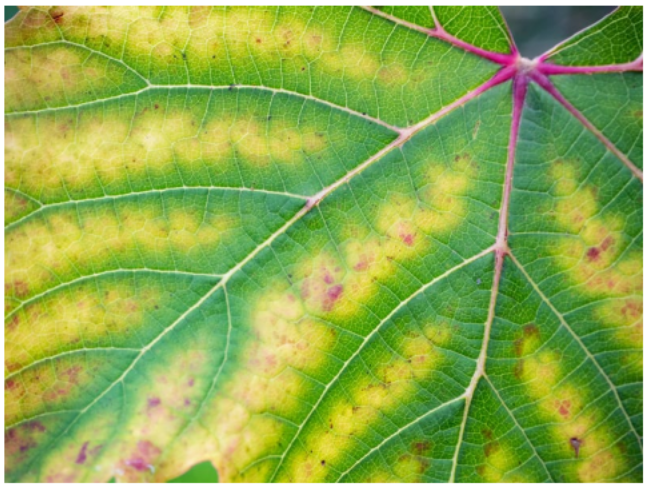
Leaf chlorosis causes the yellowing of leaf tissue due the leaf being unable to absorb sunlight as seen in the image below. Over time, the leaf will turn yellow and die. Next, the branch and the entire plant will die due to lack of energy.

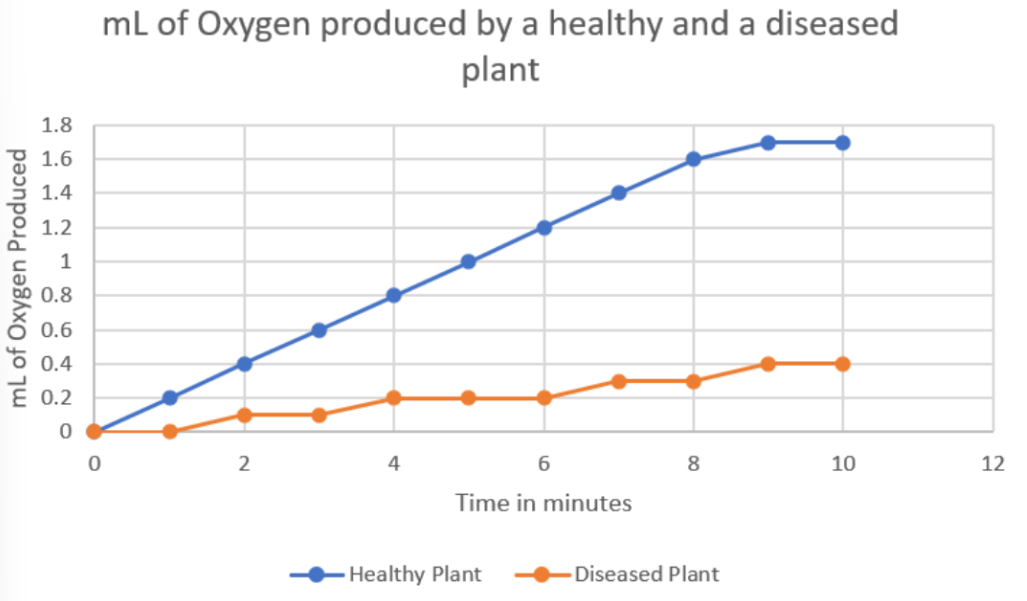
The line graph below compares the amount of oxygen produced (in mL) by a healthy plant vs. a diseased plant.
Obavezno
1
Pitanje 3a
3a.

CLAIM: Based on the graph, which statement is correct?

Obavezno
2
Obavezno
1
Obavezno
2

PART 2: Exploring Maple Tree Cell Growth & Development

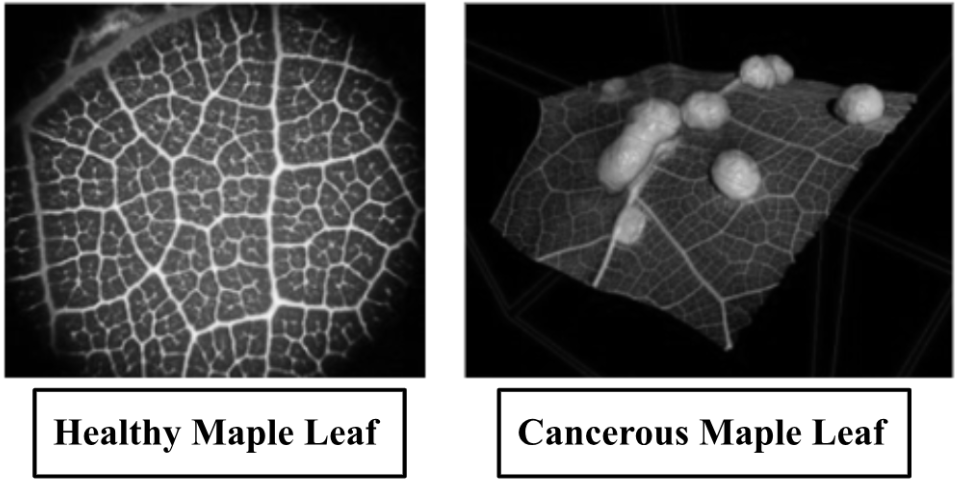
The leaves of these maple trees have developed strange looking growths. They appear to be cancerous. Below are samples of a healthy maple leaf vs. a cancerous maple leaf.

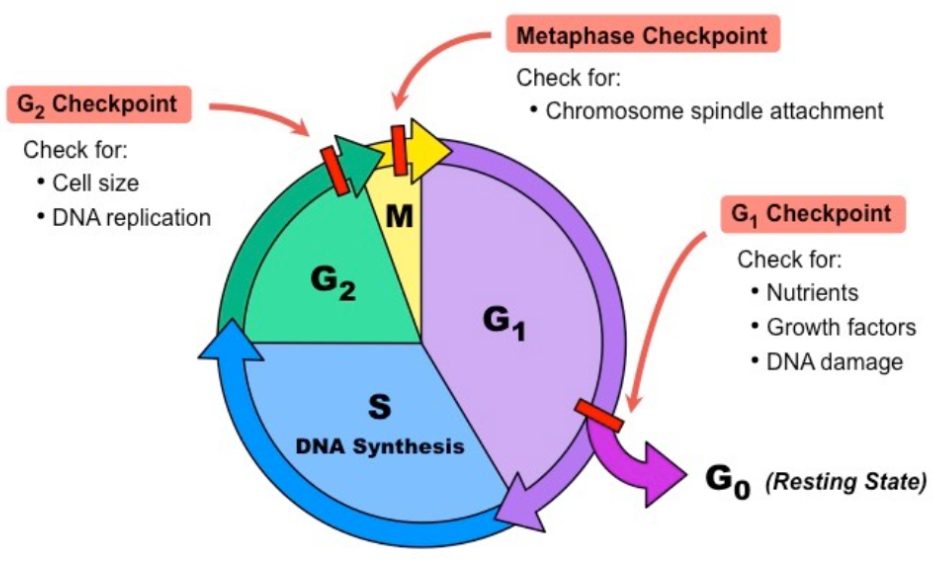
Below is a digram of the cell cycle.

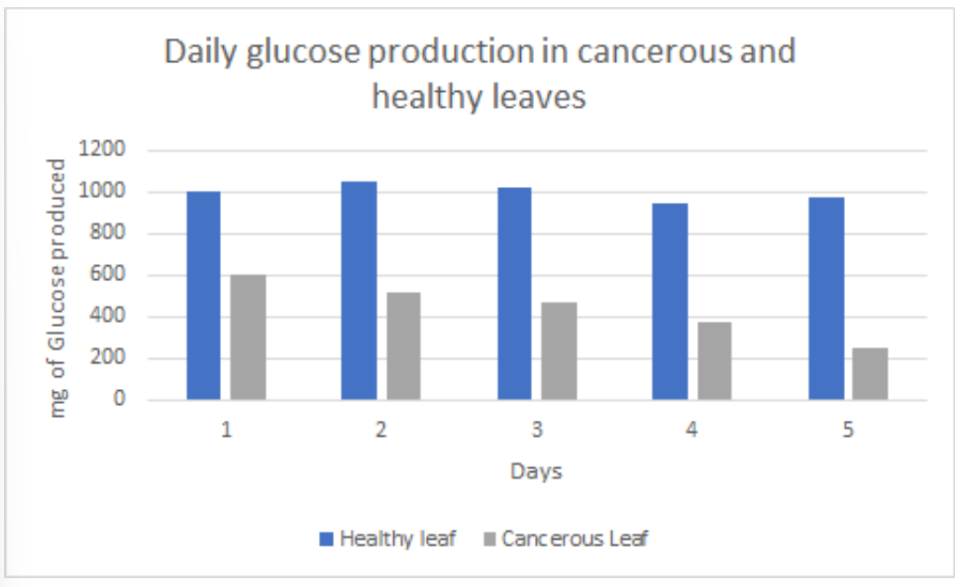
The graph below shows how cancer might impact your maple trees. It shows how much glucose (sugar) is produced by healthy maple leaves and by cancerous maple leaves. 

Use the information above to answer the following questions.

Pitanje 2a
2a.

What process of the cell cycle was disrupted that caused the abnormal cells to be produced?

Pitanje 2b
2b.

What are TWO reasons this process (from 2a) is necessary? Select ALL that apply!

Pitanje 2c
2c.

You discovered that these cells were caused by errors in the DNA replication in the new leaf cells. Name a checkpoint in the Cell Cycle where this error should have been caught.

Pitanje 2d
2d.

CLAIM: Formulate a claim by completing the statement below using the dropdown box.

"The mg of glucose on day 4."

Pitanje 2f
2f.

EVIDENCE: Include numerical data from the graph that support your claim by completing the statement below using the drop down box.

"The cancerous leaf produced

Pitanje 3b
3b.

EVIDENCE: Support your chosen claim from question 3a by using 2 pieces of numerical evidence from the line graph.

Complete the statements below using the dropdown boxes.

Evidence #1: "At 10 minutes, the healthy plant produced mL of oxygen."

Pitanje 3c
3c.

Compare the rate of oxygen production between the healthy plant and the plant diseased with chlorosis. Which plant makes more oxygen?

Pitanje 3d
3d.

REASONING: Explain why the rate of photosynthesis is different in BOTH the healthy plant AND the diseased plant. Use the graph and the words oxygen production, sunlight, and photosynthesis in your answer.

Here are some sentence starters ...

"The healthy plants have a (high/low) rate of photosynthesis because ..."

"The diseased plants have a (high/low) rate of photosynthesis because ..."