Twa kɔ nsɛm atitiriw so
Log in
Sign up for FREE
arrow_back
Laabri

Week 2.1: Light and Color

star
star
star
star
star
Last updated about 2 hours ago
20 Nsɛmmisa
A Colorful Man
Light Bounces!
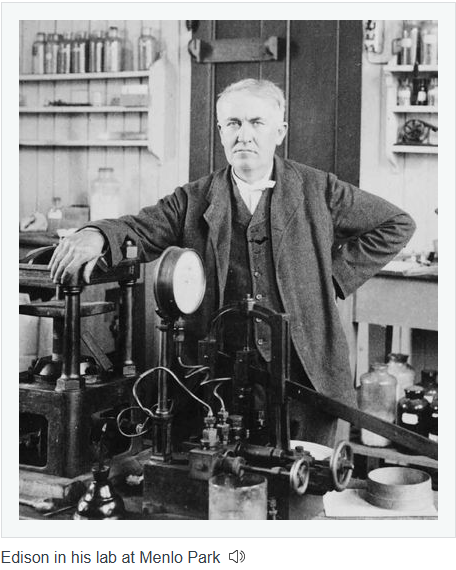
The Wizard of Menlo Park

Please make sure you have answered all of the questions.

Click submit when finished with all questions and check your answers. You may not be able to make corrections at this time.

A Colorful Man

Mr. Tucker talked about colors all the time. "That sunset was raspberry-red!" he said to his wife in the evenings. Or, "What a honey-yellow morning it is!" He liked to look for all the different shades of green in his garden: moss green, which was dark and brooding, and parrot green, which was bright and loud. His wife planted fruits and vegetables in their garden, but Mr. Tucker was more interested in the leafy plants, the bushes, the hedges, and even the weeds that grew in his garden. "So many kinds of green!" he said to his wife after watering all the plants. "I counted at least twenty different shades of green!"

"Well done, dear," Mrs. Tucker said. "Now can you please count twenty dollars and go to the grocery store for some ingredients? I need to make dinner!"

With a smile on his face, Mr. Tucker left at once. He enjoyed trips to the grocery store because of all the colorful cans and boxes in each aisle. Fruits and vegetables, too, shone in their bright skins. They were never just one color: carrots were orange, but also had bits of yellow and brown in them. Bananas were yellow and black; apples hid oranges and purples inside their reds. Mr. Tucker would walk through each aisle of the grocery store and soak in all the colors around him. Mr. Tucker stared and stared. Then he sighed.

"I wish there was a store full of colors that I could spend all my time in," he muttered.

He bought everything on his wife's grocery list and came home. When he walked into the house, Mrs. Tucker noticed the sad look on his face.

"What's wrong?" she asked him. "Did something happen at the store?"

"No, nothing happened. I felt a little sad when I left the store, that's all," Mr. Tucker replied.

"Why?" his wife asked him. "It looks like you had fun at the store. I can see that you picked out the best items. Look how golden this corn is!"

"Thank you," Mr. Tucker said. "I did have fun in the store. So much so that I wish I could have spent more time in there. It’s so full of color!”

"I see," Mrs. Tucker said. "Well, cheer up, because I'm going to cook this corn on the cob, and we're going to have ourselves a delicious dinner!"

The next day, Mr. Tucker was on his usual morning walk through the neighborhood, saying hello to everyone, inspecting the colors of the trees and flowers he passed, and admiring the beautiful fur coats of all the dogs being taken on their walks. It was another day of color for Mr. Tucker.

"Good morning, Mr. Brown," he called out to one of his neighbors. He liked Mr. Brown very much because, well, you guessed it: his name was a color!

"Mr. Tucker! Just the person I wanted to see!" Mr. Brown replied. "My wife and I are moving out of this town, and I need someone to take over my shop. You're the perfect person for the job! Would you be interested?"

Mr. Tucker was happy that Mr. Brown had thought of him, but he wasn't quite sure why. "I would like to help, but why am I the perfect person?"

Mr. Brown laughed. "Because it's a paint shop, Mr. Tucker! I need someone who knows his colors!"

Mr. Tucker was thrilled. "I'll take it over right away!"

Mr. Brown was relieved when he left town, because he knew his paint shop was in good hands. Sure enough, Mr. Tucker kept the paint shop open for twenty more years, and got to talk about color all day, every day.

1
1
1
1
1
1
1

Light Bounces!

Take a look around. What do you see? All of the objects that surround you—a book, a plant, a pen, a door and even your own body—can only be seen thanks to light. Light is a type of energy that helps us see the world we live in. When it’s completely dark, it is impossible to see anything. Light comes from different places. The sun, stars, lightning and fire all give off light. So do light bulbs, flashlights and candles. Most living things need light in order to survive.

Some objects produce their own light, but most do not. The walls in the room you are in do not give off their own light. The light coming down from the ceiling lights above your head bounces right off the walls. If it didn’t, we would not be able to see the walls at all. How do we see things? When light from any source bounces off an object and into our eyes, we are able to see that object. Take a look at your pencil. You can see the pencil because light is bouncing off it and entering your eyes. This “bouncing off” is called “reflection.”

Transparent, or see-through, objects let the light pass right through them. Light can shine through glass and clear plastic. It can also move through water and air. When light travels, it travels in a straight line.

Some objects block the light, like trees, buildings, and even you! When an object blocks the light, light cannot pass through to the other side. This is how shadows are made. When the sun shines on a tree, it cannot shine right through the tree. The tree blocks the light beams. On the other side of the tree, you will see a dark spot that is shaped like the tree. That is its shadow, the place where the sun cannot reach.

Try standing in front of a wall that is all lit up by a flashlight. Your body does not allow light to pass through it, so it will create a shadow on the wall. You can use all kinds of objects to block the light and make shadows. Try forks and spoons from your kitchen, your shoes or a stuffed animal. Try moving your body or one of these objects around to change the shape of the shadow! The closer the object moves to the flashlight, the bigger and fuzzier its shadow will be. The further the object moves away from the flashlight, the smaller and sharper its shadow will be.

Using a mirror, you can take light from one place and make it travel to another. Point your flashlight at the mirror. Now tilt the mirror. By moving the mirror around, you can make the light beam bounce off its shiny surface and fall on different objects in the room. Have you ever wondered why you can see your own face in a mirror? Light shines on your face, then bounces off it and hits the mirror you are looking into. Then, the light bounces, or reflects, off the mirror and right into your eyes.

Light bounces around! If it didn’t, we’d be left in the dark.

1
1
1
1
1
1
1
Asemmisa {{asɛmmisaAhyɛnsode}}
14.

Choose the answer that best completes the sentence below.

We are able to see objects

Asemmisa {{asɛmmisaAhyɛnsode}}
2.

Overall, how can Mr. Tucker's personality best be described?

Asemmisa {{asɛmmisaAhyɛnsode}}
3.

Read these sentences from the text.

With a smile on his face, Mr. Tucker left at once. He enjoyed trips to the grocery store because of all the colorful cans and boxes in each aisle. Fruits and vegetables, too, shone in their bright skins. They were never just one color: carrots were orange, but also had bits of yellow and brown in them. Bananas were yellow and black; apples hid oranges and purples inside their reds. Mr. Tucker would walk through each aisle of the grocery store and soak in all the colors around him. Mr. Tucker stared and stared.

Based on this evidence, why does Mr. Tucker like the grocery store?

Asemmisa {{asɛmmisaAhyɛnsode}}
4.

Why did Mr. Tucker feel a little sad when he left the grocery store?

Asemmisa {{asɛmmisaAhyɛnsode}}
5.

What is the main idea of this story?

Asemmisa {{asɛmmisaAhyɛnsode}}
6.

Read these sentences from the text.

Fruits and vegetables, too, shone in their bright skins. They were never just one color: carrots were orange, but also had bits of yellow and brown in them. Bananas were yellow and black; apples hid oranges and purples inside their reds.

Why might the author have described the colors in the fruits and vegetables in such detail?

Asemmisa {{asɛmmisaAhyɛnsode}}
7.

Choose the answer that best completes the sentence.

Mr. Tucker is the perfect person to take over Mr. Brown’s paint shop

Asemmisa {{asɛmmisaAhyɛnsode}}
9.

What does the author mainly describe in the passage?

Asemmisa {{asɛmmisaAhyɛnsode}}
10.

Read the following sentences:

“When the sun shines on a tree, it cannot shine right through the tree. The tree blocks the light beams. On the other side of the tree, you will see a dark spot that is shaped like the tree. That is its shadow, the place where the sun cannot reach.”

Based on this evidence, what conclusion can be made?

Asemmisa {{asɛmmisaAhyɛnsode}}
11.

Read the following sentences:

“Try standing in front of a wall that is all lit up by a flashlight. Your body does not allow light to pass through it, so it will create a shadow on the wall. You can use all kinds of objects to block the light and make shadows. The closer the object moves to the flashlight, the bigger and fuzzier its shadow will be. The further the object moves away from the flashlight, the smaller and sharper its shadow will be.

Based on this evidence, what will you see if you shine a flashlight on a wall, then place a fork very close to the flashlight?

Asemmisa {{asɛmmisaAhyɛnsode}}
12.

What is this passage mostly about?

Asemmisa {{asɛmmisaAhyɛnsode}}
13.

Read the following sentences: “Transparent, or see-through, objects let the light pass right through them. Light can shine through glass and clear plastic.”

As used in the passage, “transparent” can be understood to have the same meaning as what word?

Asemmisa {{asɛmmisaAhyɛnsode}}
15.

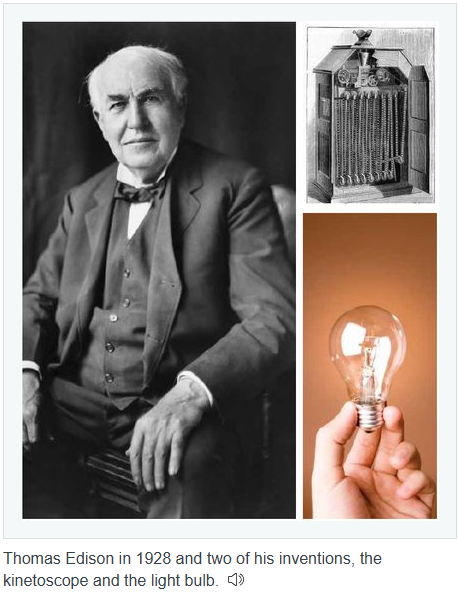
What invention is Thomas Edison best known for?

Asemmisa {{asɛmmisaAhyɛnsode}}
16.

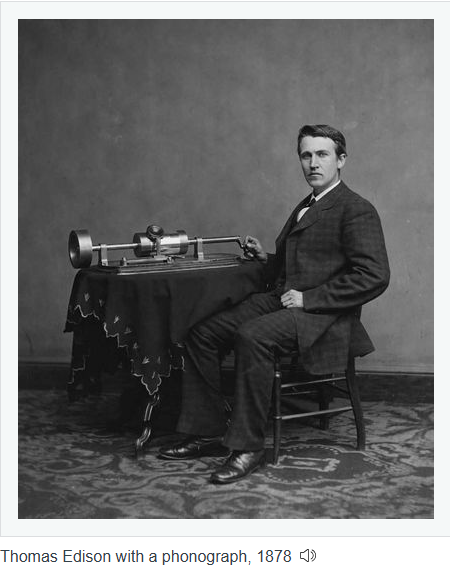
This text describes the sequence of Thomas Edison's inventions. What was his first invention?

Asemmisa {{asɛmmisaAhyɛnsode}}
17.

Thomas Edison's inventions had an important effect on a lot of people. What evidence from the text supports this conclusion?

Asemmisa {{asɛmmisaAhyɛnsode}}
18.

Read these sentences from the text.

He was curious about everything and liked to figure out things on his own.
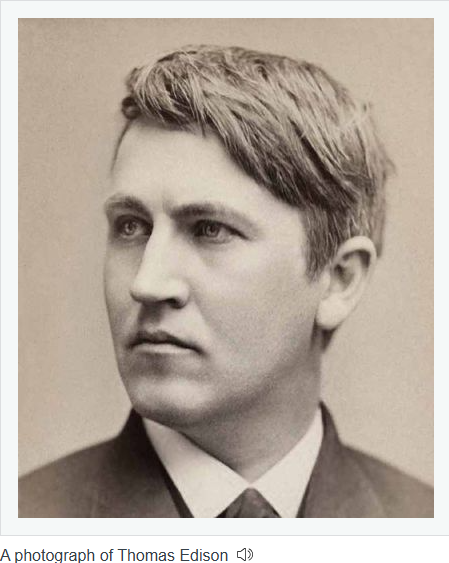
[. . .]

What people sometimes forget is that many of Edison’s experiments “failed” at first. . . . However, he kept moving forward each time.

Based on this evidence, what inference can be made about Thomas Edison as a person?

Asemmisa {{asɛmmisaAhyɛnsode}}
19.

What is the main idea of this text?

Asemmisa {{asɛmmisaAhyɛnsode}}
20.

What was one of Edison's earliest jobs?