Log in
Sign up for FREE
arrow_back
Library

Kansas-Nebraska Act and "Bleeding Kansas"

star
star
star
star
star
Last updated about 3 hours ago
17 questions
1
1
Question 17
17.

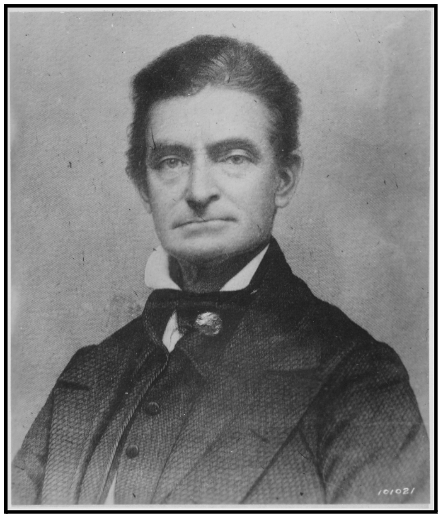
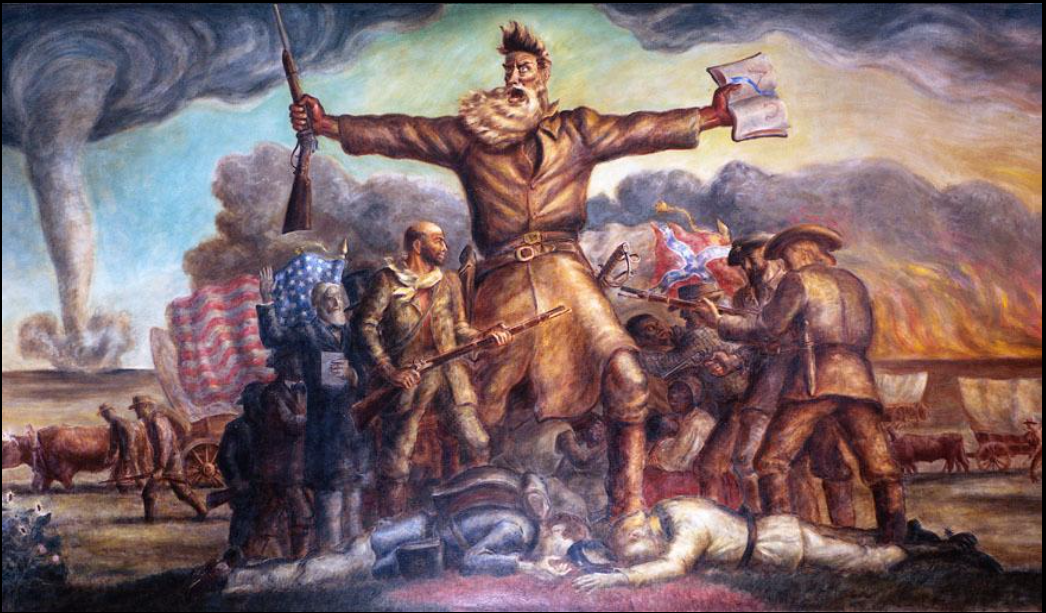
Write a paragraph comparing the two images of John Brown. How are they similar? How are they different? Based on what we have learned in class, which painting do you believe best portray's John Brown?

1
Question 1
1.

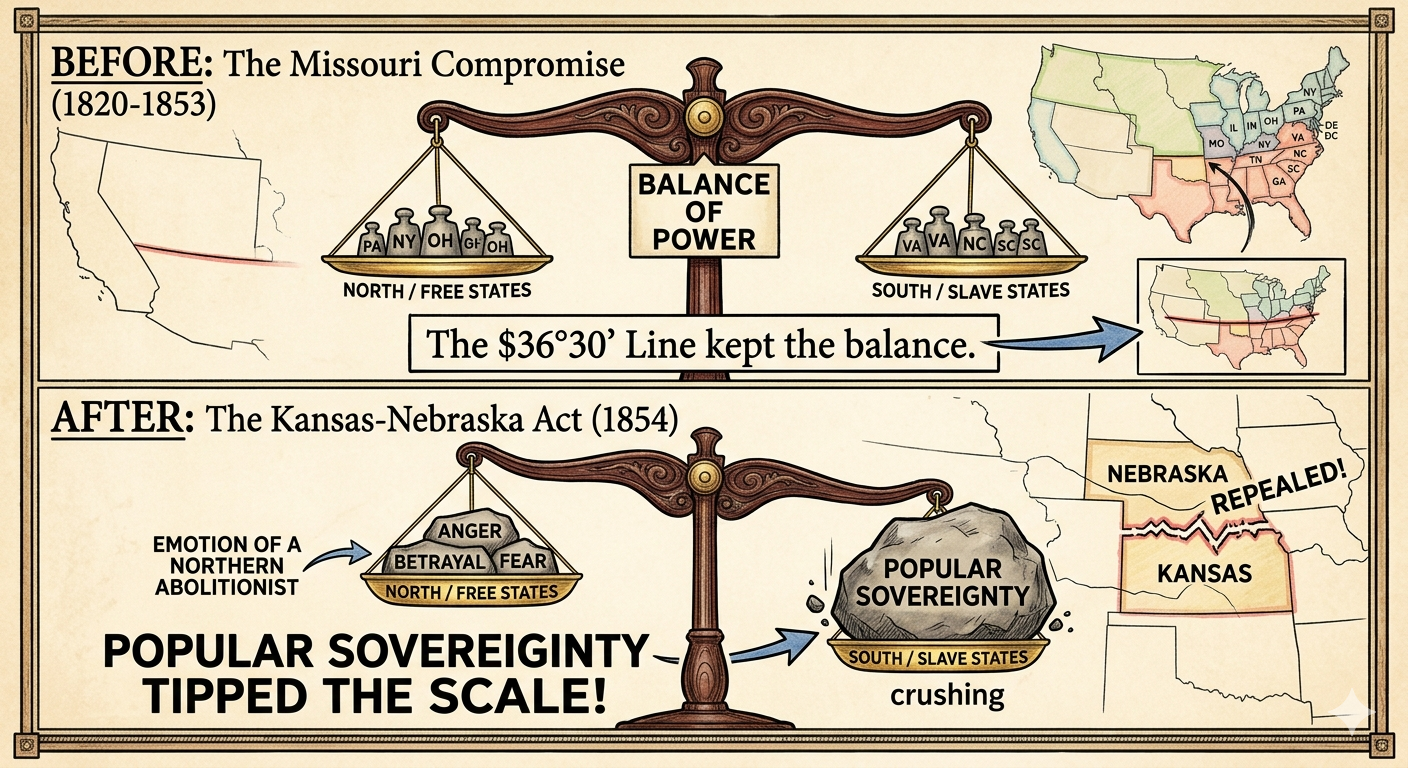
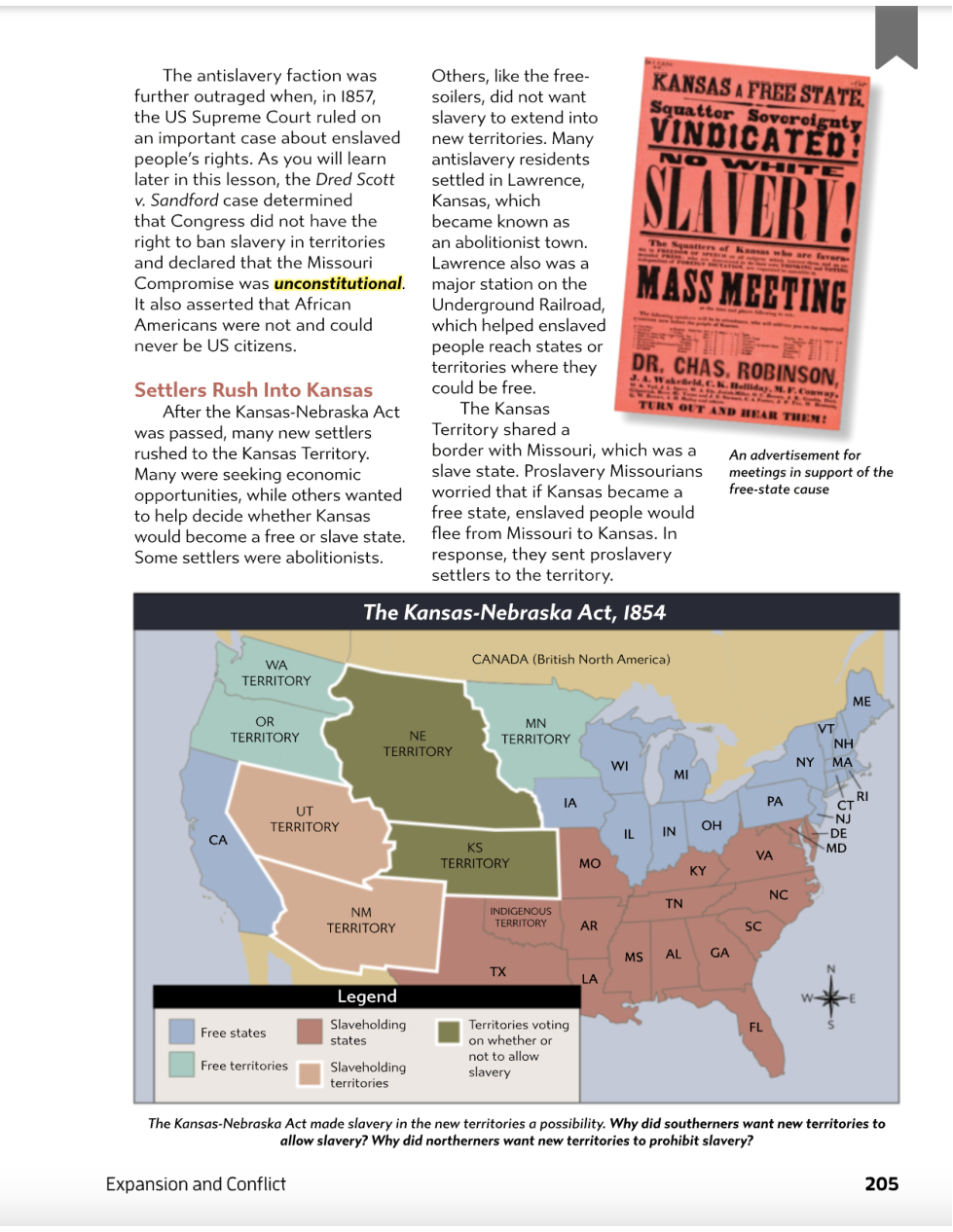
What was the main purpose of the Kansas-Nebraska Act of 1854?

1
1
Question 3
3.

How did pro-slavery Missourians respond to the opportunity to vote on slavery in Kansas in the mid-1800s?

1
1
1
1
1
Question 8
8.

What was the significance of the attack on Senator Charles Sumner in 1856?

Trim End | 06:03
Question 9 | 01:53
Question 10 | 04:40
Question 11 | 05:33
00:00/00:00
Question 9
01:53
keyboard_arrow_down
1
Question 10
04:40
keyboard_arrow_down
1
Question 11
05:33
keyboard_arrow_down
1
Question 12
12.

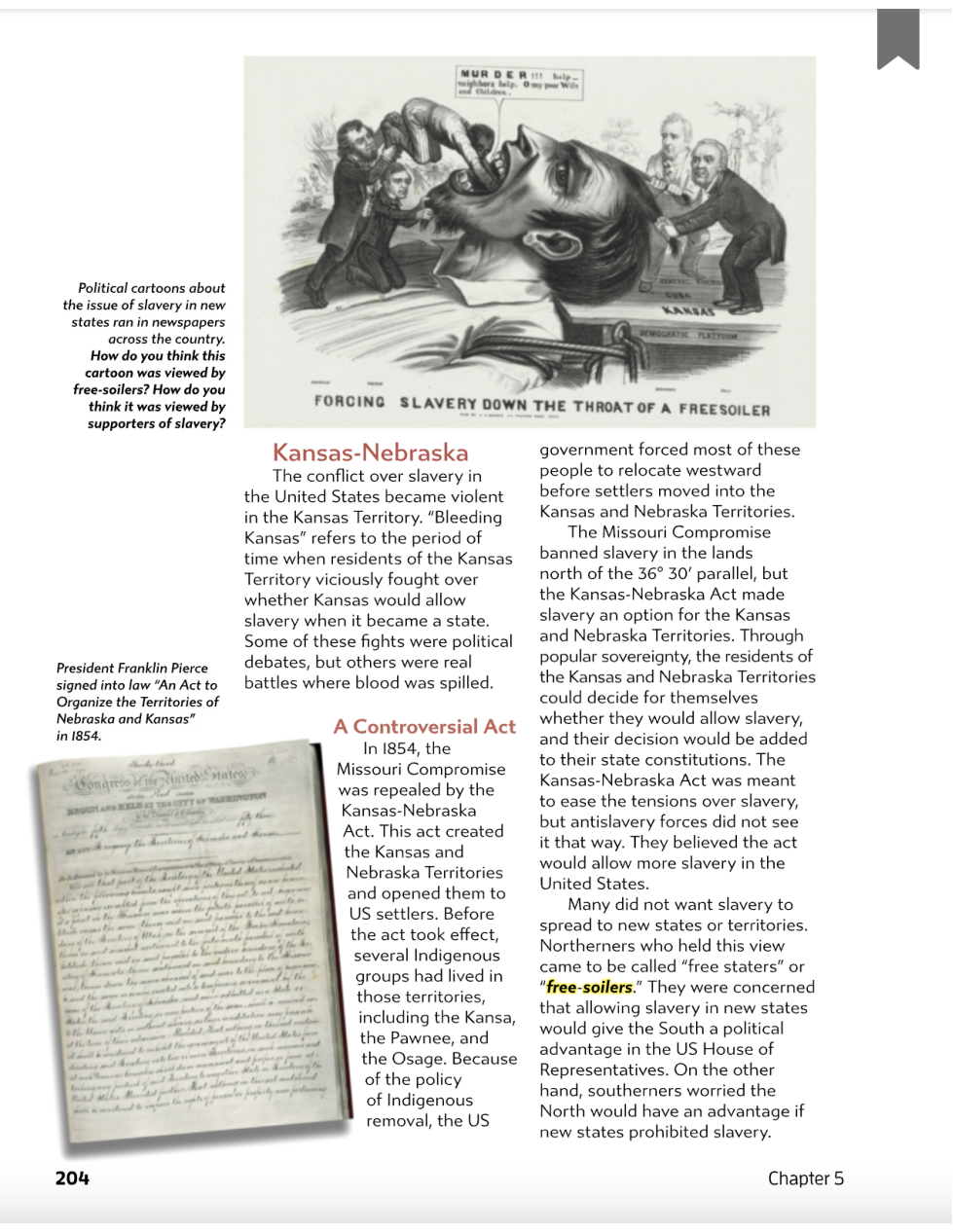
After reading pages 204-207 in the Gibbs Smith text and watching the TedEd Talks, match the following causes and effects of the Kansas-Nebraska Act and the ensuing violence known as "Bleeding Kansas".

Draggable itemarrow_right_altCorresponding Item
Cause: Violent conflicts, such as John Brown's attack at Pottawatomie Creek, occurred in response to pro-slavery attacks.
arrow_right_alt
Effect: The Missouri Compromise was overturned, which had previously banned slavery in Kansas and Nebraska.
arrow_right_alt
arrow_right_alt
arrow_right_alt
arrow_right_alt
Source Information: Brown, John; bust-length; ca. 1856; Records of the Office of the Chief Signal Officer, Record Group 111.
1
Question 13
13.

How is John Brown portrayed in Document A? What are your impressions of him based on this image?

Source Information: The painting to the left is titled "Tragic Prelude" and was created to depict the violent struggle over slavery in Kansas before the Civil War. Abolitionist John Brown is at the center, and he is surrounded by a stormy sky, other armed figures and a burning landscape. It was painted by American artist John Steuart Curry for the Kansas State Capitol building in 1942.
2
Question 14
14.

How is John Brown depicted in this painting, and what does that suggest about his role in the conflict over slavery?

1
Question 15
15.

1
To ban slavery in all new U.S. territories.
To strengthen the Missouri Compromise by keeping slavery out of the northern territories.
To immediately admit Kansas and Nebraska as free states.
To allow popular sovereignty, which let settlers decide whether to allow slavery in Kansas and Nebraska.
Question 2
2.

What was the main belief of a "free-soiler" in the mid-1800s?

They ignored the election, believing that slavery would spread naturally.
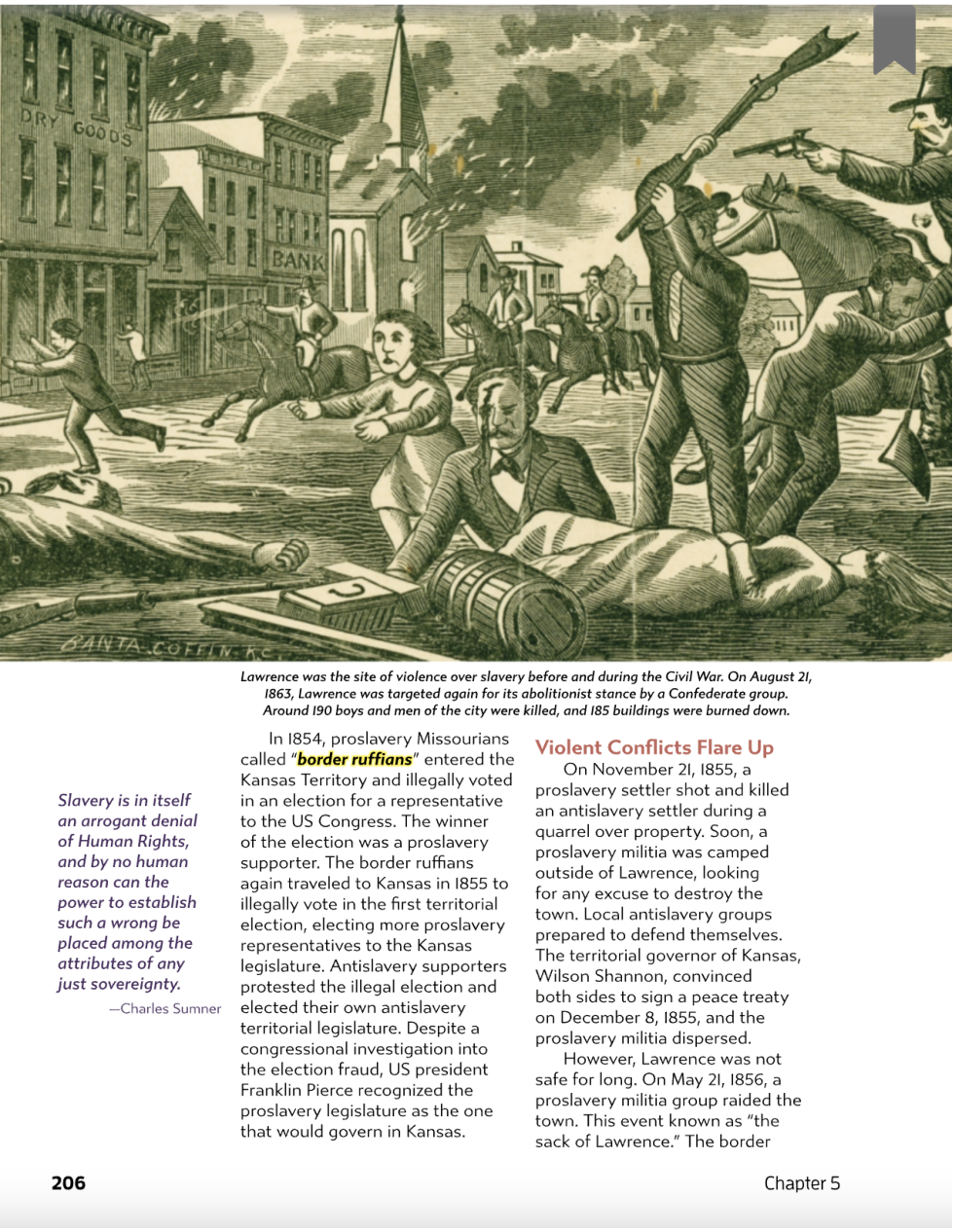
They sent armed groups, known as "Border Ruffians," from Missouri to illegally vote and influence the outcome in favor of slavery.
They withdrew from the vote and focused on expanding slavery in other territories instead.
Question 4
4.

What was the main goal of the ‘border ruffians’ in Kansas?

Question 5
5.

What event is known as 'the sack of Lawrence'?

Question 6
6.

Why did anti-slavery supporters create their own legislature in Kansas?

Question 7
7.

What role did President Franklin Pierce play in Kansas politics?

It resulted in the immediate abolition of slavery in the United States.
It led to the resignation of all Southern senators who supported slavery.
It ended the violence in "Bleeding Kansas" by discouraging further conflict.
Question 9
9.

What was the argument for allowing States to decided for themselves about slavery?

Question 10
10.

Who led a major revolt against pro-slavery ruffians in Kansas?

Question 11
11.

Who defeated Stephen Douglas in the Presidential election of 1860 under the Republican Party ticket?

Cause: The Kansas-Nebraska Act gave pro-slavery advocates hope that slavery could expand into new territories.
Effect: Violent clashes erupted between two sides, leading to a period of conflict known as "Bleeding Kansas"
Cause: Pro-slavery and anti-slavery settlers rushed into Kansas to influence the vote on slavery.
Effect: Northerners, especially abolitionists, became outraged and saw this law as an attempt to spread slavery across the U.S.
Cause: The Kansas-Nebraska Act allowed popular sovereignty, meaning settlers in Kansas and Nebraska could vote on whether to allow slavery.
Effect: These acts of violence deepened sectional divisions and increased tensions between the North and South.
Cause: The Kansas-Nebraska Act made compromises over slavery increasingly difficult.
Effect: This law moved the nation closer to the Civil War by intensifying sectional conflicts and making peaceful resolutions nearly impossible.
How does the artist use color, movement, and imagery to show the tension and violence of "Bleeding Kansas"?
Question 16
16.

A prelude is something that happens before a bigger event, like a warning or introduction.

In what ways does the painting suggest that the events of "Bleeding Kansas" were a prelude to the Civil War?