Twa kɔ nsɛm atitiriw so
Log in
Sign up for FREE
arrow_back
Laabri

Lesson 2: Young People & Credit Cards

star
star
star
star
star
Last updated about 3 hours ago
23 Nsɛmmisa
Hyɛ no nsow a efi ɔkyerɛwfo no hɔ:
0
Asemmisa {{asɛmmisaAhyɛnsode}}
1.

Do you think it’s a good idea for high school students to have a credit card? What about college students? Adults? Explain why you feel this way.

1
1
1

Learning Objectives

Students will be able to:

  • Enumerate the differences between debit, prepaid debit, and credit cards

  • Identify at least 3 ways a young adult can gain access to a credit card, even before they are 21

  • Read a Schumer Box

National Standards for Personal Financial Education

 Managing Credit

  • 1a: Explain how credit card grace periods, methods of interest calculation and fees affect borrowing costs

  • 8b: Explain how a borrower’s credit score can impact their cost of credit and their ability to get credit

Learning Objectives

Students will be able to:

  • Enumerate the differences between debit, prepaid debit, and credit cards

  • Identify at least 3 ways a young adult can gain access to a credit card, even before they are 21

  • Read a Schumer Box

National Standards for Personal Financial Education

 Managing Credit

  • 1a: Explain how credit card grace periods, methods of interest calculation and fees affect borrowing costs

  • 8b: Explain how a borrower’s credit score can impact their cost of credit and their ability to get credit

Question 2
03:00
keyboard_arrow_down
0
Asemmisa {{asɛmmisaAhyɛnsode}}
2.

After watching the video and comparing the cards, which one of the three would be the best option for you as your day-to-day payment method? Explain why.

There’s a ton of good information on this infographic, but let’s focus on two sections which will explain Why Credit Is Useful and, farther down the page, How Young People Get Credit.

0
Asemmisa {{asɛmmisaAhyɛnsode}}
3.

Why might young adults, in particular, value credit in case of emergency?

1
Asemmisa {{asɛmmisaAhyɛnsode}}
4.

If you’re trying to gain access to a credit card before you turn 21, which of the suggestions rely on the support of a parent or guardian? (choose 2)

1
Text
00:00
keyboard_arrow_down

Let’s assume you’re going to open a credit card – and you have a plan for how you’ll qualify for one. There are hundreds (or more) cards available to choose from. How should you decide which one is best for you? This video will highlight four important factors – Annual fee, APR, Penalty fees and rates, and Grace period. Watch the video to learn more. Then, answer the questions.


Questions 6-9
03:48
keyboard_arrow_down
0
Asemmisa {{asɛmmisaAhyɛnsode}}
6.

Which of the four factors directly impact your total cost of using the credit card?

0
Asemmisa {{asɛmmisaAhyɛnsode}}
7.

Miles is planning to open a credit card, charge only his monthly streaming service subscriptions (less than $50 per month), and pay his entire bill in full each month so that he never has to pay interest. Which of these factors do you think is most important for Miles to consider when selecting a card? Why?

0
0

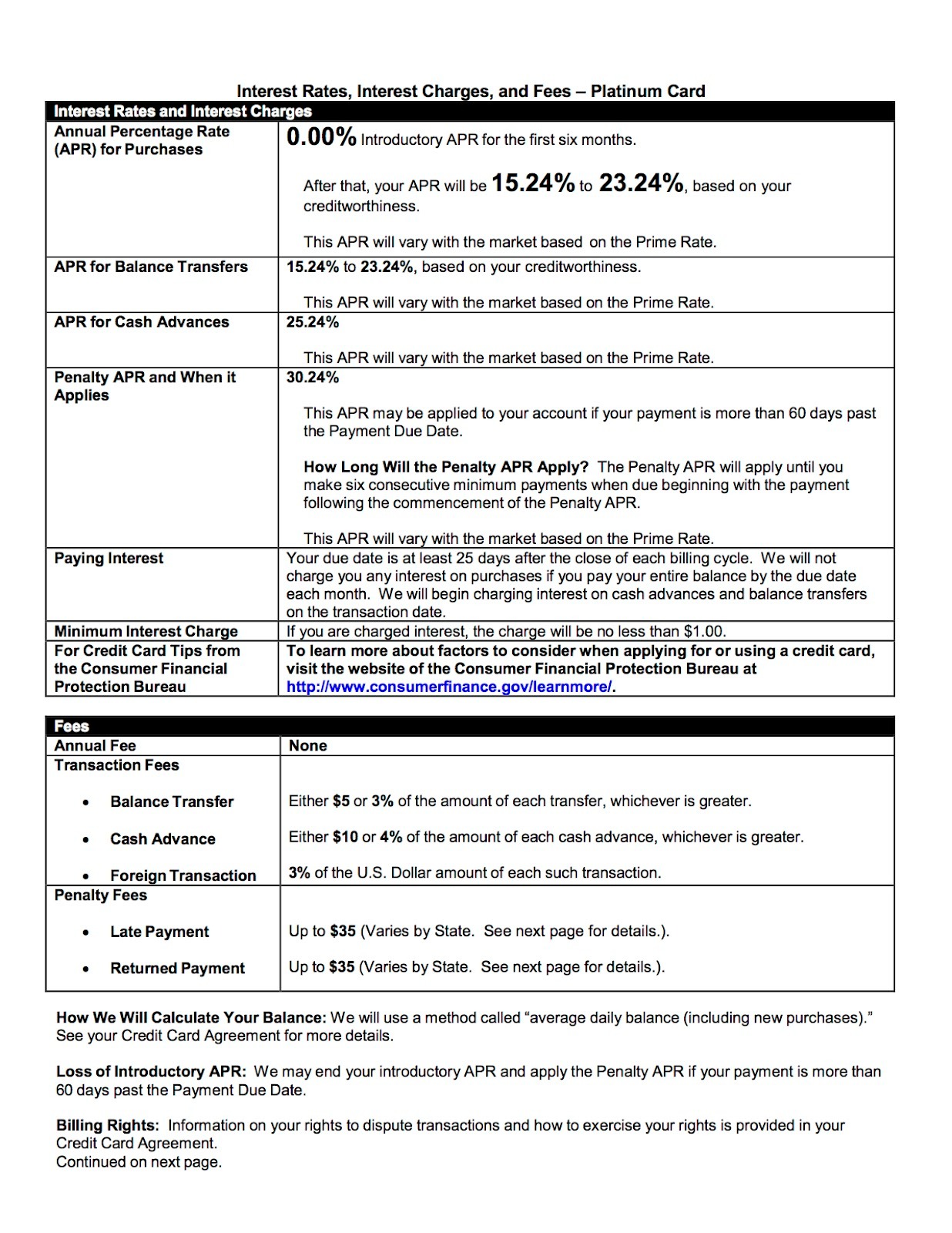
Each of the factors you saw in the video are provided in something called a Schumer Box, which is meant as a written summary of the most important terms and conditions of a specific credit card.

1
1
1
1
1
1
1
1
1
1
0
Asemmisa {{asɛmmisaAhyɛnsode}}
21.

Which statement is true of both debit AND credit cards?

Asemmisa {{asɛmmisaAhyɛnsode}}
22.

Felix opens a credit card with no annual fee, so he assumes that using the credit card regularly will be absolutely free for the next two years while he finishes grad school. Why is his assumption incorrect?

Asemmisa {{asɛmmisaAhyɛnsode}}
23.

Which statement best describes a Schumer box?

Asemmisa {{asɛmmisaAhyɛnsode}}
5.

Which of the suggestions do NOT rely on the support of a parent or guardian? (choose two)

Asemmisa {{asɛmmisaAhyɛnsode}}
8.

Delara is opening a credit card because her budget is really tight right now and she’s struggling to pay all of her expenses based on her income.

a) Why might a card with a long grace period be in her best interest?

Asemmisa {{asɛmmisaAhyɛnsode}}
9.

Delara is opening a credit card because her budget is really tight right now and she’s struggling to pay all of her expenses based on her income.

b) She knows she’ll be making only the minimum monthly payments each month until she can find a job where she’ll earn more income. This means some of her payment every month will go toward paying interest rather than paying down her principal. What other factor(s) might be most important to Delara? Why?

Asemmisa {{asɛmmisaAhyɛnsode}}
10.

What is the introductory APR (interest rate) on this card?

Asemmisa {{asɛmmisaAhyɛnsode}}
11.

Josephine says, “This is a great credit card, because the APR is always 0%!” Which of the following statements is actually TRUE?

Asemmisa {{asɛmmisaAhyɛnsode}}
12.

After the introductory period, everyone who has this Platinum Card will...

Asemmisa {{asɛmmisaAhyɛnsode}}
13.

Jordan accidentally uses his credit card to get $40 in cash from an ATM instead of using his debit card. What happens?

Asemmisa {{asɛmmisaAhyɛnsode}}
14.

Which transaction type has the highest APR?

Asemmisa {{asɛmmisaAhyɛnsode}}
15.

What might cause someone to lose their introductory APR and trigger the Penalty APR?

Asemmisa {{asɛmmisaAhyɛnsode}}
16.

Louisa’s APR was 19.99%, with an average balance of $1,000. About how much interest did she pay over the year?

Asemmisa {{asɛmmisaAhyɛnsode}}
17.

Devon forgets to pay his credit card bill for three months. Which of the following statements is TRUE?

Asemmisa {{asɛmmisaAhyɛnsode}}
18.

Tamara goes to Italy and purchases $200 of souvenirs using her credit card. How much will she pay in foreign transaction fees?

Asemmisa {{asɛmmisaAhyɛnsode}}
19.

All of the following actions lead to paying a credit card fee EXCEPT...

Asemmisa {{asɛmmisaAhyɛnsode}}
20.

List three pieces of information listed in a Schumer Box that someone should review before signing up for a credit card. Explain why you chose these three.