Use the reading below to help you answer the questions.
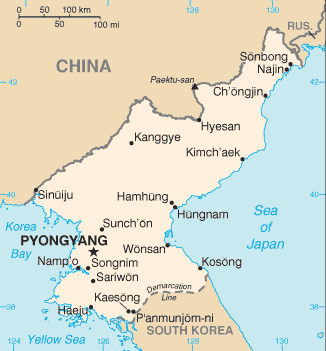
One man leads North Korea and controls its government. He also controls its ruling political party. The ruling party chooses candidates for an Assembly, and citizens vote. The candidates do not have opponents, so citizens have no choices.
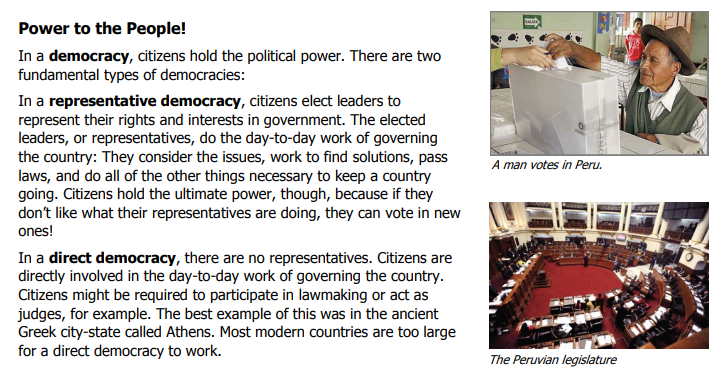
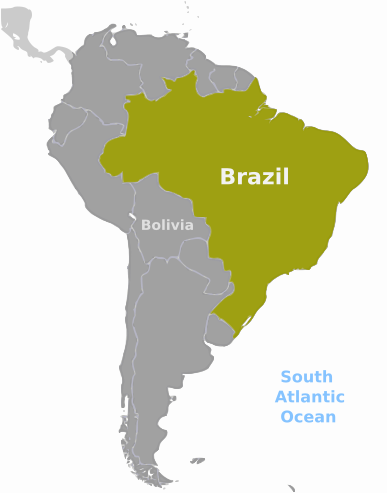
Brazil is led by a president who is elected by the citizens. Citizens in Brazil elect a new president every four years. Citizens also elect representatives to serve in two different legislative bodies.
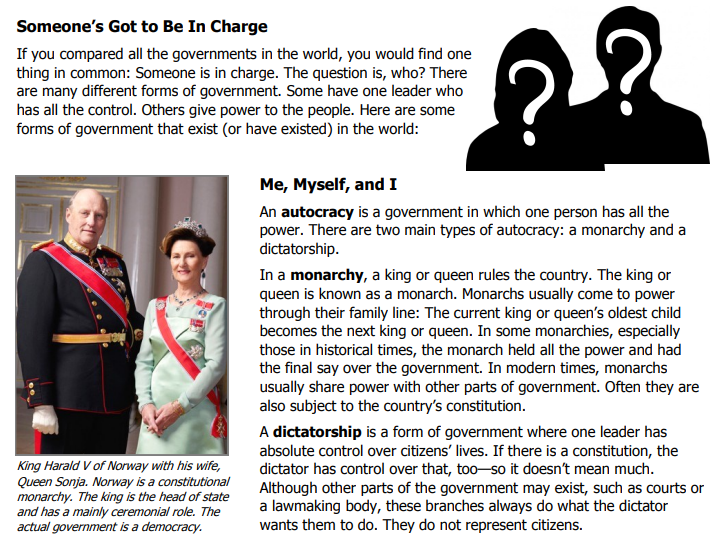
A monarchy can be like a dictatorship or it can be a part of a democracy.
A dictatorship can also be a democracy.
A democracy can have both representative and direct characteristics at the same time.
An oligarchy can include representative democracy.
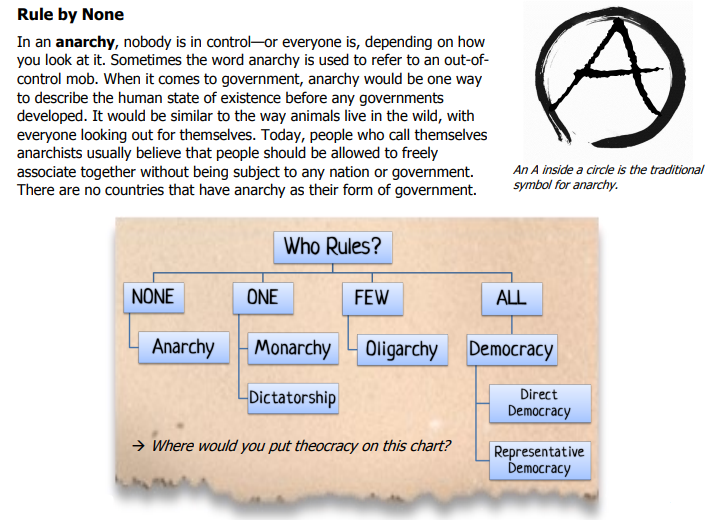
A government can be both a monarchy and an anarchy at the same time.
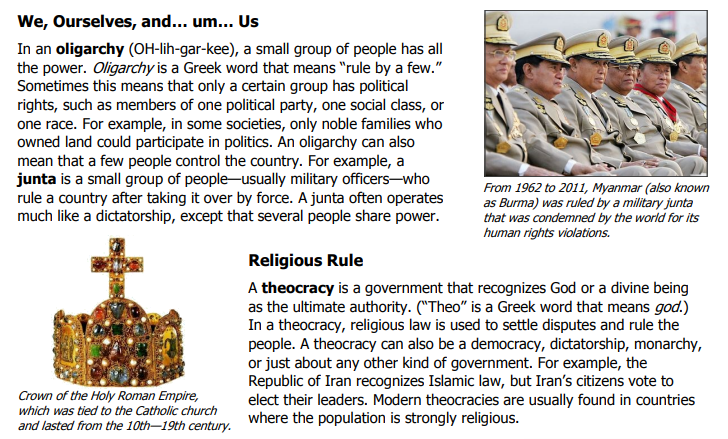
Theocracy can co-exist with monarchy.
Theocracy can co-exist with democracy.
An oligarchy can be like a dictatorship.
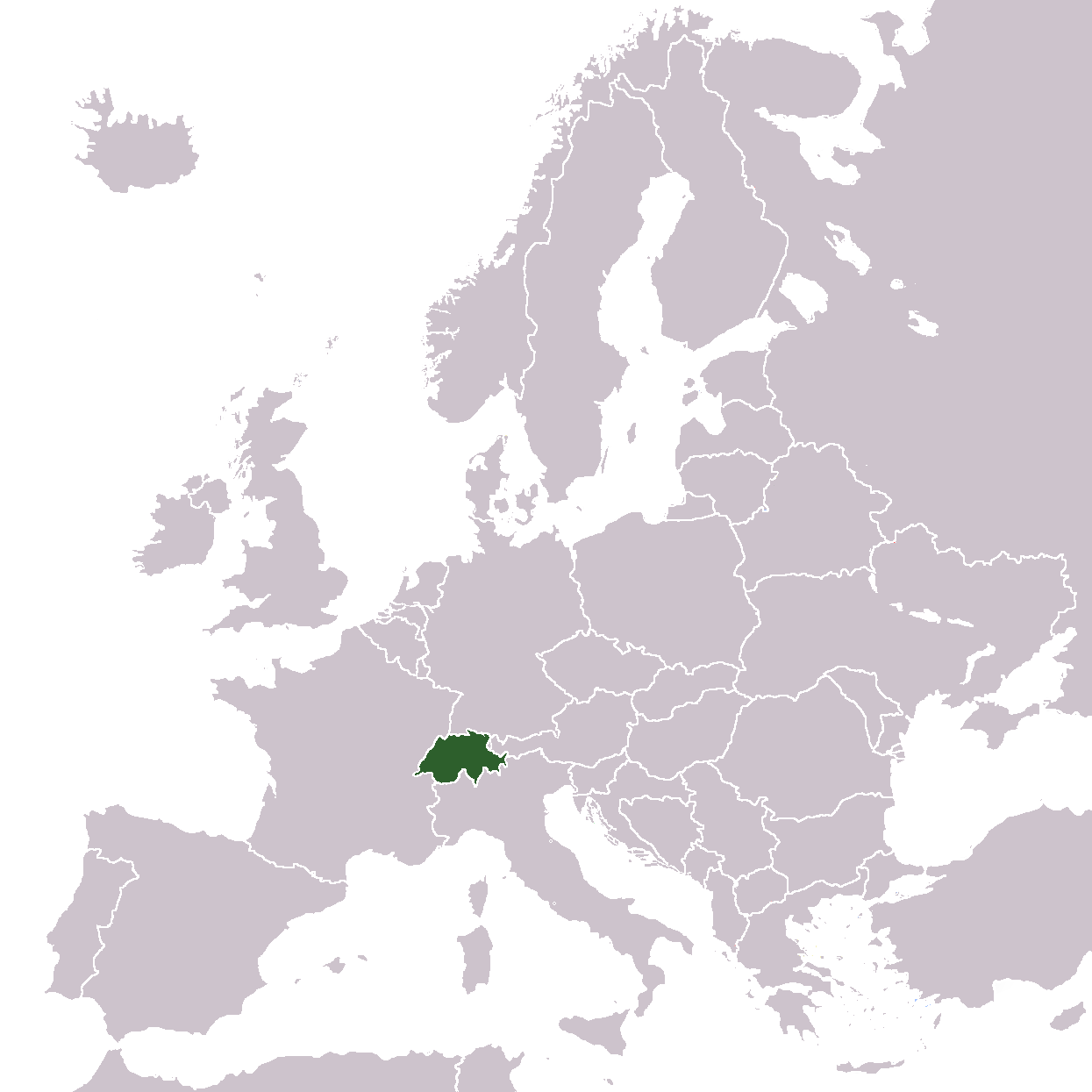
In Switzerland, citizens elect representatives to sit in two different lawmaking assemblies. But citizens also vote several times a year to decide on laws. Citizens can vote to propose their own laws or undo laws passed by their representatives. All citizens may vote directly on these laws.
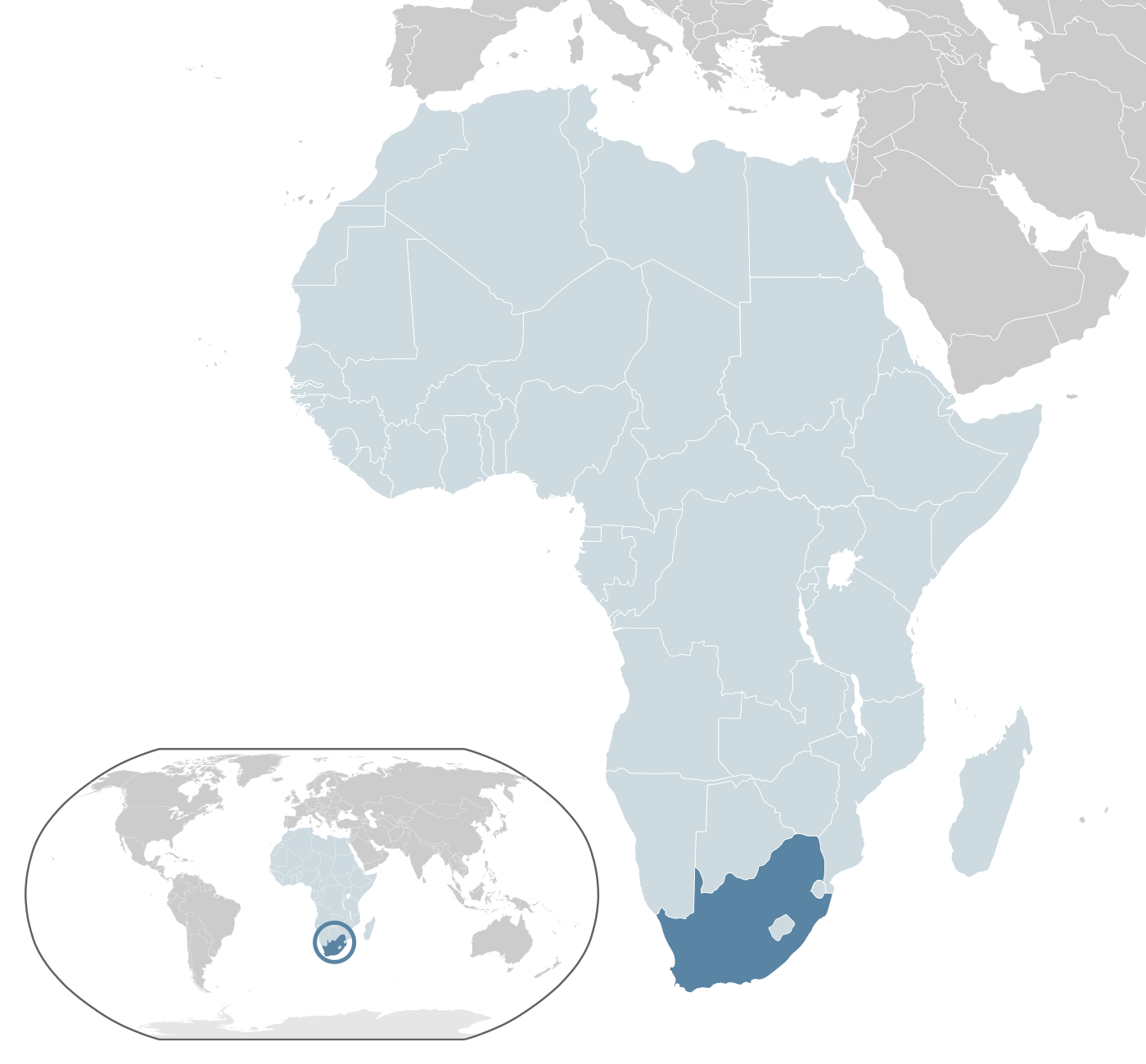
From 1948-1994, official policy in South Africa gave white people all the political power. Even though the majority of South Africans were black, non-whites could not influence government. White South Africans elected representatives to sit in a lawmaking body.
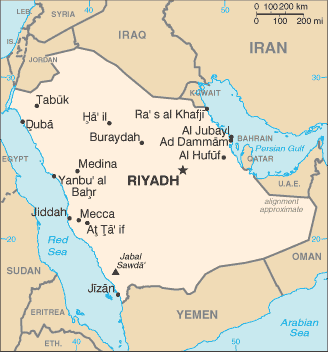
Saudi Arabia is led by a king. The king appoints a Council of Ministers to help govern, but there are no elections. Saudi Arabia's Basic Law states that the country's constitution is the Islamic holy book of the Qur'an and other religious traditions.
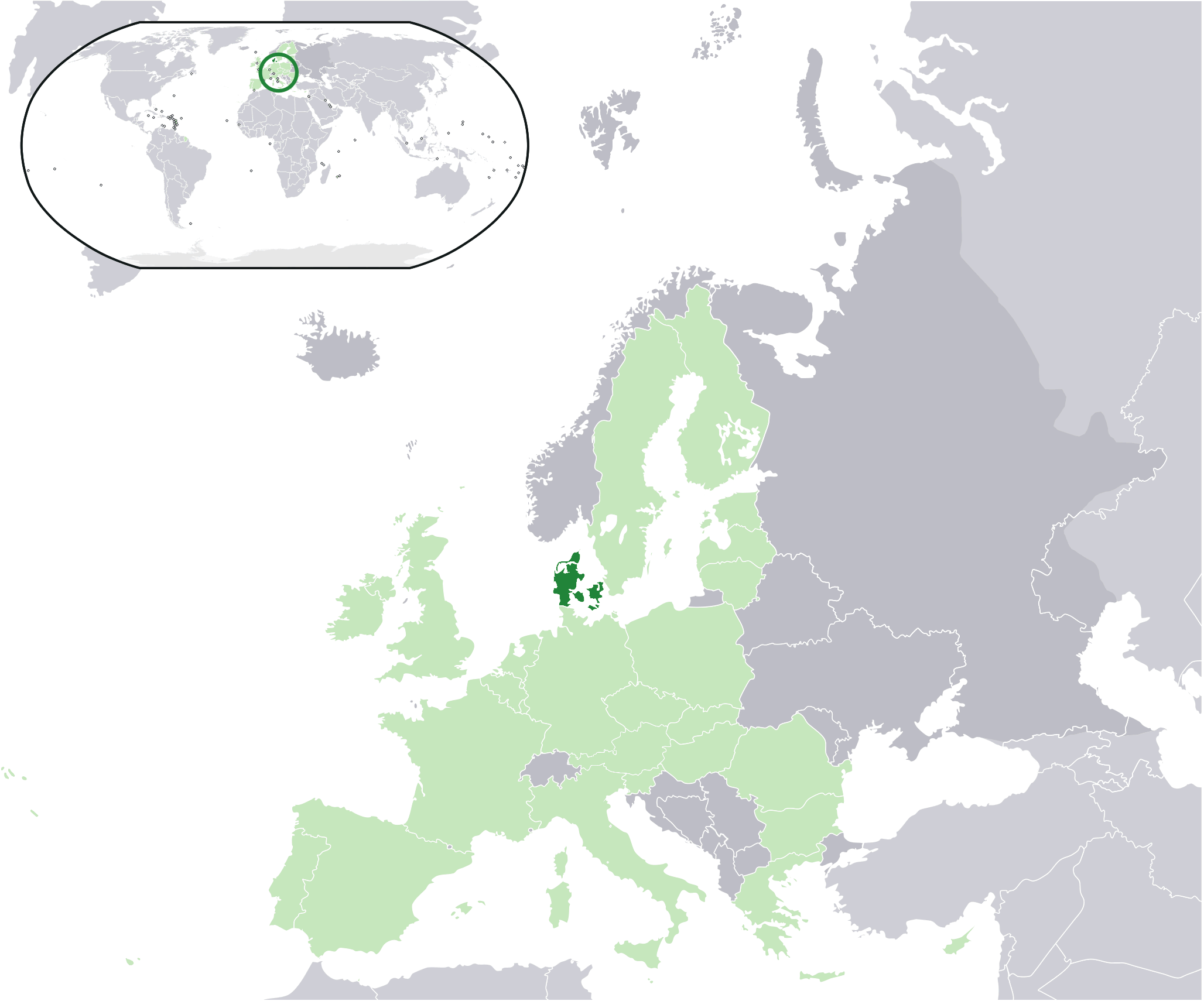
The people of Denmark elect representatives to sit in Parliament, a lawmaking body. The Queen of Denmark heads the country, but she only has a small role in government. The government is led by a Prime Minister, who is appointed from among the elected representatives.
The Founders created three branches of government in order to...
Which branch is the largest?
Which branch makes the laws?
Which branch carries out the laws?
Which branch interprets the laws?
Only certain federal courts are part of the federal judicial branch.