U8.SQ3 - Civil Rights Successes & Challenges (Day #1)
U8.SQ3 - Civil Rights Successes & Challenges (Day #2)
Compelling Question: What tactics did individuals or groups use to gain freedom, and how successful were those efforts?
DO-NOW: Predict 🧐
1
Question 1
1.
How did different Civil Rights tactics (nonviolent protest, political action, and Black Power) impact the success of gaining freedom?
Contextualize 🔍️
1
1
1
1
Source 2:
Legal & Political Action
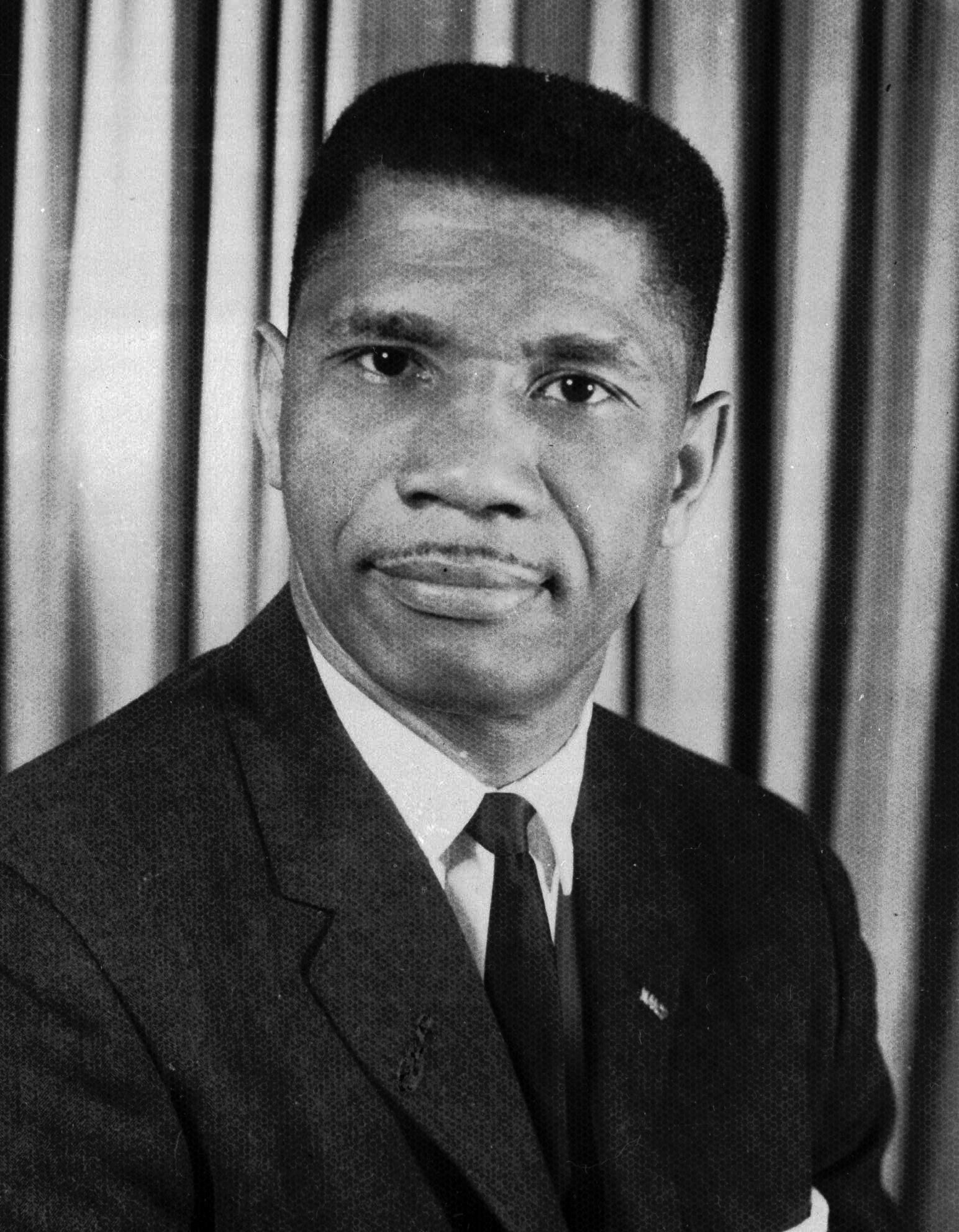
NAACP. (n.d.). Medgar Evers. https://naacp.org
Legal and political action means using laws, courts, and voting to create change and gain rights.
Examples: Voter Education Project, Freedom Summer
Organizations: NAACP, SCLC
Successes:
Increased voter registration
Built political power
Helped lead to Voting Rights protections
Challenges:
Intimidation and violence
Local resistance (especially Mississippi)
Limited immediate impact in some areas
1
1
1
Source 3: Audio Recording of Telephone Conversation between Lyndon B. Johnson (President) and Martin Luther King Jr. (1963)
Caption: Lyndon Johnson called Martin Luther King Jr. shortly after John F. Kennedy’s assassination in 1963 to tell him his plan to pass federal civil rights legislation as a tribute to Kennedy. The former president said told the civil rights leader, ‘I’m going to try to be of all of your hopes.’
Source 4: Photograph of LBJ & MLK Jr. in the Oval Office
Caption: Martin Luther King, Jr., talks with President Lyndon B. Johnson, December 3, 1963.
Engage Sources 📜
1
Question 9
9.
Based on Sources 1 and 2, how would you describe the relationship between Martin Luther King Jr. and President Lyndon B. Johnson?
Source 5: FBI's Poison Pen Letter to MLK Exposed: America's Book Of Secrets, History Channel (2021)
Engage Sources 📜
1
Question 10
10.
Based on Source 3, how would you describe the relationship between Martin Luther King Jr. and the FBI?
Source 6: Letter to Martin Luther King, Jr. from FBI assistant director William C. Sullivan (1964)
Engage Sources 📜
5
Question 11
11.
CREDIT FOR COMPLETING ANNOTATIONS & QUESTIONS ON LETTER (PAPER) __________
END OF DAY #1
U8.SQ3 - Civil Rights Successes & Challenges
To be continued tommorrow...
Supporting Question: What were the greatest successes and challenges of the Civil Rights Movement?
DO-NOW: Predict 🧐
1
Question 12
12.
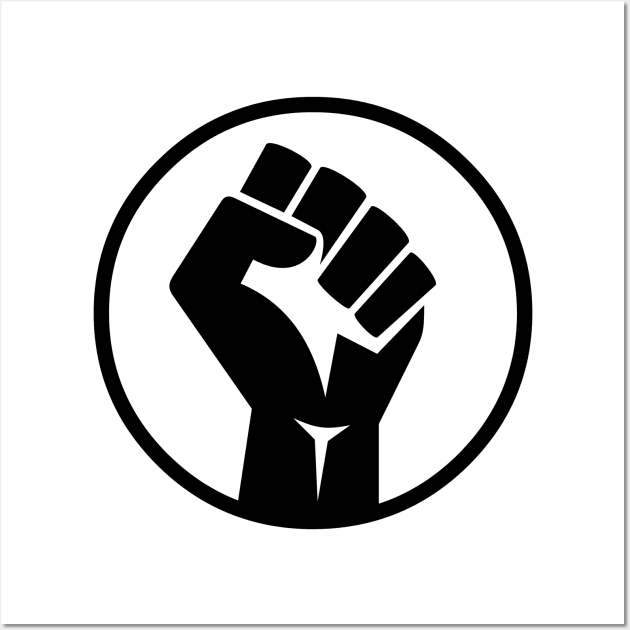
When you see this symbol, what does it mean or represent to you?
Contextualize 🔍️
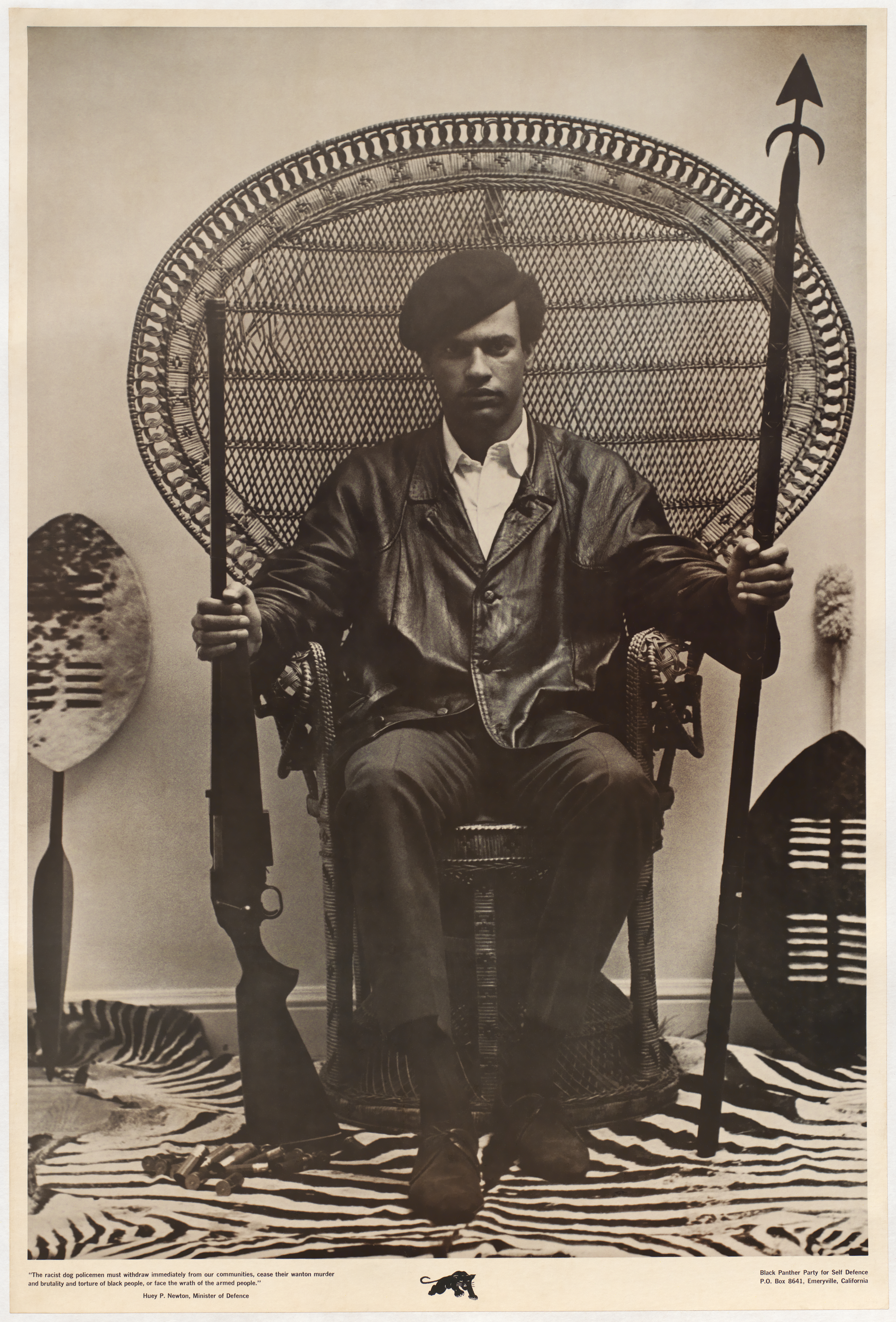
In 1966, Huey Newton and Bobby Seale created the Black Panther Party for Self Defense to address police oppression of blacks in Oakland, California. Because community members also turned to the Panthers for help with economic and social problems like job discrimination and evictions, the Panthers started community services in 1969 to build community self-determination. The Panthers’ first and most successful community program was the Free Breakfast for Children Program.
1
1
1
1
Source 8: Civil Rights Act (1964)
1
Question 17
17.
This source represents a __________ of the Civil Rights Movement.
1
Question 18
18.
Explanation:
Source 9: Voting Rights Act (1965)
1
Question 19
19.
This source represents a __________ of the Civil Rights Movement.
1
Question 20
20.
Explanation:
Source 10: Letter to Martin Luther King, Jr. from FBI assistant director William C. Sullivan (1964)
1
Question 21
21.
This source represents a __________ of the Civil Rights Movement.
1
Question 22
22.
Explanation:
Source 11: Article by Nan Enstad in Time Magazine (2020)
1
Question 23
23.
This source represents a __________ of the Civil Rights Movement.
1
Question 24
24.
Explanation:
Source 12: Photo of the March on Washington for Jobs & Freedom (August 28, 1963)
1
Question 25
25.
This source represents a __________ of the Civil Rights Movement.
1
Question 26
26.
Explanation:
Source 13: Newspaper article on MLK Jr. assassination (1968)
1
Question 27
27.
This source represents a __________ of the Civil Rights Movement.
1
Question 28
28.
Explanation:
Source 14: Photo of John Lewis (foreground) is beaten by a state trooper in Selma, Alabama, on March 7, 1965. The future congressman suffered a fractured skull.
1
Question 29
29.
This source represents a __________ of the Civil Rights Movement.
1
Question 30
30.
Explanation:
Source 15: Various Photographs of the Black Panther Party Free Food Programs (1970s)
1
Question 31
31.
This source represents a __________ of the Civil Rights Movement.
1
Question 32
32.
Explanation:
Communicate Conclusions 📢 | MASTERY (70%)
1
Question 33
33.
U8.SQ3 - Exit Ticket: Answer the supporting question below using a Claim, Evidence, Reasoning format and at least one (1) source from the assignment.
What tactics did individuals or groups use to gain freedom, and how successful were those efforts?
HS.UH.I.CC.2
One tactic used to gain freedom was __________. This tactic was used by __________. According to the source, __________. This shows that __________. Therefore, this tactic was (effective / not effective) because __________.
Source 1:
Nonviolence and Civil Rights:
The King Center. (n.d.). Nonviolence. https://thekingcenter.org
Nonviolence is a set of values that rejects violence and encourages change through peaceful actions
Dr. Martin Luther King, Jr. and other leaders of the Civil Rights Movement believed nonviolence was the best way to achieve equality for Black Americans during the civil rights era.
Nonviolent Direct Action
Examples: Freedom Riders, Sit-ins, March on Washington
Leaders: Martin Luther King Jr., Medgar Evers
Successes:
Exposed segregation to national media
Pressured federal government to act
Led to enforcement of desegregation laws
Challenges:
Violence (beatings, bombings, murders)
Slow progress
Relied on federal support
Question 2
2.
What was a significant event shown in the image?
Question 3
3.
Which leader is associated with the event in the image?
Question 4
4.
What was a goal of the march depicted in the image?
Question 5
5.
What method of protest was used during the event in the image?
Contextualize 🔍
Medger Evers
Throughout his short life, Medgar Evers heroically spoke out against racism in the deeply divided South. He fought against cruel Jim Crow laws, protested segregation in education, and launched an investigation into the Emmett Till lynching. In addition to playing a role in the civil rights movement, he served as the NAACP's first field officer in Mississippi.
Question 6
6.
What was a success of legal and political action in the movement?
Question 7
7.
Which challenge was faced during the Voting Rights movement?
Question 8
8.
What organization focused on civil rights and voting education?
Source 7:
Black Power / Self-Defense / Radical Change February 11, 2010
/ Contributed By: Diane Pien
Leaders:Malcolm X
Stokely Carmichael
Fred Hampton
Black Panther Party
Tactics:
Promoting Black pride and self-determination
Community programs (food, education, health clinics)
Armed self-defense (in some cases)
Successes:
Empowered Black communities
Shifted the movement toward independence and identity
Addressed economic inequality
Challenges:
Seen as too radical by some Americans
Government surveillance and suppression
Internal divisions within the movement
Question 13
13.
What was a primary goal of the Black Panther Party?
Question 14
14.
Which tactic did the Black Panther Party often use?
Question 15
15.
What was a challenge faced by Black Power movements?