Albinism Pedigree Chart
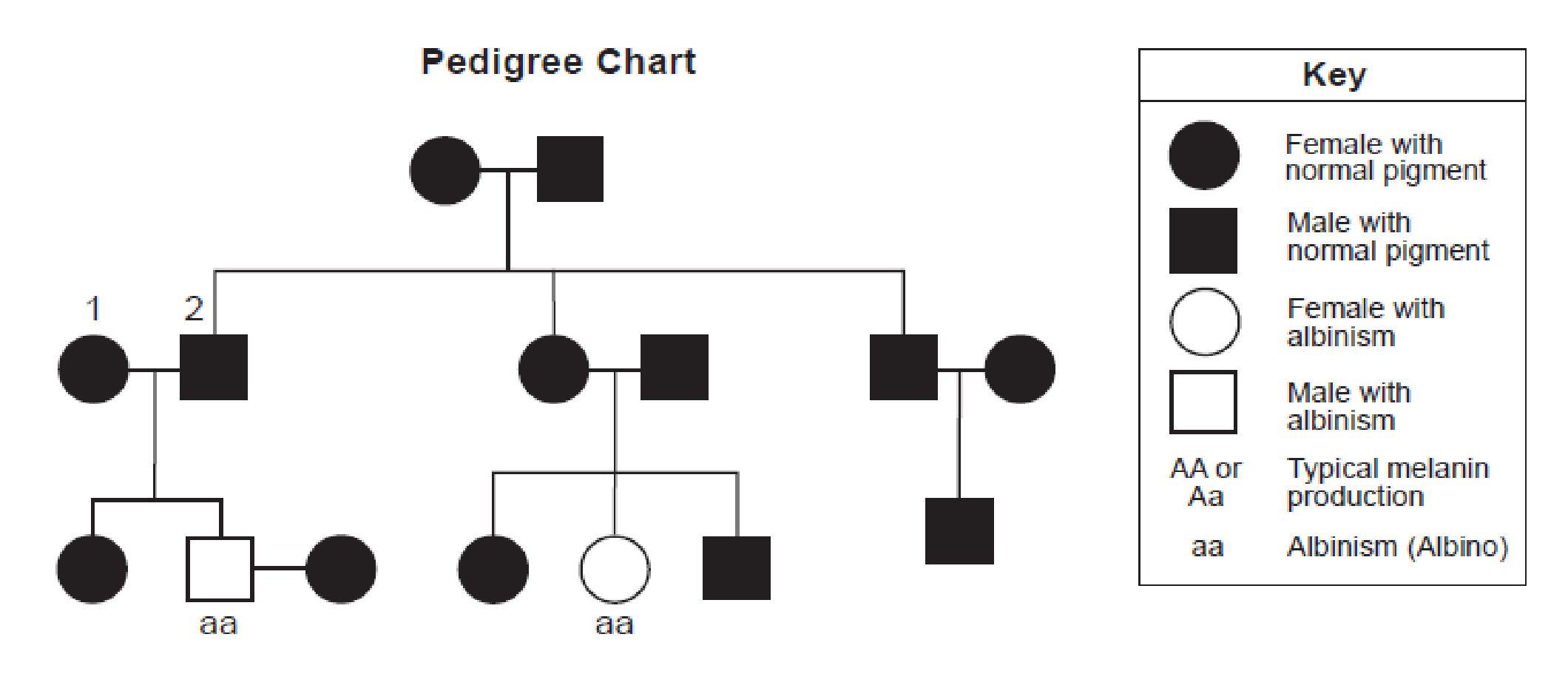
Individuals with albinism produce less melanin than individuals without albinism. Melanin is a pigment made by the human body that is responsible for a person’s skin tone, eye color, and hair color. Albinism is inherited as a somatic recessive gene. The gene may be carried by both parents that produce normal pigment, but passed on to their child which can than be born with albinism.
Oculocutaneous albinism is a group of conditions that affect coloring (pigmentation) of the skin, hair, and eyes. Affected individuals typically have very fair skin and white or light-colored hair. Long-term sun exposure greatly increases the risk of skin damage and skin cancers, including an aggressive form of skin cancer called melanoma, in people with this condition. Oculocutaneous albinism also reduces pigmentation of the colored part of the eye (the iris) and the light-sensitive tissue at the back of the eye (the retina). People with this condition usually have vision problems such as reduced sharpness; rapid, involuntary eye movements (nystagmus); and increased sensitivity to light (photophobia).
Figure 1. Pedigree Chart
Source:
NYS 8th Grade Science Examination, 2023