CRISPR Gene-Edited Crops
Genetic engineering allows scientists to directly modify DNA sequences to create new, inheritable traits. One of the most widely used tools in modern biotechnology is CRISPR-Cas9, a system that can cut DNA at specific locations and insert, delete, or replace nucleotide sequences. This technology has dramatically accelerated the development of genetically modified organisms, including crop plants designed to withstand environmental stress. One real-world example is drought-resistant rice, engineered to survive longer periods without water by altering specific genes associated with water-use efficiency.
Traditional plant breeding can take many years and depends on naturally occurring genetic variation. In contrast, CRISPR enables scientists to introduce precise changes, such as enhancing the activity of genes involved in root development or reducing water loss through stomata. These changes modify the DNA sequence in plant cells. When these engineered cells are used to grow full plants, the new genetic trait becomes part of the plant’s chromosomes. The engineered plant can then pass these modified genes to its offspring, demonstrating a direct example of how genetic engineering creates inheritable genetic variation.
Diagram 1.
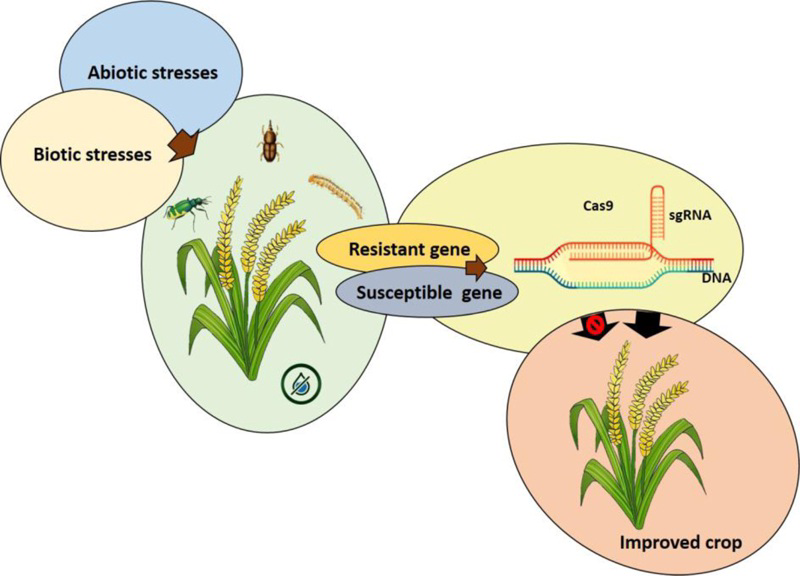 Source: https://openbiotechnologyjournal.com/VOLUME/16/ELOCATOR/e187407072205190/FULLTEXT/
One target gene for drought tolerance is OsDREB2A, a regulatory gene involved in stress-response pathways. CRISPR editing can increase this gene’s activity, allowing plants to maintain growth even when water is limited. Experiments comparing CRISPR-edited rice to non-edited varieties show clear differences in survival rates, biomass production, and grain yield under reduced-water conditions. These results provide measurable evidence of how specific DNA alterations can produce beneficial traits.
Diagram 2.
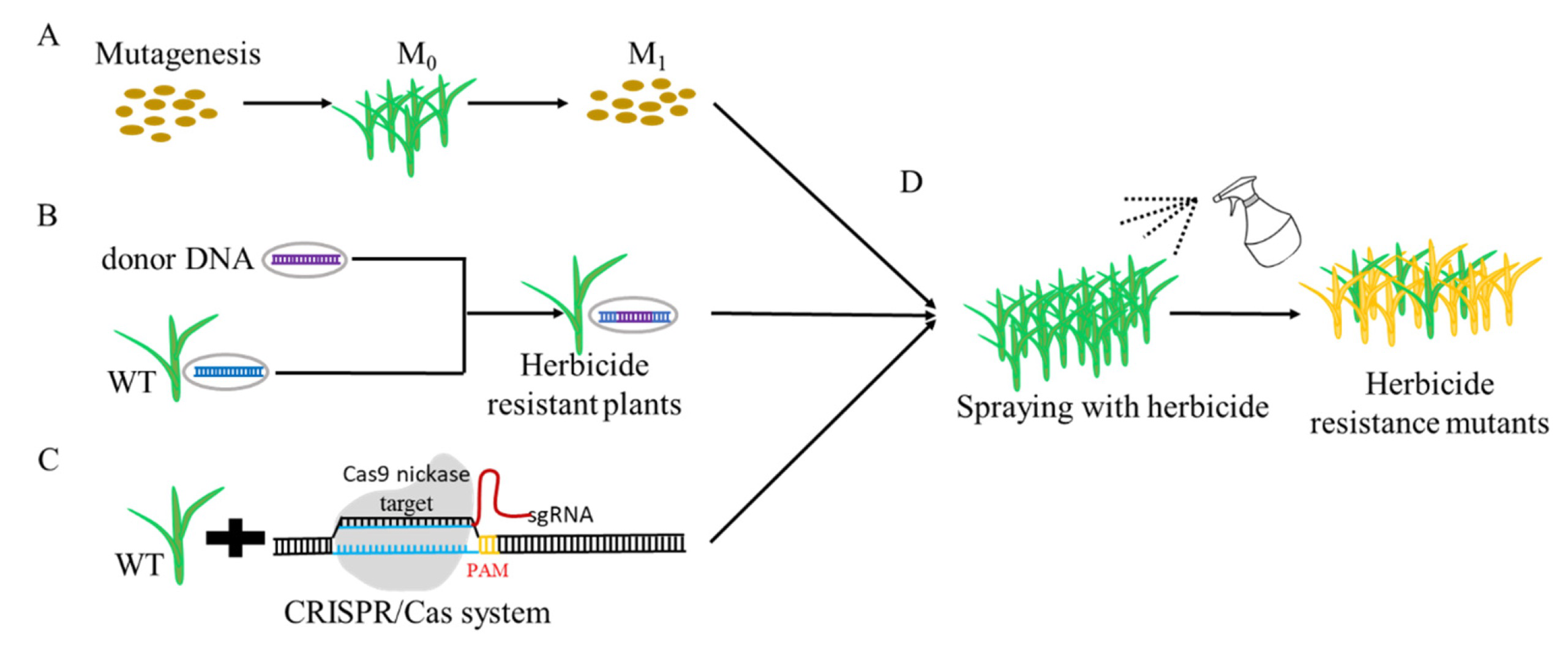
Source:
https://www.mdpi.com/2073-4425/12/6/912
Environmental pressures such as drought make this type of genetic variation particularly valuable. Climate change is increasing the frequency of extreme weather events, and crops with enhanced stress tolerance are becoming essential for maintaining global food supplies. Genetic engineering offers a way to introduce useful traits faster and more precisely than relying on natural mutation or recombination.
Table 1.
Water Availability (% of normal) | Average Biomass % Edited (g) | Average Biomass % Non-Edited (g) |
|---|
100 | 45 | 44 |
75 | 40 | 31 |
50 | 32 | 18 |
25 | 22 | 8 |
Graph of Information - Figure 1.
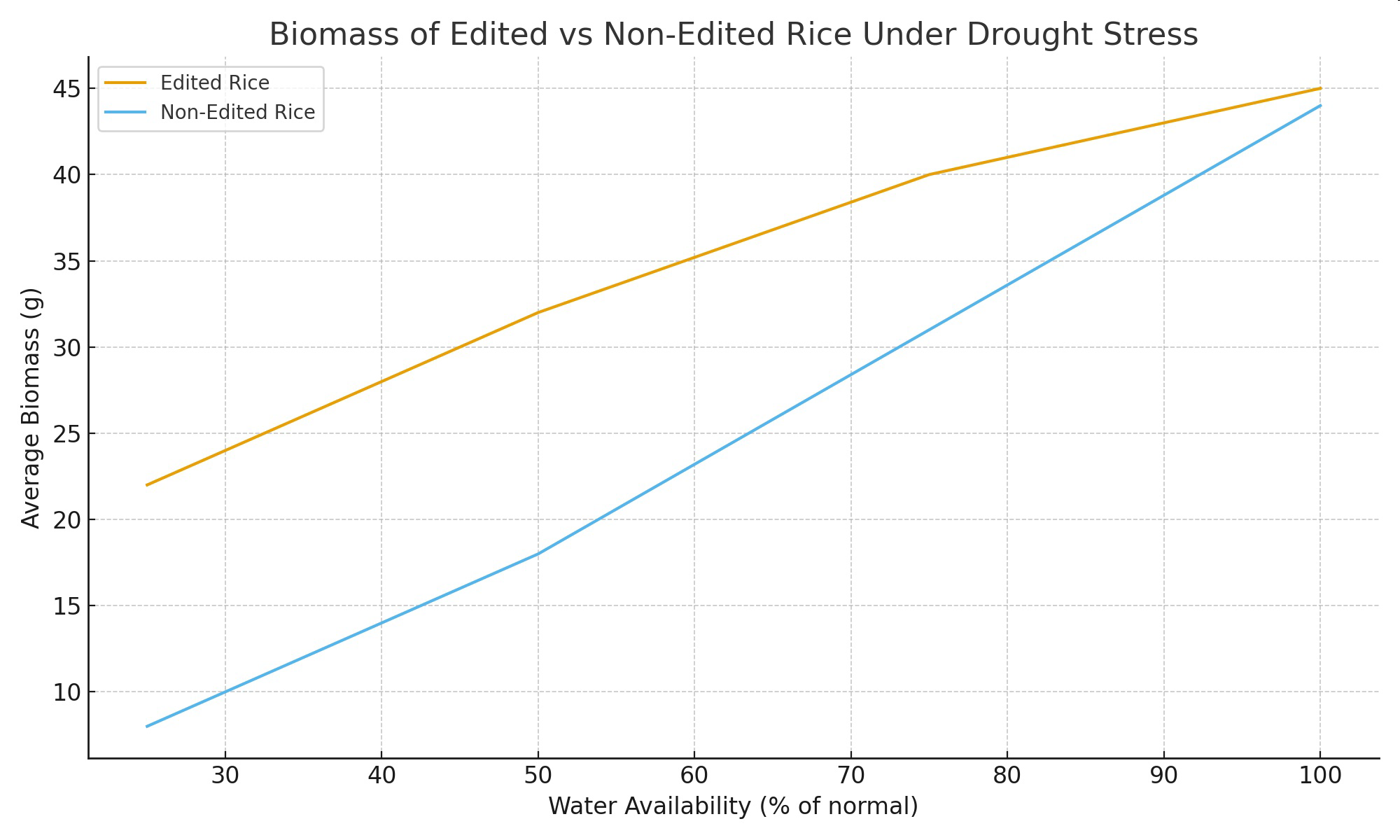
Table 2.
Water Availability (%) | Edited Yield (g/plant) | Non-Edited Yield (g/plant) |
|---|
100 | 30 | 29 |
75 | 25 | 18 |
50 | 18 | 9 |
25 | 10 | 3 |
Graph of Information - Figure 2.
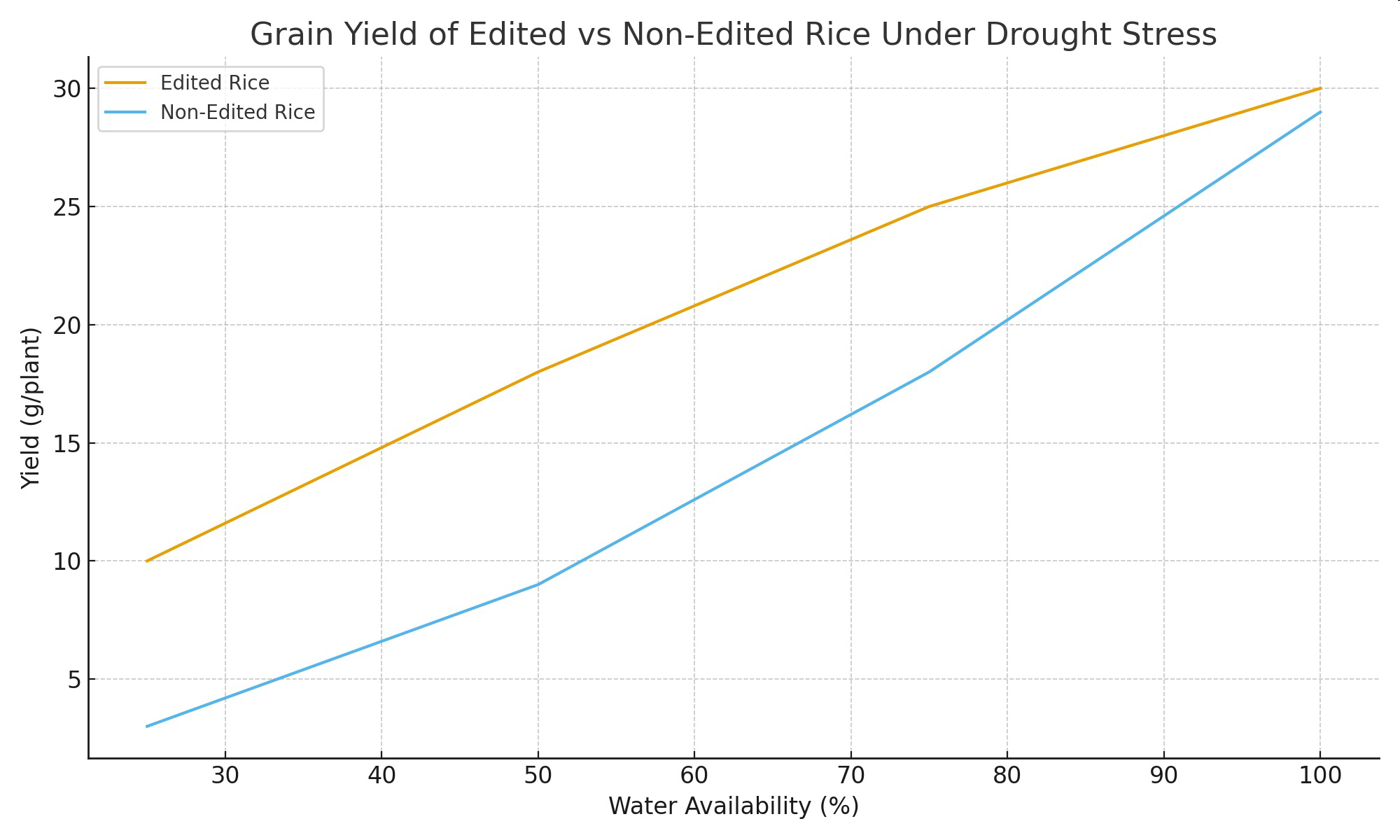
Diagram 3.
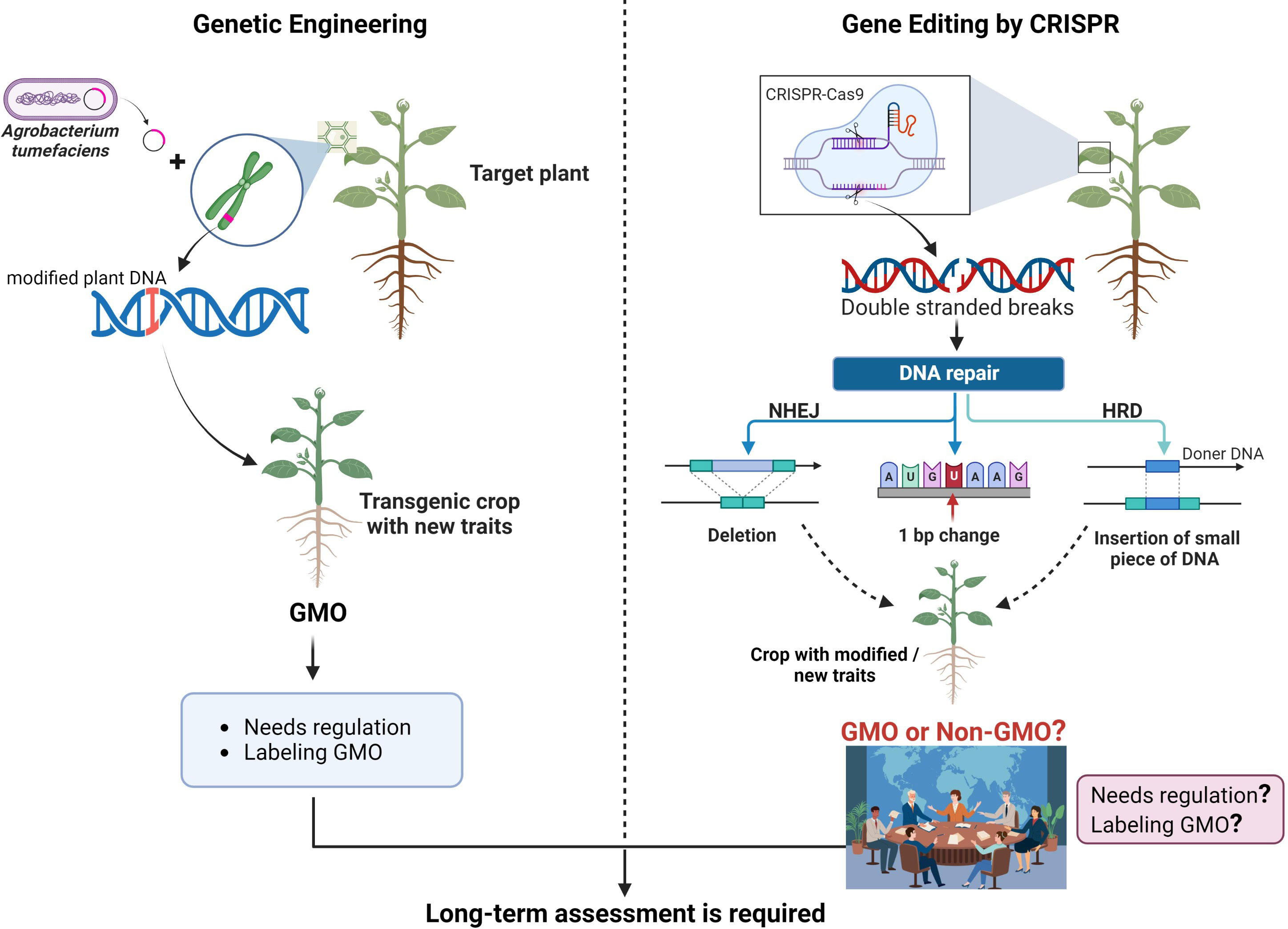 Source: https://www.frontiersin.org/journals/plant-science/articles/10.3389/fpls.2023.1232938/full