Down Syndrome and Nondisjunction During Meiosis
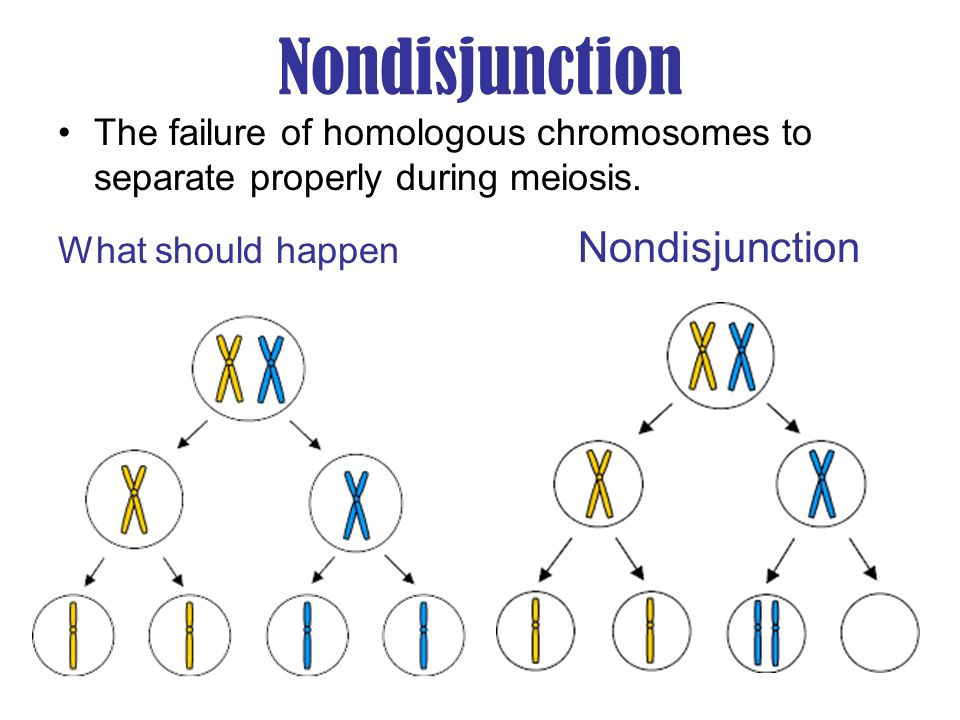
During human reproduction, cells undergo a specialized type of division called meiosis, which reduces the chromosome number by half so gametes (egg and sperm) each contain one copy of every chromosome. When fertilization occurs, the resulting embryo receives two complete sets—one from each parent. This carefully controlled process ensures stable inheritance patterns across generations. However, when meiosis does not proceed correctly, chromosomes may fail to separate evenly. Such events are known as nondisjunction, and they can lead to inheritable genetic variations in offspring.
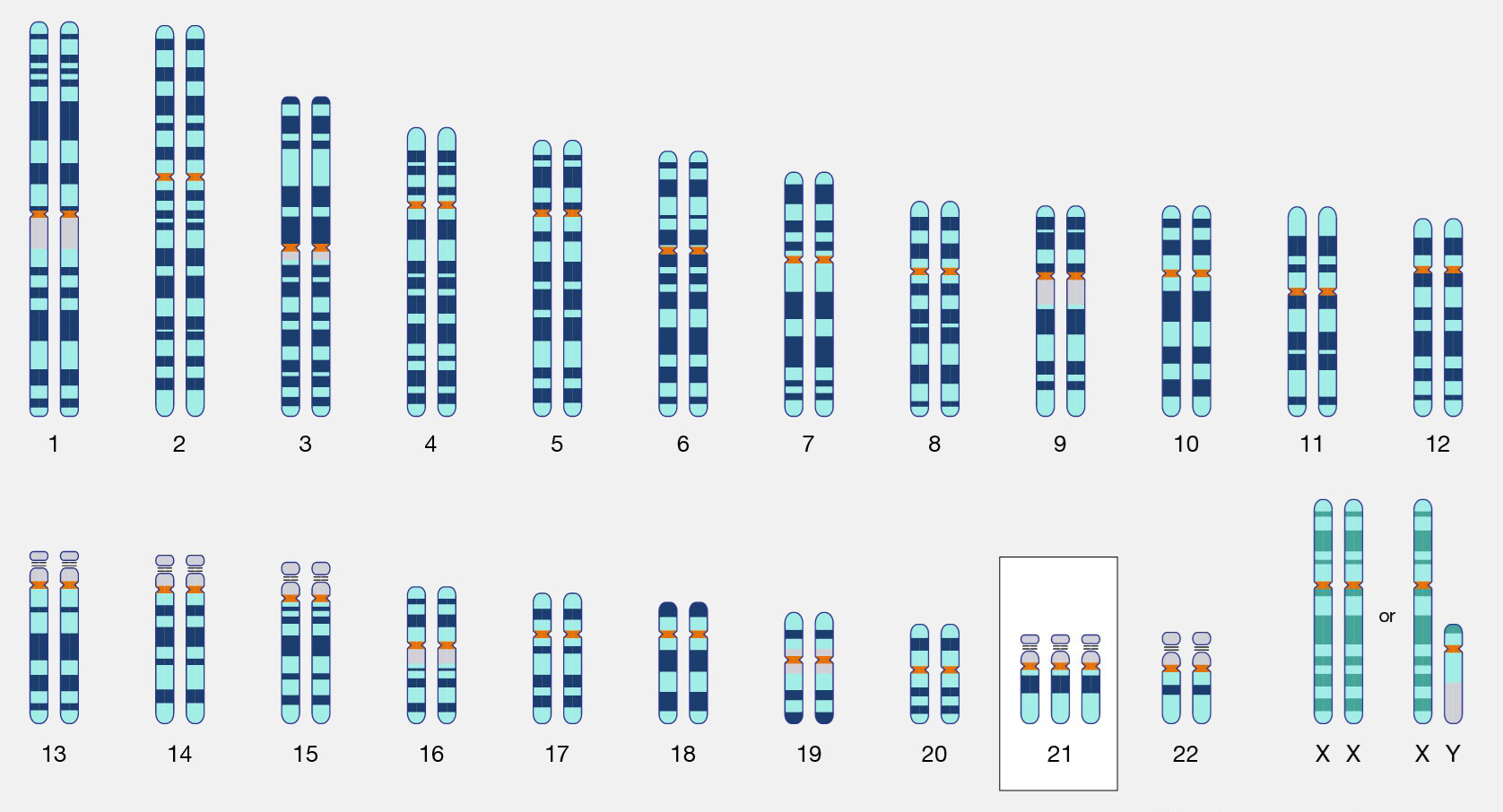
One of the best-known examples of nondisjunction is Down syndrome, a condition caused by the presence of an extra copy of chromosome 21, resulting in trisomy 21. Normally, individuals inherit two copies of chromosome 21, but nondisjunction can occur during meiosis I or meiosis II in a parent’s gamete formation. If an egg or sperm cell ends up with two copies of chromosome 21 instead of one, and this gamete is involved in fertilization, the resulting zygote will contain three copies. This change is present in every cell of the developing embryo and remains throughout life.
Diagram 1.
 Source: https://fity.club/lists/suggestions/nondisjunction-in-mitosis/
Down syndrome is characterized by recognizable physical traits, intellectual disability, increased risk of certain medical conditions, and characteristic developmental patterns. Since the extra chromosome is part of the individual’s DNA, the variation is inheritable in the sense that it originates in gamete formation and is passed to every cell of the offspring. Although individuals with Down syndrome typically do not pass trisomy 21 to their children, the trisomic condition itself originates as a meiotic genetic variation.
Diagram 2.
Source: https://www.genome.gov/genetics-glossary/Down-Syndrome-Trisomy-21
Population-level data show clear patterns: the frequency of nondisjunction leading to trisomy 21 increases with maternal age, especially after age 35. This relationship provides an opportunity to analyze how meiotic errors contribute to genetic variation. Because nondisjunction occurs randomly and cannot be reversed once it has happened, it is considered a viable error in meiosis that leads to inherited chromosomal variation.
Table 1.
Maternal Age (years) | Trisomy 21 Incidence per 1000 Births |
|---|
20 | 1 |
25 | 1.2 |
30 | 1.5 |
35 | 2.5 |
38 | 5 |
40 | 8 |
42 | 15 |
45 | 28 |
Graph of Information - Figure 1.
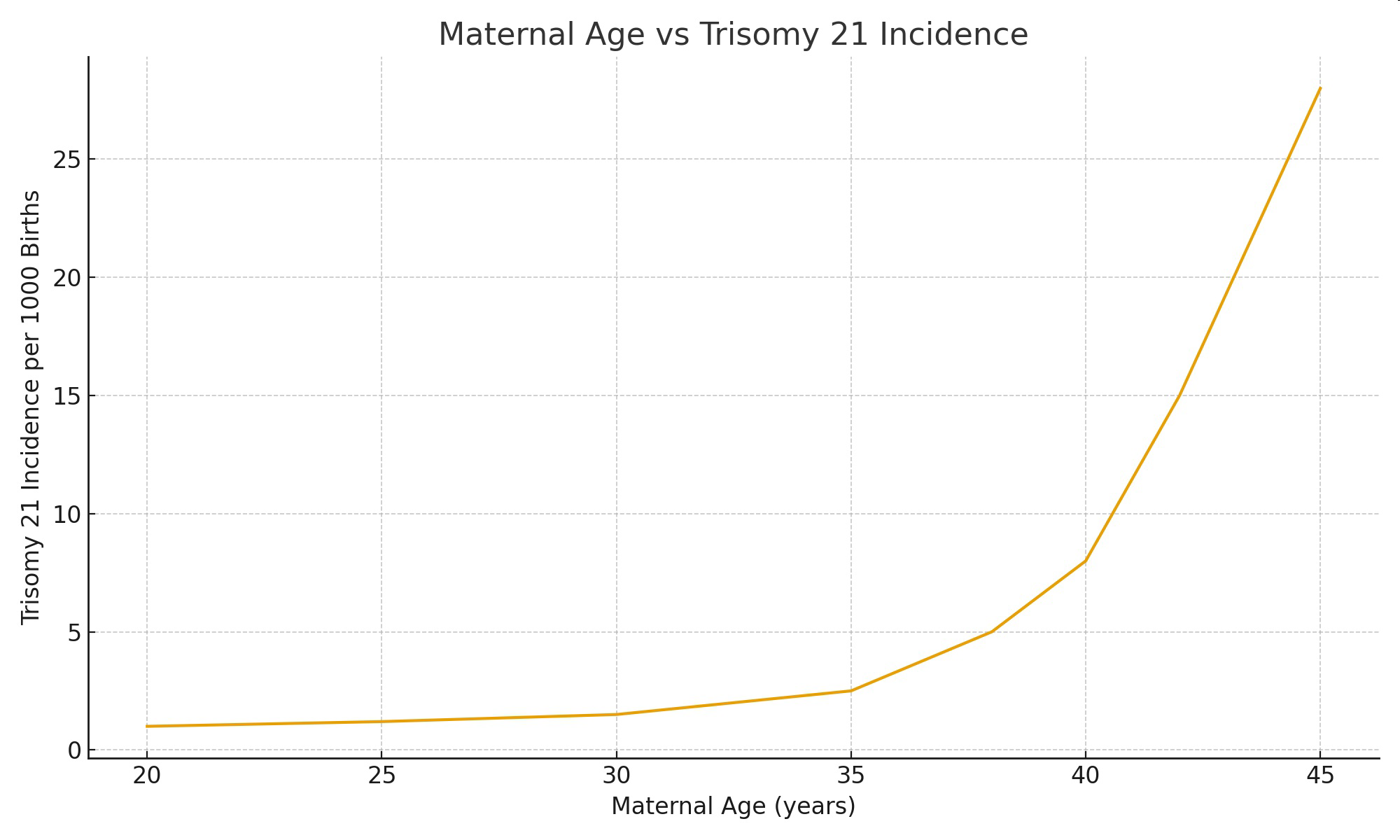
Table 2.
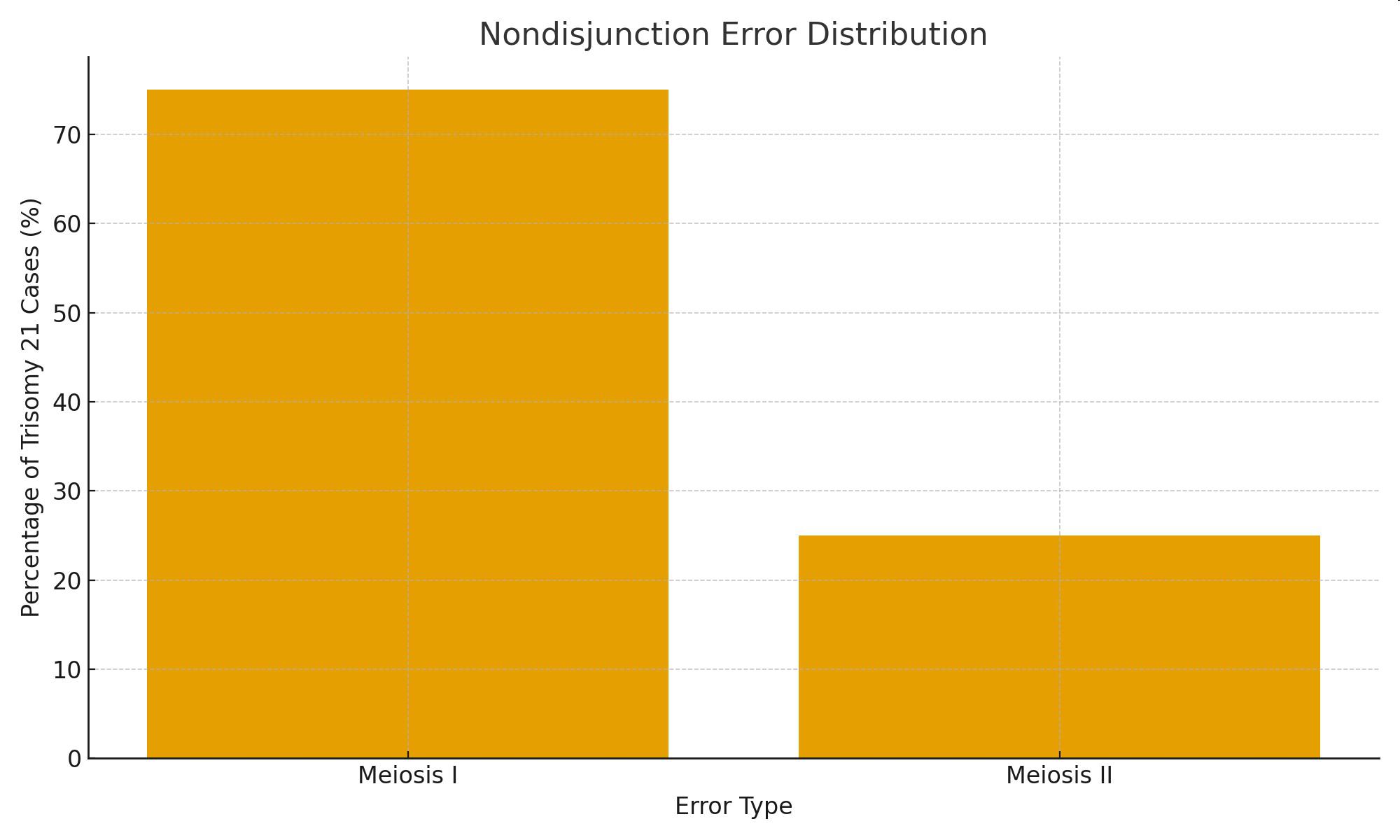
Error Type | Percentage of Trisomy Cases (%) |
|---|
Meiosis I | 75 |
Meiosis II | 25 |
Graph of Information - Figure 2.