The following image shows a mammoth.
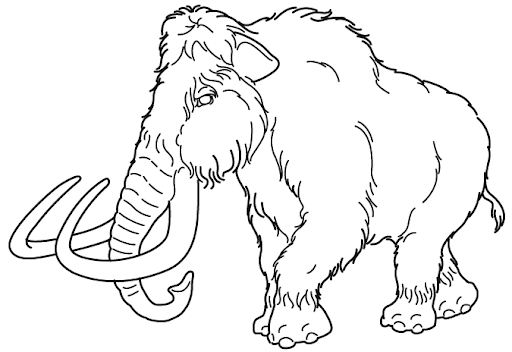
Select any traits adapted for living in a cold climate.
The following image shows a mammoth.
Select any traits adapted for living in a cold climate.
Select any examples of natural selection that increase the chances of survival.
Select any examples of selective breeding that increase the chances of survival.
The following image shows a mammoth.
Select any traits adapted for living in a cold climate.
Word Bank
white
dark
increases
competition
adapt
adaptation
traits
natural selection
natural selection
selective breeding
population
variation
The figure below shows two spotted salamanders that belong to the same species.
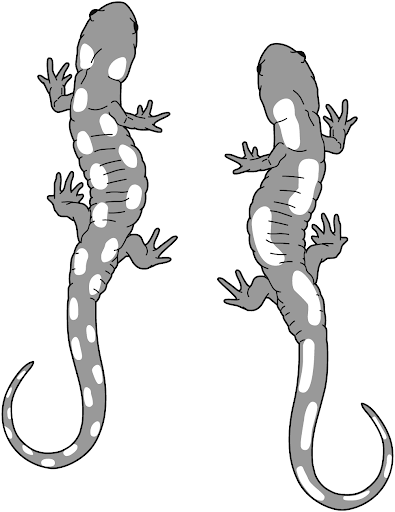
Which of these terms is used to describe the difference between the salamanders in the figure above?
The illustration below shows the changes over time in a population of mice in the wild after a population of hawks has moved into the grassy fields where they live. The white and dark mice differ only in color.
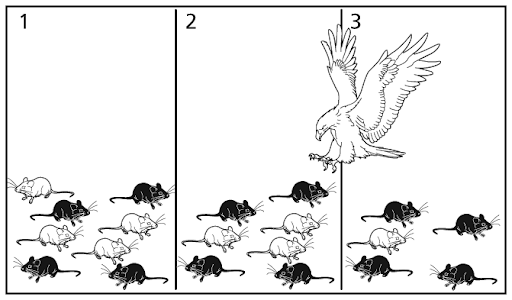
Which of the following terms would best be used to describe the 3 steps shown in this diagram?
Finish the explanation for why the mouse population changed over time in the snowy environment. The hawks eat more
A species of rodent inhabits a moist forest climate. Over time, the climate shifts to become drier and more desert-like. The ability to consume plants adapted to dry environments is an adaptation that ____the rodent species' chances of survival as its habitat changes.
Increased _____ could lead to the extinction of a species?
___ ____ is the process by which humans breed organisms for certain characteristics.
A ___ is a group of organisms of the same species that live in a defined geographical area.
Charles Darwin studied the finches of the Galapagos Islands and found that their beaks vary in shape and size.
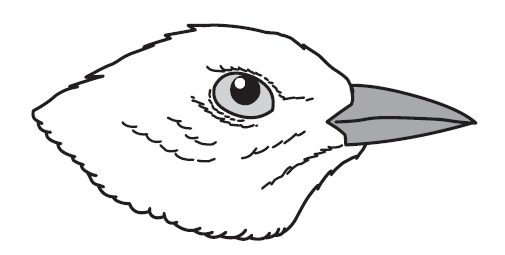
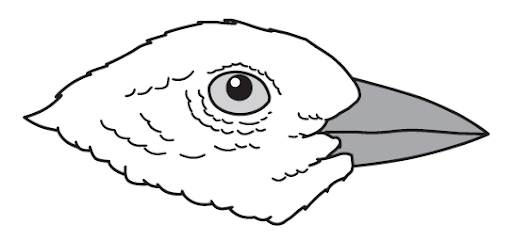
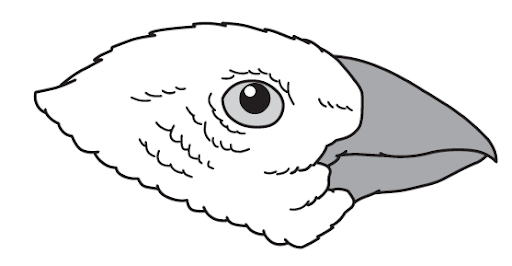
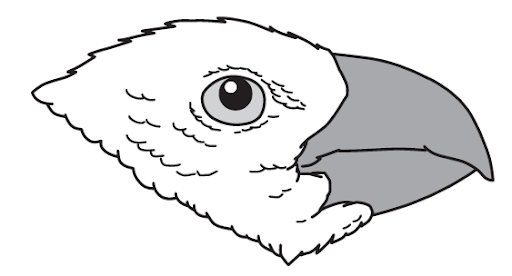
Darwin found that the finches that ate mostly insects had long, narrow beaks. Finches that ate mostly seeds had shorter, broad beaks to crush seeds. Over time, the finches that were born with beaks better suited to the available food supply in their habitats survived and reproduced due to ____ ____.
Which reason best explains why reproduction is necessary?
A trait that helps an organism to survive and reproduce is called an___
In order to survive and reproduce, organisms need to have ___ favorable for survival.
Sexually-reproducing species have an advantage over asexually-reproducing species in their ability to ___.