Placental Development and Fetal Growth Curves
Human development relies on carefully coordinated processes that begin immediately after fertilization. Within the first few weeks, the embryo implants into the uterine wall and begins forming one of the most essential structures in pregnancy: the placenta. The placenta acts as an interface between the parent and the developing embryo, exchanging nutrients, oxygen, and waste while keeping their blood supplies separate. Its formation involves rapid cell division, tissue differentiation, and the organization of blood vessels—processes that must occur precisely to maintain the continuity of life.
Diagram 1.
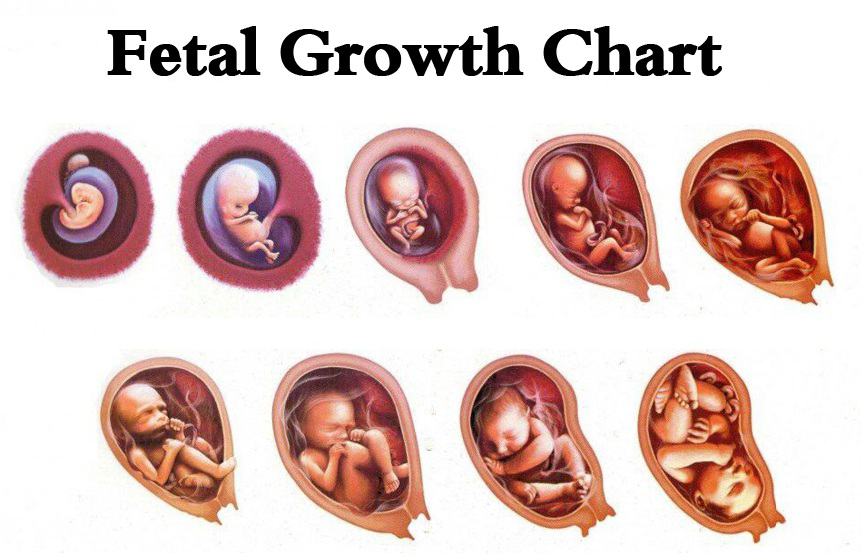 Source: https://pregnancyfoodguide.com/baby-growth-chart-week-by-week-length-height
As the placenta develops, specialized cells called trophoblasts invade the uterine lining to create a secure attachment. These cells form structures that allow for nutrient absorption and gas exchange. At the same time, fetal blood vessels begin branching inside the chorionic villi, allowing the embryo to receive oxygen and nutrients needed for growth. Without proper placental development, these early stages of reproduction cannot progress normally. Conditions such as inadequate placental invasion or poor vascularization can restrict fetal development, increasing risks of low birth weight, preterm birth, or pregnancy loss.
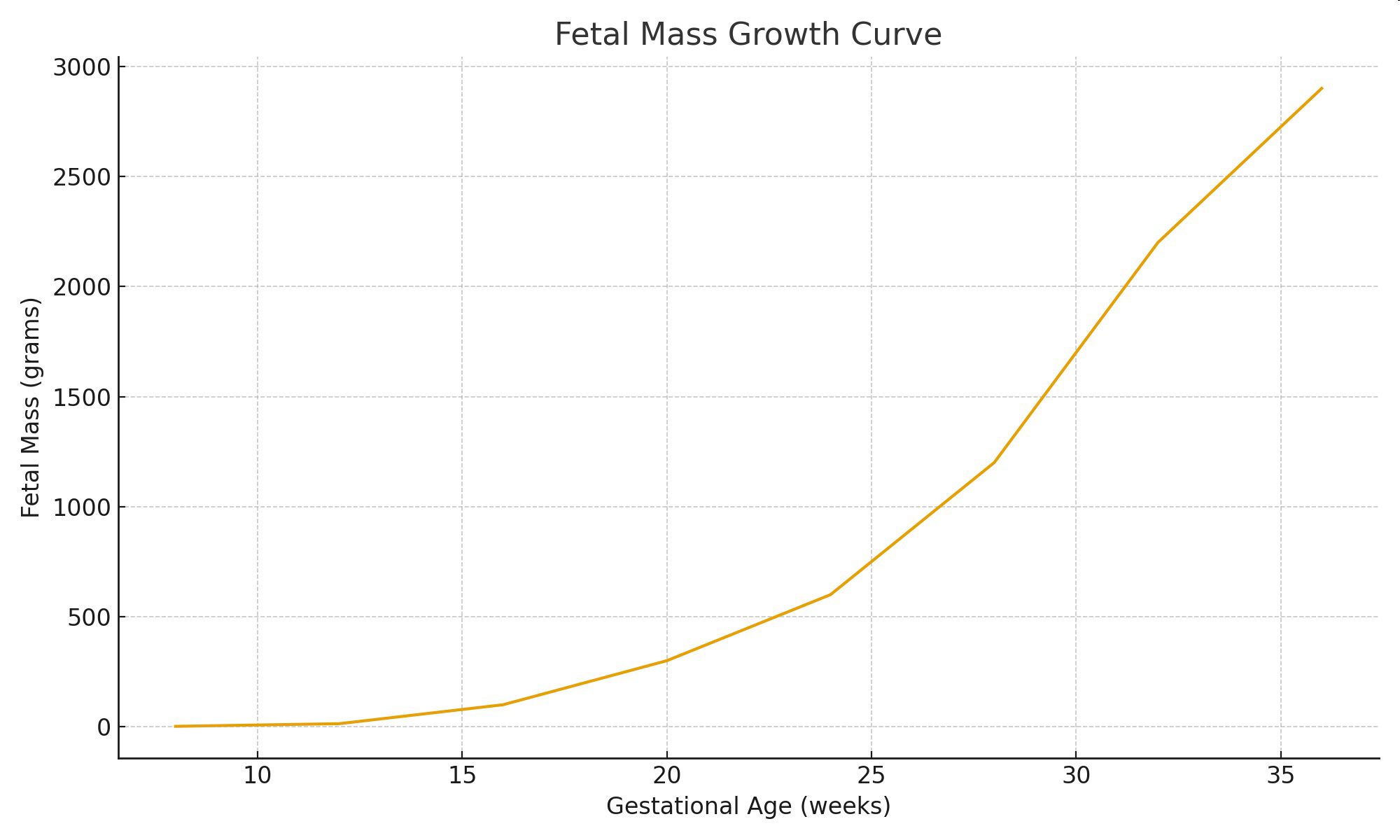
Medical data from fetal ultrasounds provide a clear picture of how placental function affects development. As the placenta matures, fetal growth follows a predictable curve: mass increases slowly in early weeks, accelerates in the second trimester, and increases rapidly near birth. Deviations from this curve often indicate problems with nutrient availability or placental insufficiency. Because the placenta regulates the delivery of glucose, amino acids, and oxygen - the essential fuel for fetal cell division and tissue formation - its effectiveness directly shapes the trajectory of development.
Diagram 2.
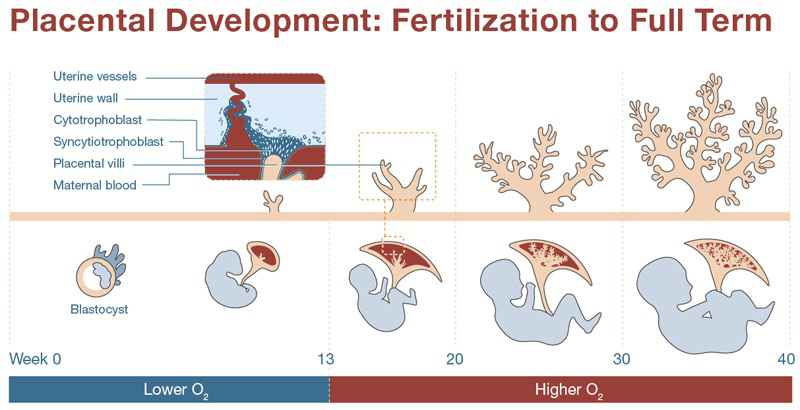
Source: https://www.nichd.nih.gov/research/supported/human-placenta-project/how-does-placenta-form
Studying placental health also reveals how human reproduction maintains continuity of life. The placenta supports the embryo during a time when it is most vulnerable, enabling billions of cells to divide and differentiate to form organs, muscles, and the nervous system. Many developmental disorders can be traced to early placental issues, highlighting the importance of this temporary but vital organ.
Through data on placental thickness, blood flow, and fetal growth curves, scientists and physicians can monitor how well the developmental processes are progressing. When placental function is optimal, fetal development follows predictable, healthy patterns that ensure a successful transition to life outside the womb. In this way, placental development supports the continuity of life by sustaining the growth, differentiation, and maturation needed to produce the next generation.
Table 1.
Gestational Age (weeks) | Placental Thickness (mm) |
|---|
10 | 12 |
14 | 16 |
18 | 20 |
22 | 24 |
26 | 28 |
30 | 32 |
34 | 35 |
38 | 38 |
Graph of Information - Figure 1.
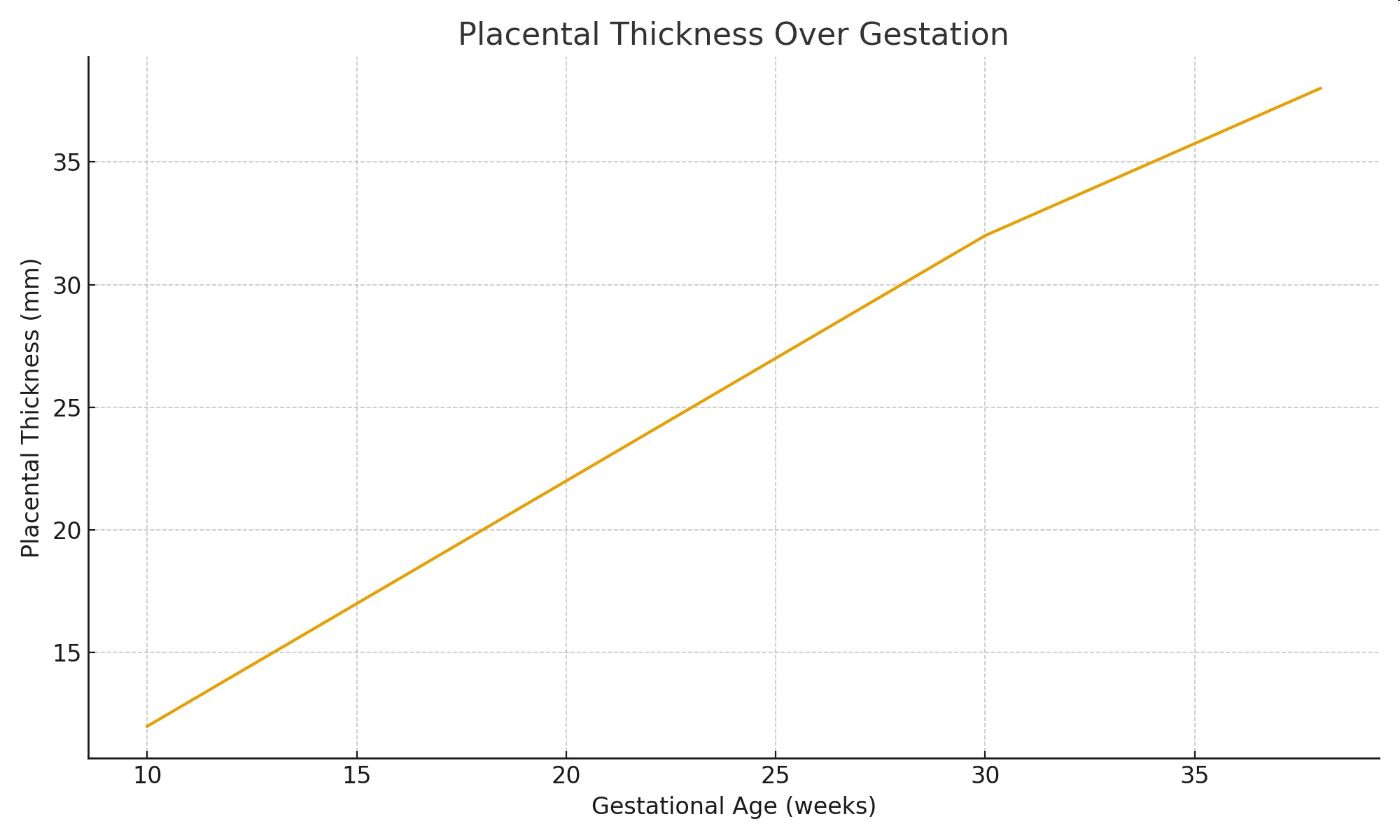
Table 2.
Gestational Age (weeks) | Fetal Mass (grams) |
|---|
8 | 2 |
12 | 14 |
16 | 100 |
20 | 300 |
24 | 600 |
28 | 1200 |
32 | 2200 |
36 | 2900 |
Graph of Information - Figure 2.