Sperm Motility and Fertility Rates Across Environmental Conditions
Successful human reproduction depends on the formation of healthy gametes and the conditions that allow them to function properly. One key factor influencing reproductive success is sperm motility, or the ability of sperm to swim efficiently through the reproductive tract to reach the egg. Sperm cells rely on tightly coordinated cellular processes - including mitochondrial energy production, flagellar movement, and membrane integrity - to maintain this motility. Because fertilization requires sperm to travel a significant distance relative to their size, any disruption to motility can dramatically reduce the likelihood of conception, affecting continuity of life.
Diagram 1.
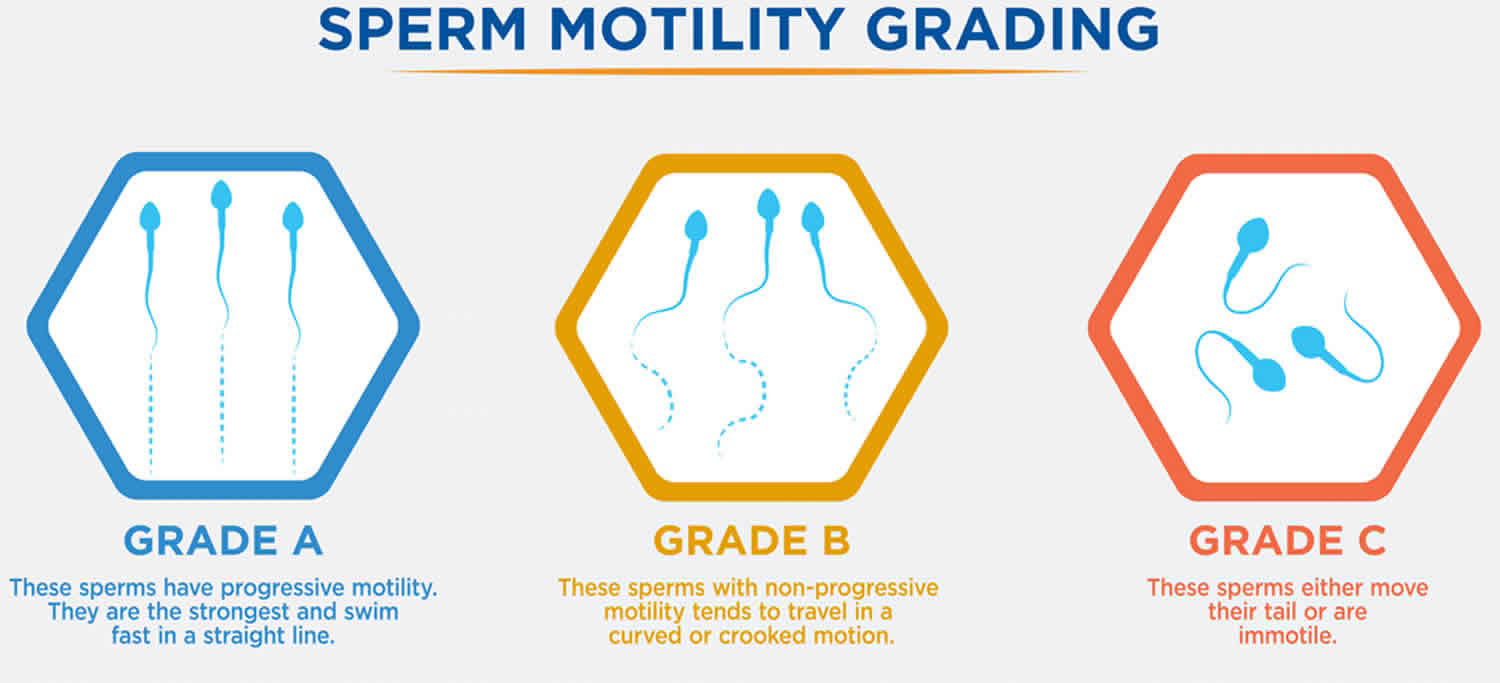 Source:
https://healthjade.net/sperm-motility/
Sperm motility is sensitive to environmental conditions such as temperature, pH, and toxin exposure. For example, studies show that elevated temperature (such as prolonged exposure to hot tubs or tight clothing) can reduce both sperm count and motility. The testes normally function a few degrees below core body temperature, and even small increases can impair mitochondrial function, leading to slower swimming speeds. Similarly, extreme pH levels - too acidic or too alkaline - can damage the sperm membrane or reduce the efficiency of flagellar motion. These effects illustrate how delicate the molecular and cellular structures of sperm are and how easily environmental factors can disrupt them.
Laboratory assessments of sperm motility involve analyzing movement patterns under controlled conditions. Typical datasets include measurements of average swimming speed, percentage of motile sperm, and fertilization success rates under different environmental variables. Trends often show that optimal motility occurs within a narrow range of temperatures and pH. Outside this range, both motility and fertilization rate decrease. These relationships help explain how environmental stressors can influence reproductive outcomes.
Diagram 2.
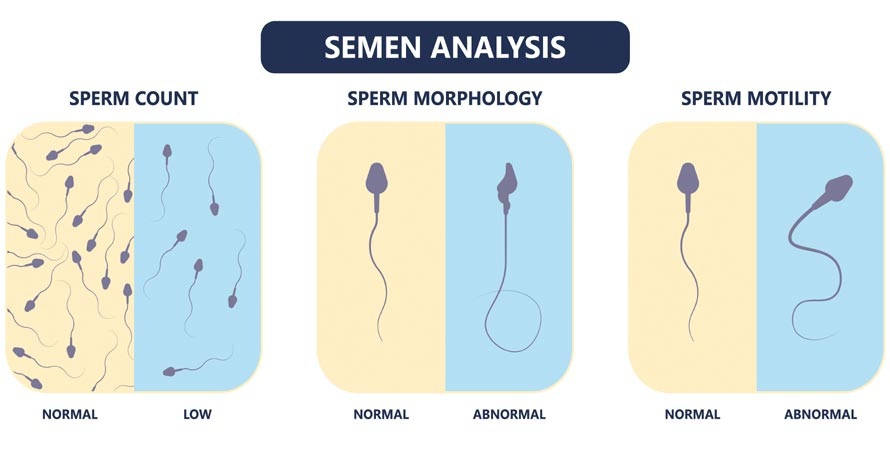
Source: https://www.healthwebmagazine.com/sperm-motility
Understanding sperm motility in real-world contexts also demonstrates how human reproduction maintains continuity of life. Conditions that support healthy motility increase the likelihood that sperm will reach and fertilize the egg, enabling the developmental process to begin. Conversely, conditions that reduce motility can interrupt this process, emphasizing the importance of stable internal environments and healthy reproductive habits.
By interpreting motility data and fertilization success trends, scientists and clinicians can identify factors that enhance or hinder reproductive potential. This knowledge informs public health recommendations, fertility treatments, and lifestyle guidance. The sensitivity of sperm to environmental changes underscores the importance of cellular integrity and coordinated physiological processes in maintaining the continuity of life across generations.
Table 1.
Temperature (oC) | Motile Sperm (%) |
|---|
30 | 72 |
32 | 78 |
34 | 85 |
36 | 70 |
38 | 55 |
40 | 40 |
Graph of Information - Figure 1.
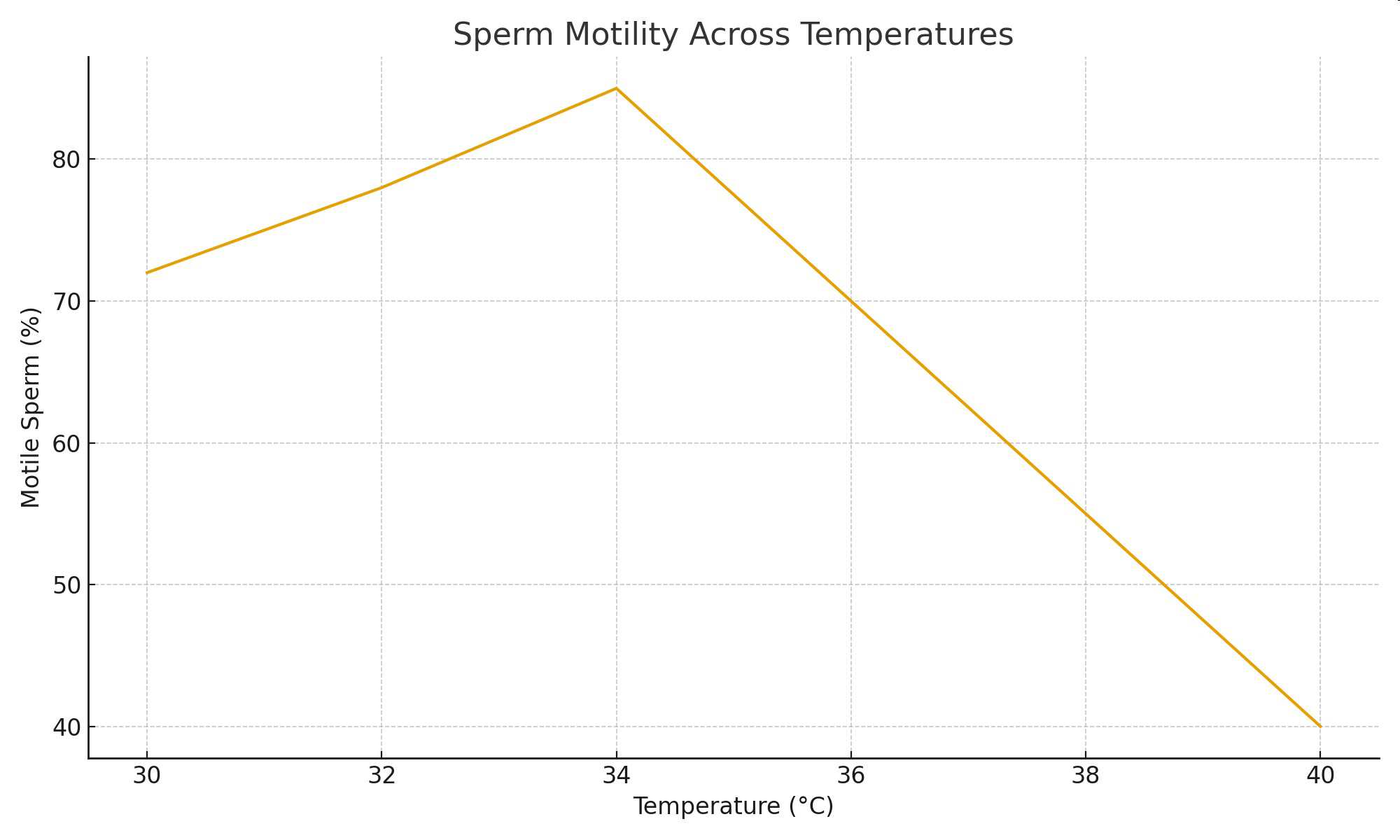
Table 2.
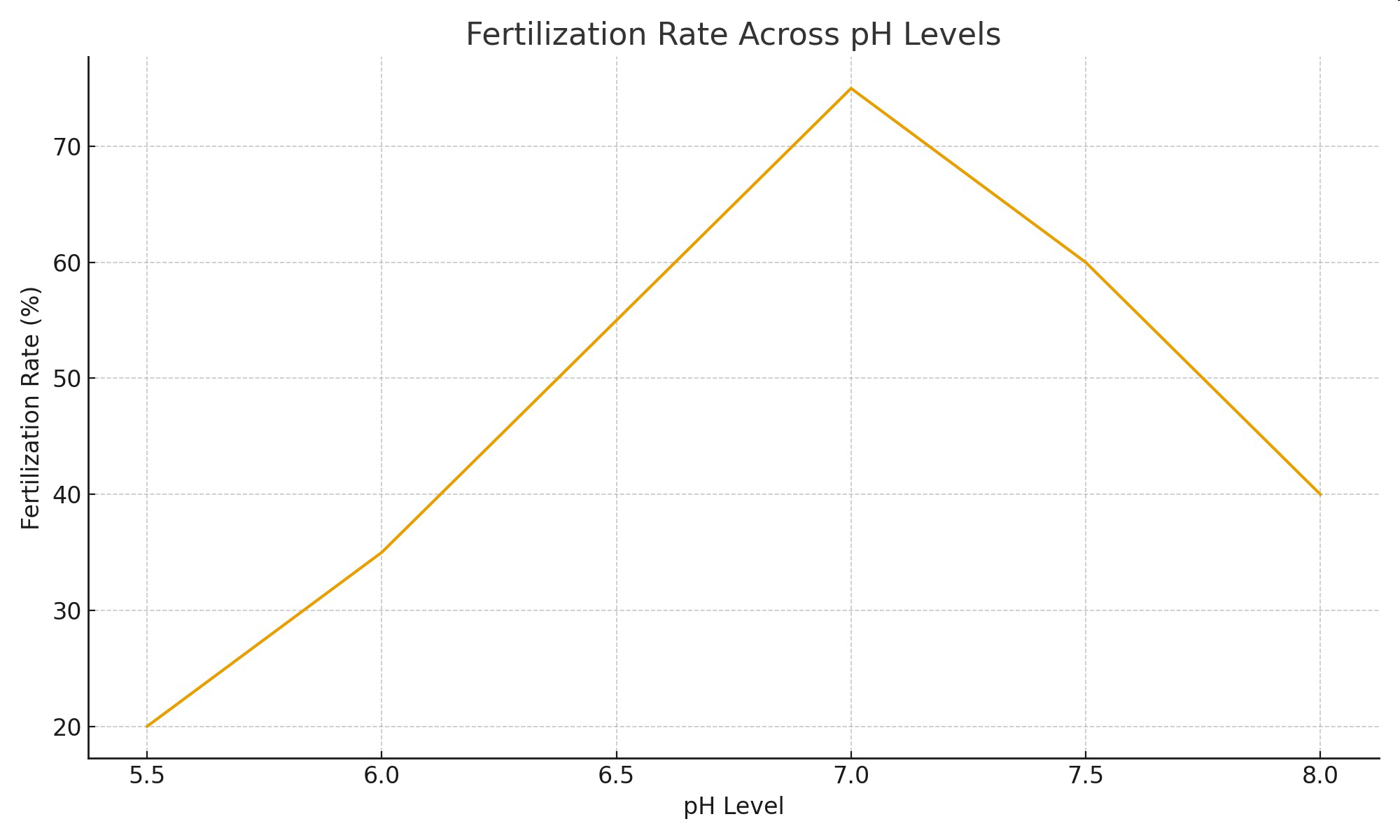
pH Level | Fertilization Rate (%) |
|---|
5.5 | 20 |
6 | 35 |
6.5 | 55 |
7 | 75 |
7.5 | 60 |
8 | 40 |
Graph of Information - Figure 2.