Twa kɔ nsɛm atitiriw so
Log in
Sign up for FREE
arrow_back
Laabri

4.03 Investigating Lithium

star
star
star
star
star
Last updated about 1 month ago
20 Nsɛmmisa
Hyɛ no nsow a efi ɔkyerɛwfo no hɔ:
Ɛhia
0
Ɛhia
1
HS-ESS3-1
Ɛhia
1
HS-ESS3-3
HS-ESS3-4
HS-ETS1-3
Ɛhia
1
HS-ESS3-3
HS-ESS3-4
HS-ETS1-3
Ɛhia
1
HS-ESS3-1
Ɛhia
1
HS-ESS3-1
HS-ESS3-4
HS-ETS1-3

If the video below says it's unavailable, please watch this video in order to answer the questions: What is the impact of lithium mining?

Ɛhia
1
Ɛhia
1
HS-ESS3-4
Ɛhia
1
HS-ESS3-4
Ɛhia
1
HS-ESS3-4
Ɛhia
1
Ɛhia
0

Learning Objectives

  • Explain what natural resources are and identify them as renewable or nonrenewable

  • Evaluate the impact of lithium mining.

Success Criteria

  • Sort resources into the correct category and explain why each resource belongs in its category

  • Identify the trade-offs between environmental damage now versus climate benefits later.

Learning Objectives

  • Explain what natural resources are and identify them as renewable or nonrenewable

  • Evaluate the impact of lithium mining.

Success Criteria

  • Sort resources into the correct category and explain why each resource belongs in its category

  • Identify the trade-offs between environmental damage now versus climate benefits later.

Asemmisa {{asɛmmisaAhyɛnsode}}
1.

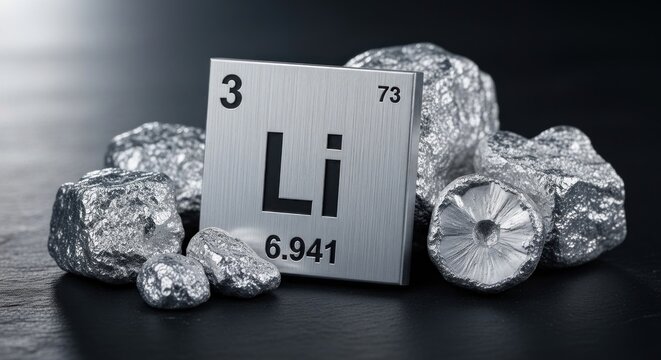
Lithium Metal Images – Browse 124,934 Stock Photos, Vectors, and Video |  Adobe StockLithium (Li) is a chemical element with atomic number 3.

  • Soft, silvery metal element

  • Found in underground mineral deposits

  • Essential for rechargeable batteries

Lithium is used in:

  • Electric Vehicles

  • Renewable Energy Storage

  • Consumer Electronics

Critical question: What happens when we run out of lithium?
Ɛhia
1
Asemmisa {{asɛmmisaAhyɛnsode}}
2.

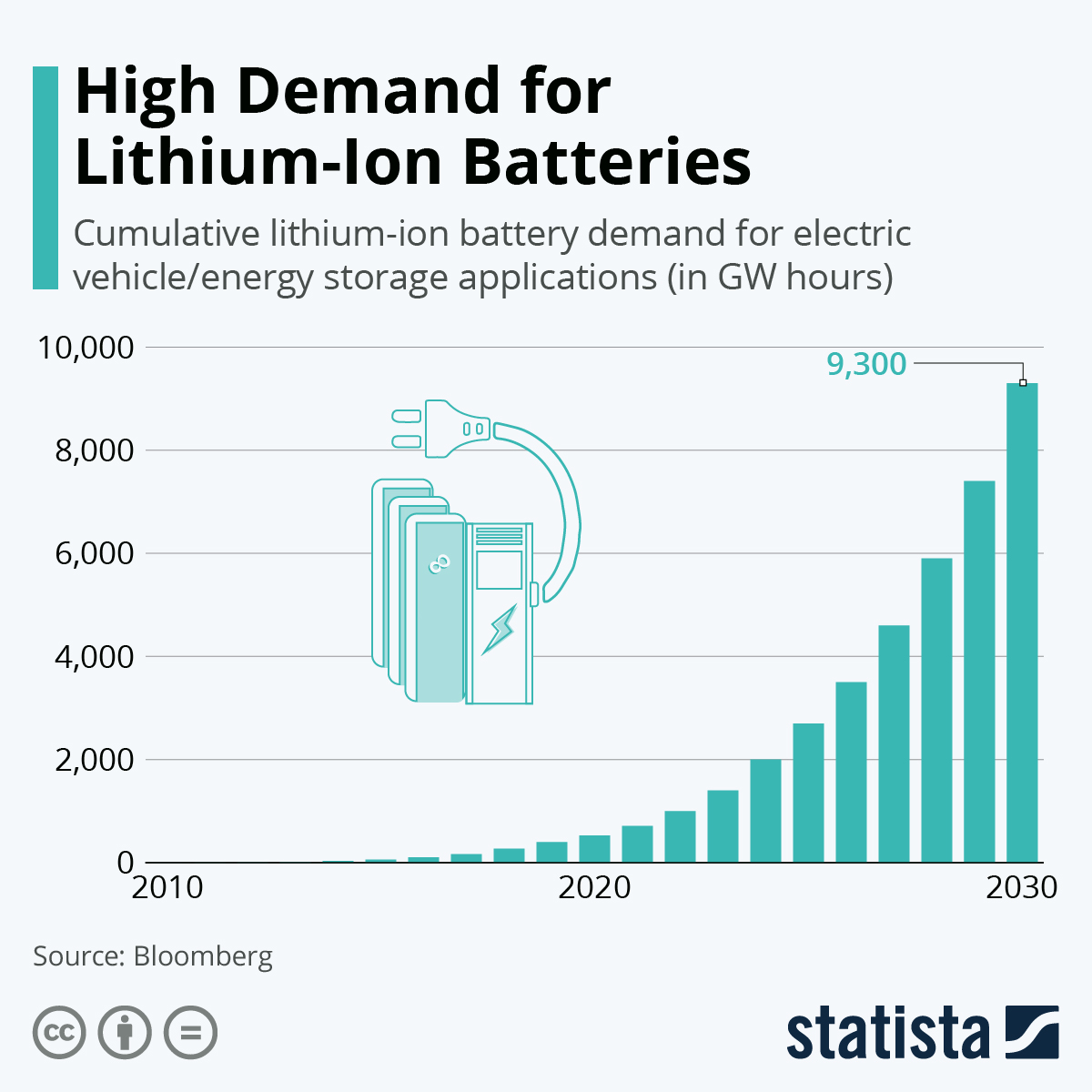
Future demand for lithium is expected to

HS-ESS3-1
Asemmisa {{asɛmmisaAhyɛnsode}}
4.

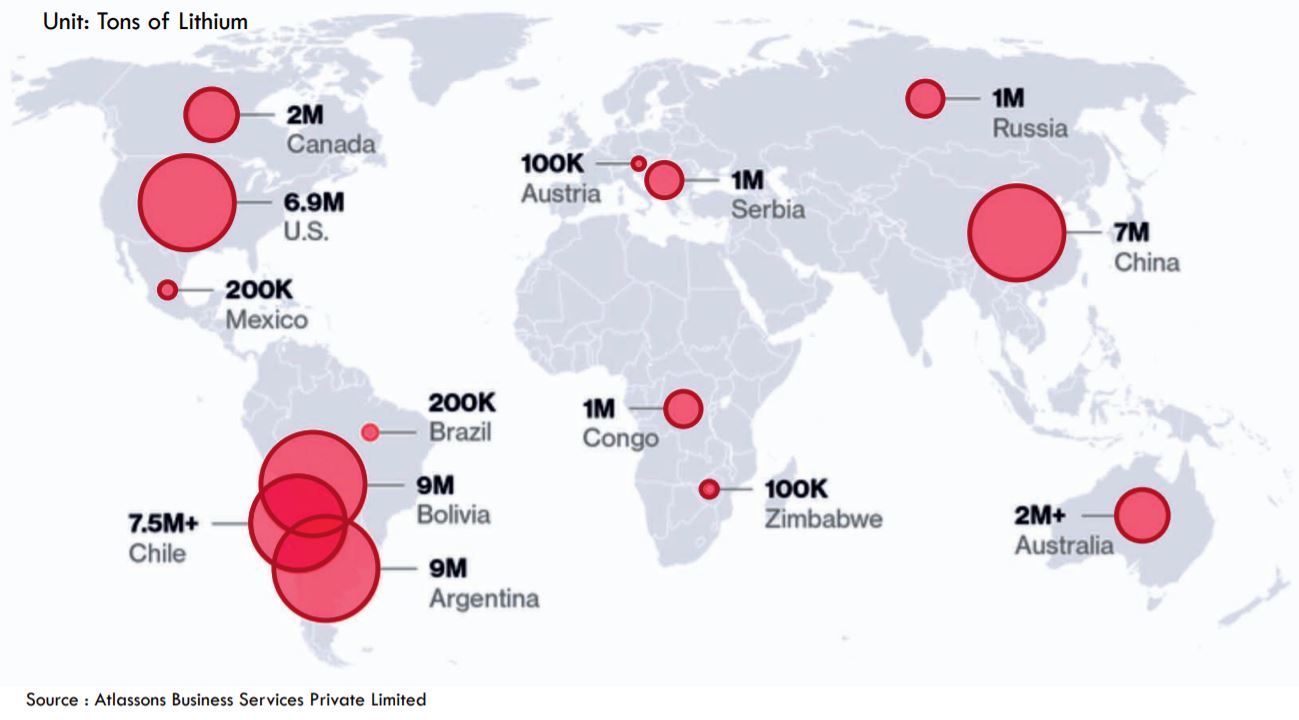
Where is the largest amount of lithium found?

Asemmisa {{asɛmmisaAhyɛnsode}}
5.

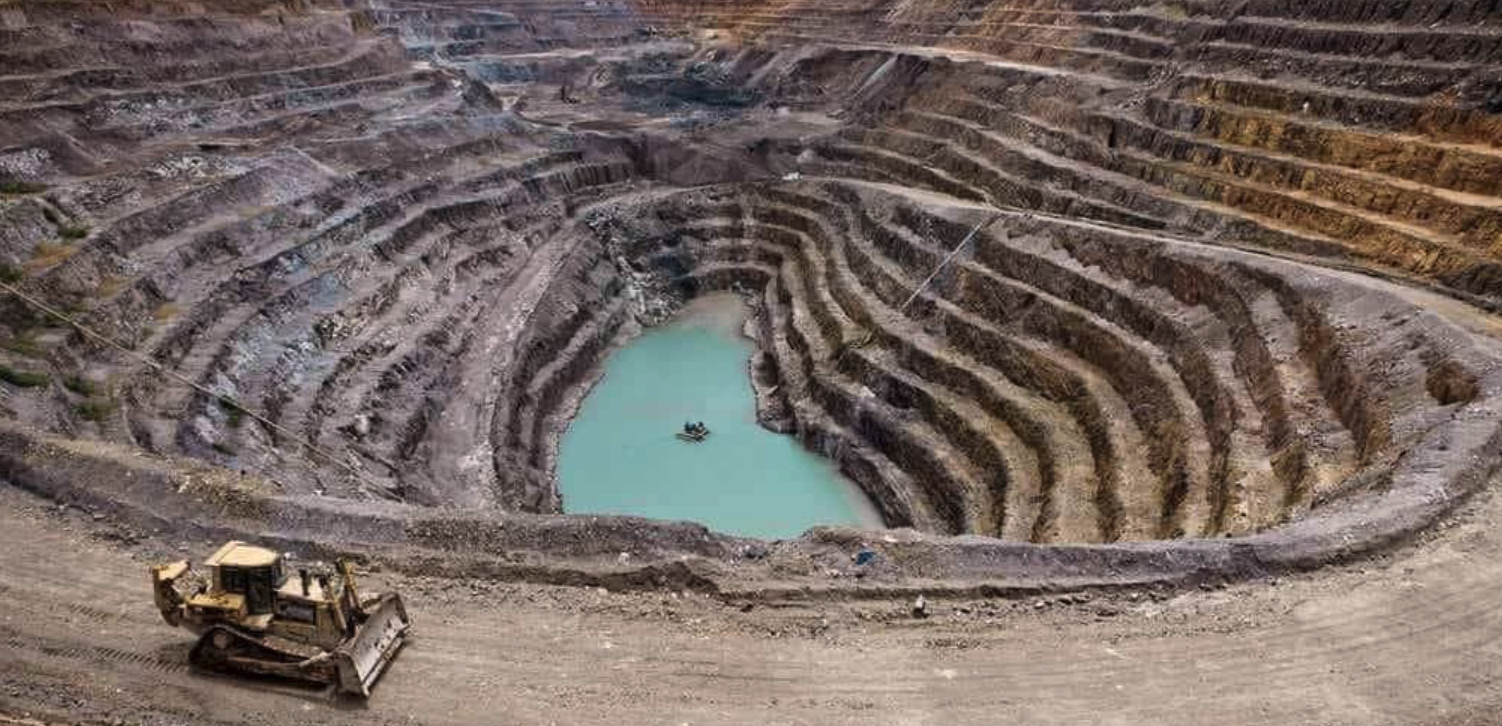
Open pit mining is the primary method used to extract lithium from underground deposits.

Workers use explosives to blast away rock layers, then heavy machinery removes the ore-rich material. The extracted lithium ore is processed and refined into usable lithium for batteries.

What are some advantages and disadvantages of open pit mining?

  • Produce air and water pollution

  • Dig up a lot of lithium ore at once

  • Leave behind a massive hole

  • Easier and safer than digging underground tunnels

  • Advantages

  • Disadvantages

Asemmisa {{asɛmmisaAhyɛnsode}}
6.

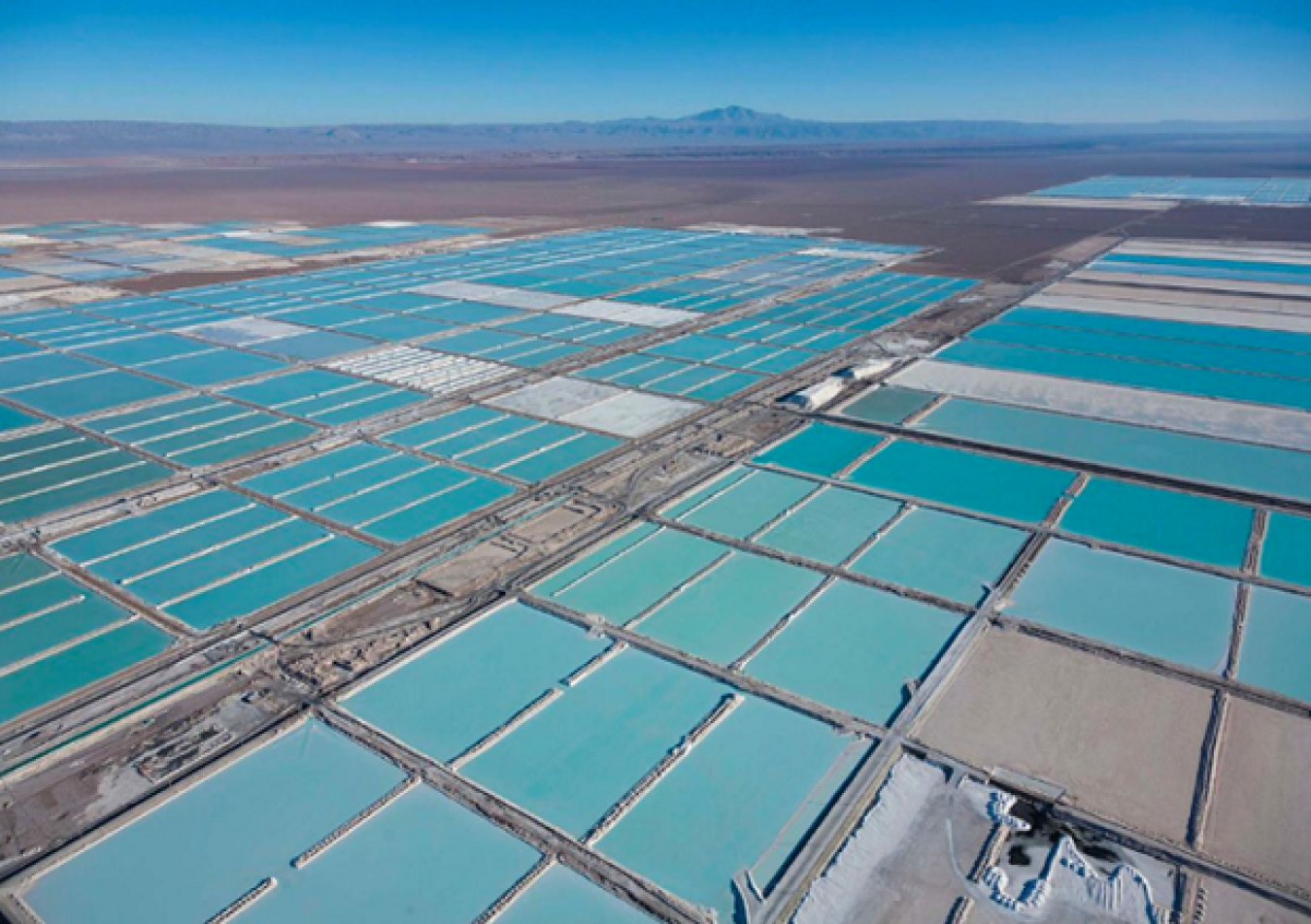
Brine mining is an alternative method used to extract lithium from salt flats in South America.

Workers pump salt-rich underground water (brine) to the surface and let it evaporate in shallow ponds over several months. As the water evaporates, lithium and other minerals are left behind and collected.

What are some advantages and disadvantages of brine mining?

  • Less destructive-- no explosives or heavy digging

  • Cheaper than pit mining

  • Uses up to 65% of the local water supply

  • Leaves behind contaminated water and salt residue

  • Advantages

  • Disadvantages

Asemmisa {{asɛmmisaAhyɛnsode}}
7.

Lithium mining requires many resources, some that can be replenished during a human's lifetime (renewable) and some that need millions of years to reform (nonrenewable).

Identify each of these resources as renewable or nonrenewable.

Renewable

Nonrenewable

Lithium ore (the mineral)

Water (for extraction)

Fossil fuels (to power equipment)

Sunlight (to evaporate brine ponds)

Asemmisa {{asɛmmisaAhyɛnsode}}
8.

The Paradox: We're extracting a resources (water, sun) and energy (batteries for solar, wind, EVs).

Question 9
02:02
keyboard_arrow_down
Ɛhia
0.5
Question 10
02:34
keyboard_arrow_down
Ɛhia
0.5
Question 11
03:32
keyboard_arrow_down
Ɛhia
0.5
Question 12
05:57
keyboard_arrow_down
Ɛhia
0.5
Question 13
06:49
keyboard_arrow_down
Ɛhia
0.5
Question 14
07:56
keyboard_arrow_down
Ɛhia
0.5
Asemmisa {{asɛmmisaAhyɛnsode}}
15.

Which statement would an electric vehicle manufacturer most likely agree with?

Asemmisa {{asɛmmisaAhyɛnsode}}
16.

Which statement would a farmer in Argentina whose water supply is being depleted by lithium mining most likely agree with?

Asemmisa {{asɛmmisaAhyɛnsode}}
17.

What happens when a nonrenewable resource is completely depleted?

Asemmisa {{asɛmmisaAhyɛnsode}}
18.

Sustainable resource use means extracting resources at a rate that allows them to be replenished naturally, so they're available for future generations.

How could lithium mining become more sustainable?

Asemmisa {{asɛmmisaAhyɛnsode}}
19.

Is mining lithium for renewable energy technology worth the environmental damage? Explain why in your own words.

Asemmisa {{asɛmmisaAhyɛnsode}}
20.

Reflect on your understanding of the learning objectives:

Explain what natural resources are and identify them as renewable or nonrenewable.

Evaluate the impact of lithium mining.

Reflect on your mastery of the success criteria:

Sort resources into the correct category and explain why each resource belongs in its category.

Identify the trade-offs between environmental damage now versus climate benefits later.

Asemmisa {{asɛmmisaAhyɛnsode}}
9.

What is the main concern of local communities about lithium extraction in the Atacama?

Asemmisa {{asɛmmisaAhyɛnsode}}
10.

How is lithium obtained from underground deposits?

Asemmisa {{asɛmmisaAhyɛnsode}}
11.

What is the Chilean government's position about increasing lithium production?

Asemmisa {{asɛmmisaAhyɛnsode}}
12.

What alternative technology does the company describe as a possible way to reduce water impact?

Asemmisa {{asɛmmisaAhyɛnsode}}
13.

What is the main concern of the local biologist (Fabiola) about reinjecting water into the subsurface?

Asemmisa {{asɛmmisaAhyɛnsode}}
14.

According to the local biologist (Fabiola), how can we best combat climate change?