Antibiotic Resistance from Replication Errors and Gene Transfer in Bacteria
Antibiotic resistance in bacteria is one of the clearest real-world examples of how genetic variation can arise through DNA replication errors and environmental pressures. Although bacteria do not undergo meiosis, they reproduce through rapid mitotic-like cell division, copying their DNA each time. This replication process is not perfect. Occasionally, mistakes - called spontaneous mutations - occur in genes involved in cell structure, metabolism, or protein function. When these mutations happen in genes targeted by antibiotics, they can create new resistant variants. These new genetic combinations can then spread through bacterial populations.
Diagram 1.
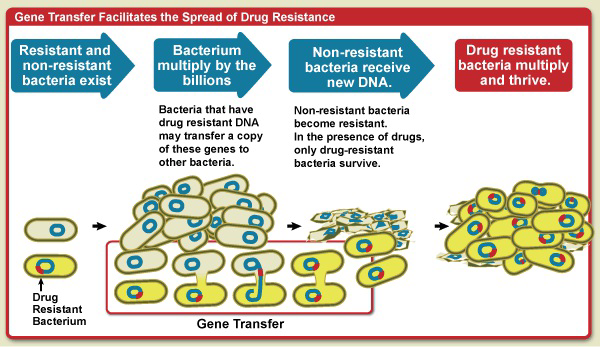 Source: https://www.niaid.nih.gov/research/antimicrobial-resistance-causes
In addition to replication errors, bacteria can also obtain new genetic variations through horizontal gene transfer, which allows them to exchange plasmids and other DNA fragments. Some plasmids carry genes that provide antibiotic-resistant traits, such as enzymes that break down antibiotic molecules or pumps that expel antibiotics from the cell. When environmental conditions include exposure to antibiotics, these new genetic combinations may increase an individual’s chance of survival and reproduction—meaning the variations are maintained and passed through future generations of bacterial cells.
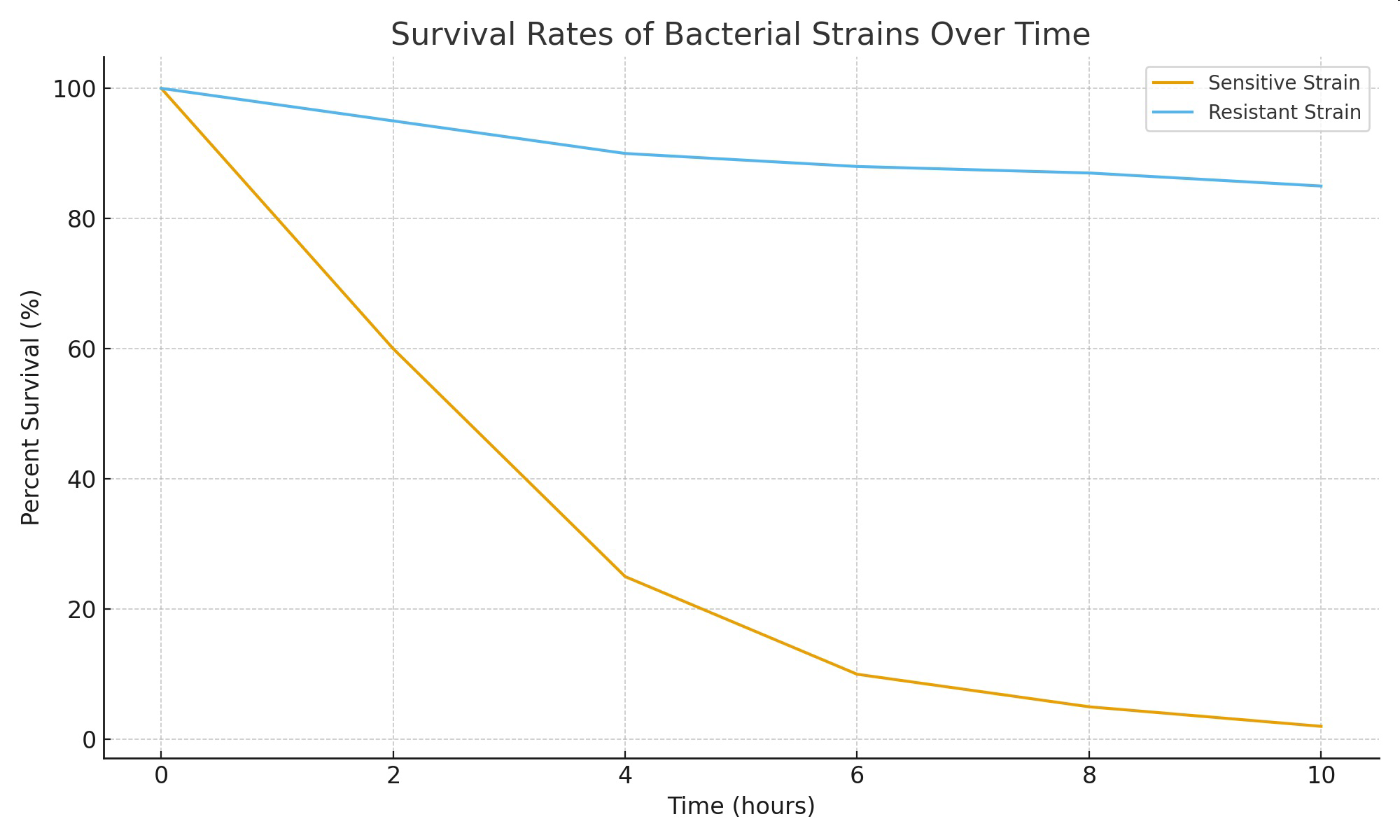
Laboratory studies often track how bacterial populations change when grown in environments containing antibiotics. When antibiotics are added to a culture, most bacteria die quickly. However, cells with beneficial mutations - either through spontaneous replication errors or transferred DNA - survive and reproduce. Over several generations, the population shifts from mostly sensitive cells to mostly resistant ones. Measuring these changes in survival rates and mutation frequencies provides strong evidence for how inheritable variation arises.
Antibiotic resistance provides a model for two mechanisms of genetic variation:
(1) viable errors during DNA replication, which create new alleles, and
(2) genetic engineering–like processes in bacteria, such as gene transfer, which introduce new DNA sequences into a lineage.
These variations are inheritable because each resistant cell passes the mutation to all of its descendants.
Diagram 2.
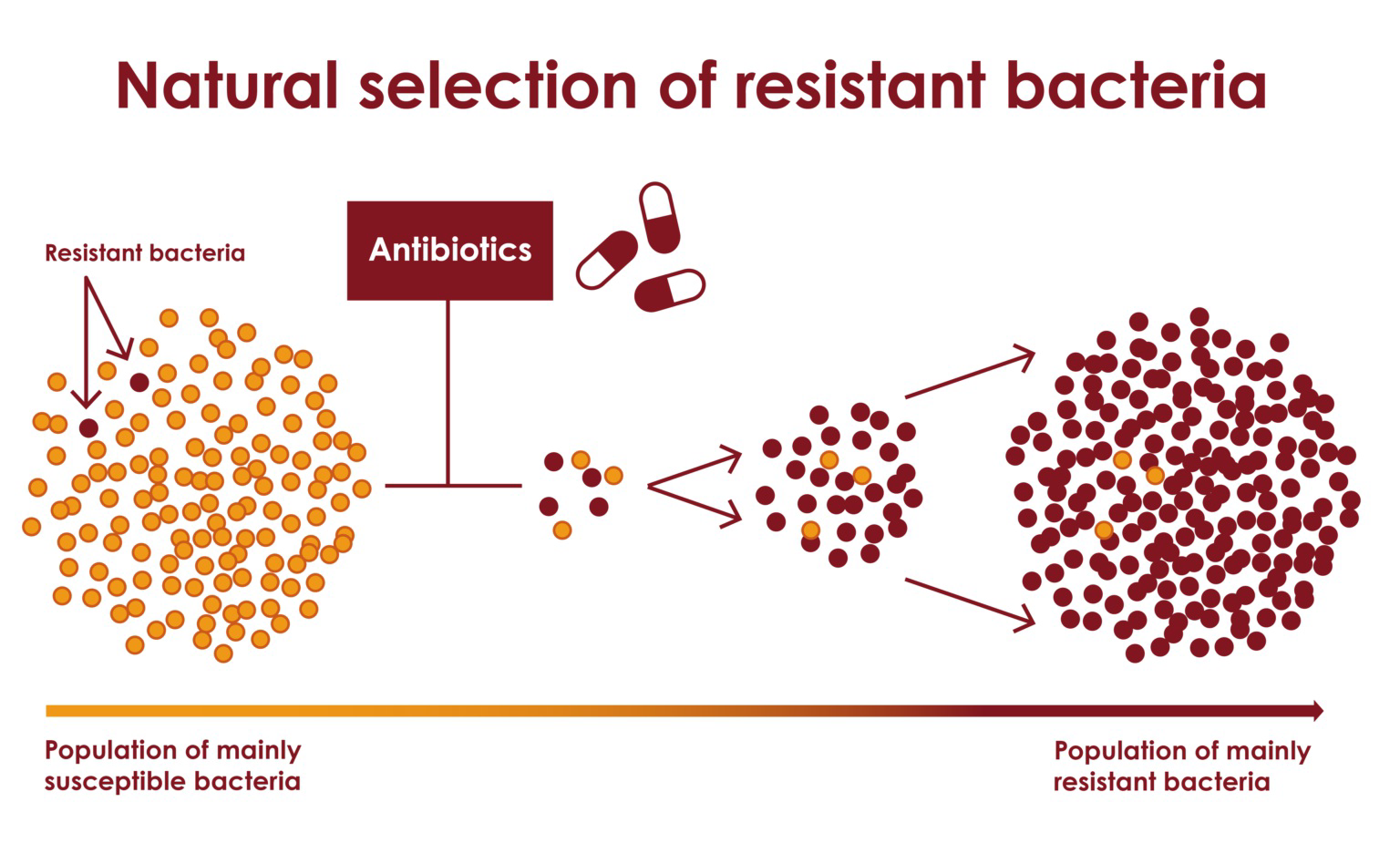 Source: https://www.reactgroup.org/toolbox/understand/antibiotic-resistance/mutation-and-selection/
Table 1.
Condition | Mutation Frequency (per million cells) |
|---|
No Antibiotic | 12 |
Antibiotic Present | 95 |
Graph of Information - Figure 1.
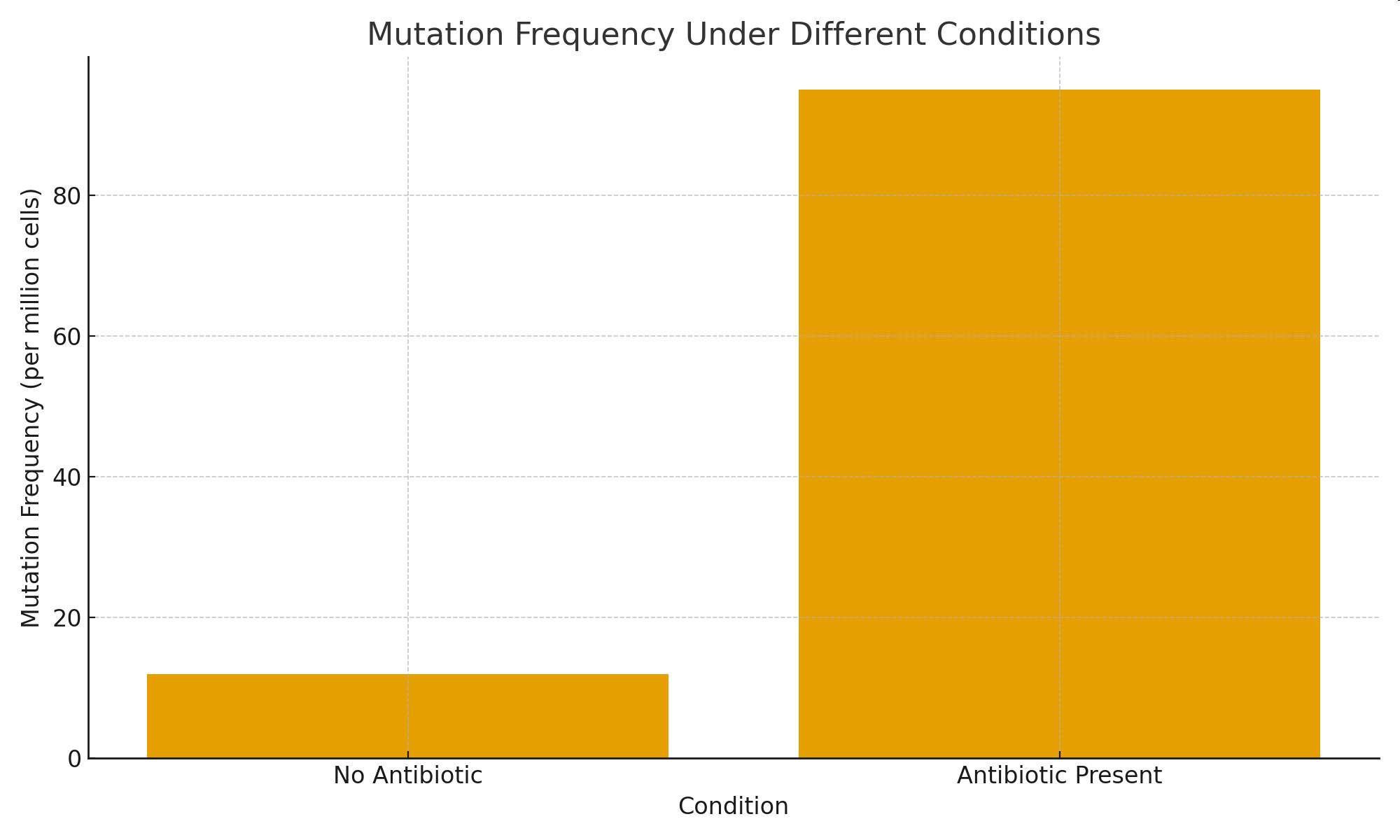
Table 2.
Time (hours) | Percent Survival (%) Sensitive Strain | Percent Survival (%) Resistant Strain |
|---|
0 | 100 | 100 |
2 | 60 | 95 |
4 | 25 | 90 |
6 | 10 | 88 |
8 | 5 | 87 |
10 | 2 | 85 |
Graph of Information - Figure 2.