Use the historical document(s) and the short readings in the left panel to answer the associated questions.
Before large cities formed, some communities began settling near rivers. Over time, they used river water to grow crops, fish for food, and move goods by boat. Surpluses led to storage and trade, changing daily life from seasonal travel to permanent villages.
Explain how settling near a river could change daily life over time. Include at least two changes and describe the order in which they likely happened.
Which inference best connects the environment to a change over time described in the reading?
Write one cause-and-effect pair from the reading in chronological order (cause first, then effect).
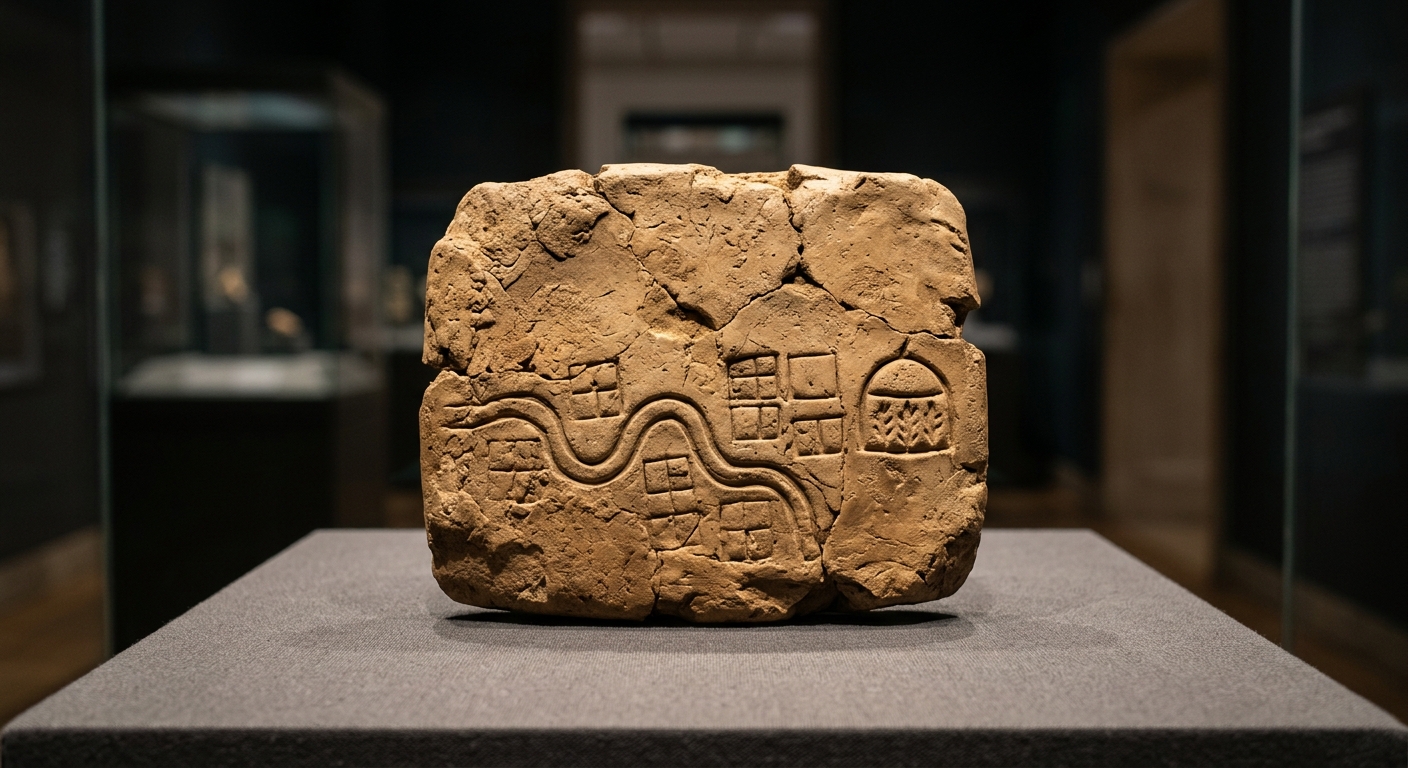
Based on the reading and the clay tablet’s pictographs, which environmental resource most directly supported the community’s way of life?
Which sequence best shows a likely chronological path from a nomadic lifestyle to a river-valley farming village?
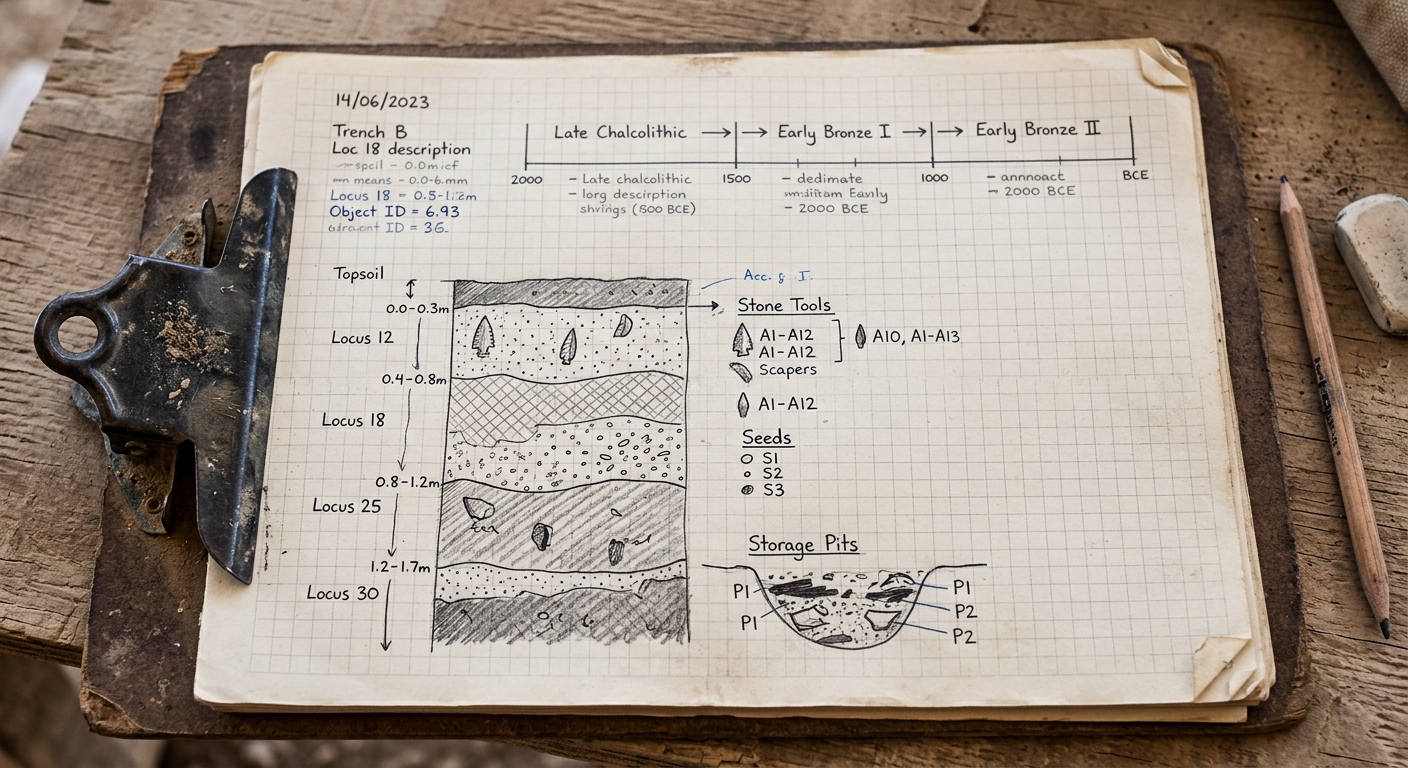
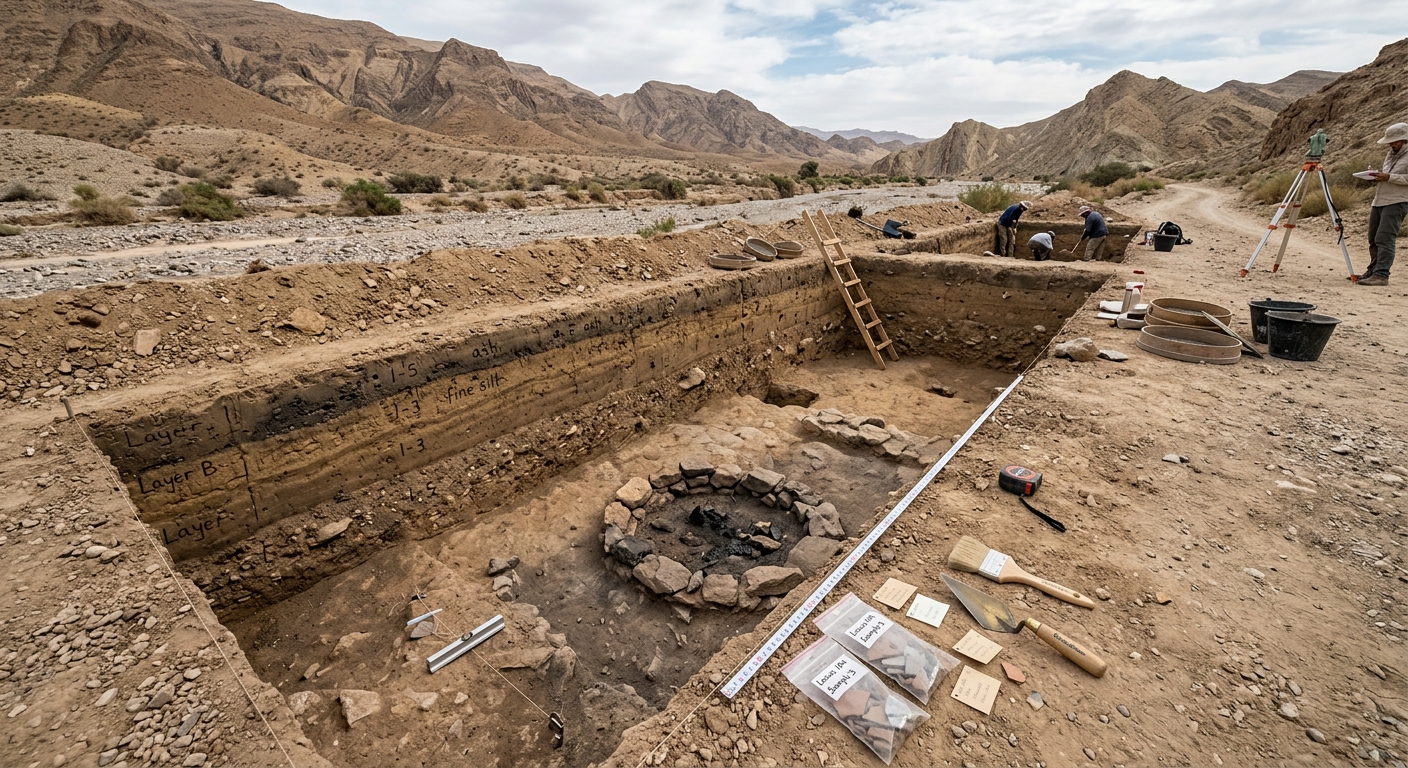
Archaeologists excavating near an ancient riverbed found a hearth, stone tools, and charred seeds. The deepest layer held only tools. A higher layer had tools and seeds. The top layer had more seeds and larger storage pits. These layers help show how life changed over time.

Which inference best explains why archaeologists use layers in a dig to build a timeline of how people lived?
Which conclusion about change over time is best supported by the sequence of layers?
Write one cause-and-effect pair from the evidence that is in chronological order (cause first, then effect).
Explain what the hearth, charred seeds, and storage pits suggest about daily life, and describe the order these changes likely happened from oldest to newest.
Based on the stratigraphy described, which finding most likely belongs in the deepest layer?
As people learned to plant grains and domesticate animals, they no longer needed to move constantly to find food. Over time, farming tools improved, harvests increased, and families stored extra grain. These changes happened before the rise of large cities and led to permanent villages.

Which development most likely happened first during the Neolithic Revolution?
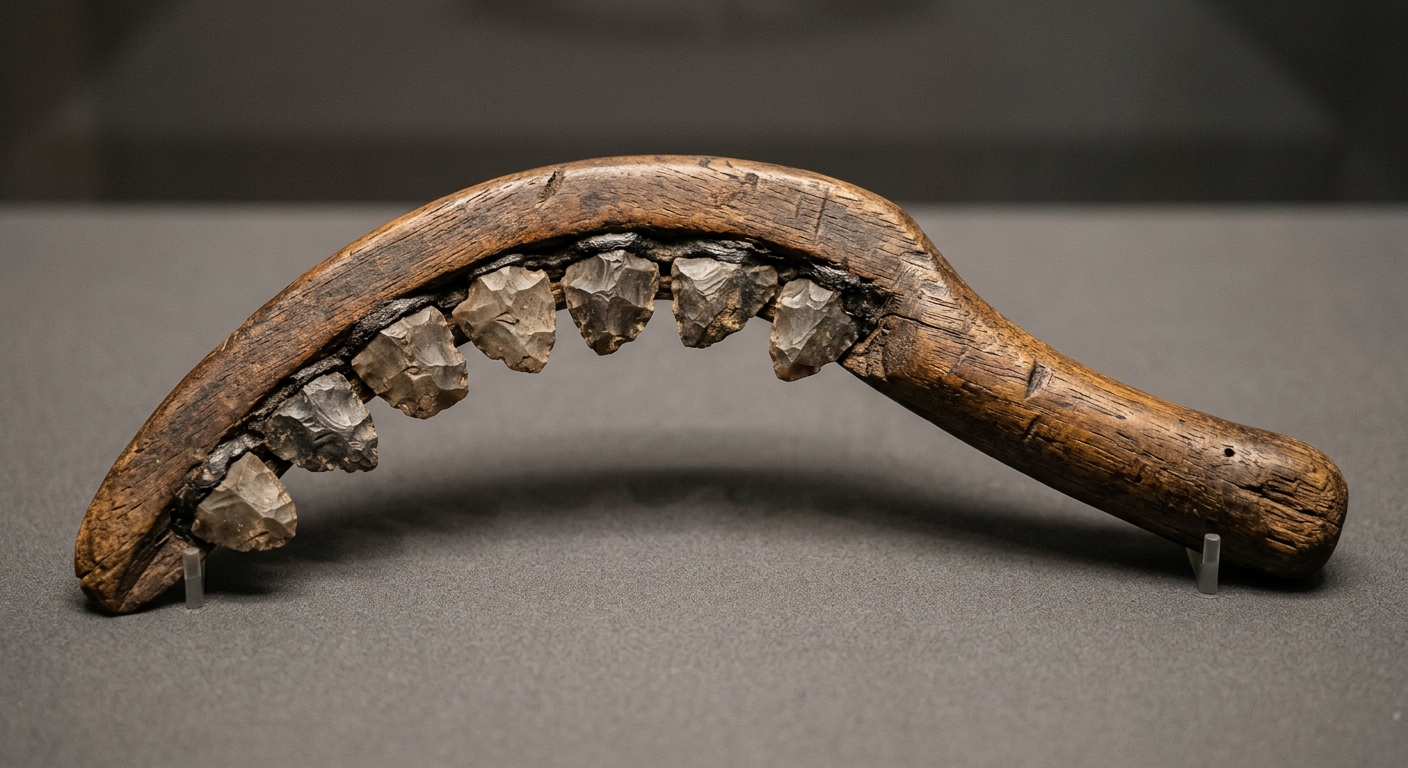
The tool in the historical document is most directly evidence of which change over time?
Explain how the Neolithic Revolution changed daily life over time. Include at least two changes and describe the order in which they likely happened.
Write one cause-and-effect pair from the reading in chronological order (cause first, then effect).
Which inference best explains why storage of extra grain became more common over time?
Historians use archaeological evidence to track patterns and identify turning points. At one site, older layers show only stone tools. Later layers add charred seeds, and the newest layers include large storage pits. This sequence suggests a turning point toward planned food production and more permanent settlement.

Make a claim about a turning point shown by the evidence, and support it with two pieces of evidence in chronological order.
Based on the evidence sequence, which finding best represents a turning point toward more permanent settlement?
Which additional evidence would BEST support the idea that change happened gradually over time at this site?
Explain how historians can use different kinds of evidence (like tools, seeds, and storage pits) to identify patterns of change over time. Describe the chronological pattern shown in the reading from oldest to newest.
Which statement best describes what historians mean by a turning point?