Twa kɔ nsɛm atitiriw so
Log in
Sign up for FREE
arrow_back
Laabri

6.5 - Comparative Classical Civilizations in the Eastern Hemisphere - Practice E

star
star
star
star
star
Last updated about 2 months ago
15 Nsɛmmisa
Hyɛ no nsow a efi ɔkyerɛwfo no hɔ:

Use the historical document(s) and the short readings in the left panel to answer the associated questions.

Use the historical document(s) and the short readings in the left panel to answer the associated questions.

6.5.a
DOK.SS.2
6.5.b
DOK.SS.2
6.5.c
DOK.SS.2
Ɛhia
1
6.5.a
DOK.SS.2
Ɛhia
2
6.5.a
DOK.SS.2
Ɛhia
1
6.5.a
DOK.SS.2
Ɛhia
1
6.5.a
DOK.SS.2
Ɛhia
2
6.5.a
DOK.SS.2
Ɛhia
1
6.5.b
DOK.SS.2
Ɛhia
2
6.5.b
DOK.SS.2
Ɛhia
2
6.5.b
DOK.SS.2
Ɛhia
1
6.5.b
DOK.SS.2
Ɛhia
1
6.5.b
DOK.SS.2
Ɛhia
1
6.5.c
DOK.SS.2
Ɛhia
2
6.5.c
DOK.SS.2
Ɛhia
1
6.5.c
DOK.SS.2
Ɛhia
1
6.5.c
DOK.SS.2
Ɛhia
2
6.5.c
DOK.SS.2

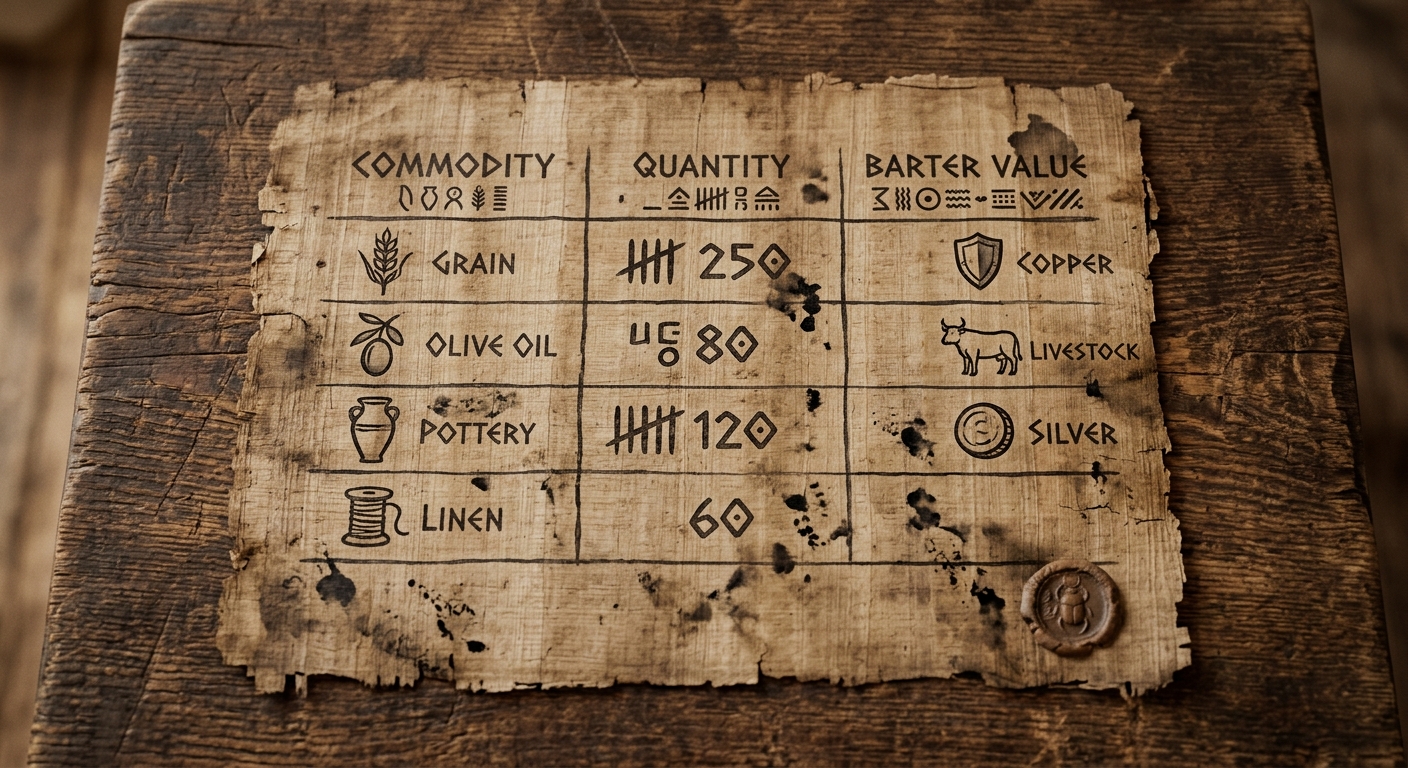
Photo of an ancient papyrus trade ledger with a table listing goods and quantities, plus a small seal impression.

Historical Document: Market Ledger

This ancient market ledger records goods brought to a river port, including grain, oil, pottery, and linen. Because storage space and transport animals were limited, traders could not move everything. The list shows how people chose what to produce, trade, and carry.
Asemmisa {{asɛmmisaAhyɛnsode}}
1.

Which inference about specialization is BEST supported by the ledger listing different goods (grain, oil, pottery, linen)?

Asemmisa {{asɛmmisaAhyɛnsode}}
2.

Using evidence from the ledger and reading, explain how geographic limits (like a river port, storage, and transport) could shape trade decisions in a classical civilization.

Asemmisa {{asɛmmisaAhyɛnsode}}
3.

In the ledger, which item is MOST clearly a natural resource?

Asemmisa {{asɛmmisaAhyɛnsode}}
4.

Which economic idea is BEST illustrated by the traders’ problem of limited storage space and transport animals?

Asemmisa {{asɛmmisaAhyɛnsode}}
5.

A trader can carry only a few items to the next market. Compare two possible choices (for example, more grain vs. more pottery) and explain one cost and one benefit of each choice.

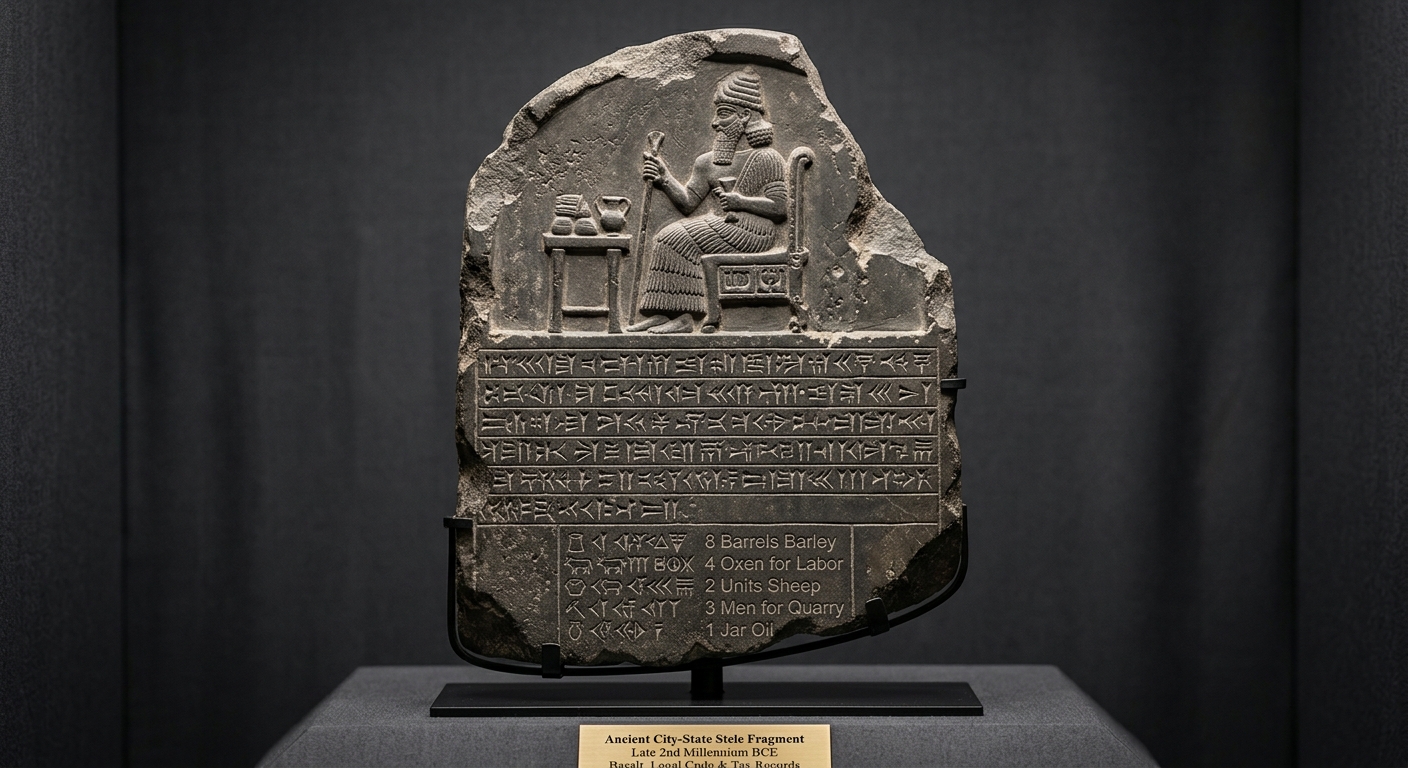
Museum photo of a carved stone stele fragment showing an official and a short law-code style inscription.

Historical Document: Stele of Market Rules

This stone stele lists market rules for a city. It sets standard grain measures, requires merchants to pay a tax at the gate, and assigns workers to repair canal banks. Officials enforced these rules to keep trade orderly and protect food supplies.

Asemmisa {{asɛmmisaAhyɛnsode}}
6.

Which statement BEST explains why a city might collect a market tax at the gate?

Asemmisa {{asɛmmisaAhyɛnsode}}
7.

Using evidence from the stele, explain how laws and enforcement could help a classical city manage scarcity of food and other goods.

Asemmisa {{asɛmmisaAhyɛnsode}}
8.

A merchant argues the market tax is unfair. Explain one benefit and one cost of this tax for the city’s economy, using details from the document.

Asemmisa {{asɛmmisaAhyɛnsode}}
9.

The stele assigns workers to repair canal banks. Which economic effect is MOST likely if the canals are not repaired?

Asemmisa {{asɛmmisaAhyɛnsode}}
10.

Which government action from the stele MOST directly helps buyers and sellers trust a trade?

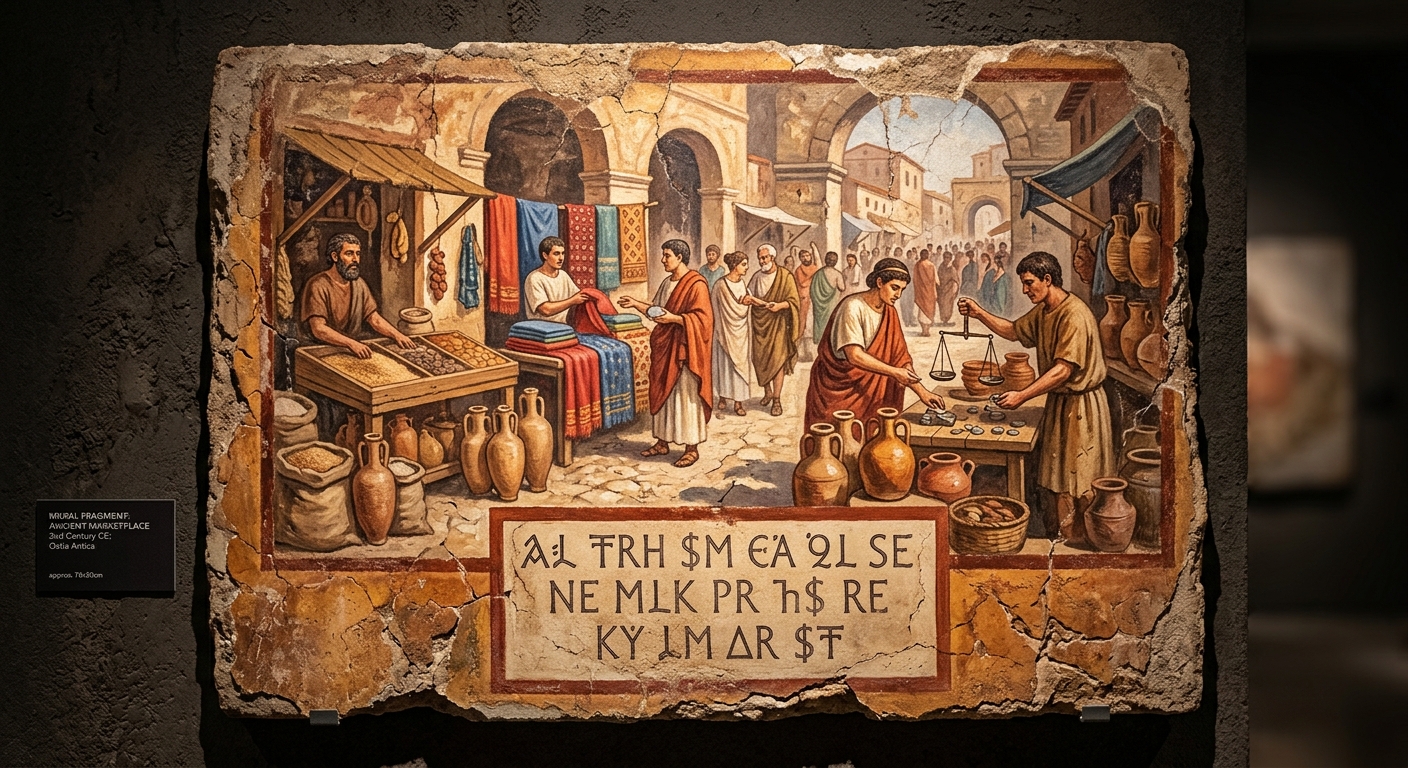
Museum photo of an ancient mural fragment showing a busy marketplace with goods like grain, oil, and cloth.

Historical Document:

Market Mural from a Prosperous City

During a long period of peace, this city’s market expanded. The mural shows full grain sacks, oil jars, cloth sellers, and coin scales. Steady harvests and safe travel increased trade. With more goods and taxes collected, leaders funded buildings and festivals that showed the city’s prosperity.

Asemmisa {{asɛmmisaAhyɛnsode}}
11.

Which economic relationship is MOST directly shown by “steady harvests” and “full grain sacks” in the market?

Asemmisa {{asɛmmisaAhyɛnsode}}
12.

A student claims the mural proves the city had no scarcity during this period.

Agree or disagree, and explain using evidence from the document and economic reasoning.

Asemmisa {{asɛmmisaAhyɛnsode}}
13.

According to the reading, why could increased trade make it easier for leaders to fund buildings and festivals?

Asemmisa {{asɛmmisaAhyɛnsode}}
14.

Which detail from the mural and reading BEST suggests the city was in a “golden age”?

Asemmisa {{asɛmmisaAhyɛnsode}}
15.

Using evidence from the mural and reading, explain how peace could change the city’s economy. Include at least two economic effects.