Twa kɔ nsɛm atitiriw so
Log in
Sign up for FREE
arrow_back
Laabri

6.6 - Mediterranean World: Feudal Western Europe - The Byzantine Empire, and the Islamic Caliphates - Practice E

star
star
star
star
star
Last updated about 2 months ago
20 Nsɛmmisa
Hyɛ no nsow a efi ɔkyerɛwfo no hɔ:

Use the historical document(s) and the short readings in the left panel to answer the associated questions.

Use the historical document(s) and the short readings in the left panel to answer the associated questions.

6.6.a
DOK.SS.2
6.6.b
DOK.SS.2
6.6.c
DOK.SS.2
6.6.d
DOK.SS.2
Ɛhia
1
6.6.a
DOK.SS.2
Ɛhia
1
6.6.a
DOK.SS.2
Ɛhia
1
6.6.a
DOK.SS.2
Ɛhia
1
6.6.a
DOK.SS.2
Ɛhia
1
6.6.a
DOK.SS.2
Ɛhia
1
6.6.b
DOK.SS.2
Ɛhia
1
6.6.b
DOK.SS.2
Ɛhia
1
6.6.b
DOK.SS.2
Ɛhia
1
6.6.b
DOK.SS.2
Ɛhia
1
6.6.b
DOK.SS.2
Ɛhia
1
6.6.c
DOK.SS.2
Ɛhia
1
6.6.c
DOK.SS.2
Ɛhia
1
6.6.c
DOK.SS.2
Ɛhia
1
6.6.c
DOK.SS.2
Ɛhia
1
6.6.c
DOK.SS.2
Ɛhia
1
6.6.d
DOK.SS.2
Ɛhia
1
6.6.d
DOK.SS.2
Ɛhia
1
6.6.d
DOK.SS.2
Ɛhia
1
6.6.d
DOK.SS.2
Ɛhia
1
6.6.d
DOK.SS.2

Historical Document: Manorial Account (c. 1200)
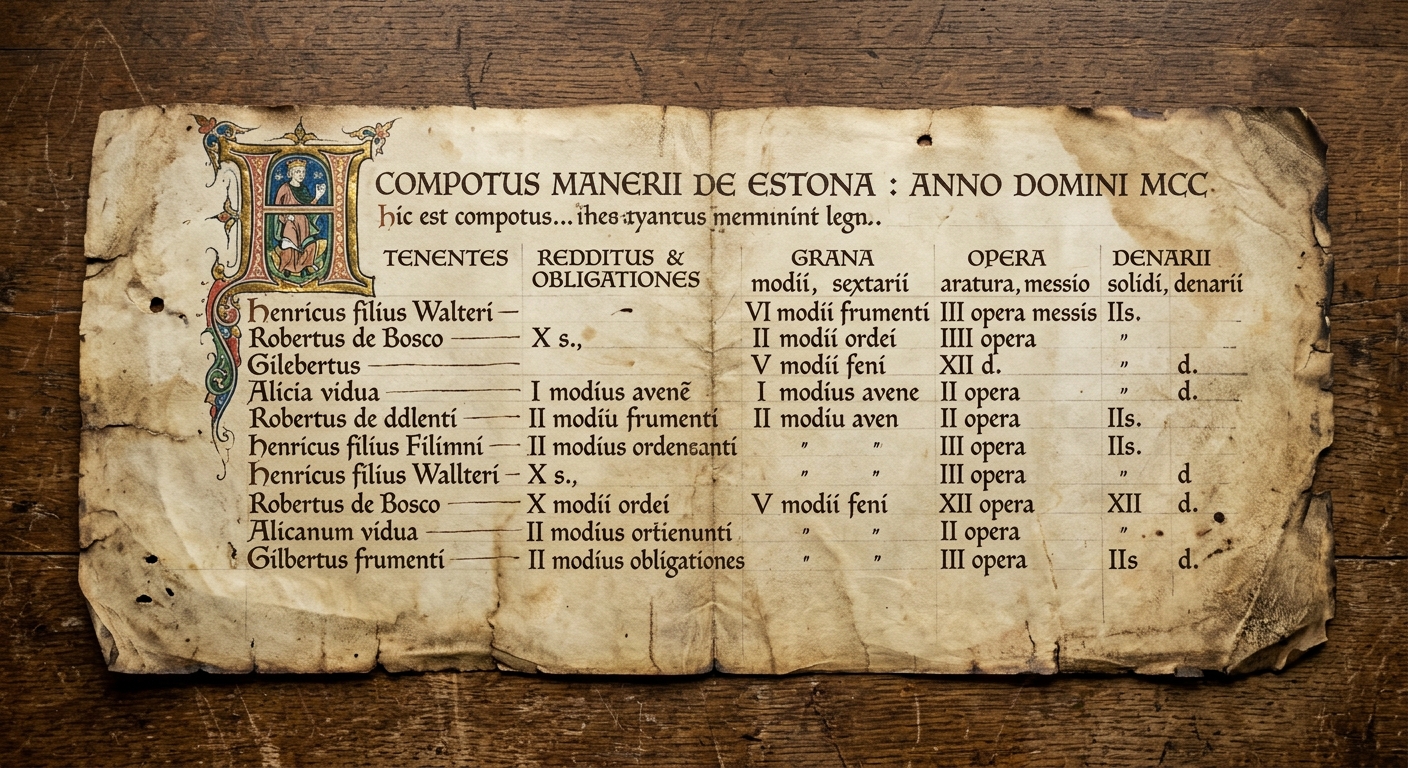
A parchment manorial rent ledger from medieval Europe showing handwritten lists of tenant dues in grain, labor, and coin.

This record lists what peasant households owed their lord each year: labor days on the lord’s land, grain or animals, and sometimes coins. These payments helped support the manor and provide protection. The document shows an economy based on obligations and limited resources.
Asemmisa {{asɛmmisaAhyɛnsode}}
1.

Using evidence from the document and caption, explain one way the manor’s system of dues (labor, goods, coin) helped meet basic needs or create order in Western Europe.

Asemmisa {{asɛmmisaAhyɛnsode}}
2.

If a bad harvest reduced a tenant’s grain supply, which decision would be the clearest example of scarcity creating a tradeoff?

Asemmisa {{asɛmmisaAhyɛnsode}}
3.

Which detail from the document MOST directly shows that wealth could be measured in more than money in feudal Europe?

Asemmisa {{asɛmmisaAhyɛnsode}}
4.

Describe one cost and one benefit for peasant households of paying dues in labor or goods instead of only paying in coins.

Support your answer with evidence from the document and caption.

Asemmisa {{asɛmmisaAhyɛnsode}}
5.

Based on the document and caption, which economic relationship is BEST represented?

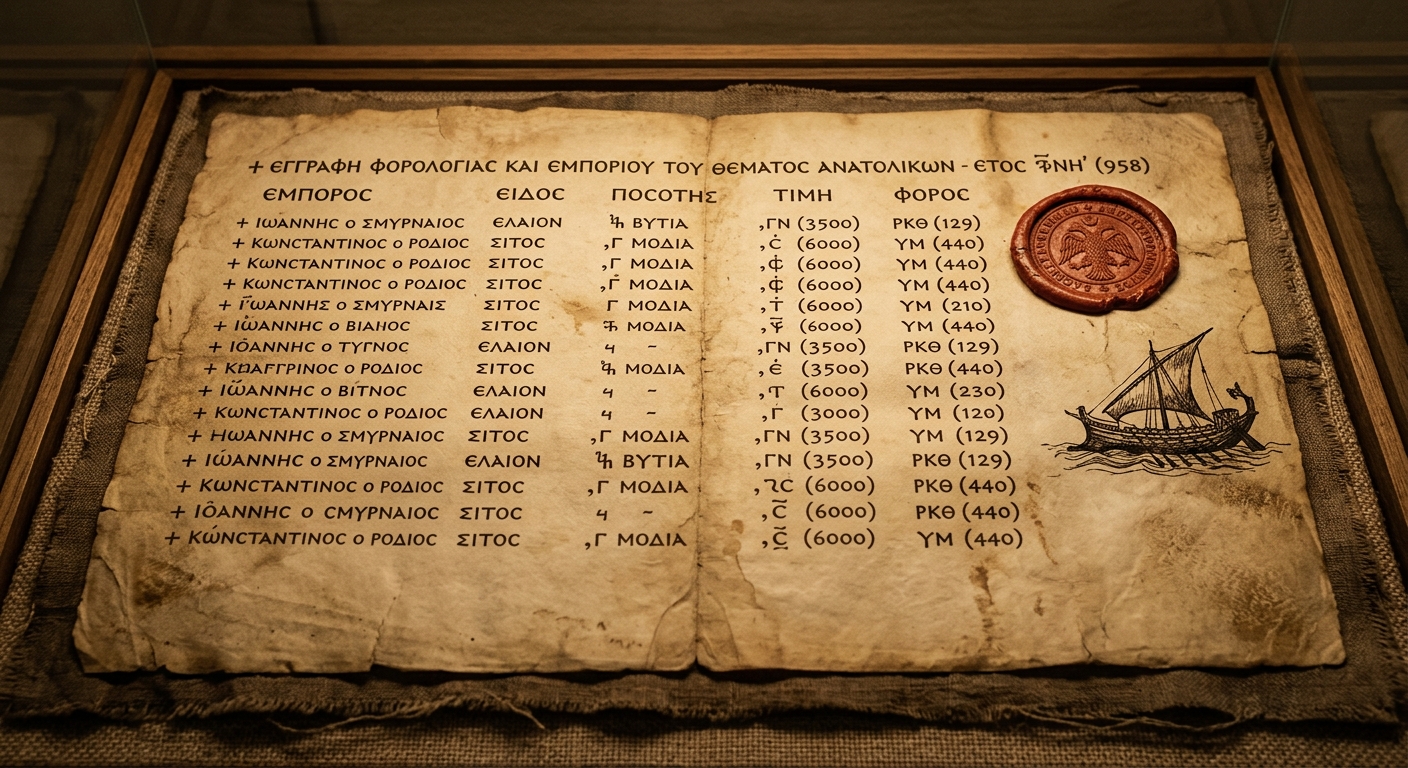
Historical Document: Byzantine Customs Record (c. 950)

A Byzantine parchment record with Greek writing and an imperial seal, suggesting taxes or trade records.

This customs record lists goods entering Constantinople and the taxes owed. Collecting taxes in a common currency helped the empire fund soldiers, ports, and city defenses. The document suggests a government-managed economy connected to Mediterranean trade routes.

Asemmisa {{asɛmmisaAhyɛnsode}}
6.

Using evidence from the document and caption, explain one way collecting customs taxes could strengthen the Byzantine Empire’s control of the Mediterranean basin.

Asemmisa {{asɛmmisaAhyɛnsode}}
7.

Which detail from the caption BEST connects the Byzantine Empire’s economy to preserving Roman elements?

Asemmisa {{asɛmmisaAhyɛnsode}}
8.

Based on the document and caption, which government action is MOST directly shown?

Asemmisa {{asɛmmisaAhyɛnsode}}
9.

Describe one benefit and one cost for merchants of a government-managed customs system like the one shown.

Support your answer with evidence from the document and caption.

Asemmisa {{asɛmmisaAhyɛnsode}}
10.

Which inference is BEST supported about why Constantinople became an important economic center?

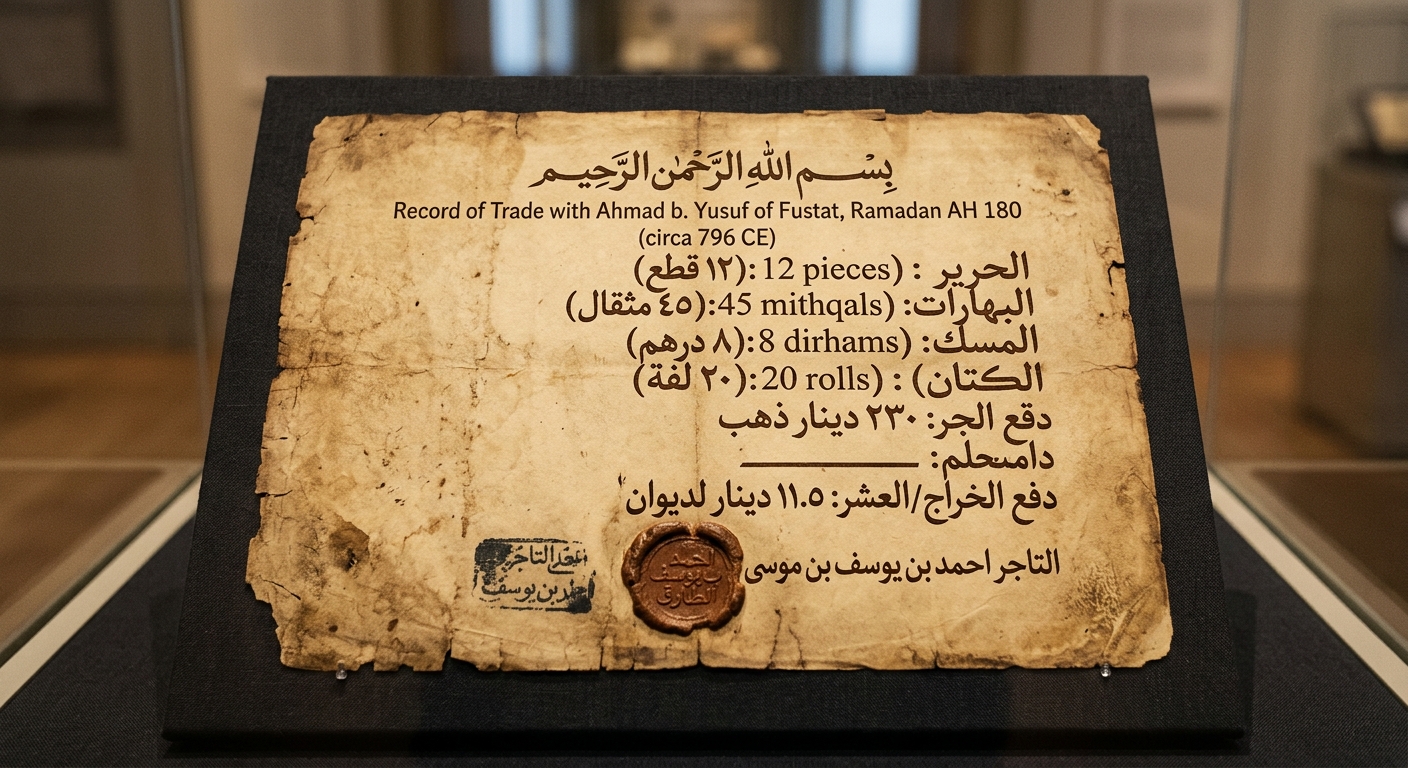
Historical Document: Merchant Receipt from a Caliphate Port (c. 800)

An early Islamic trade receipt with Arabic writing listing goods, quantities, and a seal or stamp.

This receipt lists goods entering a Mediterranean port under Islamic rule, with quantities and a small customs tax. Regular taxes and recordkeeping helped governments fund ports and protect trade. The document suggests busy trade networks that linked Southwest Asia, North Africa, and Iberia.

Asemmisa {{asɛmmisaAhyɛnsode}}
11.

Which inference is BEST supported about how trade could help Islam spread across the Mediterranean region?

Asemmisa {{asɛmmisaAhyɛnsode}}
12.

Describe one cost and one benefit for merchants of paying a customs tax like the one shown. Support your answer with evidence from the document and caption.

Asemmisa {{asɛmmisaAhyɛnsode}}
13.

Which benefit of recordkeeping and taxes is MOST supported by the caption?

Asemmisa {{asɛmmisaAhyɛnsode}}
14.

Based on the document and caption, which government action is MOST directly shown?

Asemmisa {{asɛmmisaAhyɛnsode}}
15.

Using evidence from the document and caption, explain one way Mediterranean trade networks could support the spread of Islam from Southwest Asia to North Africa and Iberia.

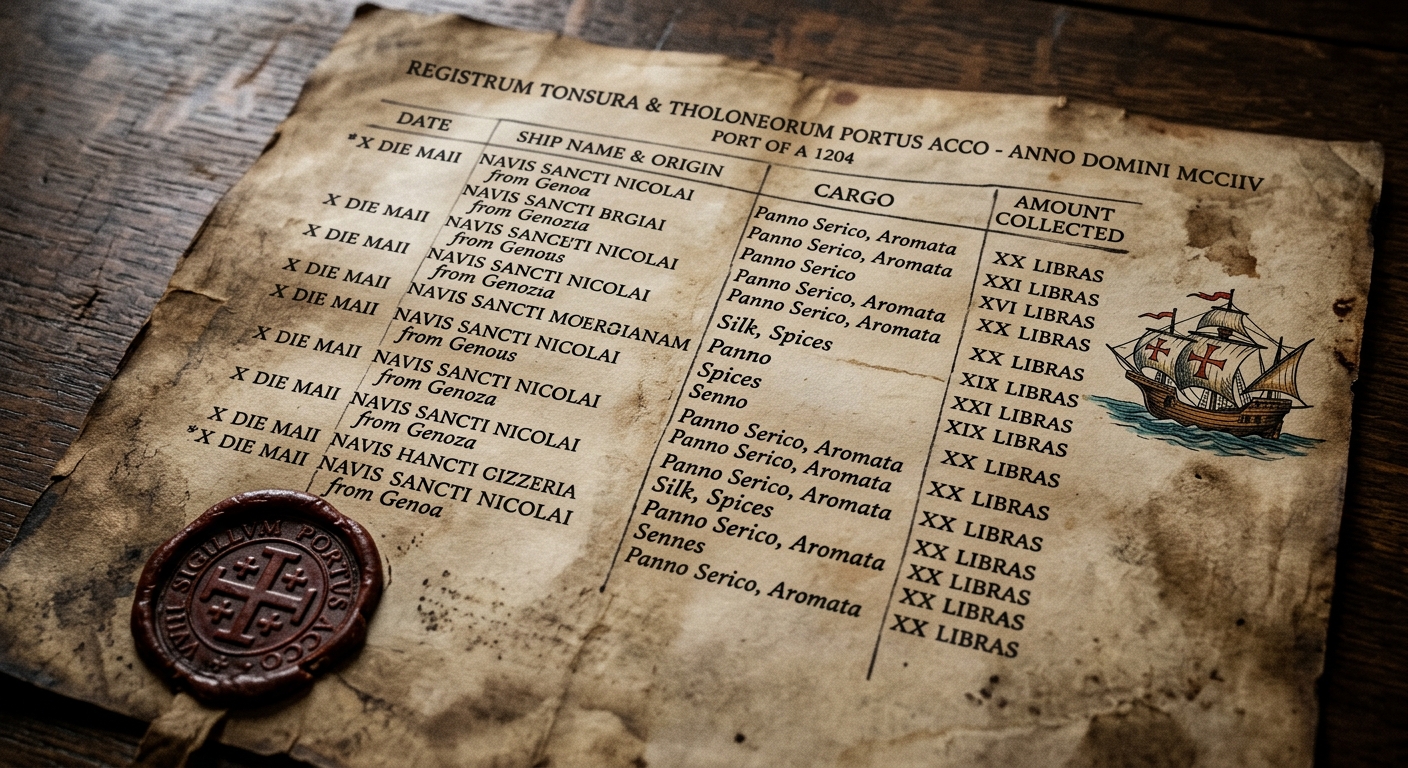
Historical Document: Port Toll Account in the Holy Lands (c. 1140)

A medieval parchment port toll ledger listing ships or goods and fees collected, with a wax seal.

This toll account lists ships entering a Mediterranean harbor near the Holy Lands and the fees collected. The money supported harbor guards and fortifications. The document suggests that controlling ports and trade routes could bring revenue, making economic competition part of Crusader-era conflict.

Asemmisa {{asɛmmisaAhyɛnsode}}
16.

Based on the document and caption, which government action is MOST directly shown?

Asemmisa {{asɛmmisaAhyɛnsode}}
17.

If tolls increased during a conflict, which decision would be the clearest example of scarcity creating a tradeoff for a merchant?

Asemmisa {{asɛmmisaAhyɛnsode}}
18.

Describe one benefit and one cost for merchants or pilgrims of paying port tolls in a region affected by Crusader-era conflict. Support your answer with evidence from the document and caption.

Asemmisa {{asɛmmisaAhyɛnsode}}
19.

Which inference BEST explains why ports in or near the Holy Lands could become targets during the Crusades?

Asemmisa {{asɛmmisaAhyɛnsode}}
20.

Using evidence from the document and caption, explain one way controlling a port and its tolls could increase a ruler’s power during Crusader-era conflicts.