Twa kɔ nsɛm atitiriw so
Log in
Sign up for FREE
arrow_back
Laabri

6.2 - First Humans Through Neolithic Revolution in the Eastern Hemisphere - Practice E

star
star
star
star
star
Last updated about 2 months ago
20 Nsɛmmisa
Hyɛ no nsow a efi ɔkyerɛwfo no hɔ:

Use the historical document(s) and the short readings in the left panel to answer the associated questions.

Use the historical document(s) and the short readings in the left panel to answer the associated questions.

6.2.a
DOK.SS.2
6.2.b
DOK.SS.2
6.2.c
DOK.SS.2
6.2.d
DOK.SS.2
Ɛhia
1
6.2.a
DOK.SS.2
Ɛhia
1
6.2.a
DOK.SS.2
Ɛhia
1
6.2.a
DOK.SS.2
Ɛhia
1
6.2.a
DOK.SS.2
Ɛhia
1
6.2.a
DOK.SS.2
Ɛhia
1
6.2.b
DOK.SS.2
Ɛhia
1
6.2.b
DOK.SS.2
Ɛhia
1
6.2.b
DOK.SS.2
Ɛhia
1
6.2.b
DOK.SS.2
Ɛhia
1
6.2.b
DOK.SS.2
Ɛhia
1
6.2.c
DOK.SS.2
Ɛhia
1
6.2.c
DOK.SS.2
Ɛhia
1
6.2.c
DOK.SS.2
Ɛhia
1
6.2.c
DOK.SS.2
Ɛhia
1
6.2.c
DOK.SS.2
Ɛhia
1
6.2.d
DOK.SS.2
Ɛhia
1
6.2.d
DOK.SS.2
Ɛhia
1
6.2.d
DOK.SS.2
Ɛhia
1
6.2.d
DOK.SS.2
Ɛhia
1
6.2.d
DOK.SS.2

Archaeologists have found early farming records in river valleys. Symbols and tally marks tracked grain, animals, and work owed. By recording surpluses, communities could plan for scarce seasons, assign specialized jobs, and trade extra food for tools or pottery.
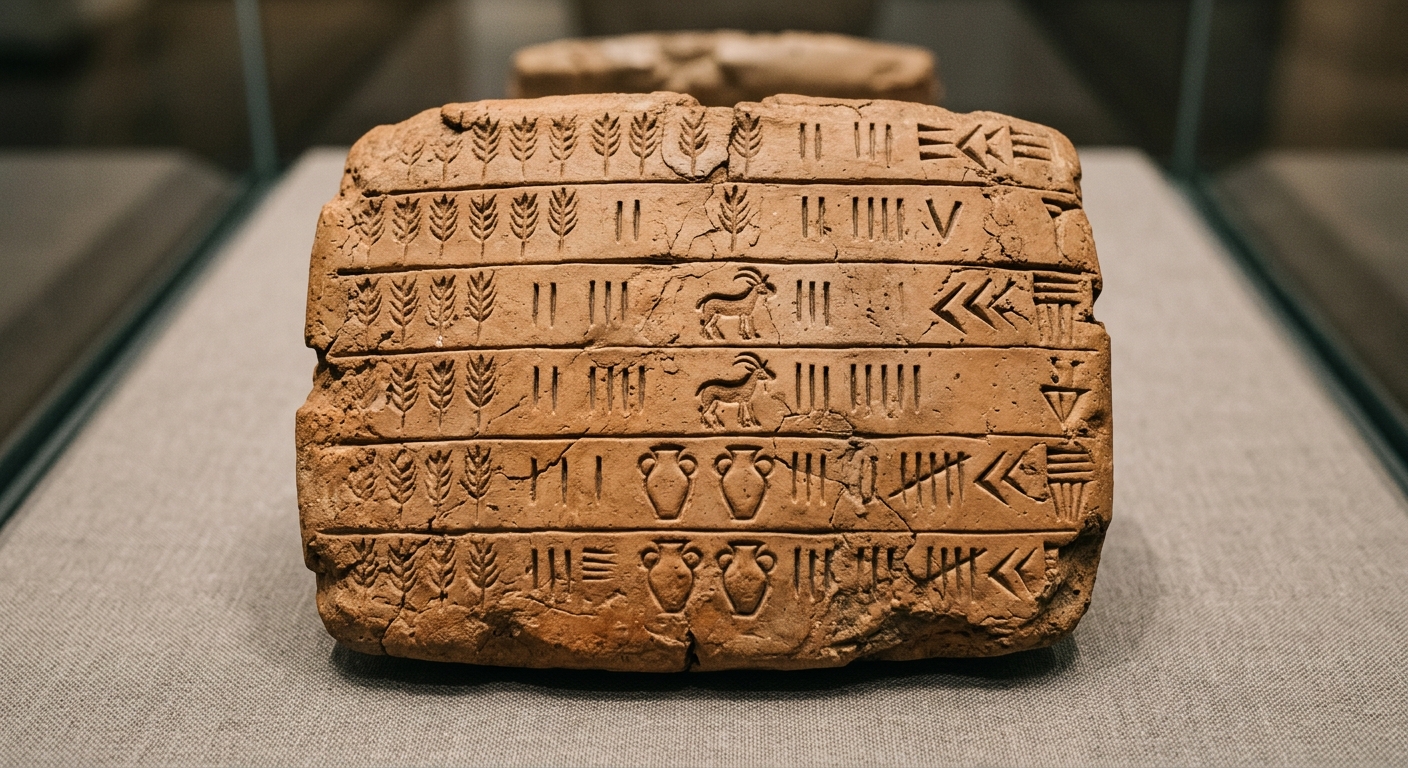
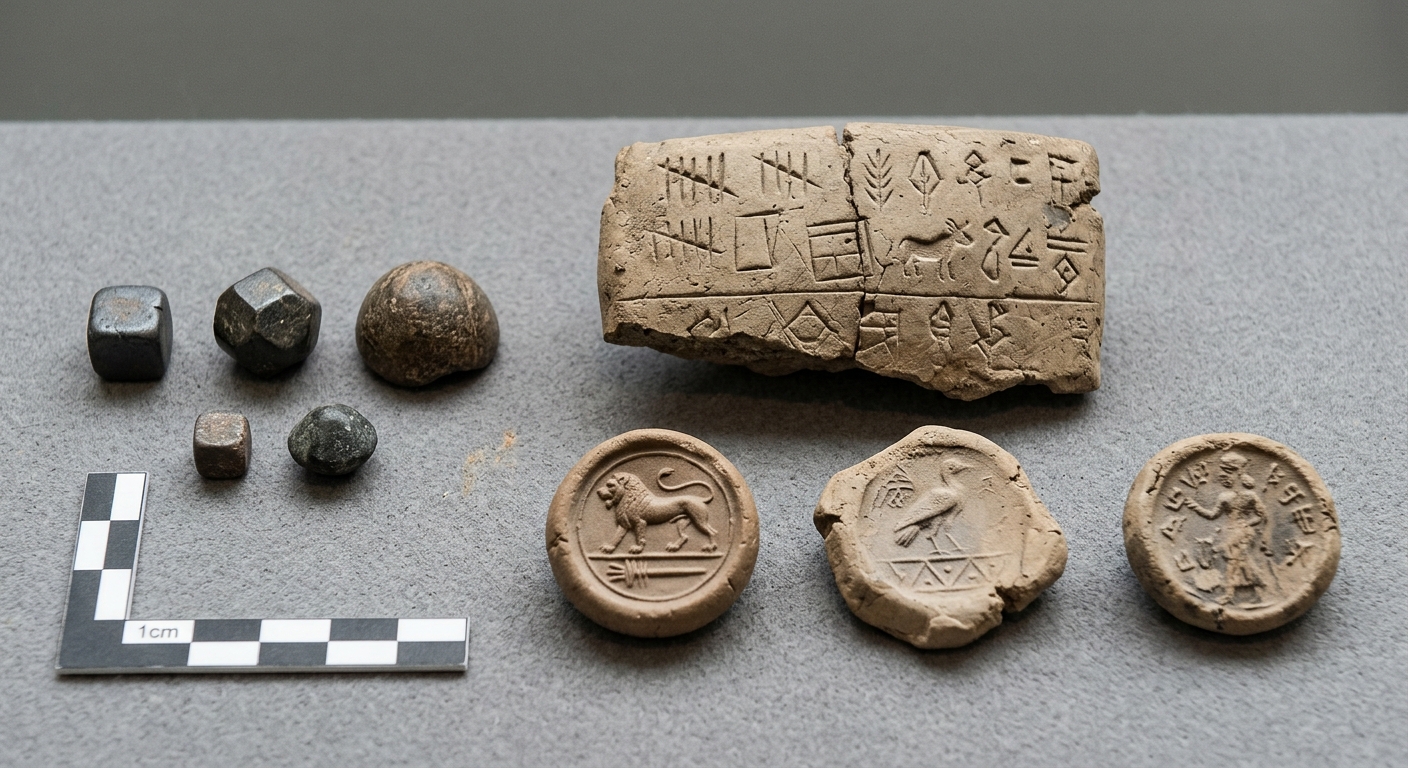
Photo of a clay tablet with pictographs and tally marks showing a grain-and-livestock inventory.

Asemmisa {{asɛmmisaAhyɛnsode}}
1.

What economic activity is MOST directly shown by the symbols and tally marks on the tablet?

Asemmisa {{asɛmmisaAhyɛnsode}}
2.

In which environment would a community be MOST likely to develop a system for tracking grain surpluses like the one shown?

Asemmisa {{asɛmmisaAhyɛnsode}}
3.

A drought reduces the harvest. Which decision BEST shows how scarcity forces choices (opportunity cost) in this community?

Asemmisa {{asɛmmisaAhyɛnsode}}
4.

Explain how keeping inventory records could support job specialization and trade in a settled farming community.

Use at least two specific details from the tablet/reading (for example, tallies, grain, animals, or work owed).

Asemmisa {{asɛmmisaAhyɛnsode}}
5.

Choose ONE environment (river valley, desert, mountains, coastline, or rainforest).

Explain how people living there could use available resources to produce goods and services, and describe one scarcity problem they might face.

Connect your explanation to why communities in different environments developed different ways of life.

At a river-valley settlement, archaeologists uncovered storage jars, clay sealings, stone weights, and a broken tablet with tally marks. These artifacts suggest people measured goods, controlled access to stored food, and recorded exchanges. Evidence like this helps archaeologists infer how early communities organized trade and work.

Asemmisa {{asɛmmisaAhyɛnsode}}
6.

Which conclusion about the settlement’s economic system is BEST supported by the artifacts shown?

Asemmisa {{asɛmmisaAhyɛnsode}}
7.

Which artifact would MOST directly help archaeologists understand whether people used standard measures to make trades fair?

Asemmisa {{asɛmmisaAhyɛnsode}}
8.

Which statement is an INFERENCE (not a direct observation) that an archaeologist could reasonably make from the sealings, weights, and tally marks?

Asemmisa {{asɛmmisaAhyɛnsode}}
9.

Explain how TWO different artifacts or features (for example, sealings, weights, storage jars, or tally marks) provide evidence about how the community made economic decisions.

Include how scarcity or limited resources could affect those decisions.

Asemmisa {{asɛmmisaAhyɛnsode}}
10.

Archaeologists often study multiple types of artifacts and features at one site. Explain why using several kinds of evidence (for example, jars, sealings, weights, and tallies) gives a stronger understanding of an early community’s economic system than using only one type.

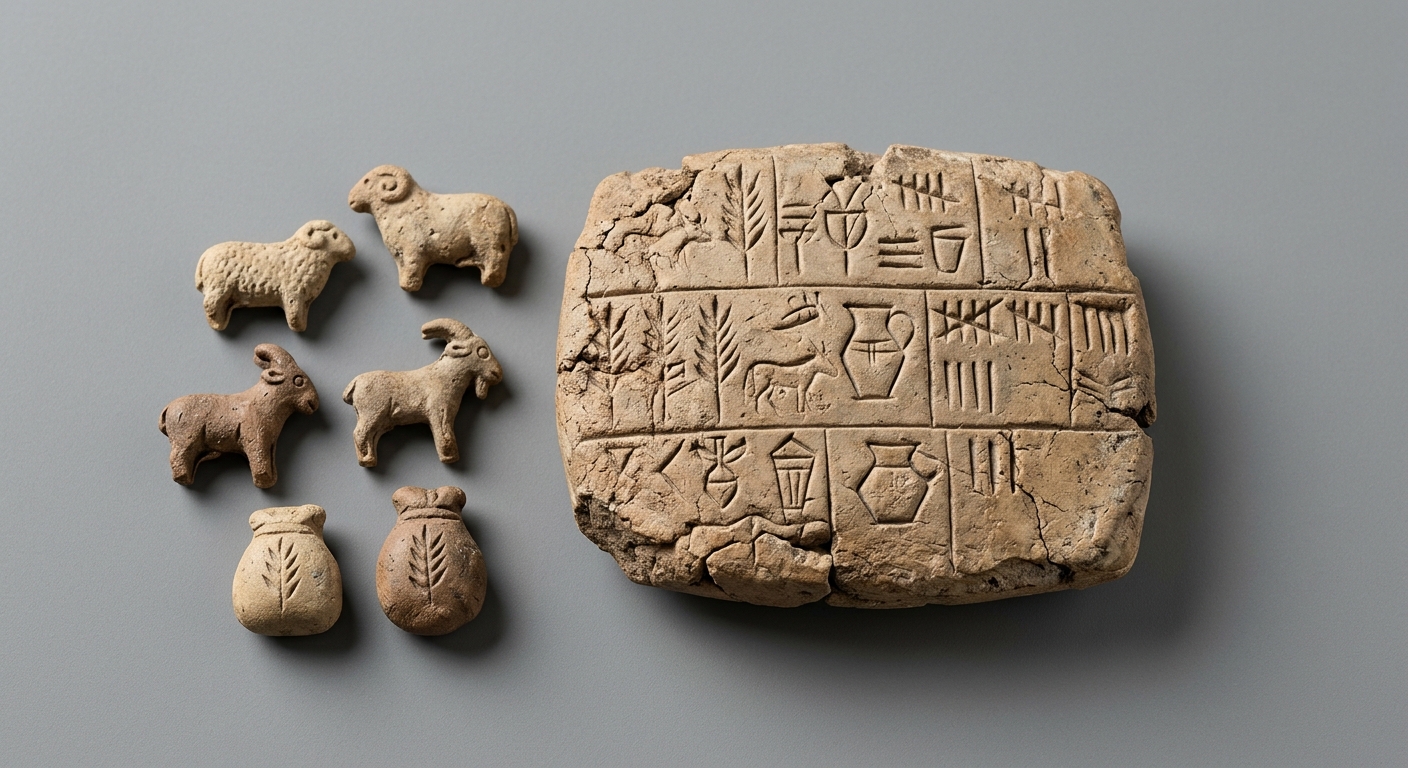
During the Neolithic Revolution, farming and domesticated animals provided more predictable food supplies. Families could store grain and manage herds, creating surpluses. Settled villages used records to plan for shortages, support specialized work, and trade extra food for tools, pottery, and other goods.

Museum-style photo of a clay tablet with tally marks and small clay tokens representing grain and domesticated animals.

Asemmisa {{asɛmmisaAhyɛnsode}}
11.

Which change from the Neolithic Revolution MOST directly helped people form sedentary (permanent) settlements?

Asemmisa {{asɛmmisaAhyɛnsode}}
12.

If a village produced a grain surplus, which outcome is MOST likely in its economic system?

Asemmisa {{asɛmmisaAhyɛnsode}}
13.

A village has a limited number of workers. Which decision BEST shows opportunity cost in a Neolithic farming community?

Asemmisa {{asɛmmisaAhyɛnsode}}
14.

Explain how farming and domestication changed economic decisions in a settled village.

Use at least two details from the document/reading (for example, grain, animals, tokens, tallies, storage, trade, or specialization).

Asemmisa {{asɛmmisaAhyɛnsode}}
15.

From an economic perspective, explain one benefit and one cost of living in a permanent farming village compared with living as a nomadic hunter-gatherer group.

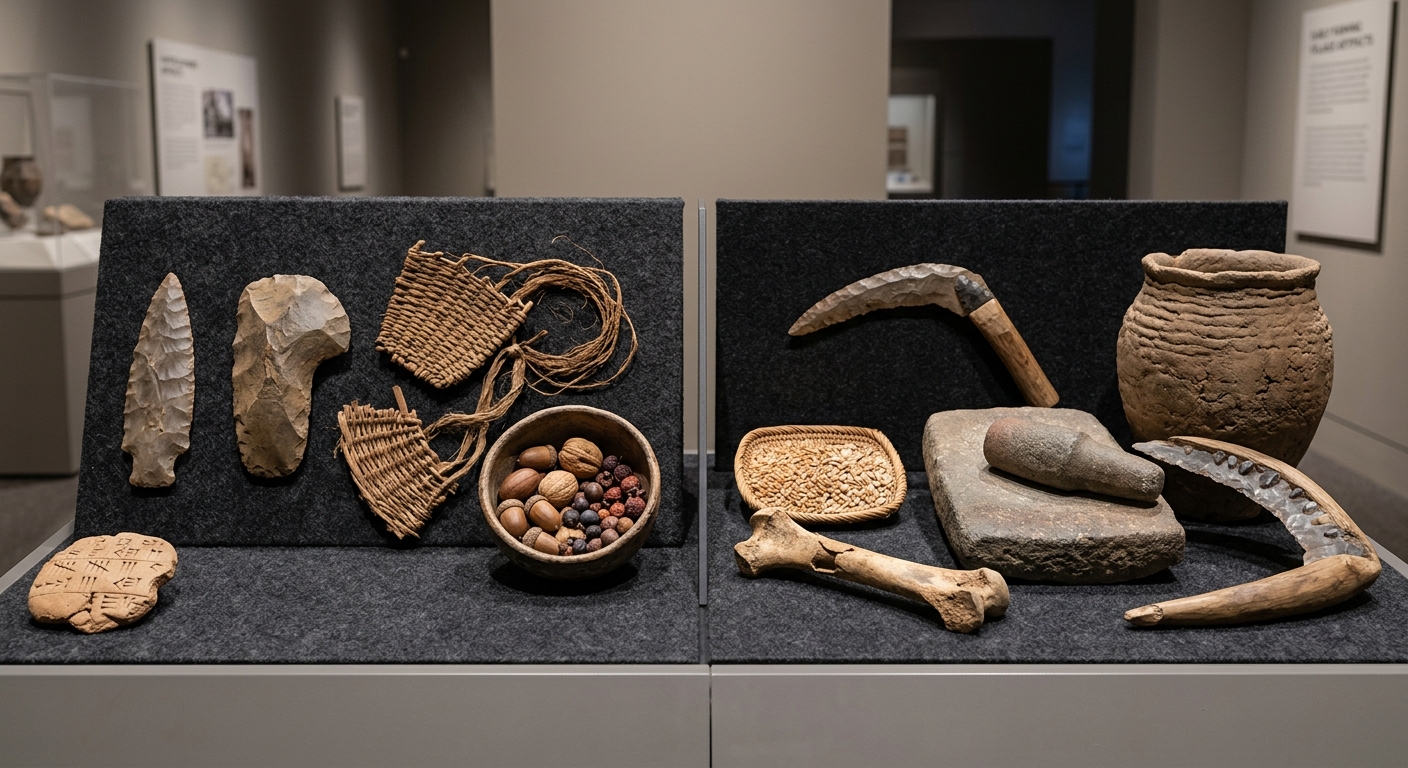
Historians use many kinds of evidence to identify patterns and turning points. One economic turning point was the shift to farming and herding. Stored food surpluses let some people specialize, plan for scarcity, and trade. Artifacts like jars, tools, and tallies help show these changes.

Museum display photo showing hunter-gatherer tools on the left and early farming artifacts like a storage jar, grain, and a tally tablet on the right.

Asemmisa {{asɛmmisaAhyɛnsode}}
16.

Which development BEST represents an economic turning point shown by the evidence?

Asemmisa {{asɛmmisaAhyɛnsode}}
17.

Which piece of evidence MOST directly supports the idea that early farmers could plan for future shortages?

Asemmisa {{asɛmmisaAhyɛnsode}}
18.

Which claim is BEST supported when historians use several types of evidence together (tools, storage, and records)?

Asemmisa {{asɛmmisaAhyɛnsode}}
19.

Explain how the evidence suggests a turning point in economic organization.

Use at least two specific details from the document (for example, storage jars, grain, tools, or tally marks).

Asemmisa {{asɛmmisaAhyɛnsode}}
20.

Historians identify turning points by comparing different kinds of evidence. Explain why using several artifact types gives a stronger conclusion about an early community’s economic system than using only one artifact.