Twa kɔ nsɛm atitiriw so
Log in
Sign up for FREE
arrow_back
Laabri

6.3 - Early River Valley Civilizations in the Eastern Hemisphere - Practice A

star
star
star
star
star
Last updated about 2 months ago
20 Nsɛmmisa
Hyɛ no nsow a efi ɔkyerɛwfo no hɔ:

Use the historical document(s) and the short readings in the left panel to answer the associated questions.

Use the historical document(s) and the short readings in the left panel to answer the associated questions.

Ɛhia
1
6.3.a
DOK.SS.2
Ɛhia
1
6.3.a
DOK.SS.2
Ɛhia
1
6.3.a
DOK.SS.2
Ɛhia
1
6.3.a
DOK.SS.2
Ɛhia
1
6.3.a
DOK.SS.2
Ɛhia
1
6.3.b
DOK.SS.2
Ɛhia
1
6.3.b
DOK.SS.2
Ɛhia
1
6.3.b
DOK.SS.2
Ɛhia
1
6.3.b
DOK.SS.2
Ɛhia
1
6.3.b
DOK.SS.2
Ɛhia
1
6.3.c
DOK.SS.2
Ɛhia
1
6.3.c
DOK.SS.2
Ɛhia
1
6.3.c
DOK.SS.2
Ɛhia
1
6.3.c
DOK.SS.2
Ɛhia
1
6.3.c
DOK.SS.2
Ɛhia
1
6.3.d
DOK.SS.2
Ɛhia
1
6.3.d
DOK.SS.2
Ɛhia
1
6.3.d
DOK.SS.2
Ɛhia
1
6.3.d
DOK.SS.2
Ɛhia
1
6.3.d
DOK.SS.2

This museum photo shows a clay tablet from ancient Mesopotamia. A later translation summarizes the tablet as a record of barley rations for workers repairing a canal. Historians use documents like this to infer how river valleys supported farming, labor, and government planning.
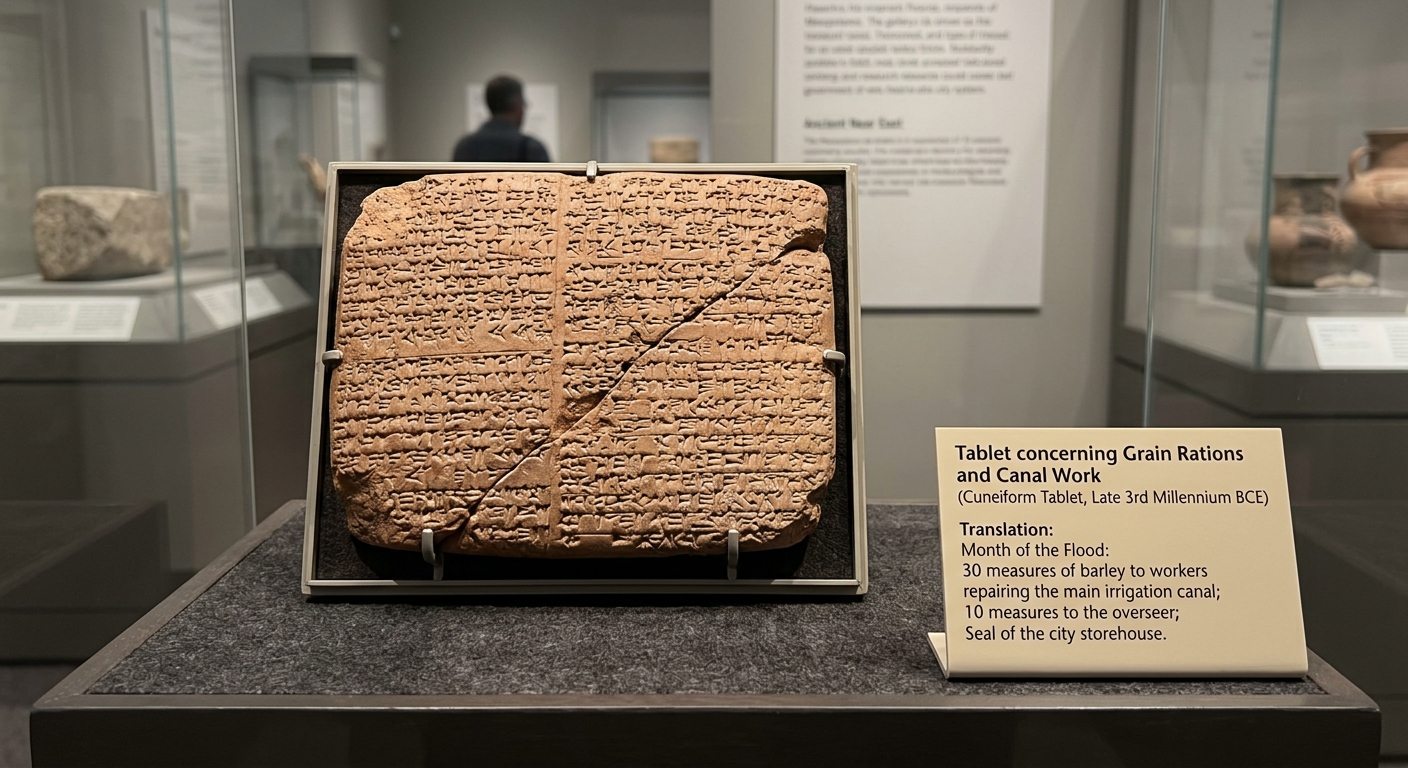
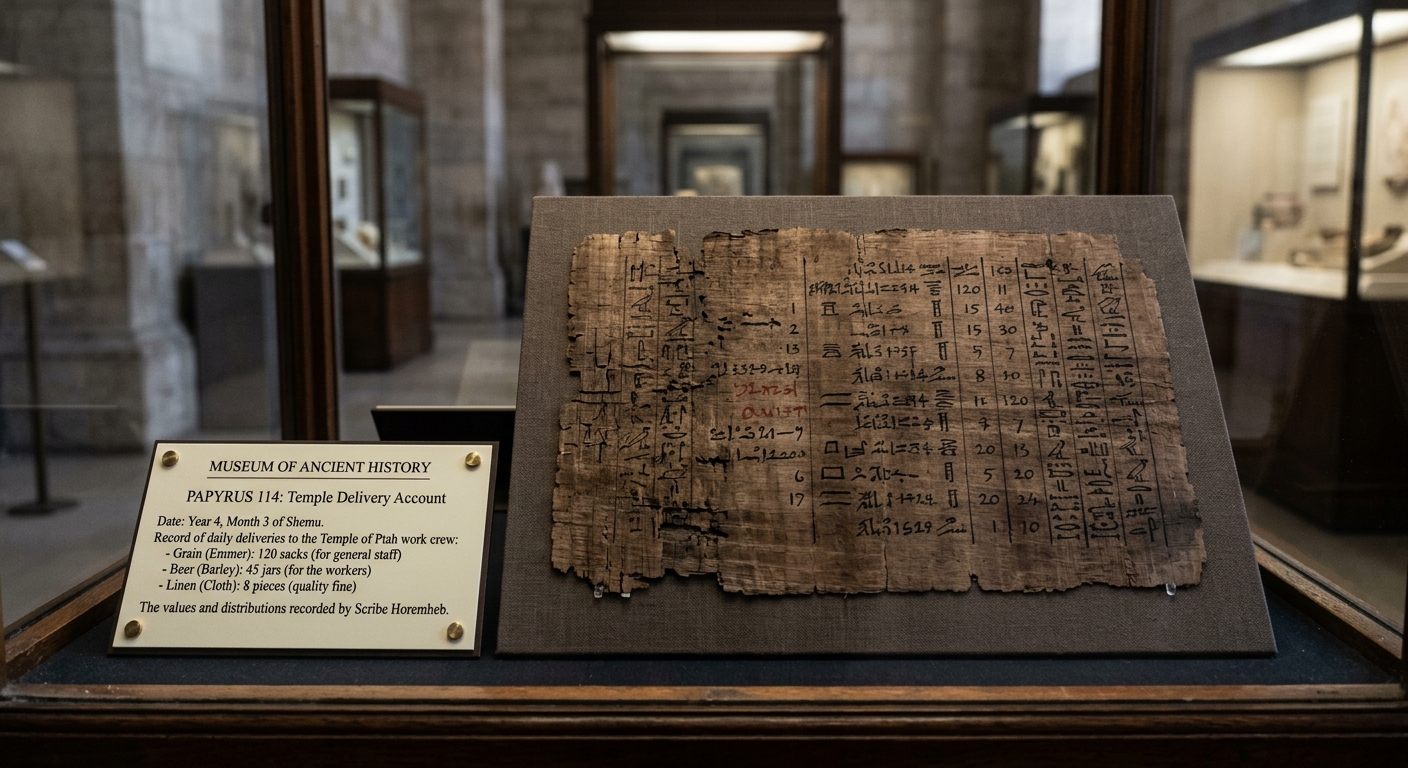
Photo of an ancient clay tablet with cuneiform and a small placard showing a short English translation about barley rations for canal workers.

Asemmisa {{asɛmmisaAhyɛnsode}}
1.

Explain how this document can be used as evidence about life in an early river valley civilization.

In your response, include two specific details from the translation and explain what each detail suggests.

Asemmisa {{asɛmmisaAhyɛnsode}}
2.

Which conclusion is BEST supported by the evidence in this document?

Asemmisa {{asɛmmisaAhyɛnsode}}
3.

A historian claims, “An authority figure supervised work and received different rations than other workers.”

Which detail from the translation would MOST support this claim?

Asemmisa {{asɛmmisaAhyɛnsode}}
4.

Based on the tablet’s translation, what type of historical source is this document MOST like?

Asemmisa {{asɛmmisaAhyɛnsode}}
5.

Historians sometimes compare sources to check reliability. What is one limitation of using a translated museum placard (instead of the original language) as evidence, and what is one strength?

Write a short paragraph.

This museum photo shows a papyrus record from ancient Egypt. A later translation describes a scribe listing grain, beer, and linen given to workers serving a temple. Historians use records like this to infer job specialization, record keeping, and how governments managed resources in river valleys.

Museum photo of an ancient Egyptian papyrus with hieroglyphs and a placard translating a list of grain, beer, and linen recorded by a scribe.

Asemmisa {{asɛmmisaAhyɛnsode}}
6.

Which conclusion is BEST supported by evidence from this document?

Asemmisa {{asɛmmisaAhyɛnsode}}
7.

Historians use evidence to make inferences. Write a short paragraph explaining one inference you can make about government or temple authority in ancient Egypt from this document, and one limitation of the evidence.

Asemmisa {{asɛmmisaAhyɛnsode}}
8.

A historian claims, “Leaders used records to manage resources for workers.” Which detail from the translation would MOST support this claim?

Asemmisa {{asɛmmisaAhyɛnsode}}
9.

Explain how this papyrus record can be used as evidence that ancient Egypt was a complex society. Include two specific details from the translation and explain what each detail suggests.

Asemmisa {{asɛmmisaAhyɛnsode}}
10.

Based on the translation, what is this papyrus document MOST like?

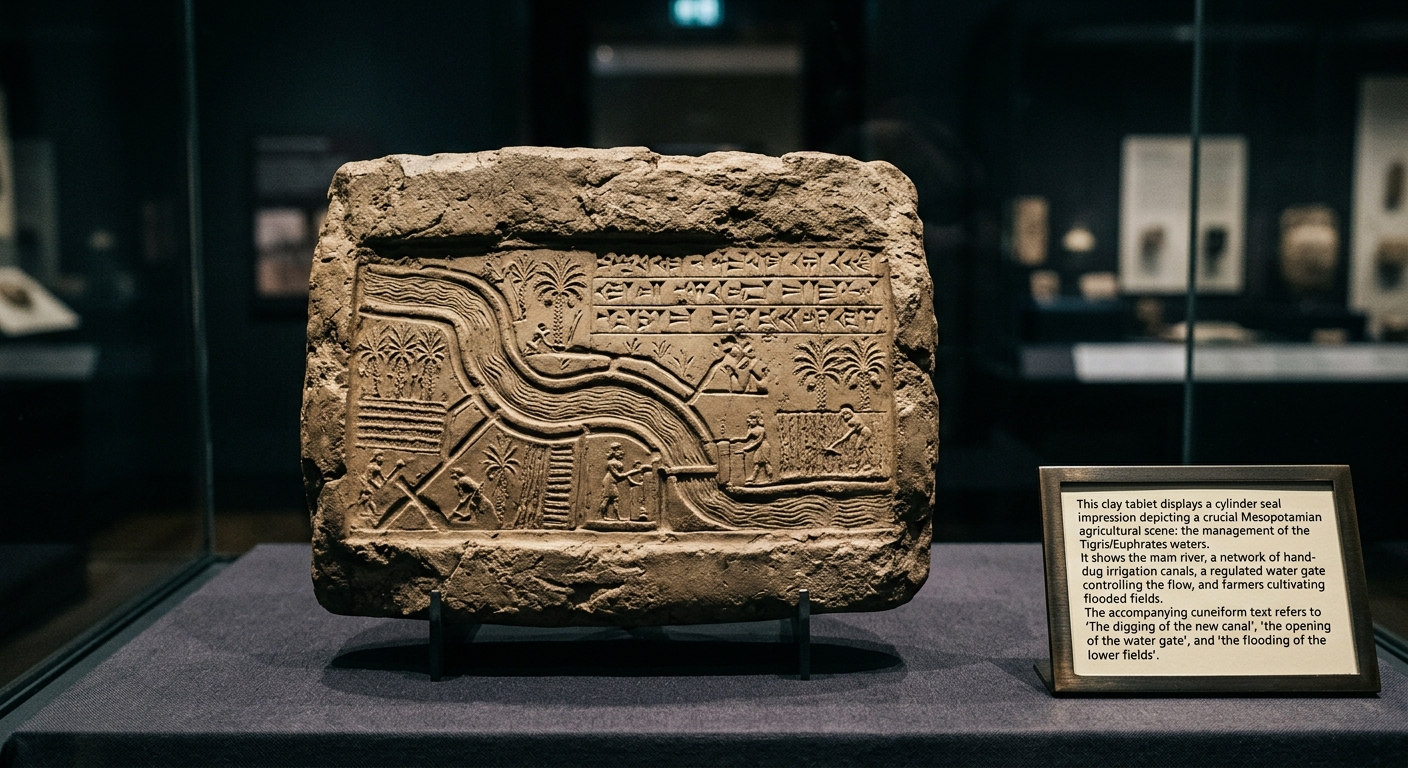
This museum photo shows a Mesopotamian clay tablet with a seal impression. A later translation describes building water gates and digging canals to bring river water to fields. Historians use this kind of record to infer how people changed their environment to grow food and support cities.

Museum photo of a clay tablet with a cylinder seal impression and a placard translating notes about building irrigation canals and water gates.

Asemmisa {{asɛmmisaAhyɛnsode}}
11.

Which conclusion is BEST supported by the evidence in this document?

Asemmisa {{asɛmmisaAhyɛnsode}}
12.

Historians evaluate evidence carefully. What is one limitation of using a museum translation to understand this document, and what is one additional source (type of evidence) you would want to compare it with? Explain briefly.

Asemmisa {{asɛmmisaAhyɛnsode}}
13.

Which detail from the translation is the BEST evidence that people in Mesopotamia modified their environment?

Asemmisa {{asɛmmisaAhyɛnsode}}
14.

A historian claims, “Controlling river water required technology and planning.” Which evidence from the translation would MOST support this claim?

Asemmisa {{asɛmmisaAhyɛnsode}}
15.

Using evidence from the document, explain one way Mesopotamians adapted to their river environment and one way they modified it.

Include two specific details from the translation.

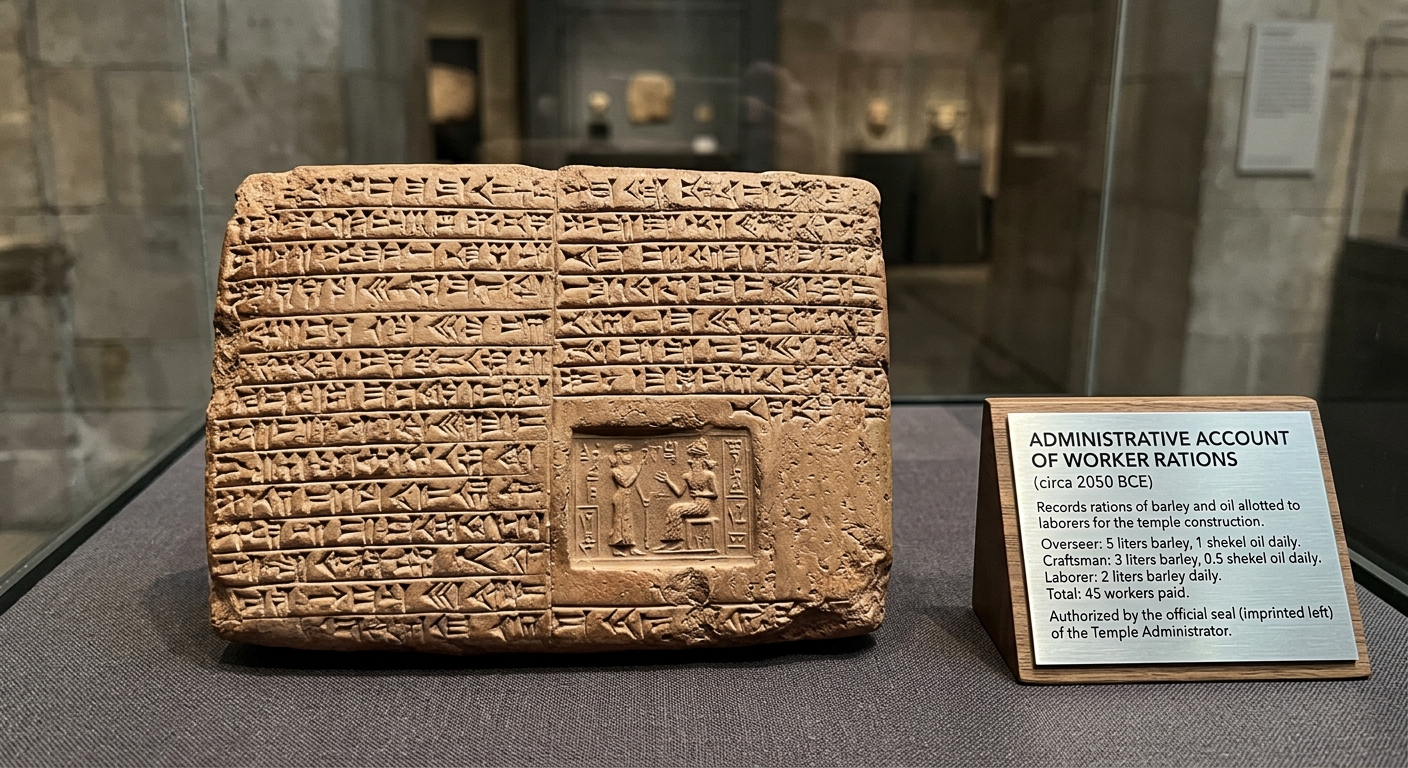
Reading Stimulus (50 words): This museum photo shows a Mesopotamian clay tablet. A later translation lists food rations given to different workers, including an overseer and other laborers. Historians use records like this to gather evidence about social hierarchies and how leaders controlled resources, which affected people’s access to power, wealth, and jobs.

Museum photo of a clay tablet with cuneiform and a placard translating different rations for an overseer, craftsperson, and laborers.

Asemmisa {{asɛmmisaAhyɛnsode}}
16.

Historians compare evidence across sources. What is one limitation of using this ration record to understand Mesopotamian social hierarchy, and what is one additional type of evidence you would want to examine? Explain briefly.

Asemmisa {{asɛmmisaAhyɛnsode}}
17.

Which detail from the translation would be the BEST evidence that a hierarchy existed at the work site?

Asemmisa {{asɛmmisaAhyɛnsode}}
18.

Which conclusion is BEST supported by the evidence in this document?

Asemmisa {{asɛmmisaAhyɛnsode}}
19.

Explain how this document can be used as evidence that political or social hierarchies influenced access to power, wealth, or jobs in Mesopotamia.

Include two specific details from the translation and explain what each detail suggests.

Asemmisa {{asɛmmisaAhyɛnsode}}
20.

A historian claims, “Officials used recordkeeping to control resources and labor.” Which evidence from the translation would MOST support this claim?