Twa kɔ nsɛm atitiriw so
Log in
Sign up for FREE
arrow_back
Laabri

6.4a - Comparative World Religions - Practices A through E

star
star
star
star
star
Last updated about 2 months ago
25 Nsɛmmisa
Hyɛ no nsow a efi ɔkyerɛwfo no hɔ:

Use the historical document(s) and the short readings in the left panel to answer the associated questions.

Use the historical document(s) and the short readings in the left panel to answer the associated questions.

6.4.a
DOK.SS.2
6.4.a
DOK.SS.2
6.4.a
DOK.SS.2
6.4.a
DOK.SS.2
6.4.a
DOK.SS.2
Ɛhia
2
6.4.a
DOK.SS.2
Ɛhia
1
6.4.a
DOK.SS.2
Ɛhia
1
6.4.a
DOK.SS.2
Ɛhia
1
6.4.a
DOK.SS.2
Ɛhia
2
6.4.a
DOK.SS.2
Ɛhia
2
6.4.a
DOK.SS.2
Ɛhia
1
6.4.a
DOK.SS.2
Ɛhia
1
6.4.a
DOK.SS.2
Ɛhia
1
6.4.a
DOK.SS.2
Ɛhia
2
6.4.a
DOK.SS.2
Ɛhia
1
6.4.a
DOK.SS.2
Ɛhia
2
6.4.a
DOK.SS.2
Ɛhia
1
6.4.a
DOK.SS.2
Ɛhia
2
6.4.a
DOK.SS.2
Ɛhia
1
6.4.a
DOK.SS.2
Ɛhia
1
6.4.a
DOK.SS.2
Ɛhia
1
6.4.a
DOK.SS.2
Ɛhia
2
6.4.a
DOK.SS.2
Ɛhia
1
6.4.a
DOK.SS.2
Ɛhia
2
6.4.a
DOK.SS.2
Ɛhia
2
6.4.a
DOK.SS.2
Ɛhia
1
6.4.a
DOK.SS.2
Ɛhia
2
6.4.a
DOK.SS.2
Ɛhia
1
6.4.a
DOK.SS.2
Ɛhia
1
6.4.a
DOK.SS.2

Historical Document:

“Royal Edict on Right Conduct” (translated)
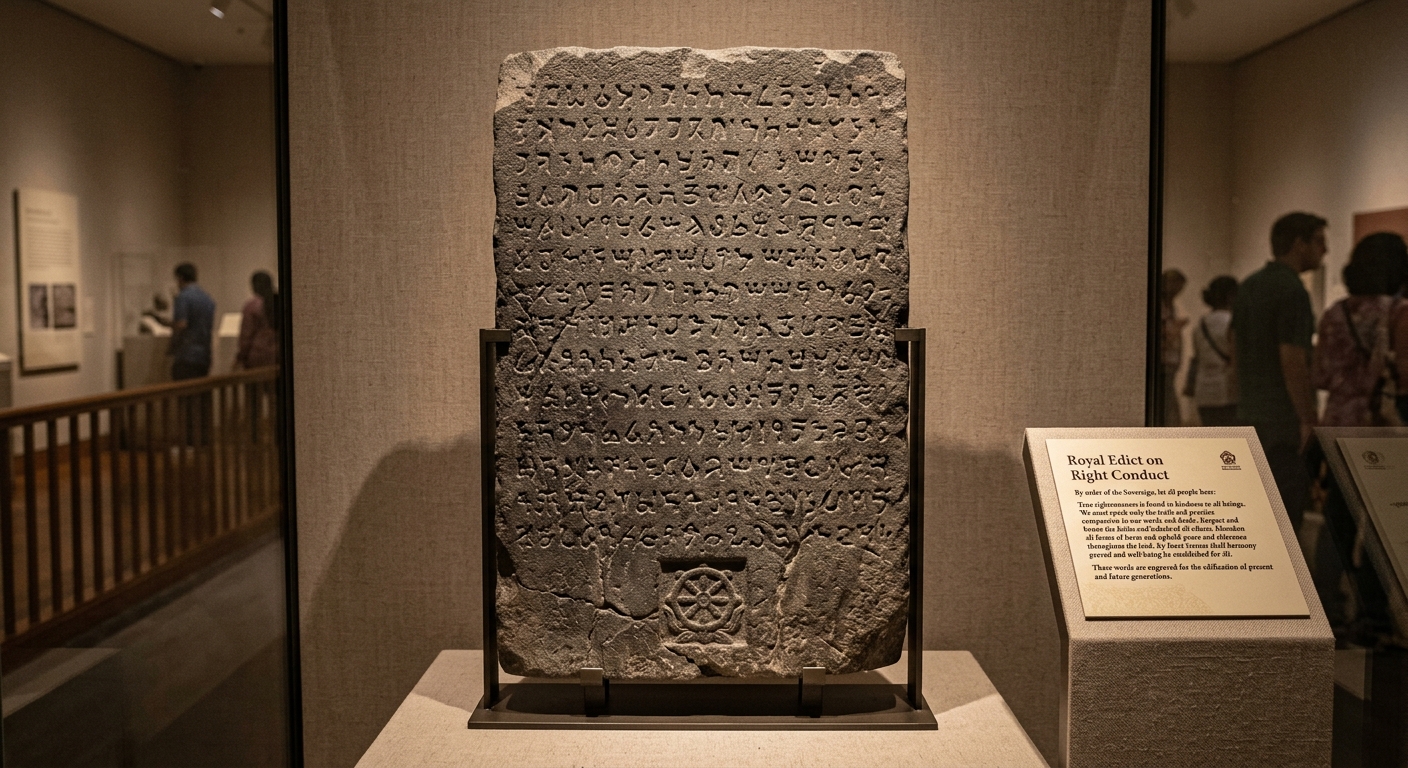
Museum-style photo of a stone edict display with carved text and a label titled “Royal Edict on Right Conduct,” describing kindness, self-control, and respect for different faiths.

This inscription is a translation of a ruler’s public message carved for people to read. It calls on subjects to practice self-control, kindness, and honesty. It also warns against insulting other faiths and says respectful speech helps the whole community.
Asemmisa {{asɛmmisaAhyɛnsode}}
1.

Compare one idea in this document to a general feature found in many religions or belief systems (for example, rules for behavior, community responsibilities, or respect for others).

Use evidence from the document and explain your reasoning.

Asemmisa {{asɛmmisaAhyɛnsode}}
2.

Which conclusion is BEST supported by evidence in the edict and its label?

Asemmisa {{asɛmmisaAhyɛnsode}}
3.

Based on the source, which statement is the STRONGEST piece of evidence that this message was meant to unify a diverse society?

Asemmisa {{asɛmmisaAhyɛnsode}}
4.

Which characteristic of belief systems is MOST clearly shown in this document?

Asemmisa {{asɛmmisaAhyɛnsode}}
5.

Using at least two details from the document, explain what the ruler wanted people to do and why the ruler might have displayed this message publicly.

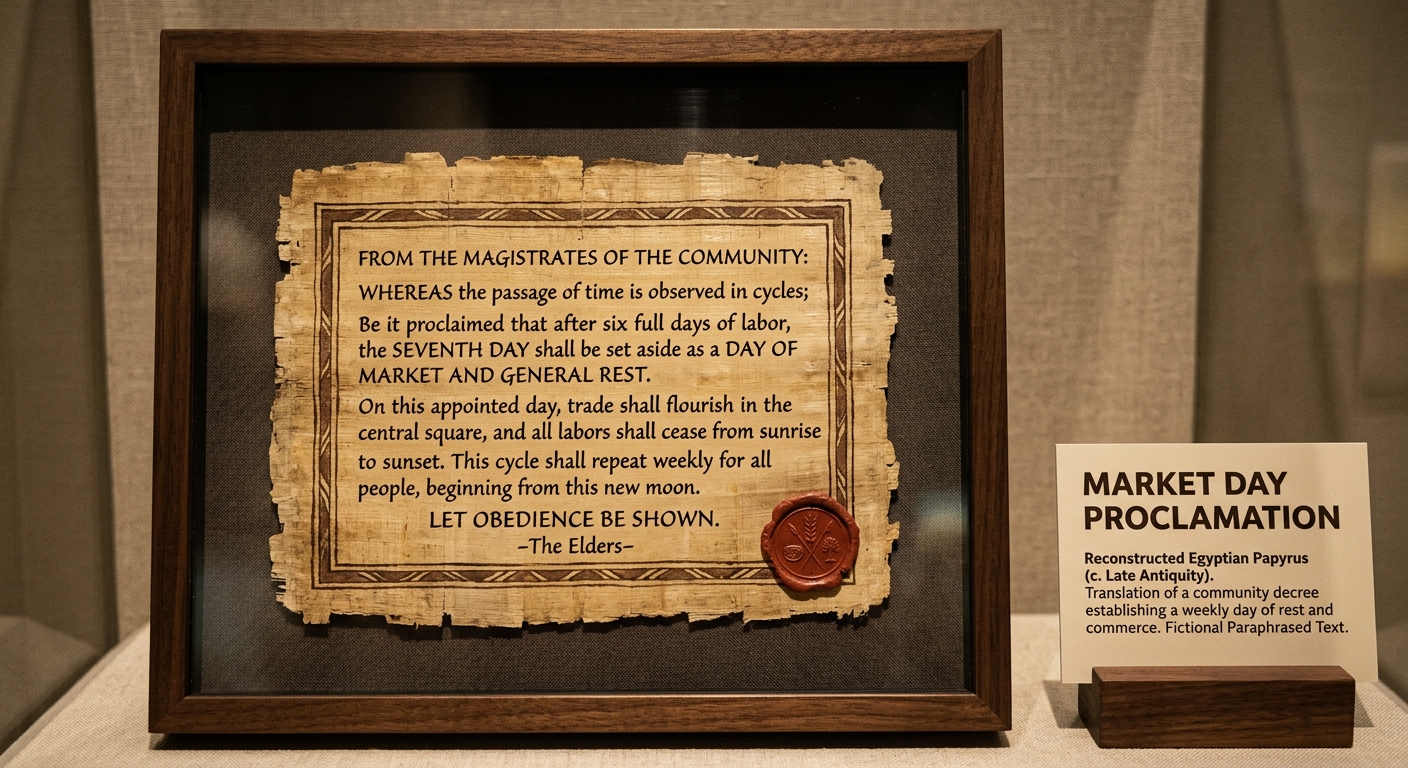
Historical Document: “Market Day Proclamation” (translated)

Museum-style photo of a mounted papyrus fragment labeled “Market Day Proclamation,” describing counting days on a calendar and setting a regular community market or rest day.

This proclamation, posted for townspeople, explains how officials counted days for the community calendar. It sets a regular market day that repeats after a fixed number of days and names a rest day that comes afterward. The schedule was meant to coordinate trade, worship, and community duties.

Asemmisa {{asɛmmisaAhyɛnsode}}
6.

Explain how the document uses chronological reasoning (order and repetition of time) to guide community behavior.

Use at least two details from the reading as evidence.

Asemmisa {{asɛmmisaAhyɛnsode}}
7.

Which conclusion about belief systems is BEST supported by the proclamation’s emphasis on a shared schedule?

Asemmisa {{asɛmmisaAhyɛnsode}}
8.

According to the reading, what happens FIRST in the repeating schedule?

Asemmisa {{asɛmmisaAhyɛnsode}}
9.

Which statement is the BEST evidence that the proclamation was designed to help people keep time in the same way?

Asemmisa {{asɛmmisaAhyɛnsode}}
10.

Compare this document’s use of time (calendar, repeating days) to a general similarity found in many religions or belief systems.

Explain how the similarity could help unify a society over time.

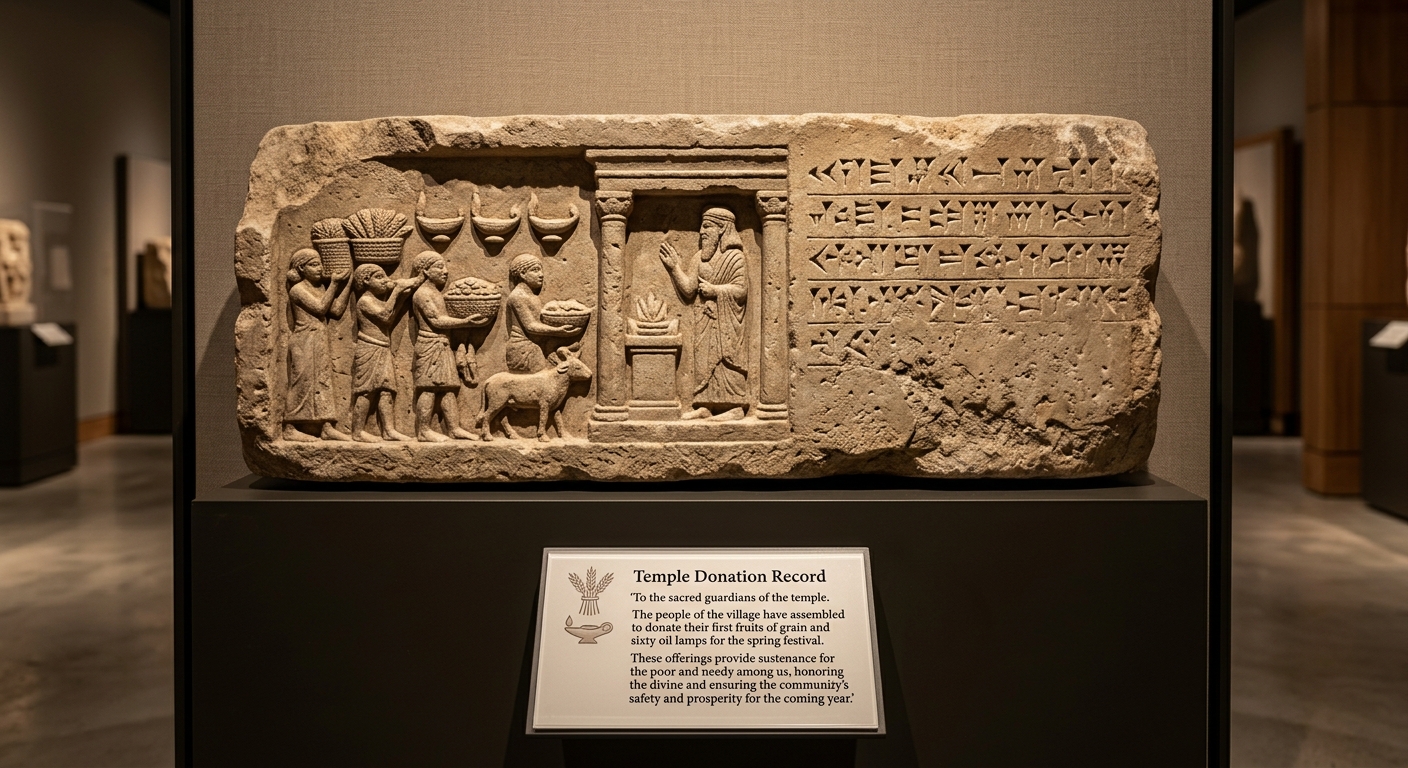
Historical Document:

“Temple Donation Record” (translated)

Museum-style photo of a carved stone relief with a label titled “Temple Donation Record,” describing community offerings for a temple festival and support for the poor.

This carved record lists offerings collected for a temple festival, including grain and lamps. It explains that donations honor the divine and help people in need. The inscription suggests leaders encouraged shared giving so community worship and charity could happen together on a regular schedule.

Asemmisa {{asɛmmisaAhyɛnsode}}
11.

Which statement BEST compares an idea in this document to a general similarity found in many religions or belief systems?

Asemmisa {{asɛmmisaAhyɛnsode}}
12.

Using at least two details from the document, explain how this record shows a characteristic that can be found in many belief systems.

Use evidence and reasoning.

Asemmisa {{asɛmmisaAhyɛnsode}}
13.

Which conclusion is BEST supported by evidence in the donation record?

Asemmisa {{asɛmmisaAhyɛnsode}}
14.

Compare the purpose of this donation record to the purpose of another type of religious source (for example, a moral teaching, a sacred story, or a calendar).

Explain one similarity and one difference, using evidence from this document.

Asemmisa {{asɛmmisaAhyɛnsode}}
15.

Which contextual detail would MOST help a historian interpret why this record was created?

Historical Document:

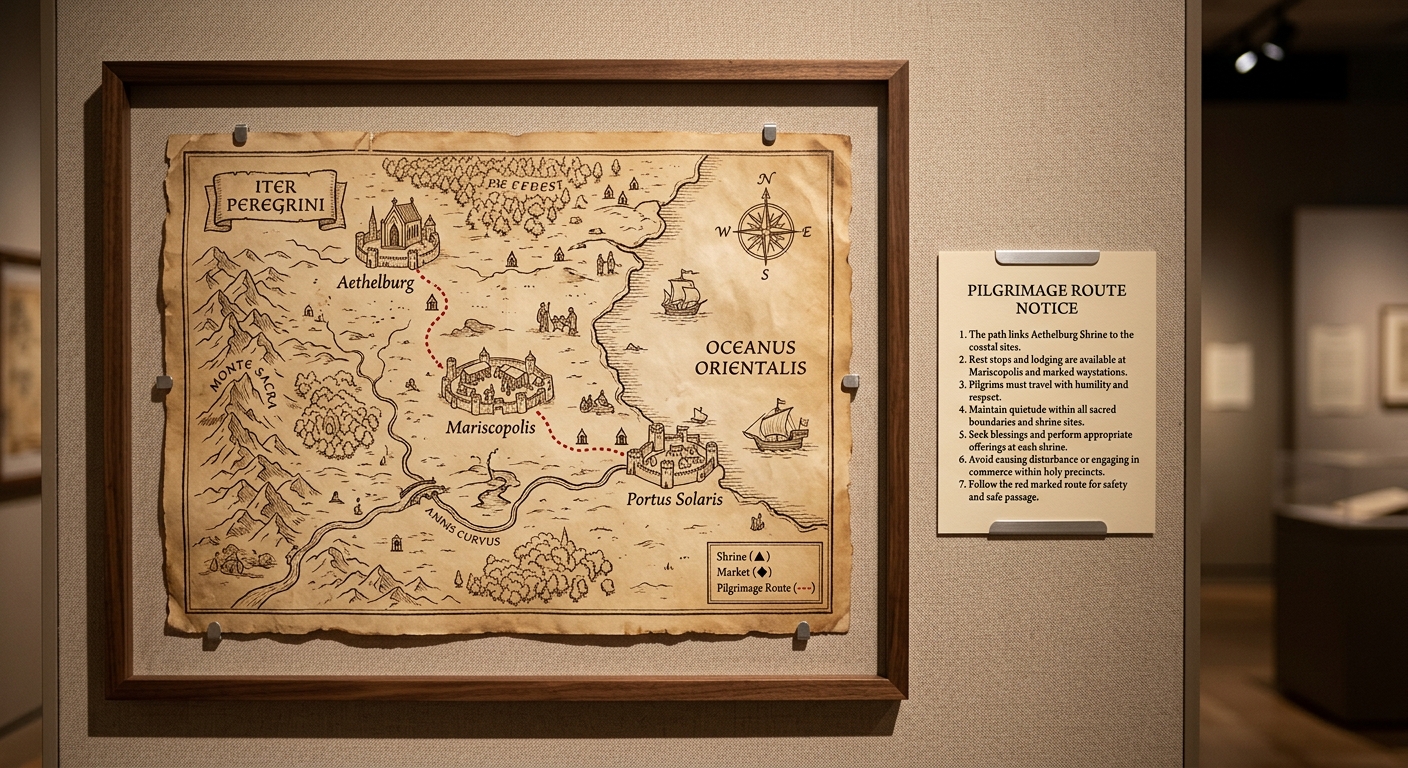
“Pilgrimage Route Notice” (translated)

Museum-style photo of a parchment map with a pilgrimage route connecting shrines and towns, labeled “Pilgrimage Route Notice.”

This posted notice includes a simple map showing a pilgrimage route connecting three shrines across rivers and mountains. It directs travelers to follow marked roads between towns, rest at lodges near water, and approach sacred sites respectfully. Leaders expected shared journeys to strengthen worship and community ties.

Asemmisa {{asɛmmisaAhyɛnsode}}
16.

According to the notice, why would lodges near water be an important location for travelers on the route?

Asemmisa {{asɛmmisaAhyɛnsode}}
17.

Which feature of the map BEST supports the idea that the route was planned to connect multiple sacred places?

Asemmisa {{asɛmmisaAhyɛnsode}}
18.

Using evidence from both the map and the notice, explain how geographic features (rivers, mountains, and towns) affected how people practiced this shared journey.

Asemmisa {{asɛmmisaAhyɛnsode}}
19.

Which conclusion about belief systems is BEST supported by this document’s use of a mapped route?

Asemmisa {{asɛmmisaAhyɛnsode}}
20.

Contextualize this document by comparing it to another way religions or belief systems create shared space (for example, temples, sacred rivers, or holy cities). Explain one similarity using evidence from this source.

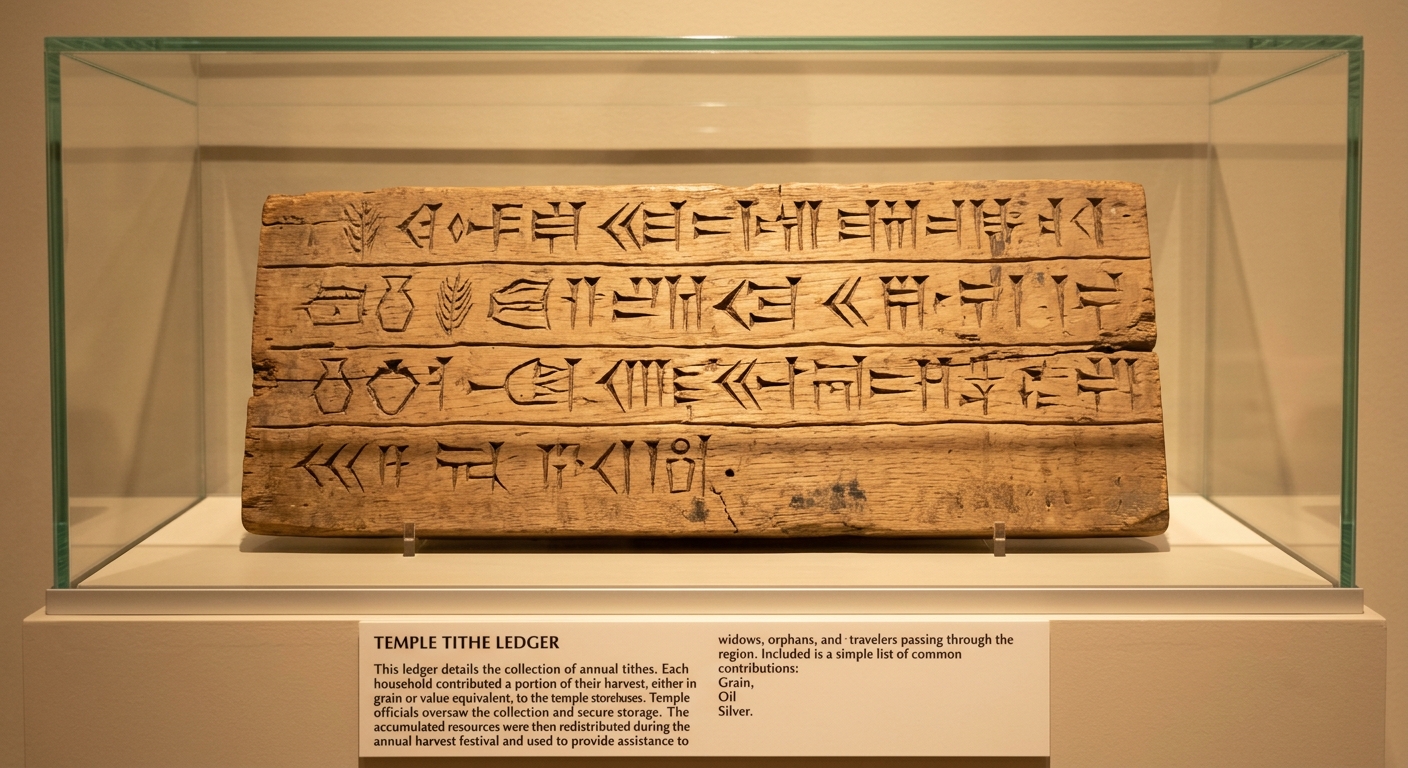
Historical Document: “Temple Tithe Ledger” (translated)

Museum-style photo of a clay tablet notice labeled “Temple Tithe Ledger,” listing grain, oil, and silver contributions collected and redistributed for a festival and aid to people in need.

This ledger lists required offerings collected at harvest—grain, oil, and small amounts of silver. Temple officials recorded the amounts, stored them, and later redistributed supplies for a festival and for widows, orphans, and travelers. The record shows how religious institutions managed resources for community needs.

Asemmisa {{asɛmmisaAhyɛnsode}}
21.

Contextualize this document by comparing it to another way societies organized economic responsibilities (for example, taxes collected by a king, shared grain storage, or trade rules). Explain one similarity and one difference, using evidence from this document.

Asemmisa {{asɛmmisaAhyɛnsode}}
22.

Which conclusion about belief systems is BEST supported by this document?

Asemmisa {{asɛmmisaAhyɛnsode}}
23.

Using at least two details from the ledger, explain how the temple’s management of offerings could affect the local economy (for example, supply, distribution, or community support).

Asemmisa {{asɛmmisaAhyɛnsode}}
24.

Which economic role of the temple is BEST supported by evidence in the ledger?

Asemmisa {{asɛmmisaAhyɛnsode}}
25.

Which statement is the BEST evidence that this record relates to an economic system rather than only a spiritual teaching?