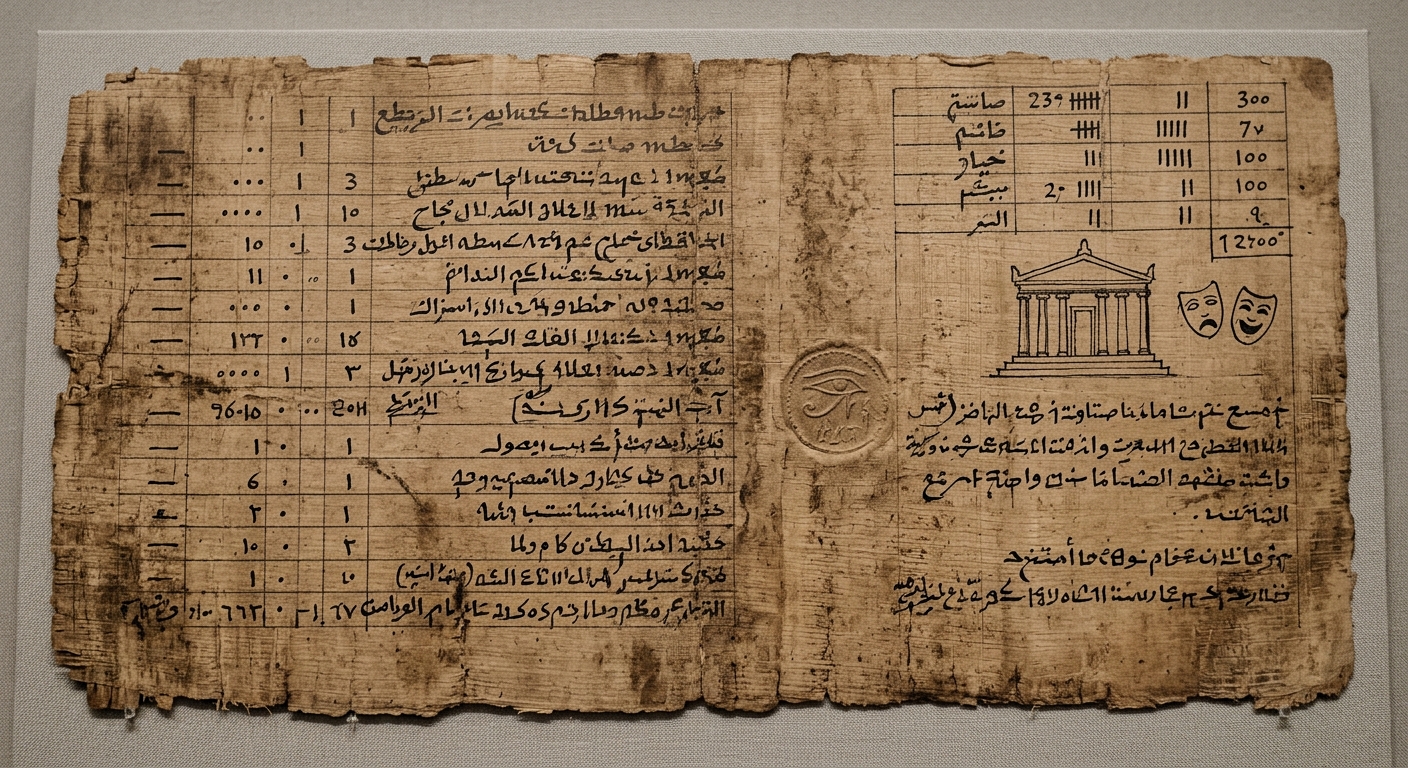
Use the historical document(s) and the short readings in the left panel to answer the associated questions.
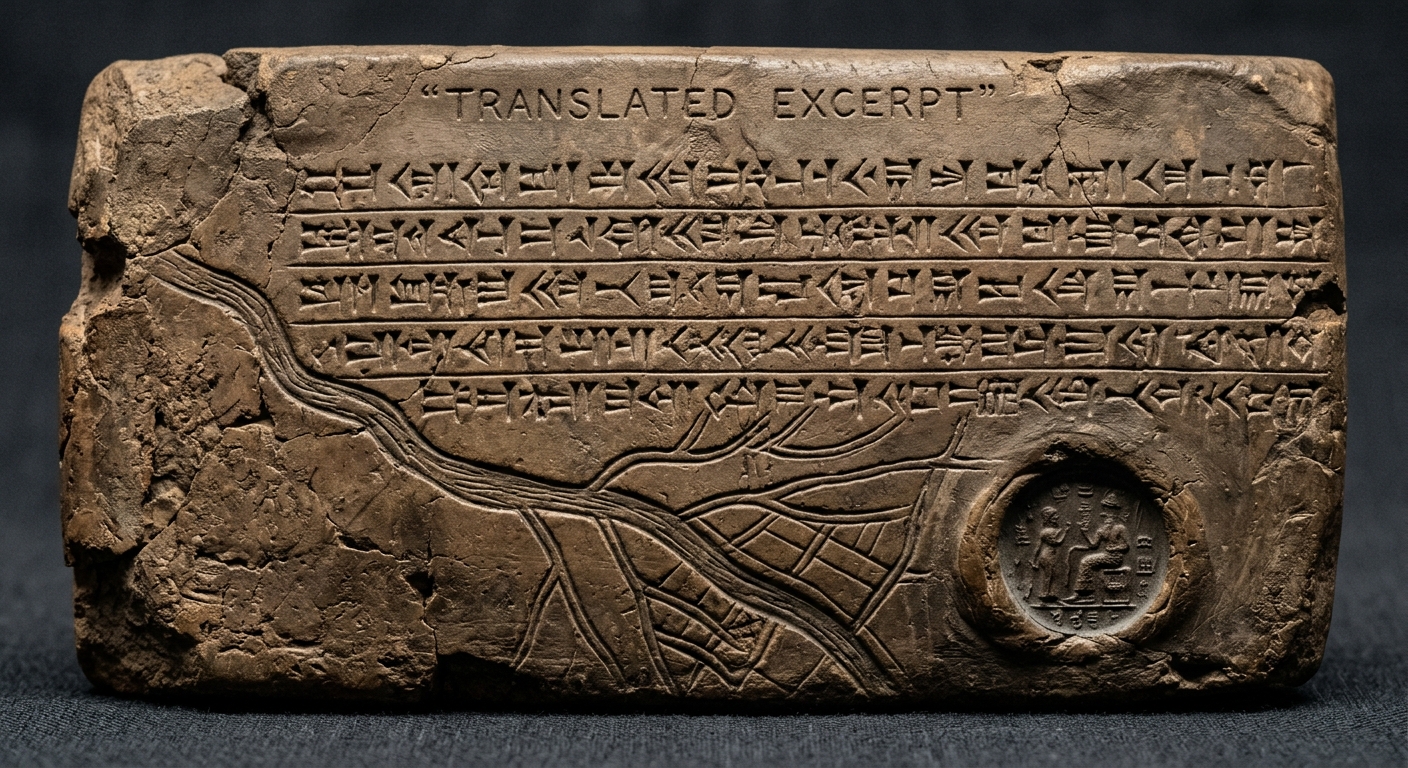
The translated excerpt describes officials ordering communities to repair canals that carry river water to fields. Because floods and droughts could destroy harvests, leaders tracked labor, set rules, and punished neglect. River management linked geography to government power in some classical civilizations.
A river-valley civilization that depends on canals is most likely to develop which political pattern, compared with a civilization in rugged mountains with many isolated valleys?
Based on the historical document image and the reading, which geographic factor most directly explains why officials created rules and penalties?
Explain how the need to manage irrigation in a river valley could increase the power of a centralized government.
Use at least two specific pieces of evidence from the document image and/or the reading.
Which additional geographic condition would MOST likely strengthen the same kind of government control described in the document?
Comparison and contextualization: Compare a river-based classical civilization (like those in Mesopotamia or Egypt) with a Mediterranean mountain-and-sea civilization (like Greece).
Describe one similarity and one difference in how geography influenced their political structures.
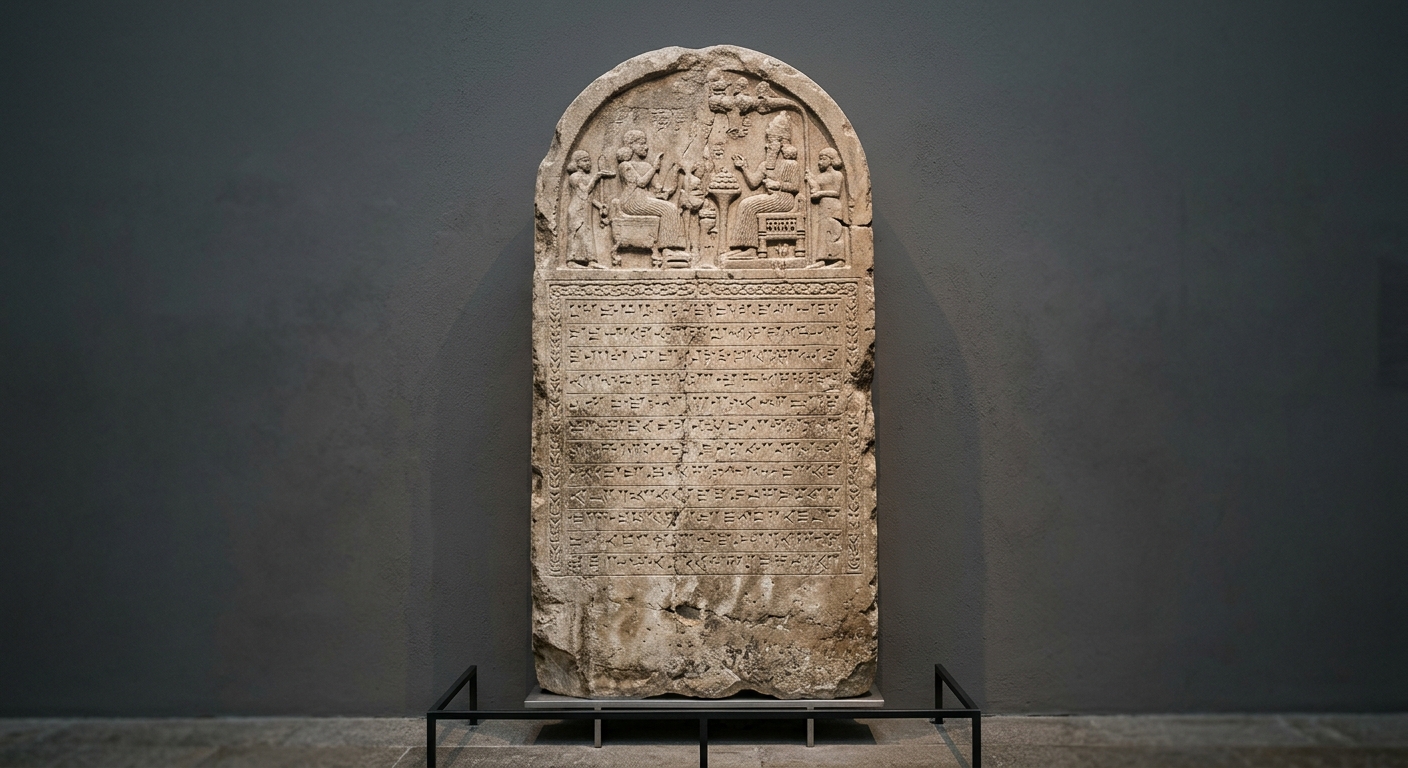
The translated excerpt lists public rules for settling disputes, setting fines, and calling citizens to make decisions in an assembly. Officials recorded verdicts and enforced penalties. By posting law in a shared place, leaders aimed to create order and reduce conflict in a growing city.

Based on the historical document image and the reading, which purpose of political structures is MOST clearly shown?
Compare how two classical civilizations created and enforced laws or made public decisions (for example, Athens and Persia, or Rome and Han China).
Describe one similarity and one difference in their political structures for establishing order.
Compared with a small society where customs are passed down only by word of mouth, a society that posts a written public law code is MOST likely to have which outcome?
Which condition would MOST likely lead a classical civilization to create and display laws like the ones described in the document?
Explain how written laws and public decision-making (such as assemblies or courts) could help a classical civilization establish order.
Use at least two specific details from the document image and/or the reading.
The translated excerpt records steady taxes, busy trade, and spending on new roads and temples. It also notes funds for festivals, poets, and artists during decades with few major wars. Such records suggest how peace and prosperity supported cultural achievements in some classical civilizations.

Explain how a period of peace can lead to prosperity and cultural achievements in a classical civilization.
Use at least two specific details from the document image and/or the reading.
Compare two classical civilizations that experienced a “golden age” (for example, Han China and Gupta India, or Athens and Rome).
Describe one similarity and one difference in the achievements that were emphasized, and connect each to peace and/or prosperity.
Which comparison BEST matches the pattern in the reading (peace, prosperity, and cultural achievements) in another classical civilization?
Which condition would MOST likely allow the achievements described in the document to continue over time?
Based on the historical document image and the reading, which evidence MOST strongly suggests this society was experiencing a golden age?