Twa kɔ nsɛm atitiriw so
Log in
Sign up for FREE
arrow_back
Laabri

6.5b - Comparative Classical Civilizations in the Eastern Hemisphere - Practices A through E

star
star
star
star
star
Last updated about 2 months ago
25 Nsɛmmisa
Hyɛ no nsow a efi ɔkyerɛwfo no hɔ:

Use the historical document(s) and the short readings in the left panel to answer the associated questions.

Use the historical document(s) and the short readings in the left panel to answer the associated questions.

6.5.b
DOK.SS.2
6.5.b
DOK.SS.2
6.5.b
DOK.SS.2
6.5.b
DOK.SS.2
6.5.b
DOK.SS.2
Ɛhia
2
6.5.b
DOK.SS.2
Ɛhia
1
6.5.b
DOK.SS.2
Ɛhia
1
6.5.b
DOK.SS.2
Ɛhia
1
6.5.b
DOK.SS.2
Ɛhia
2
6.5.b
DOK.SS.2
Ɛhia
1
6.5.b
DOK.SS.2
Ɛhia
1
6.5.b
DOK.SS.2
Ɛhia
2
6.5.b
DOK.SS.2
Ɛhia
2
6.5.b
DOK.SS.2
Ɛhia
1
6.5.b
DOK.SS.2
Ɛhia
2
6.5.b
DOK.SS.2
Ɛhia
1
6.5.b
DOK.SS.2
Ɛhia
1
6.5.b
DOK.SS.2
Ɛhia
1
6.5.b
DOK.SS.2
Ɛhia
2
6.5.b
DOK.SS.2
Ɛhia
1
6.5.b
DOK.SS.2
Ɛhia
2
6.5.b
DOK.SS.2
Ɛhia
2
6.5.b
DOK.SS.2
Ɛhia
1
6.5.b
DOK.SS.2
Ɛhia
1
6.5.b
DOK.SS.2
Ɛhia
1
6.5.b
DOK.SS.2
Ɛhia
1
6.5.b
DOK.SS.2
Ɛhia
2
6.5.b
DOK.SS.2
Ɛhia
1
6.5.b
DOK.SS.2
Ɛhia
2
6.5.b
DOK.SS.2

Historical Document:
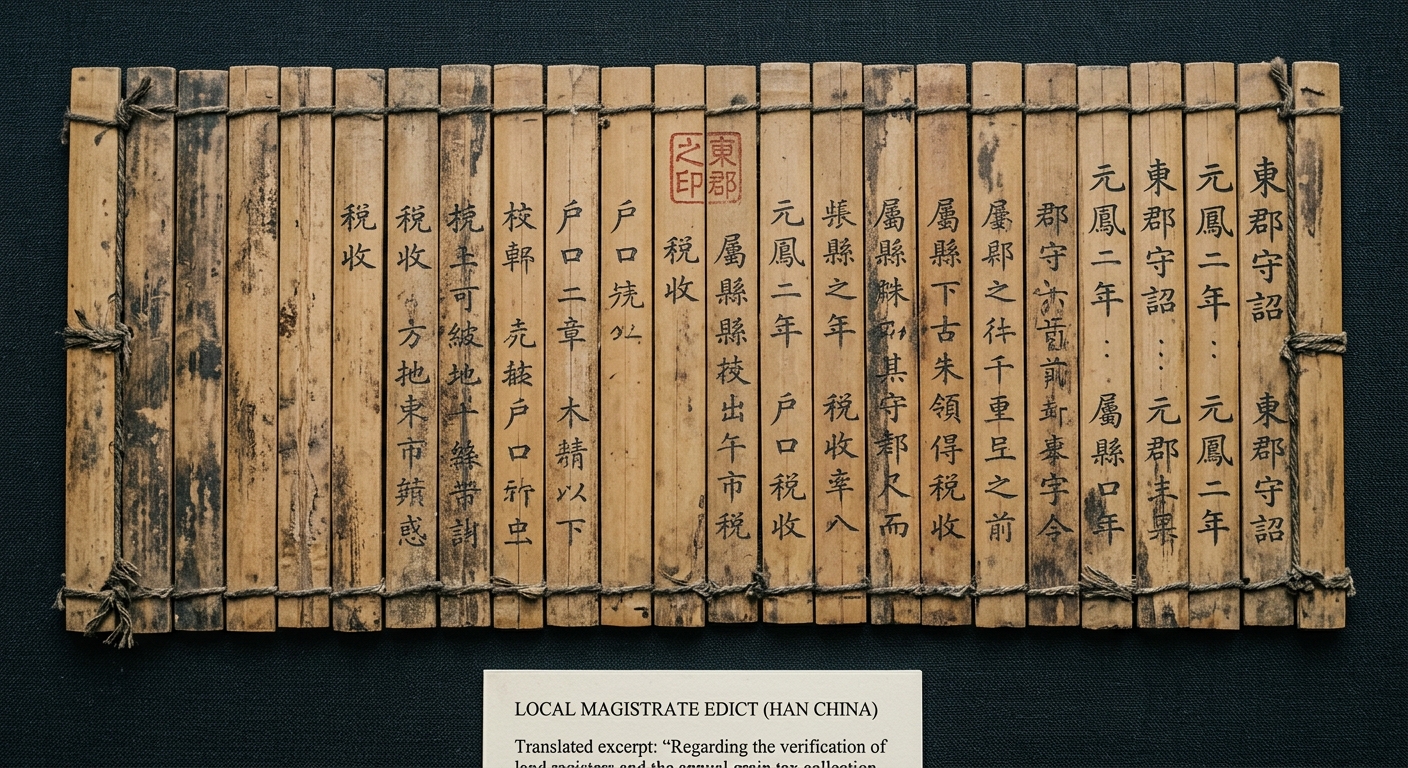
A museum-style image of a Han dynasty bamboo-slip document with ink characters and a red seal, labeled as a translated excerpt of a local magistrate edict.

This translated excerpt comes from a Han-era local magistrate’s edict. It describes how officials should enforce laws, settle disputes, and report problems to higher authorities. Historians use such documents to infer how governments tried to maintain order and make decisions.
Asemmisa {{asɛmmisaAhyɛnsode}}
1.

Using evidence from the reading stimulus and what you can observe in the image, explain one way Han officials might have created and enforced laws to maintain order.

Asemmisa {{asɛmmisaAhyɛnsode}}
2.

Based on the document’s purpose, which feature of a political structure is most directly shown?

Asemmisa {{asɛmmisaAhyɛnsode}}
3.

Which statement is the BEST inference about why the edict mentions reporting problems to higher authorities?

Asemmisa {{asɛmmisaAhyɛnsode}}
4.

Which piece of evidence from the reading stimulus BEST supports the conclusion that Han political structures aimed to establish order?

Asemmisa {{asɛmmisaAhyɛnsode}}
5.

What is one limitation of using this single edict to understand Han government, and what is one additional type of source that could help confirm your interpretation? Use evidence-based reasoning.

Historical Document:

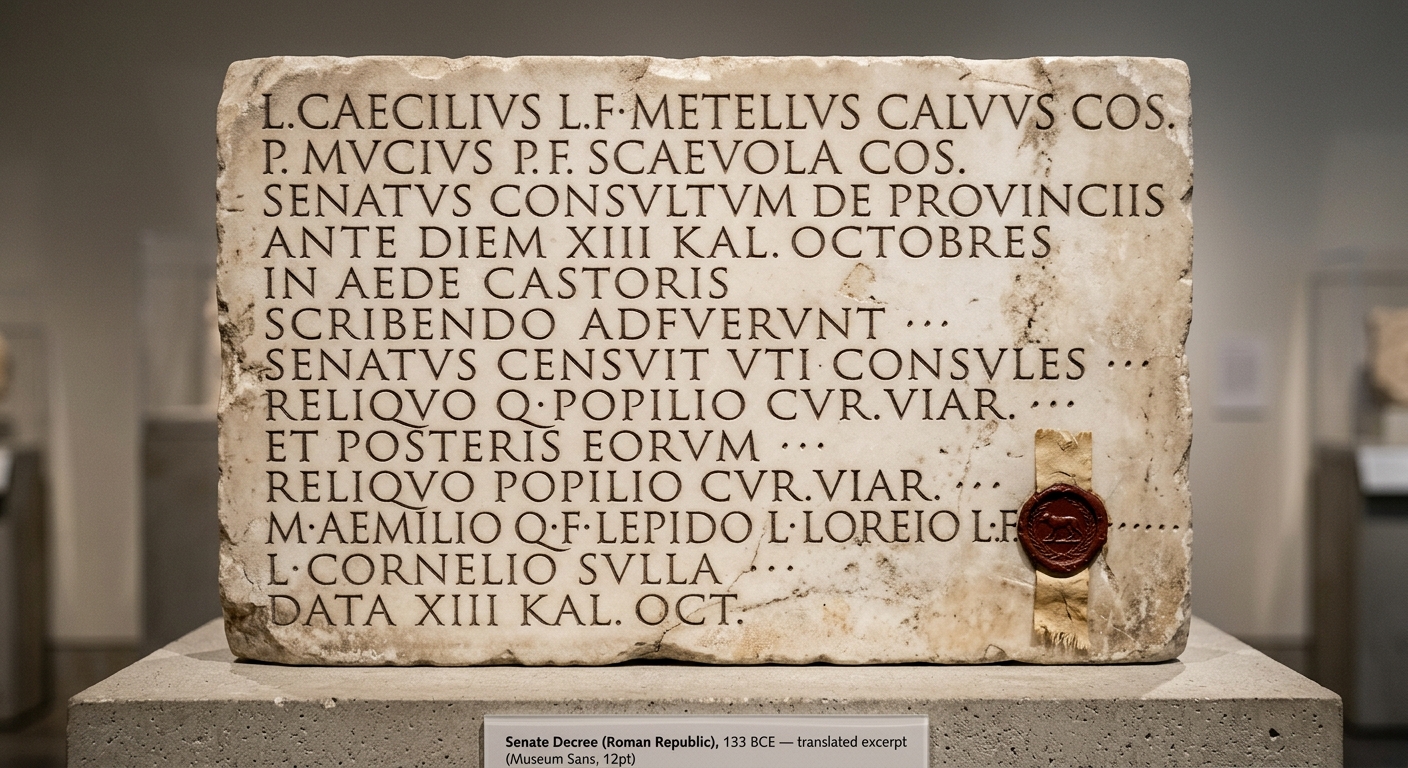
A museum-style image of a worn stone inscription labeled as a Roman Republic senate decree dated 133 BCE.

This translated excerpt is from a Roman Senate decree dated 133 B.C.E. It lists officials’ duties, deadlines, and penalties for ignoring orders. Historians use dated laws like this to place events in sequence and to understand how Roman leaders enforced decisions over time.

Asemmisa {{asɛmmisaAhyɛnsode}}
6.

Which detail from the reading stimulus is the BEST evidence that this source can help with chronological reasoning?

Asemmisa {{asɛmmisaAhyɛnsode}}
7.

The decree lists duties, deadlines, and penalties. Which conclusion is BEST supported about why political structures developed in Rome?

Asemmisa {{asɛmmisaAhyɛnsode}}
8.

Using evidence from the reading stimulus and what you can observe in the image, explain how a dated decree could help a historian place government actions in chronological order.

Asemmisa {{asɛmmisaAhyɛnsode}}
9.

Identify one limitation of using only this decree to understand Roman government over time, and name one additional type of dated source that could help confirm the sequence of events. Explain your reasoning.

Asemmisa {{asɛmmisaAhyɛnsode}}
10.

Which timeline correctly places this decree relative to the rise of the Roman Empire?

Historical Document:

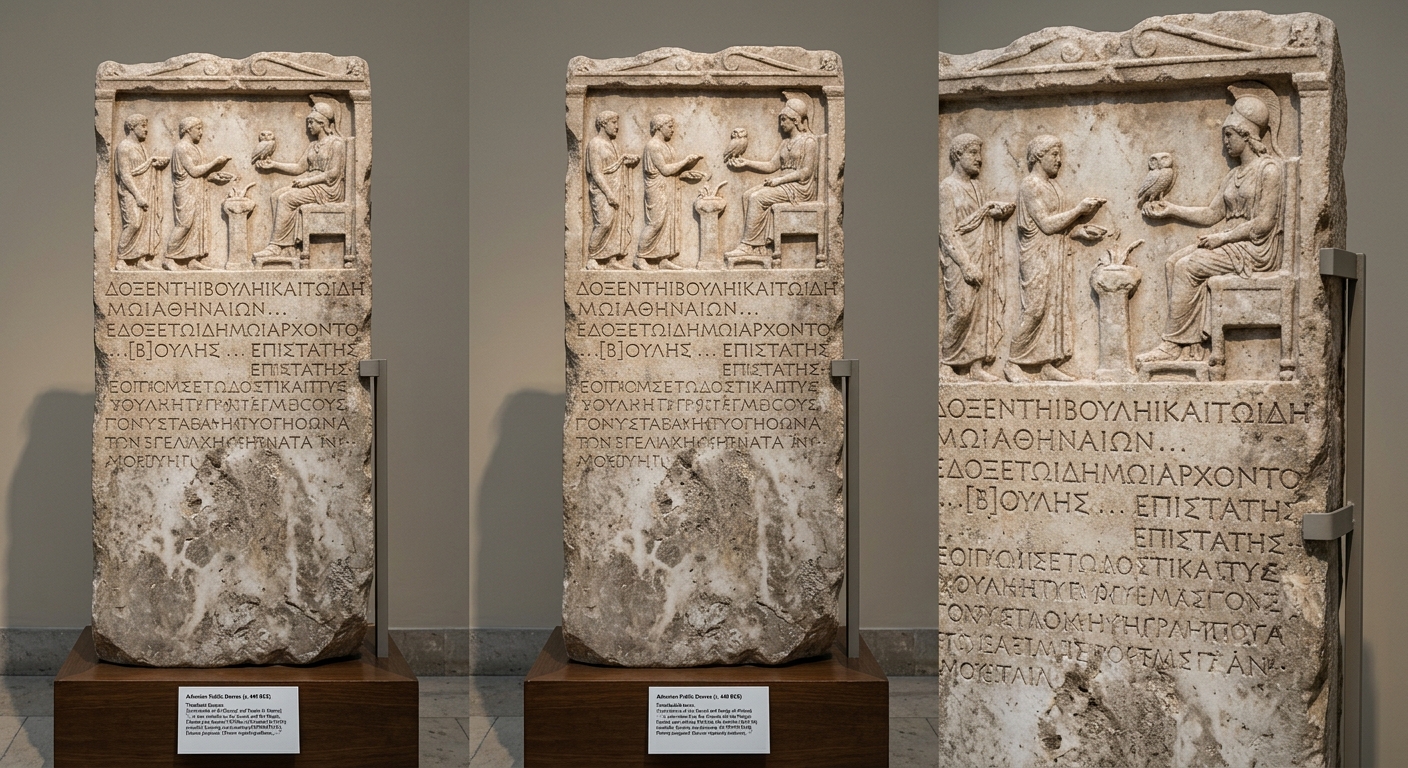
A museum-style image of a weathered marble stele labeled as an Athenian public decree from about 440 BCE.

This translated excerpt is from an Athenian public decree carved on stone. It announces a decision approved by the council and carried out by officials. Because the decree was displayed publicly, historians use it to compare how Greek city-states made decisions and enforced rules in their context.

Asemmisa {{asɛmmisaAhyɛnsode}}
11.

What is one historical context that might affect how we interpret this decree (for example, who could participate in decision making), and how does that context change what the source can tell us about “order” in Athens?

Use evidence-based reasoning.

Asemmisa {{asɛmmisaAhyɛnsode}}
12.

Which comparison is MOST reasonable, based on this Athenian decree and what students commonly learn about Han China?

Asemmisa {{asɛmmisaAhyɛnsode}}
13.

Based on the reading stimulus, which feature of Athens’ political structure is BEST supported by this decree?

Asemmisa {{asɛmmisaAhyɛnsode}}
14.

Which statement BEST contextualizes why a decree carved on stone might be useful in a Greek city-state?

Asemmisa {{asɛmmisaAhyɛnsode}}
15.

Using evidence from the reading stimulus and details you can observe in the image, explain one similarity and one difference between how Athens and Rome might communicate and enforce government decisions.

Historical Document:

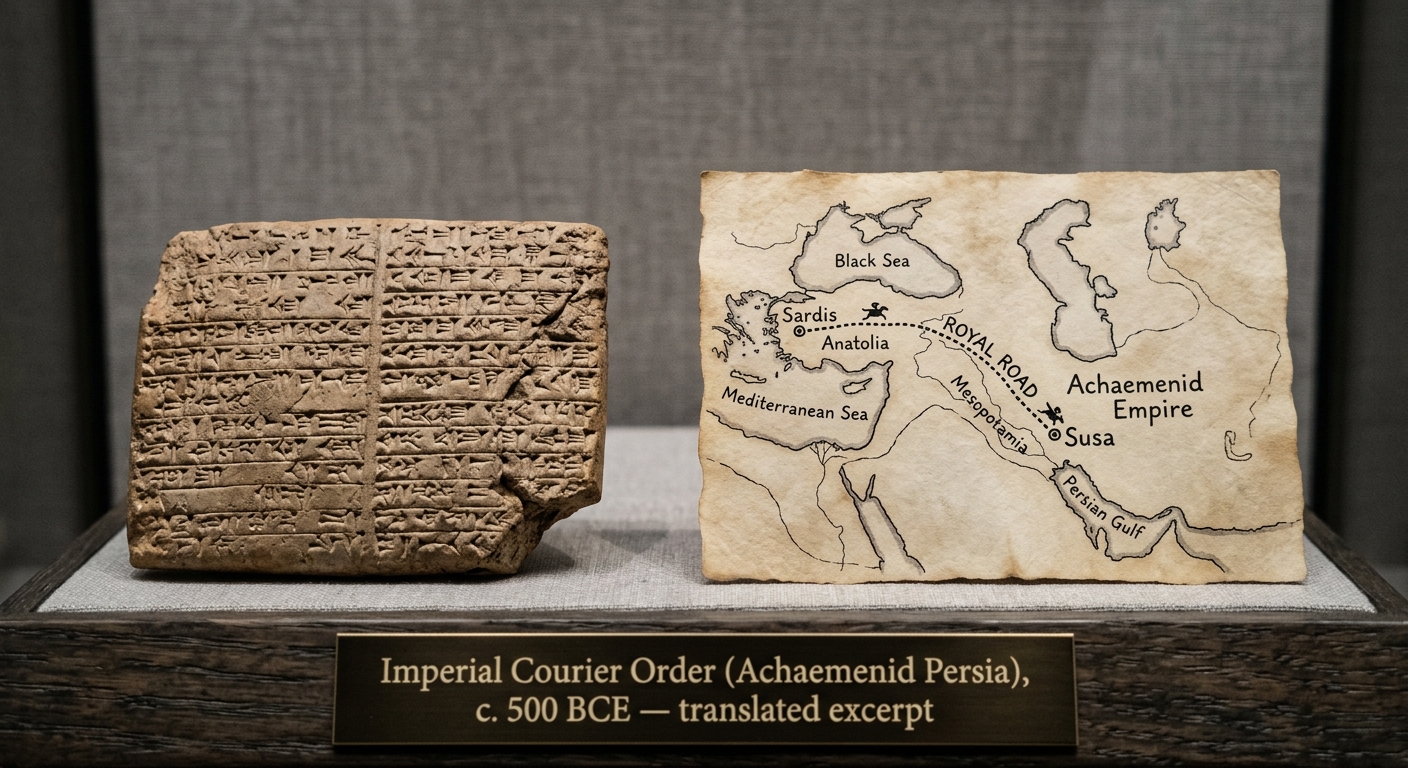
A museum-style image showing a clay tablet and a simple map labeled with the Persian Royal Road between Susa and Sardis.

This translated excerpt is from an Achaemenid Persian order to imperial couriers. It names stations along the Royal Road and instructs local officials to provide supplies and enforce penalties for delays. Historians use such records to explain how geography shaped decision making across a vast empire.

Asemmisa {{asɛmmisaAhyɛnsode}}
16.

Which inference BEST explains why the order directs local officials to supply couriers at stations along the route?

Asemmisa {{asɛmmisaAhyɛnsode}}
17.

Using evidence from the reading stimulus and what you can observe in the image, explain how geography could shape the Persian Empire’s ability to create and enforce laws.

Asemmisa {{asɛmmisaAhyɛnsode}}
18.

Identify one limitation of using this single courier order and map to understand Persian government, and name one additional type of geographic source that could help confirm your interpretation.

Explain your reasoning.

Asemmisa {{asɛmmisaAhyɛnsode}}
19.

Which piece of evidence from the reading stimulus BEST shows that political structures were used to enforce order across space?

Asemmisa {{asɛmmisaAhyɛnsode}}
20.

Based on the reading stimulus and the map labels, what geographic factor is MOST directly shown as supporting Persian decision making?

Historical Document:

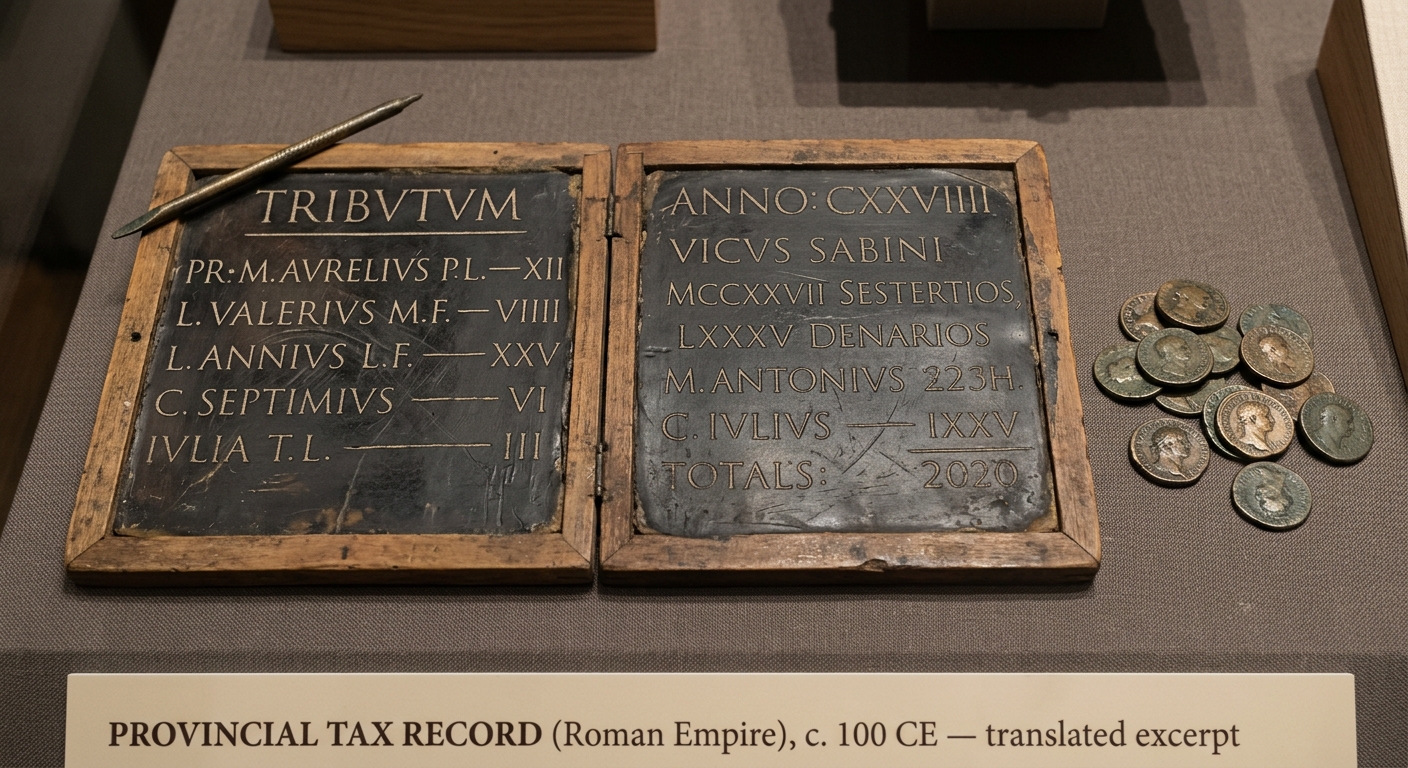
A museum-style image of a Roman wax tablet tax record next to several bronze coins, labeled as a provincial tax record from about 100 CE.

This translated excerpt is from a Roman provincial tax record from about 100 C.E. It lists amounts owed, deadlines for payment, and penalties for late taxes. Historians use records like this to infer how governments raised revenue to fund administration and maintain order.

Asemmisa {{asɛmmisaAhyɛnsode}}
21.

Which piece of evidence BEST supports the conclusion that Rome used political authority to enforce economic rules?

Asemmisa {{asɛmmisaAhyɛnsode}}
22.

Based on the reading stimulus, which government role in an economic system is MOST directly shown?

Asemmisa {{asɛmmisaAhyɛnsode}}
23.

Using evidence from the reading stimulus and what you can observe in the image, explain how tax collection could help Roman leaders maintain order and make decisions.

Asemmisa {{asɛmmisaAhyɛnsode}}
24.

Which inference is BEST supported about why a government would keep detailed tax records like this?

Asemmisa {{asɛmmisaAhyɛnsode}}
25.

Name one limitation of using this single tax record to understand the Roman economic system, and identify one additional type of economic source that could help confirm your interpretation.

Explain your reasoning.