Use the historical document(s) and the short readings in the left panel to answer the associated questions.
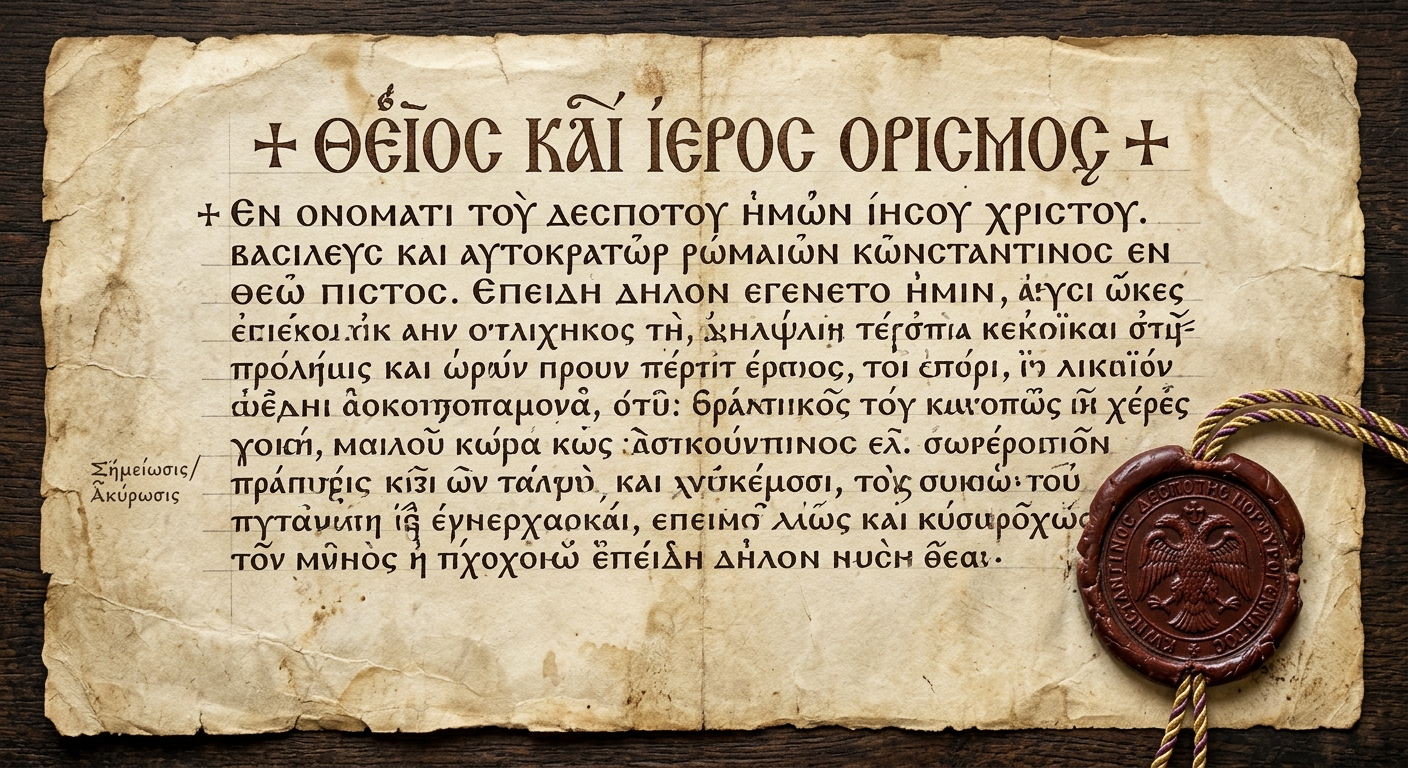
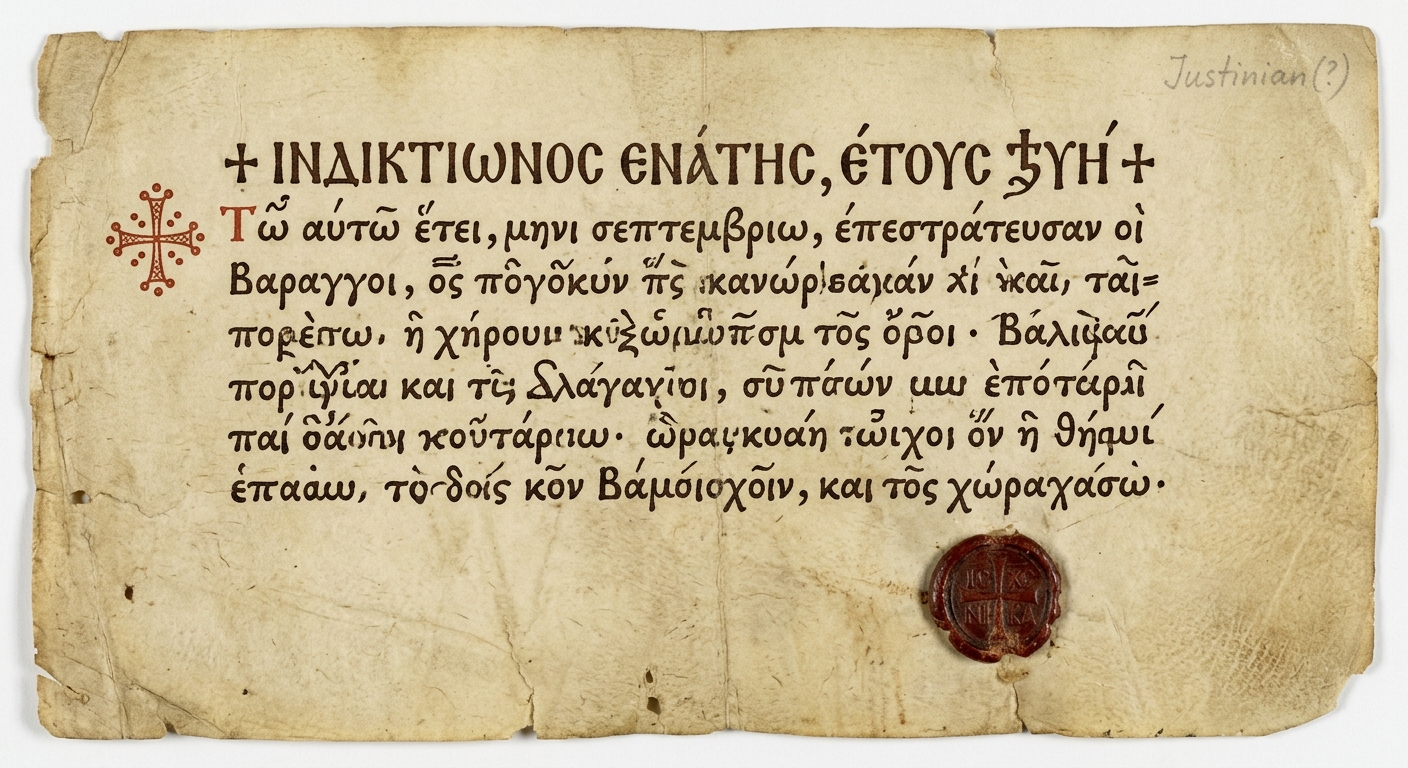
Historical Document (Modeled on Byzantine sources), c. 900 C.E.
A decree from a Byzantine emperor orders city officials to follow Roman law, collect taxes for harbor repairs, and fund a church dedication. The document suggests the empire relied on old Roman traditions, protected Mediterranean trade routes, and linked political authority with Orthodox Christianity.

Which detail from the document’s description is the best evidence that the Byzantine Empire preserved elements of the Roman Empire?
Based on the document’s description, why would the emperor most likely order taxes to be collected for harbor repairs?
Which inference about the relationship between religion and government in the Byzantine Empire is best supported by the document’s description?
Using two specific pieces of evidence from the document’s description, explain how the Byzantine Empire blended Roman traditions with a Christian faith.
Write one well-formed paragraph.
What does the document’s description suggest about why control of the Mediterranean mattered to the Byzantine Empire?
Use evidence from the description and write one well-formed paragraph.
Historical Document (Modeled on Byzantine sources), c. 900 C.E.
After a coastal raid damaged the harbor, the emperor ordered repairs “as our fathers did in Roman times.” The entry notes that older Roman law would guide tax collection, and that a church ceremony would follow the rebuilding. It dates the order to the ninth indiction.

Based on the document’s description, which event happened first?
Which sequence best matches the order of events described in the document?
Which statement is best supported by the phrase “as our fathers did in Roman times”?
Explain how the document uses time markers (for example, “after” and “would follow”) to show a cause-and-effect sequence.
Use two specific details as evidence and write one well-formed paragraph.
Using evidence from the document’s description, explain one way the Byzantine Empire shows continuity over time from the Roman Empire and one way it shows change or development over time.
Write one well-formed paragraph.
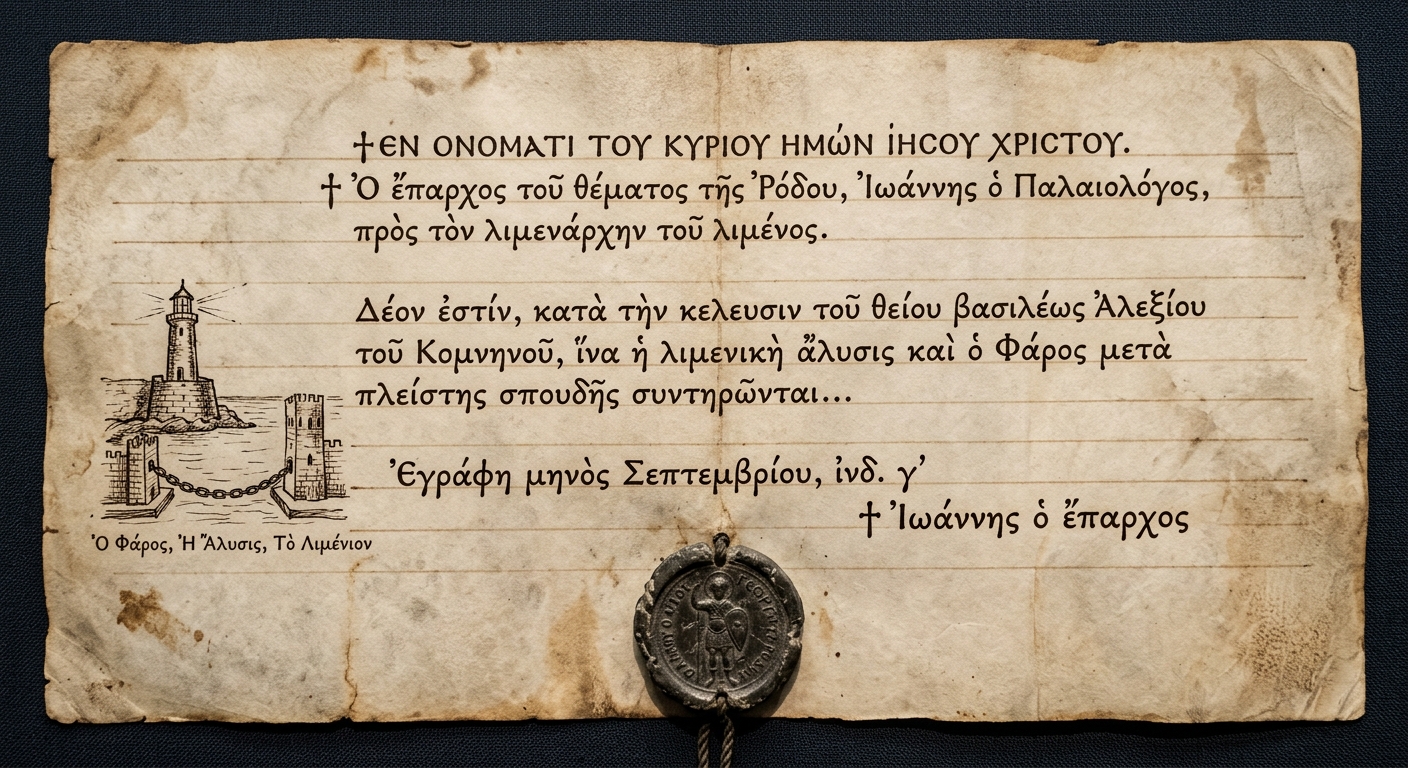
Historical Document (Modeled on Byzantine sources), c. 950 C.E.
A provincial governor writes to Constantinople that port taxes were recorded under Roman law, but officials issued orders in Greek. He reports rebuilding a lighthouse to guide ships from Italy and Alexandria and asks approval to hold an Orthodox liturgy, “so the emperor’s peace is praised."

Which detail from the document’s description is the best evidence that the Byzantine Empire preserved an element of the Roman Empire?
Which historical context best helps explain why the governor emphasizes rebuilding a lighthouse and guiding ships?
Compared with the early Roman Empire (before Christianity became central to government), which change is suggested by the governor’s request to hold an Orthodox liturgy “so the emperor’s peace is praised”?
Using evidence from the document’s description, explain one way the Byzantine Empire shows continuity with the Roman Empire and one way it shows development or change over time.
Include two specific details and write one well-formed paragraph.
Contextualize the document: Explain how the Byzantine Empire’s position in the Mediterranean basin shaped the concerns described in the letter.
Use two details from the document as evidence and write one well-formed paragraph.
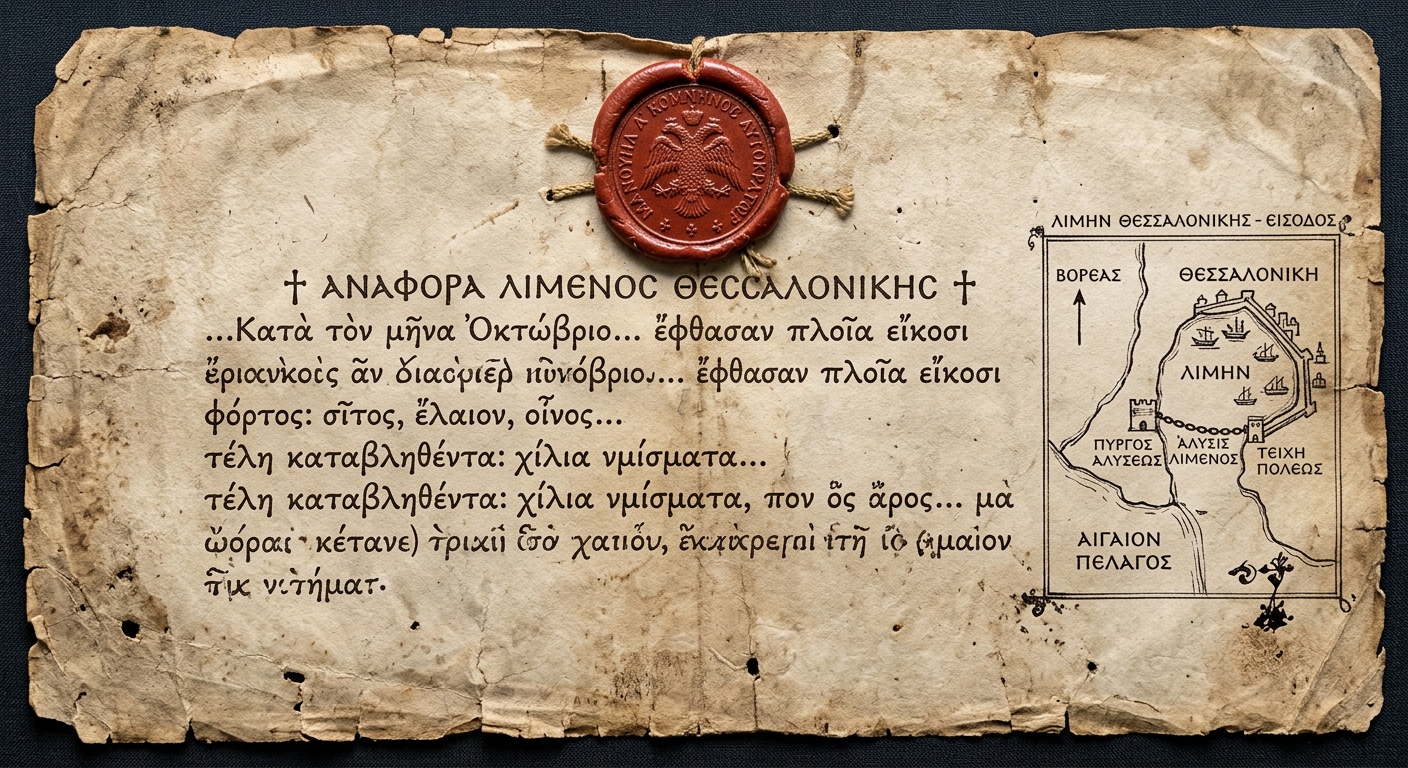
Historical Document (Modeled on Byzantine sources), c. 1000 C.E.
A harbor official reports that ships entered the imperial port through a narrow strait linking two seas. He requests repairs to the harbor chain and walls, records taxes on grain and silk, and notes an Orthodox procession to bless the docks, praising the emperor’s protection of trade routes.

Which detail from the document’s description is the best geographic evidence that the Byzantine Empire could control movement and trade in the Mediterranean region?
The document focuses on protecting access to a port through a narrow strait. Which geographic feature is most directly connected to that concern?
Which conclusion about Byzantine power is best supported by the document’s description?
Using two specific details from the document’s description, explain how geography shaped the Byzantine Empire’s economic and military concerns.
Write one well-formed paragraph.
How does the document’s description suggest the Byzantine Empire used both geographic control and Orthodox Christianity to strengthen imperial authority?
Use two details as evidence and write one well-formed paragraph.
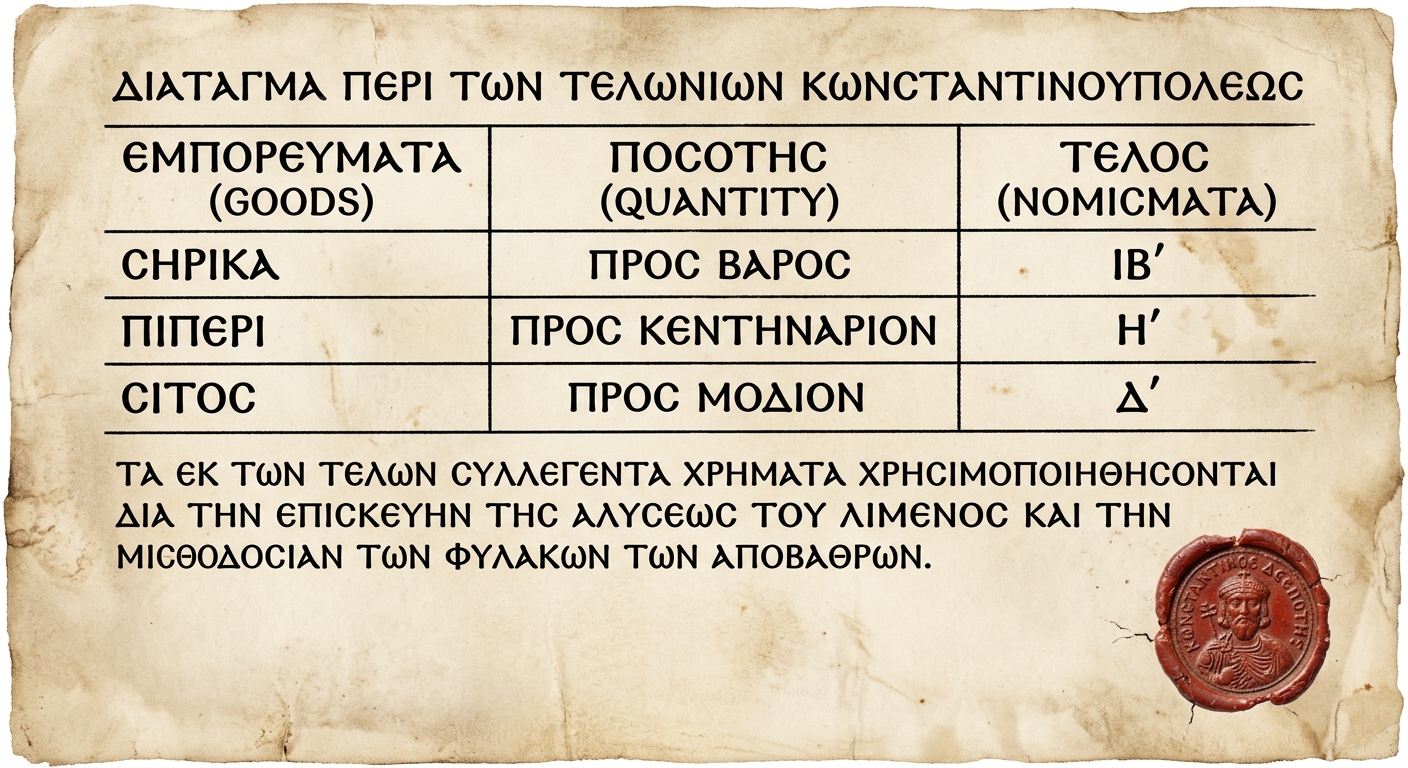
Historical Document (Modeled on Byzantine sources), c. 1025 C.E.
A tariff schedule lists coins owed on silk, pepper, and grain entering an imperial harbor. Officials must collect the tariffs under Roman law and use the money to repair the harbor chain and pay dock guards. A final note sets aside coins to fund an Orthodox service for safe voyages.

Which detail from the document’s description is the best evidence that the Byzantine government played an active role in the economy?
Based on the goods and tariffs listed, which economic activity is most directly supported by the document?
Why might the document require that tariffs be collected under Roman law?
Using two details from the document’s description, explain how the Byzantine Empire could use economic tools (like tariffs) to protect its power in the Mediterranean.
Write one well-formed paragraph.
Economic systems involve choices about how resources are collected and used. Using evidence from the document, explain one benefit and one possible cost or tradeoff of using tariffs to fund harbor defense and repairs. Write one well-formed paragraph.