Twa kɔ nsɛm atitiriw so
Log in
Sign up for FREE
arrow_back
Laabri

6.7 - Interactions Across the Eastern Hemisphere - Practice C

star
star
star
star
star
Last updated about 2 months ago
15 Nsɛmmisa
Hyɛ no nsow a efi ɔkyerɛwfo no hɔ:

Use the historical document(s) and the short readings in the left panel to answer the associated questions.

Use the historical document(s) and the short readings in the left panel to answer the associated questions.

6.7.a
DOK.SS.2
6.7.b
DOK.SS.2
6.7.c
DOK.SS.2
Ɛhia
1
6.7.a
DOK.SS.2
Ɛhia
1
6.7.a
DOK.SS.2
Ɛhia
2
6.7.a
DOK.SS.2
Ɛhia
2
6.7.a
DOK.SS.2
Ɛhia
1
6.7.a
DOK.SS.2
Ɛhia
2
6.7.b
DOK.SS.2
Ɛhia
1
6.7.b
DOK.SS.2
Ɛhia
1
6.7.b
DOK.SS.2
Ɛhia
1
6.7.b
DOK.SS.2
Ɛhia
2
6.7.b
DOK.SS.2
Ɛhia
2
6.7.c
DOK.SS.2
Ɛhia
2
6.7.c
DOK.SS.2
Ɛhia
1
6.7.c
DOK.SS.2
Ɛhia
1
6.7.c
DOK.SS.2
Ɛhia
1
6.7.c
DOK.SS.2

Historical Document (Indian Ocean Trade)

A merchant receipt from about 1200 CE records goods shipped between ports on the Indian Ocean. Lists of pepper, cotton textiles, and porcelain show long-distance exchange linking South Asia, Arabia, and East Africa. Compare what this document suggests to trade on the Silk Roads or Trans-Saharan routes.
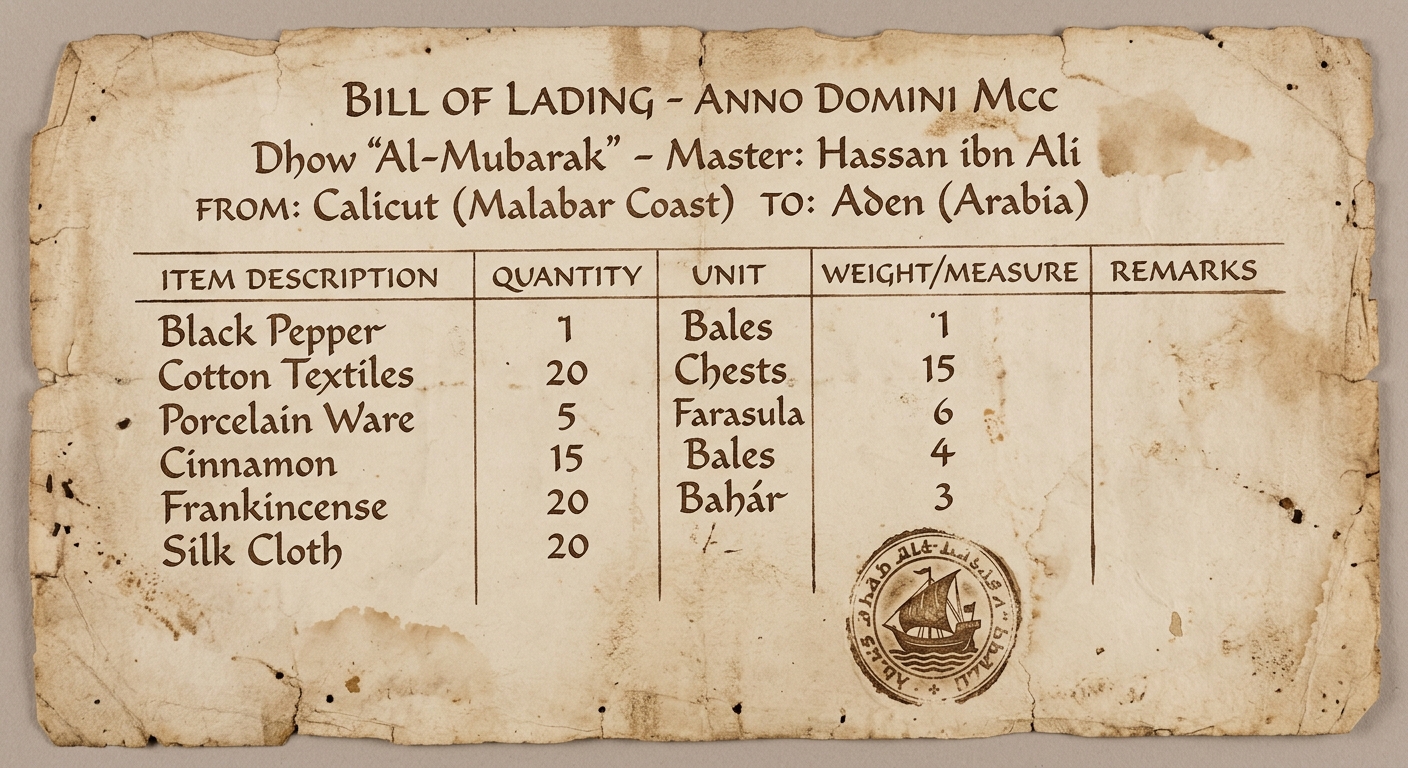
Aged parchment trade receipt dated around 1200 CE listing goods and ports for Indian Ocean commerce.

Asemmisa {{asɛmmisaAhyɛnsode}}
1.

Which Afro-Eurasian trade network is MOST directly represented by this merchant receipt?

Asemmisa {{asɛmmisaAhyɛnsode}}
2.

Which environmental factor MOST helped merchants conduct trade on the network shown in this document?

Asemmisa {{asɛmmisaAhyɛnsode}}
3.

Using evidence from the document and the reading, compare this Indian Ocean trade record to what you would expect in a Silk Roads caravan record.

Include at least one similarity and one difference (goods, routes, or transportation).

Asemmisa {{asɛmmisaAhyɛnsode}}
4.

Explain how the network shown could spread more than products.

Identify one example of an idea, technology, person/group, or disease that could travel along this route and compare it to one example that could travel along either the Silk Roads or the Trans-Saharan routes.

Asemmisa {{asɛmmisaAhyɛnsode}}
5.

Which inference BEST compares the goods listed in the receipt to goods commonly traded across the Trans-Saharan routes?

Historical Document (Mongol Eurasia)

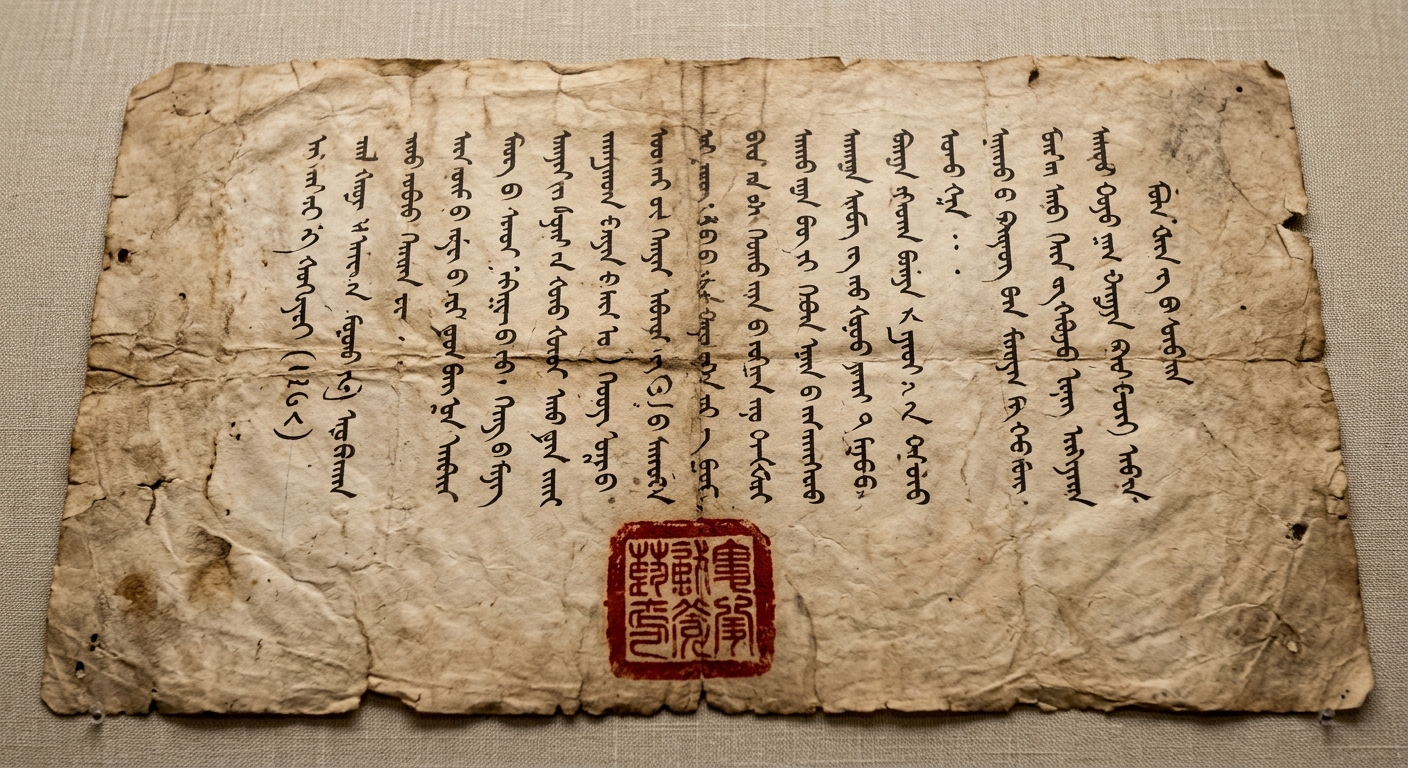
A 13th-century Mongol decree grants a merchant official protection and access to relay stations across imperial territory. By placing long stretches of Eurasia under one rule, Mongol authorities could make travel more predictable and connect distant regions. Compare this evidence to exchanges before Mongol conquest.

A Mongol-era decree with a red seal granting safe passage and access to relay stations.

Asemmisa {{asɛmmisaAhyɛnsode}}
6.

Using evidence from the document and the reading, compare exchanges during Mongol rule to exchanges in Eurasia before the Mongol conquests.

Include at least one similarity and one difference (security, speed of travel, or who controlled routes).

Asemmisa {{asɛmmisaAhyɛnsode}}
7.

Which comparison BEST explains how Mongol rule changed the context of Silk Roads travel?

Asemmisa {{asɛmmisaAhyɛnsode}}
8.

Which example BEST supports the claim that the Mongols were agents of cultural diffusion in Eurasia?

Asemmisa {{asɛmmisaAhyɛnsode}}
9.

What is the MOST likely purpose of this Mongol decree?

Asemmisa {{asɛmmisaAhyɛnsode}}
10.

Explain one way Mongol policies or conquest acted as an agent of change across Eurasia and compare it to one change caused by another trade network or empire.

Use at least one specific example in each case (idea, technology, product, or disease).

Historical Document

(Crossing Challenging Landscapes)

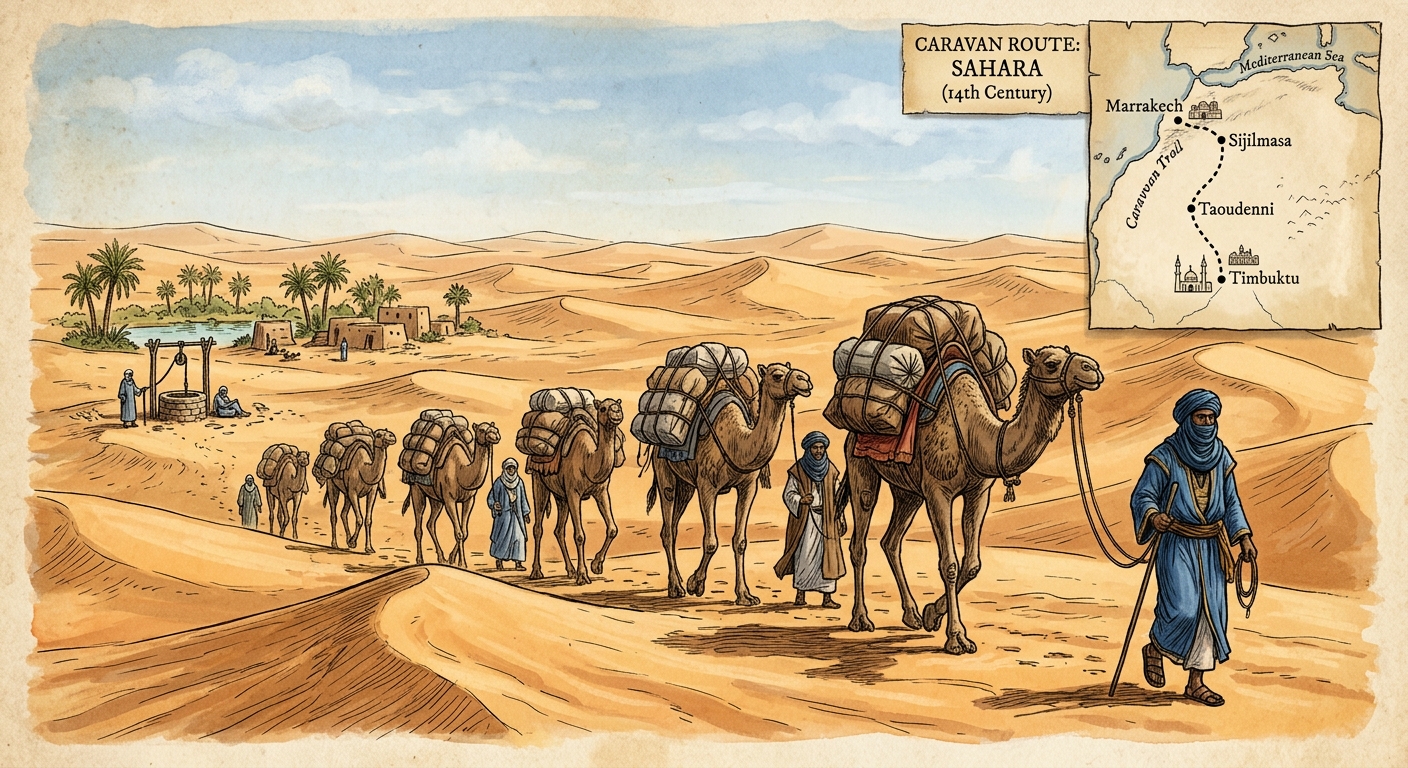
A traveler’s sketch from about 1350 CE shows a camel caravan crossing the Sahara with bundles of goods and a marked route to a desert well. This evidence suggests how merchants adapted transportation to move products across harsh terrain. Compare this strategy to travel on the Silk Roads or Indian Ocean.

Camel caravan carrying trade goods across the Sahara with a small map inset of the route.

Asemmisa {{asɛmmisaAhyɛnsode}}
11.

Using evidence from the document and the reading, compare how merchants crossed the Sahara to how merchants traveled on the Silk Roads.

Include at least one similarity and one difference (transportation, route planning, or geographic obstacles).

Asemmisa {{asɛmmisaAhyɛnsode}}
12.

Explain how transportation technologies helped trade networks connect regions.

Identify one transportation adaptation in the document and compare it to one transportation adaptation used on either the Indian Ocean or the Silk Roads.

Asemmisa {{asɛmmisaAhyɛnsode}}
13.

Which inference BEST connects the desert well shown to the success of long-distance trade?

Asemmisa {{asɛmmisaAhyɛnsode}}
14.

Which comparison BEST explains how desert caravan travel differed from Indian Ocean trade travel?

Asemmisa {{asɛmmisaAhyɛnsode}}
15.

Which transportation adaptation is MOST directly represented by the historical document?