Twa kɔ nsɛm atitiriw so
Log in
Sign up for FREE
arrow_back
Laabri

7.2 - Colonial Dvelopments: - Practice A

star
star
star
star
star
Last updated about 1 month ago
25 Nsɛmmisa
Hyɛ no nsow a efi ɔkyerɛwfo no hɔ:

Use the historical document(s) and the short readings in the left panel to answer the associated questions.

Use the historical document(s) and the short readings in the left panel to answer the associated questions.

DOK.SS.2
DOK.SS.2
DOK.SS.2
DOK.SS.2
DOK.SS.2
Ɛhia
1
7.2.a
DOK.SS.2
Ɛhia
1
7.2.a
DOK.SS.2
Ɛhia
1
7.2.a
DOK.SS.2
Ɛhia
2
7.2.a
DOK.SS.2
Ɛhia
2
7.2.a
DOK.SS.2
Ɛhia
2
7.2.b
DOK.SS.2
Ɛhia
1
7.2.b
DOK.SS.2
Ɛhia
2
7.2.b
DOK.SS.2
Ɛhia
1
7.2.b
DOK.SS.2
Ɛhia
1
7.2.b
DOK.SS.2
Ɛhia
1
7.2.c
DOK.SS.2
Ɛhia
1
7.2.c
DOK.SS.2
Ɛhia
1
7.2.c
DOK.SS.2
Ɛhia
2
7.2.c
DOK.SS.2
Ɛhia
2
7.2.c
DOK.SS.2
Ɛhia
1
7.2.d
DOK.SS.2
Ɛhia
1
7.2.d
DOK.SS.2
Ɛhia
2
7.2.d
DOK.SS.2
Ɛhia
2
7.2.d
DOK.SS.2
Ɛhia
1
7.2.d
DOK.SS.2
Ɛhia
1
7.2.e
DOK.SS.2
Ɛhia
1
7.2.e
DOK.SS.2
Ɛhia
2
7.2.e
DOK.SS.2
Ɛhia
1
7.2.e
DOK.SS.2
Ɛhia
2
7.2.e
DOK.SS.2

Historical Document (translated excerpt, 1486)
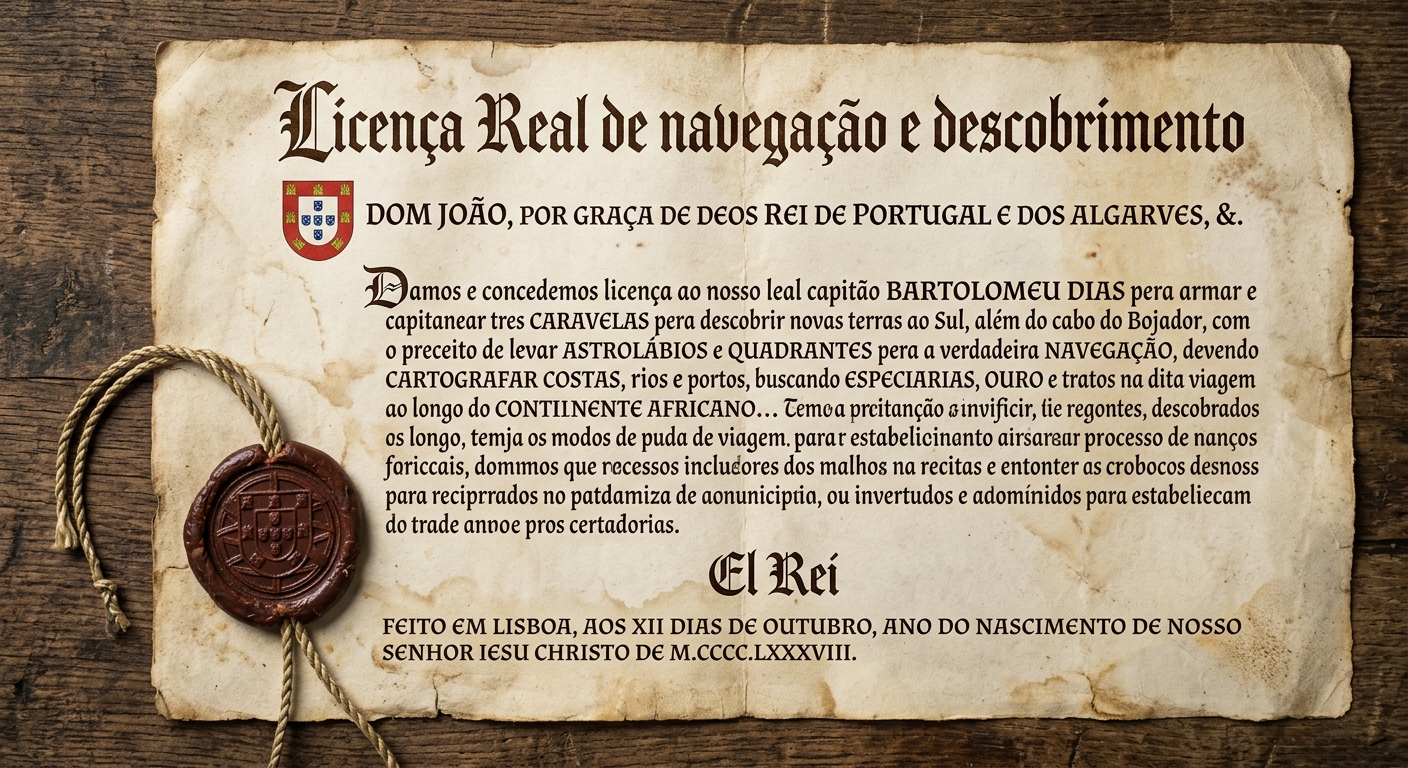
A parchment royal sailing charter with handwritten ink text and a wax seal, resembling a 15th-century Portuguese exploration document.

The Crown grants this captain leave to sail beyond known coasts, outfitted with improved caravels and instruments to measure winds and position. He shall chart new routes, seek spices and gold, and establish trading posts. Investors will share profits, and the faith will be carried to new lands.
Asemmisa {{asɛmmisaAhyɛnsode}}
1.

According to the excerpt, which improvement is being used as evidence that scientific advances helped make long-distance voyages possible?

Asemmisa {{asɛmmisaAhyɛnsode}}
2.

Which phrase from the excerpt most directly supports the idea that economic improvements encouraged European exploration?

Asemmisa {{asɛmmisaAhyɛnsode}}
3.

Based on the excerpt, which conclusion is best supported about why the Crown authorized the voyage?

Asemmisa {{asɛmmisaAhyɛnsode}}
4.

Explain how the excerpt supports the claim that social and economic improvements helped European nations launch the Age of Exploration.

Use at least two specific pieces of evidence (words or phrases) from the excerpt.

Asemmisa {{asɛmmisaAhyɛnsode}}
5.

Identify one scientific or technological improvement mentioned or implied in the excerpt.

Describe how it would change what sailors could do at sea, and cite one detail from the excerpt as evidence.

Historical Document (translated excerpt, 1621)

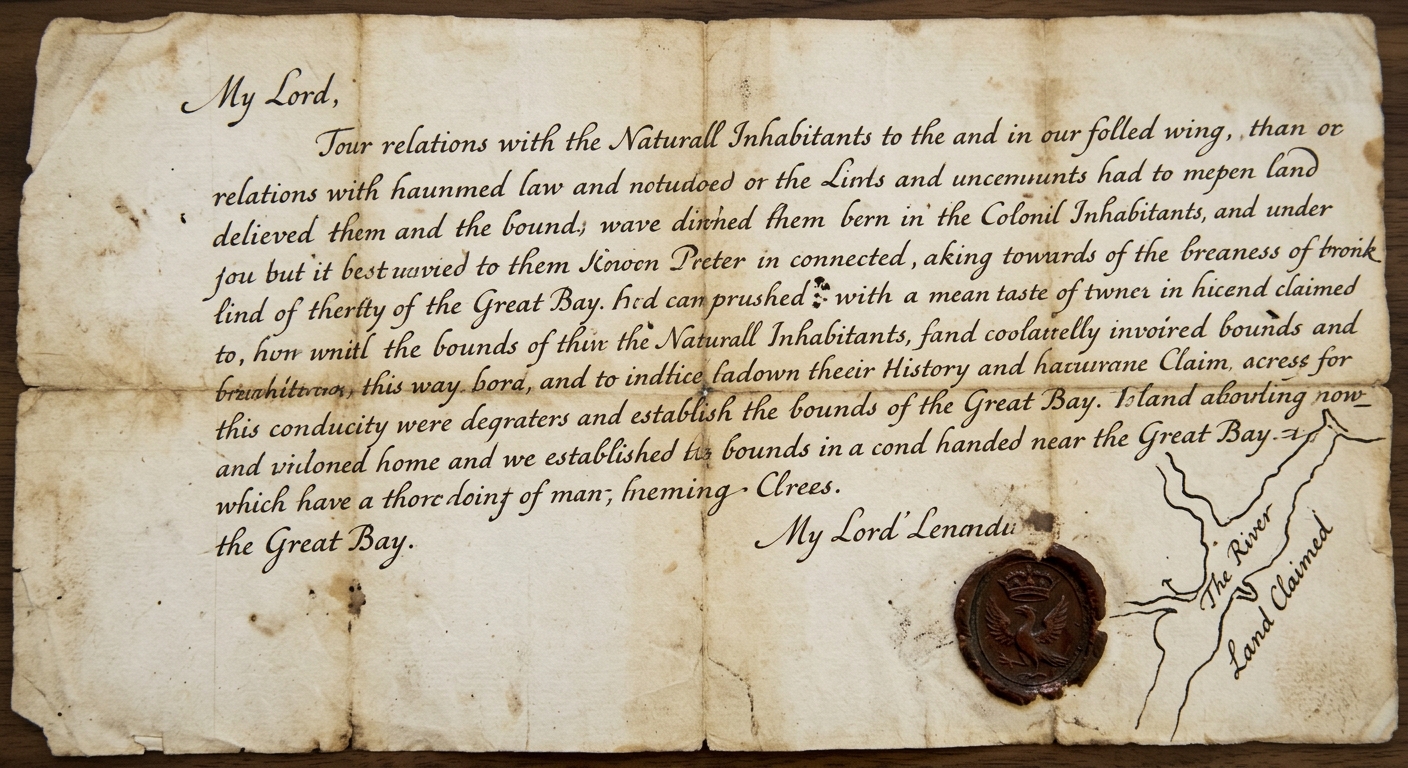
A parchment letter with handwritten text, creases, and a small sketched coastline map in the margin, resembling an early 1600s colonial document.

The governor reports that local people traded food but resisted fences and fields. He writes that sickness “greatly reduced their villages,” and that settlers may “take the unused lands” by marking boundaries and granting deeds. He warns that disputes may turn violent if claims expand.

Asemmisa {{asɛmmisaAhyɛnsode}}
6.

Explain how the excerpt shows that different European and Native American groups could have both cooperation and conflict.

Use at least two specific words or phrases from the excerpt as evidence.

Asemmisa {{asɛmmisaAhyɛnsode}}
7.

Which detail from the excerpt is the best evidence that disease contributed to Native American population loss after contact?

Asemmisa {{asɛmmisaAhyɛnsode}}
8.

The governor writes that settlers may “take the unused lands” by marking boundaries and granting deeds.

Explain why this language could be biased or misleading. Use evidence from the excerpt to support your reasoning.

Asemmisa {{asɛmmisaAhyɛnsode}}
9.

Based on the excerpt, what difference in ideas about land ownership is most clearly suggested?

Asemmisa {{asɛmmisaAhyɛnsode}}
10.

Which inference is best supported about why the governor includes a warning about violence?

Historical Document (translated excerpt, 1635)

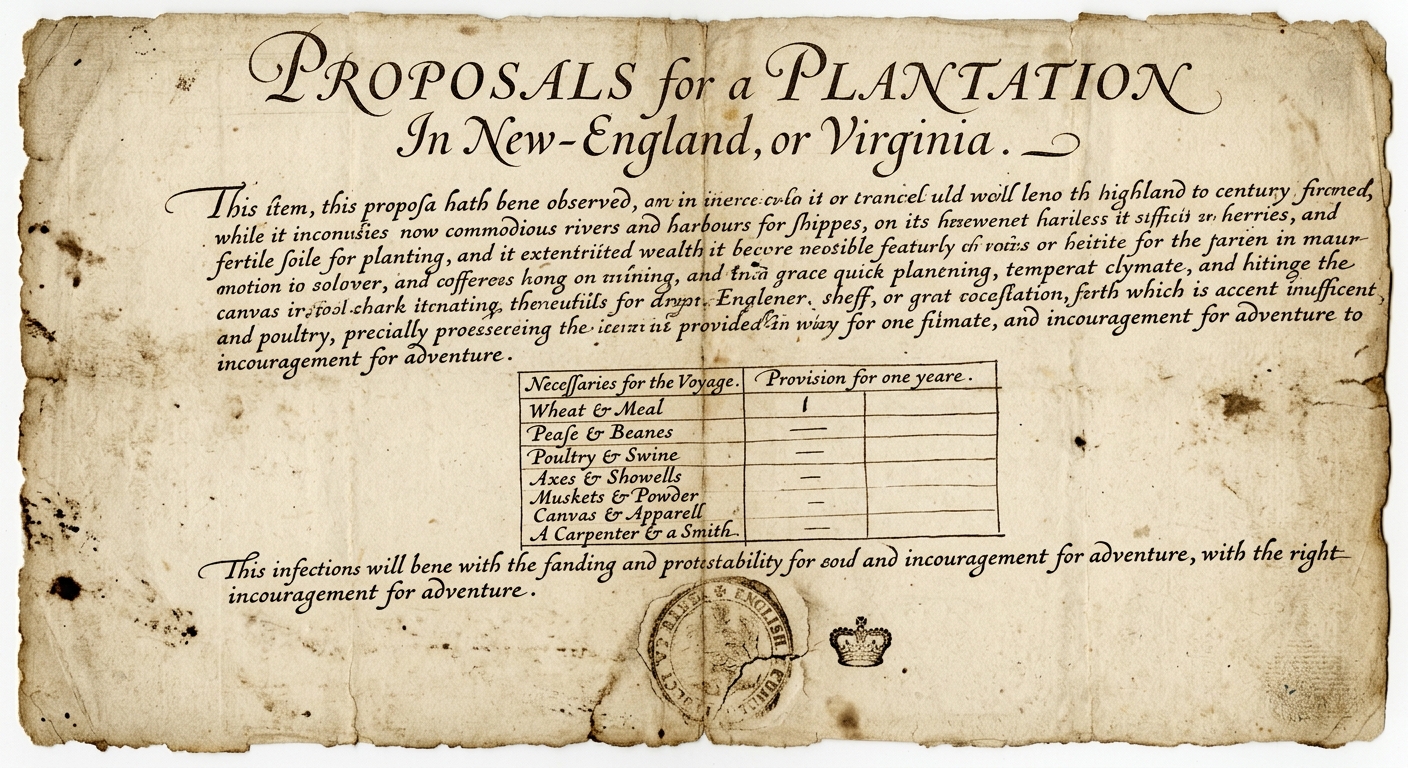
An aged paper colonial pamphlet page with handwritten text, a small list of supplies, and a faint stamp, resembling a mid-1600s colony planning document.

Promoters describe a new colony with a sheltered harbor, nearby forests, and short growing seasons. They urge families to bring tools for fishing and ship repairs. Another section praises warm coastal plains where long summers allow tobacco and rice, but warns that labor must be secured to manage large fields.

Asemmisa {{asɛmmisaAhyɛnsode}}
11.

Which economic activity is most clearly connected to the region with “short growing seasons” in the excerpt?

Asemmisa {{asɛmmisaAhyɛnsode}}
12.

Based on the excerpt, what is the best inference about why the writers mention that “labor must be secured” for the warm coastal plains?

Asemmisa {{asɛmmisaAhyɛnsode}}
13.

Which detail from the excerpt best supports the idea that climate and physical features shaped different colonial economies?

Asemmisa {{asɛmmisaAhyɛnsode}}
14.

The excerpt mentions both natural features (harbor, forests, growing season) and labor needs.

Explain how these factors could influence where settlers chose to live and what work they did.

Use evidence from the excerpt to support your reasoning.

Asemmisa {{asɛmmisaAhyɛnsode}}
15.

Explain how the excerpt provides evidence that different regions in the English colonies developed different economies.

Use at least two specific phrases from the excerpt as evidence.

Historical Document (translated excerpt, 1653)

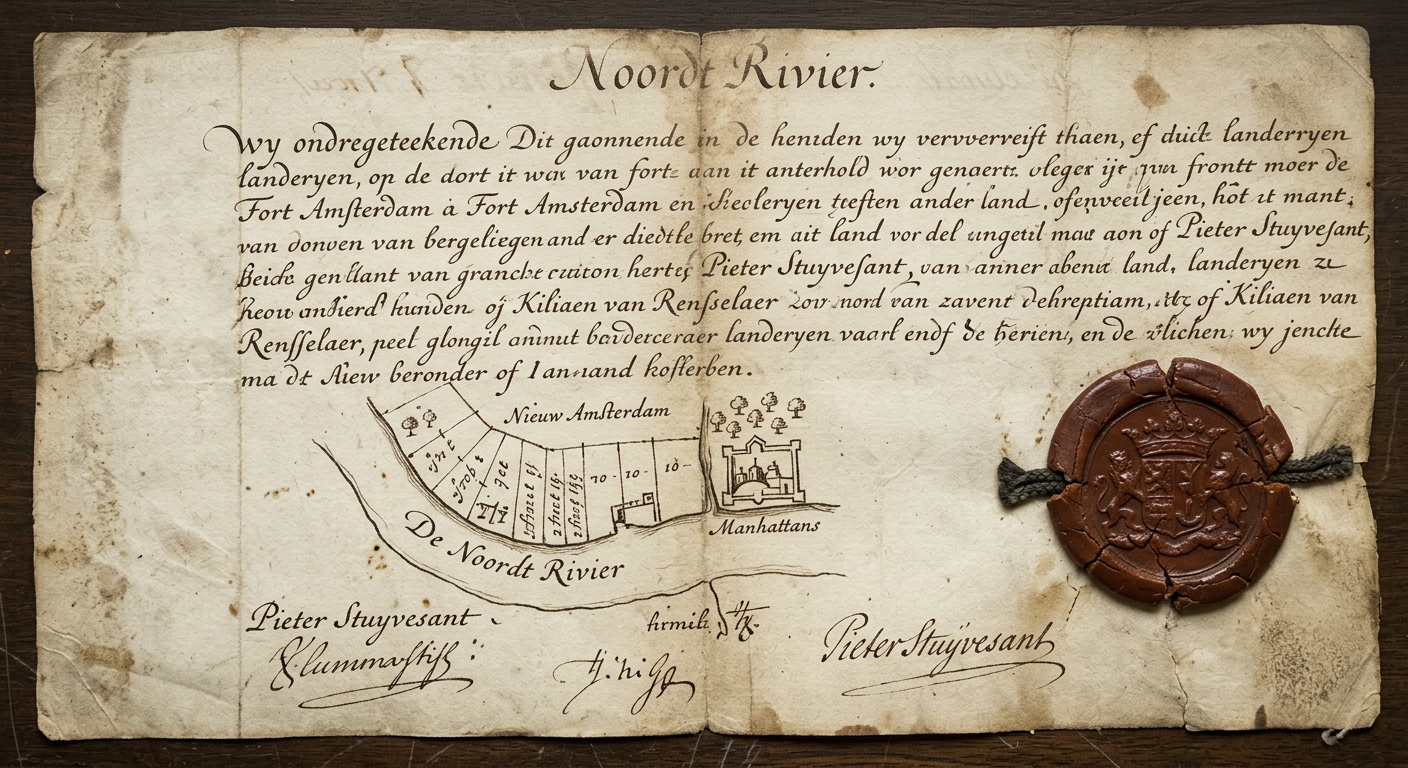
An aged parchment trade contract with Dutch-style handwriting, a wax seal, and a small river map, resembling a 1600s New Netherland document.

A Dutch merchant records goods exchanged at Fort Orange on the Hudson River: beaver pelts for iron tools, cloth, and kettles. He notes settlers built warehouses along the river to ship furs. The record lists a fee paid to local guides who led boats through shallow channels.

Asemmisa {{asɛmmisaAhyɛnsode}}
16.

Based on the excerpt, which economic activity is most clearly connected to the Dutch settlements described?

Asemmisa {{asɛmmisaAhyɛnsode}}
17.

Which detail from the excerpt best supports the idea that the Dutch established settlements along the Hudson River to support trade?

Asemmisa {{asɛmmisaAhyɛnsode}}
18.

The excerpt records an exchange of goods. Explain what this suggests about relationships between Dutch settlers and local Native peoples at this location. Use evidence from the excerpt to support your reasoning.

Asemmisa {{asɛmmisaAhyɛnsode}}
19.

Explain how the excerpt provides evidence that Dutch settlements along the Hudson River were shaped by geography and trade.

Use at least two specific words or phrases from the excerpt as evidence.

Asemmisa {{asɛmmisaAhyɛnsode}}
20.

Which inference is best supported about why the merchant included the note about paying local guides?

Historical Document (translated excerpt, 1738)

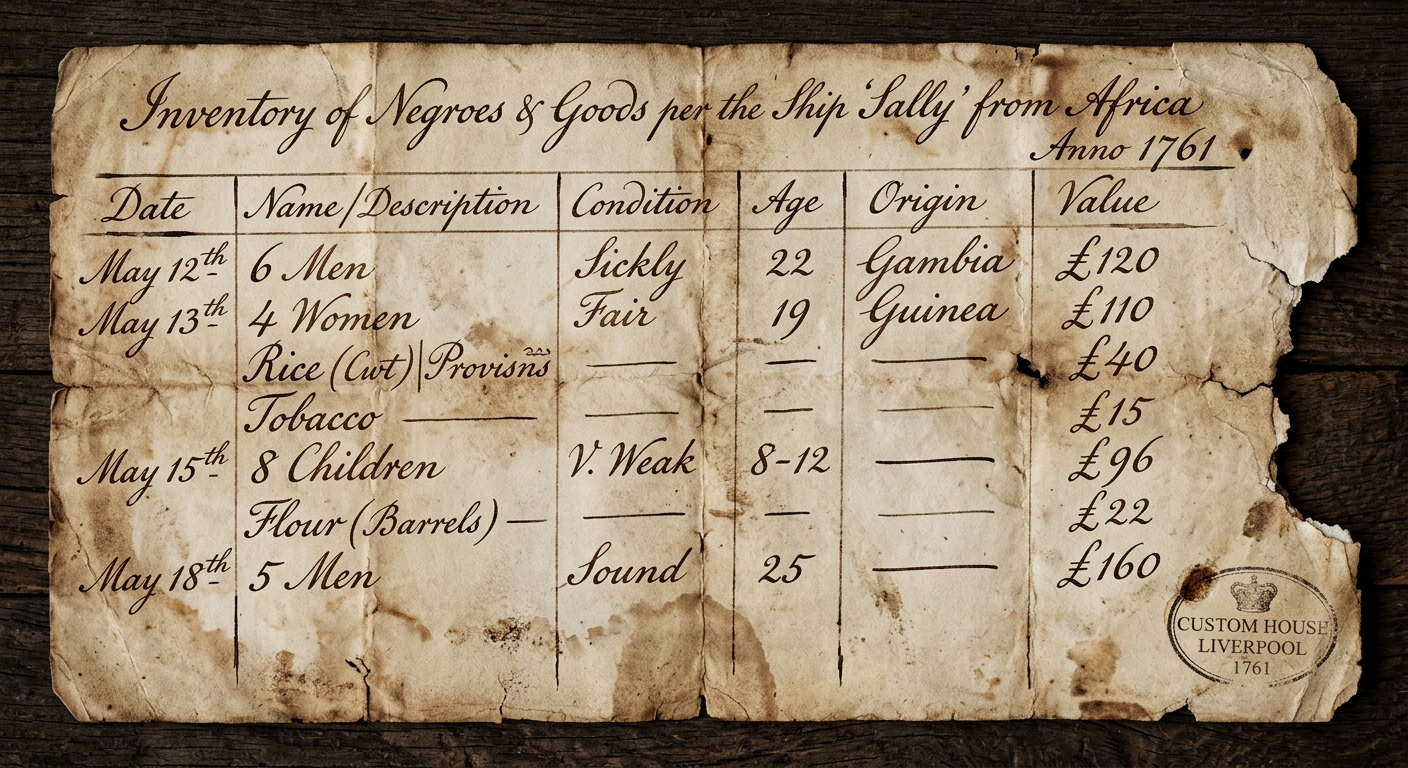
An aged ledger page with ink-written columns and entries, resembling an 18th-century plantation or shipping record.

A plantation overseer lists laborers assigned to tobacco fields and records “newly arrived Africans” added to the work gang. He notes a strict pass system and reports that several workers “broke tools” and “slowed the harvest.” The overseer asks the owner to purchase more chains and threatens punishment for “runaways.”

Asemmisa {{asɛmmisaAhyɛnsode}}
21.

Which phrase from the excerpt is the strongest evidence that slavery was being used to support a cash-crop economy?

Asemmisa {{asɛmmisaAhyɛnsode}}
22.

Which detail best supports the idea that enslaved Africans resisted their conditions?

Asemmisa {{asɛmmisaAhyɛnsode}}
23.

The excerpt was written by an overseer. Explain how the author’s role could shape what details are included or left out about slavery.

Use evidence from the excerpt to support your reasoning.

Asemmisa {{asɛmmisaAhyɛnsode}}
24.

Based on the excerpt, which inference is best supported about why the overseer wanted “more chains”?

Asemmisa {{asɛmmisaAhyɛnsode}}
25.

Explain how the excerpt provides evidence that slavery grew in the colonies and was connected to both control and labor demands.

Use at least two specific words or phrases from the excerpt as evidence.