Twa kɔ nsɛm atitiriw so
Log in
Sign up for FREE
arrow_back
Laabri

7.3 - American Independence: - Practice A

star
star
star
star
star
Last updated about 1 month ago
20 Nsɛmmisa
Hyɛ no nsow a efi ɔkyerɛwfo no hɔ:

Use the historical document(s) and the short readings in the left panel to answer the associated questions.
Use the historical document(s) and the short readings in the left panel to answer the associated questions.
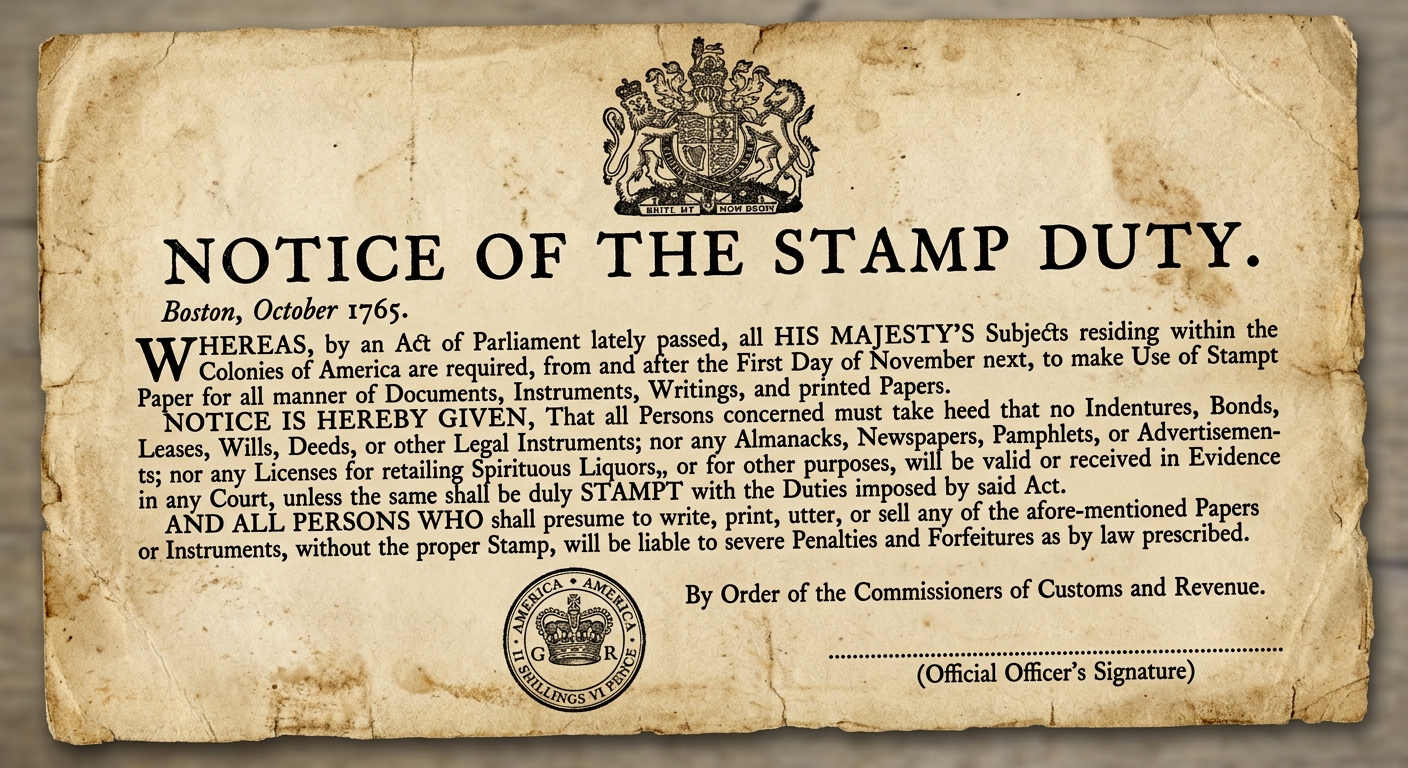
Facsimile of a 1765 British broadside about the Stamp Act with a royal crest, printed text, and an official stamp.
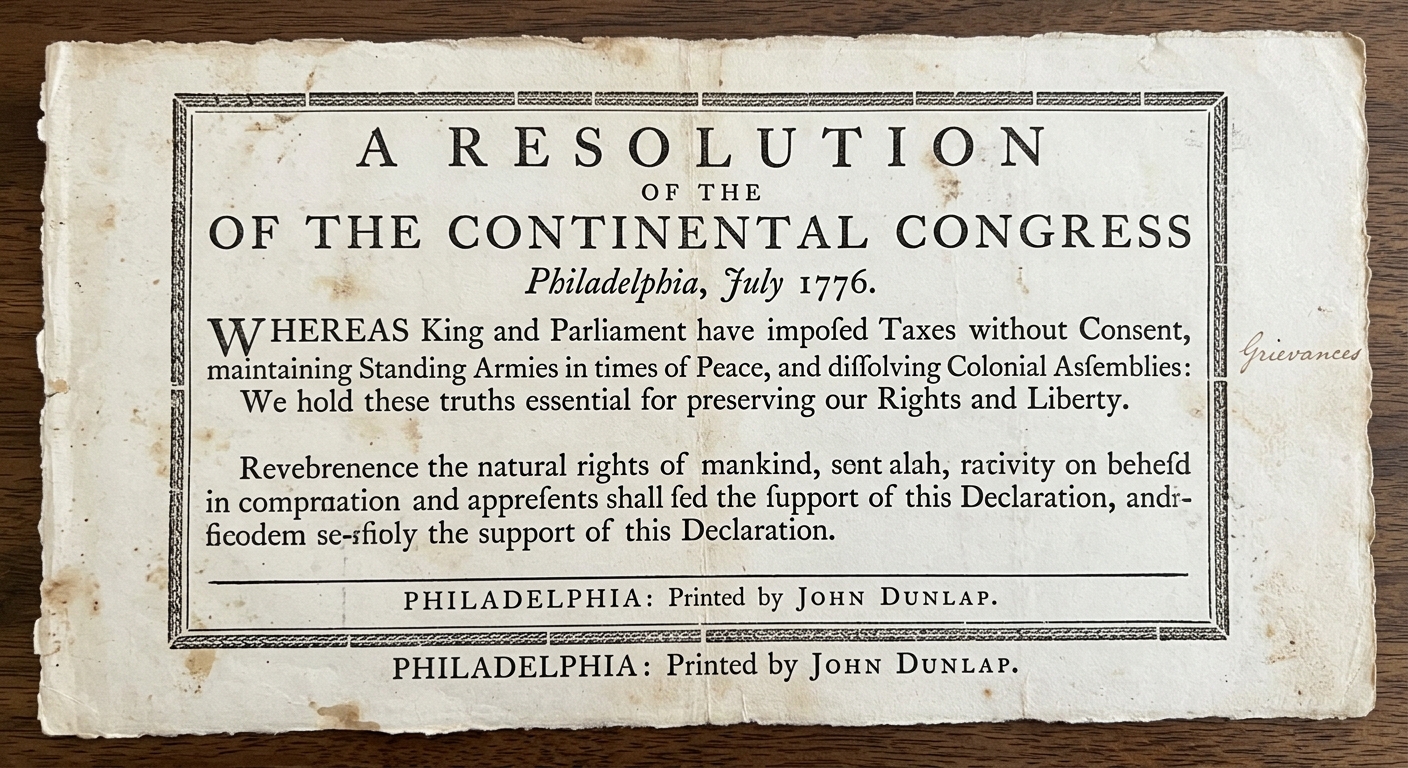
Facsimile of a 1776 pamphlet page listing colonial grievances and references to rights and liberty.
Ɛhia
2
Ɛhia
1
7.3.a
DOK.SS.2
Ɛhia
1
7.3.a
DOK.SS.2
Ɛhia
1
7.3.a
DOK.SS.2
Ɛhia
1
7.3.a
DOK.SS.2
Ɛhia
1
7.3.d
DOK.SS.2
Ɛhia
1
7.3.d
DOK.SS.2
Ɛhia
1
7.3.d
DOK.SS.2
Ɛhia
1
7.3.d
DOK.SS.2
Ɛhia
2
7.3.d
DOK.SS.2
Ɛhia
2
7.3.c
DOK.SS.2
Ɛhia
1
7.3.c
DOK.SS.2
Ɛhia
1
7.3.c
DOK.SS.2
Ɛhia
1
7.3.c
DOK.SS.2
Ɛhia
1
7.3.c
DOK.SS.2
Ɛhia
1
7.3.d
DOK.SS.2
Ɛhia
1
7.3.d
DOK.SS.2
Ɛhia
1
7.3.d
DOK.SS.2
Ɛhia
1
7.3.d
DOK.SS.2
Ɛhia
2
7.3.d
DOK.SS.2

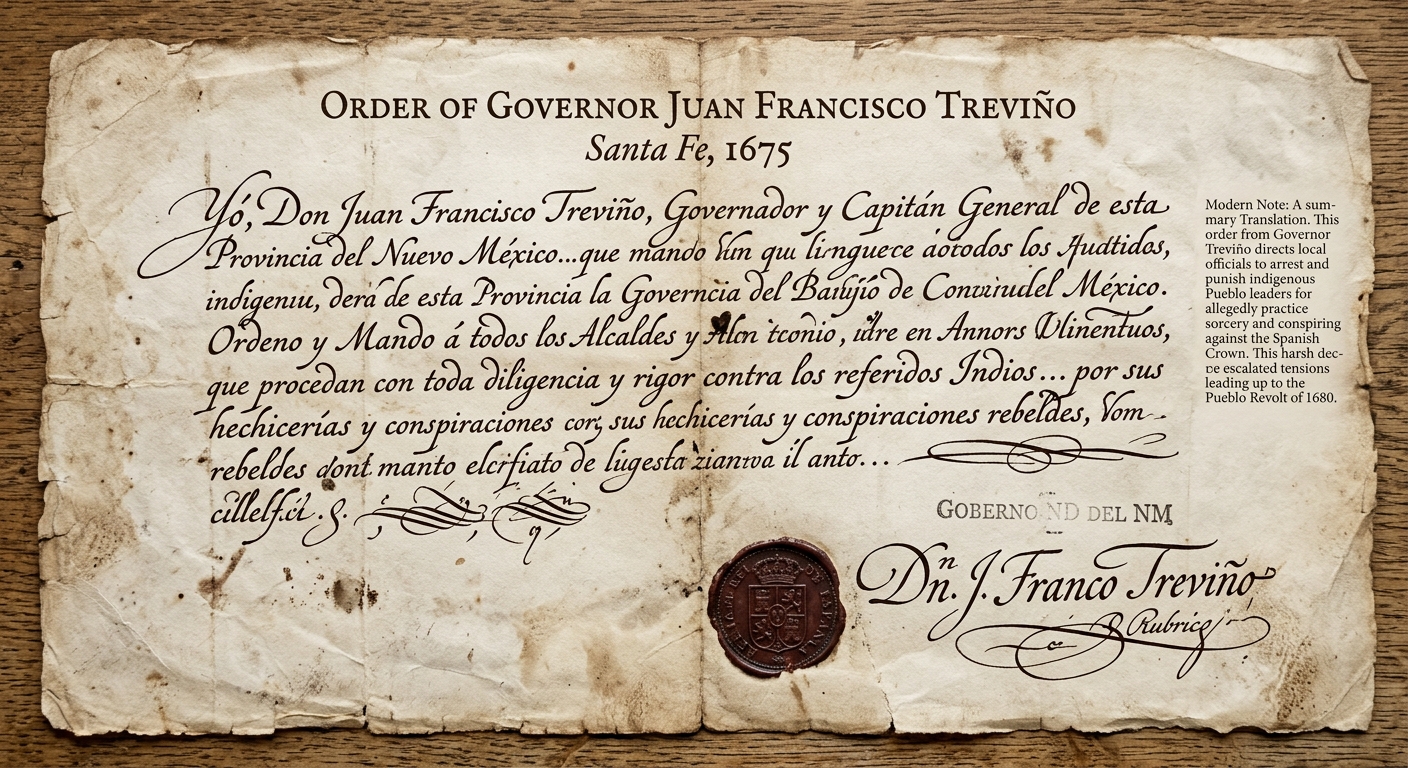
Use the historical document image to answer the questions below. In 1675, Spanish officials in New Mexico issued orders to Pueblo communities about labor, tribute, and punishment. As you read, consider who wrote it, the audience, and what the author wanted to achieve.

Facsimile of a 1675 Spanish colonial order from Santa Fe with handwritten text, a signature, and a wax seal.

Asemmisa {{asɛmmisaAhyɛnsode}}
1.

Explain one strength and one limitation of using this document as evidence about Spanish-Pueblo relations.

Use TWO specific details from the document to support your answer.

Asemmisa {{asɛmmisaAhyɛnsode}}
2.

Name ONE type of evidence in the document that shows it is an official order.

Asemmisa {{asɛmmisaAhyɛnsode}}
3.

Which detail from the document would be the STRONGEST evidence that Spanish officials claimed authority over Pueblo people?

Asemmisa {{asɛmmisaAhyɛnsode}}
4.

Based on the document, which inference is BEST supported about why some Pueblo communities might have resisted Spanish rule?

Asemmisa {{asɛmmisaAhyɛnsode}}
5.

Which statement BEST describes the author’s purpose in this document?

Read the broadside shown in the document image. In 1765, Parliament required many printed materials in the colonies to carry a paid stamp. As you analyze the source, identify the author, intended audience, and the specific consequences threatened for people who disobeyed.

Facsimile of a 1765 British broadside about the Stamp Act with a royal crest, printed text, and an official stamp.

Asemmisa {{asɛmmisaAhyɛnsode}}
6.

Which detail from the broadside is the STRONGEST evidence that Britain was trying to enforce a new economic policy in the colonies?

Asemmisa {{asɛmmisaAhyɛnsode}}
7.

Which statement BEST describes the author’s purpose in publishing this broadside?

Asemmisa {{asɛmmisaAhyɛnsode}}
8.

Name ONE type of evidence in the broadside that shows it is an official government announcement.

Asemmisa {{asɛmmisaAhyɛnsode}}
9.

Based on the broadside, which inference is BEST supported about why some colonists might have protested this policy?

Asemmisa {{asɛmmisaAhyɛnsode}}
10.

Explain one strength and one limitation of using this broadside as evidence about colonial reactions to British policies.

Use TWO specific details from the document to support your answer.

In July 1776, colonial leaders listed grievances and claimed certain rights when arguing for independence. As you read, identify what actions they criticized and how they used ideas about rights to support their argument.

Facsimile of a 1776 pamphlet page listing colonial grievances and references to rights and liberty.

Asemmisa {{asɛmmisaAhyɛnsode}}
11.

Explain one strength and one limitation of using this document as evidence about colonial leaders’ grievances.

Use TWO specific details from the document to support your answer.

Asemmisa {{asɛmmisaAhyɛnsode}}
12.

Which line from the document would be the STRONGEST evidence that the authors were influenced by Enlightenment ideas about natural rights?

Asemmisa {{asɛmmisaAhyɛnsode}}
13.

Which inference is BEST supported about why the authors included a list of grievances in this document?

Asemmisa {{asɛmmisaAhyɛnsode}}
14.

Name ONE type of evidence in the document that suggests it was meant to persuade readers.

Asemmisa {{asɛmmisaAhyɛnsode}}
15.

Which piece of information would be MOST helpful to a historian trying to evaluate the document’s intended audience?

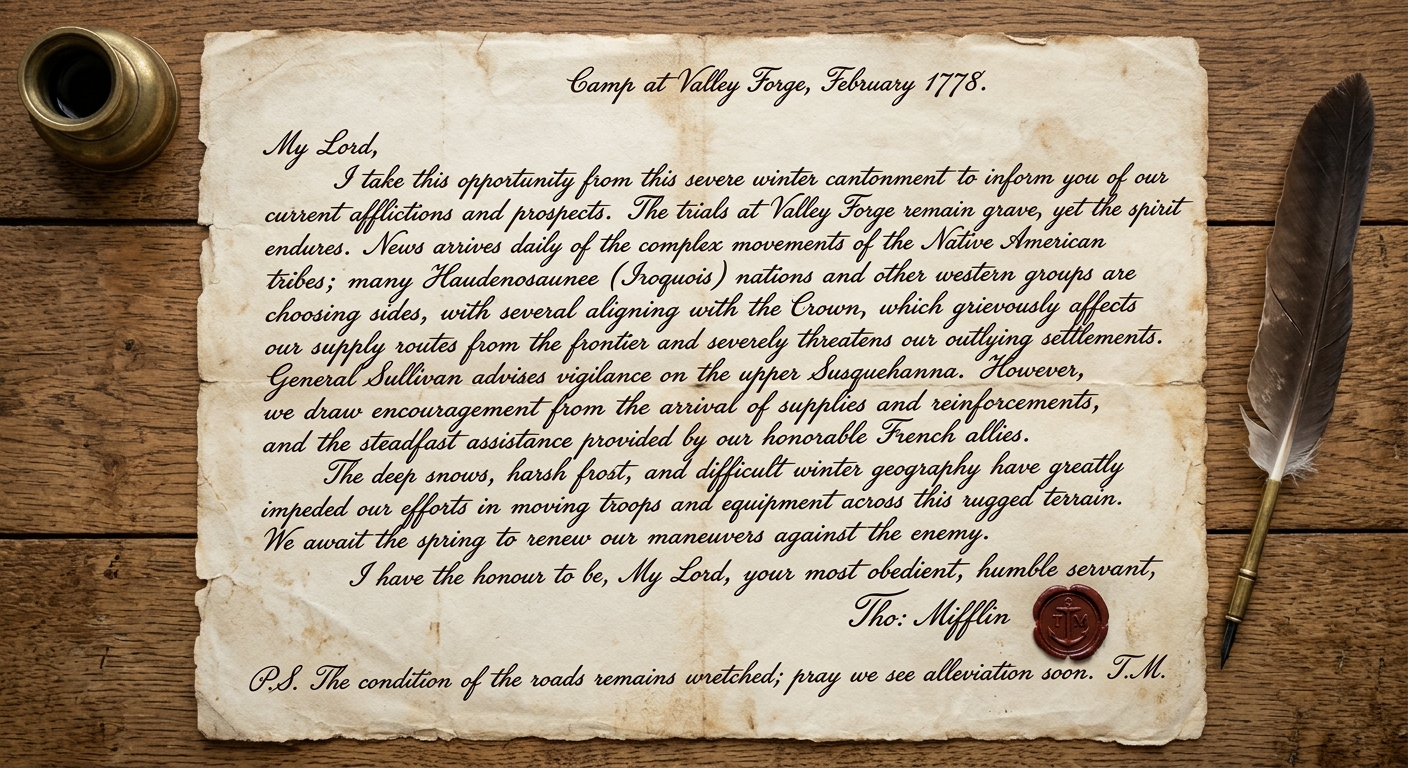
Use the document image to answer the questions. In 1781, American and French forces coordinated strategy against the British at Yorktown. As you read, identify what the author reports about geography, military decisions, and outside support, and explain how those details could affect the war’s outcome.

Facsimile of a 1778 wartime letter mentioning Haudenosaunee involvement, French aid, and winter travel challenges.

Asemmisa {{asɛmmisaAhyɛnsode}}
16.

Which detail in the document is the STRONGEST evidence that aid from another nation influenced American strategy?

Asemmisa {{asɛmmisaAhyɛnsode}}
17.

Which statement BEST describes the author’s purpose in this dispatch?

Asemmisa {{asɛmmisaAhyɛnsode}}
18.

Name ONE feature of the document that helps you identify it as a military message.

Asemmisa {{asɛmmisaAhyɛnsode}}
19.

Which inference is BEST supported about how geography affected British options at Yorktown?

Asemmisa {{asɛmmisaAhyɛnsode}}
20.

Explain one strength and one limitation of using this dispatch as evidence about why the American Revolution ended the way it did.

Use TWO specific details from the document to support your answer.