Twa kɔ nsɛm atitiriw so
Log in
Sign up for FREE
arrow_back
Laabri

7.7 - Reform Movements: - Practice A

star
star
star
star
star
Last updated about 1 month ago
20 Nsɛmmisa
Hyɛ no nsow a efi ɔkyerɛwfo no hɔ:

Use the historical document(s) and the short readings in the left panel to answer the associated questions.

Use the historical document(s) and the short readings in the left panel to answer the associated questions.

7.7.a
DOK.SS.2
7.7.b
DOK.SS.2
7.7.c
DOK.SS.2
7.7.d
DOK.SS.2
Ɛhia
1
7.7.a
DOK.SS.2
Ɛhia
1
7.7.a
DOK.SS.2
Ɛhia
1
7.7.a
DOK.SS.2
Ɛhia
1
7.7.a
DOK.SS.2
Ɛhia
1
7.7.a
DOK.SS.2
Ɛhia
1
7.7.b
DOK.SS.2
Ɛhia
1
7.7.b
DOK.SS.2
Ɛhia
1
7.7.b
DOK.SS.2
Ɛhia
1
7.7.b
DOK.SS.2
Ɛhia
1
7.7.b
DOK.SS.2
Ɛhia
1
7.7.c
DOK.SS.2
Ɛhia
1
7.7.c
DOK.SS.2
Ɛhia
1
7.7.c
DOK.SS.2
Ɛhia
1
7.7.c
DOK.SS.2
Ɛhia
1
7.7.c
DOK.SS.2
Ɛhia
1
7.7.d
DOK.SS.2
Ɛhia
1
7.7.d
DOK.SS.2
Ɛhia
1
7.7.d
DOK.SS.2
Ɛhia
1
7.7.d
DOK.SS.2
Ɛhia
1
7.7.d
DOK.SS.2

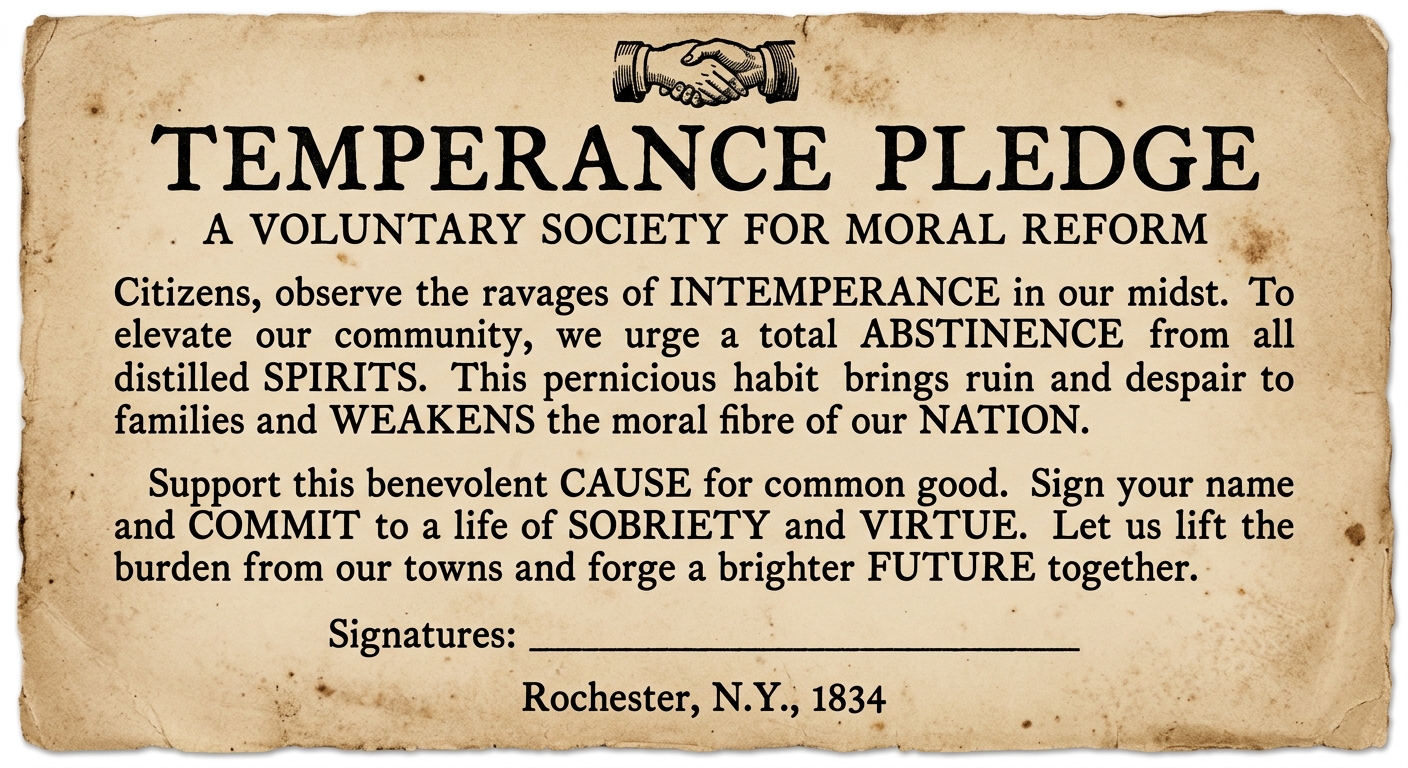
Sepia-toned 1830s-style broadside titled “Temperance Pledge,” with letterpress text, a small emblem, and signature lines dated “Rochester, N.Y., 1834.”

This broadside was posted in Rochester, New York, in 1834 by a local temperance society. It asks community members to sign a pledge to stop drinking distilled spirits. Supporters believed moral reform could improve families and society, an idea spread through revival preaching.
Asemmisa {{asɛmmisaAhyɛnsode}}
1.

Based on the reading stimulus, which connection to the Second Great Awakening is most strongly supported?

Asemmisa {{asɛmmisaAhyɛnsode}}
2.

Using evidence from the broadside and the reading stimulus, explain one reason supporters believed temperance would improve society.

Cite at least one specific feature of the source (such as the pledge, wording, or signatures).

Asemmisa {{asɛmmisaAhyɛnsode}}
3.

Which detail from the document best supports the conclusion that this reform effort relied on voluntary citizen action rather than government enforcement?

Asemmisa {{asɛmmisaAhyɛnsode}}
4.

What is one limitation of using this broadside alone to understand reform movements inspired by the Second Great Awakening?

Explain your reasoning using evidence from the source.

Asemmisa {{asɛmmisaAhyɛnsode}}
5.

Which statement is the best inference about the intended audience of this broadside?

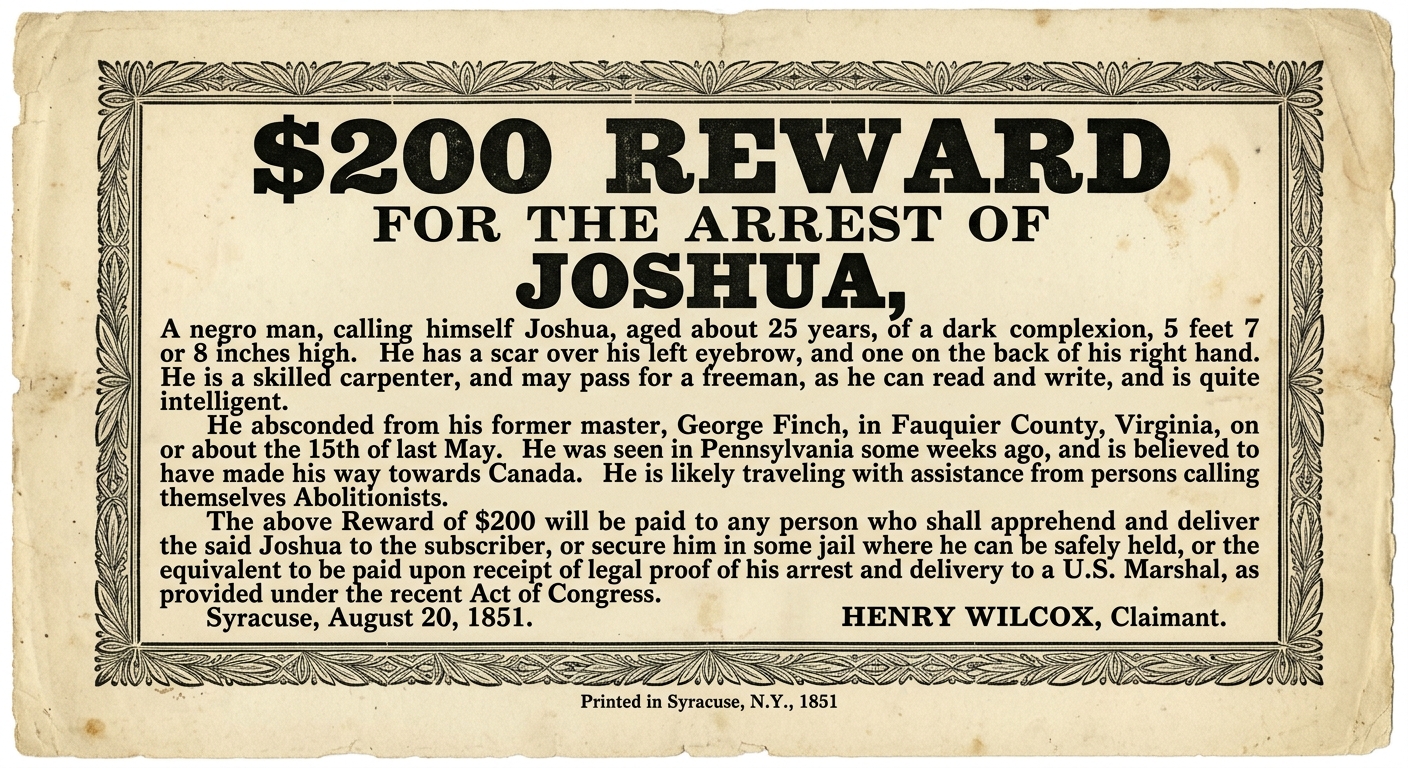
Black-and-white 1851-style “$200 REWARD” handbill offering a reward for the capture of an enslaved person, with letterpress text and a printer line reading “Syracuse, N.Y., 1851.”

This 1851 handbill from Syracuse, New York, offers a reward for capturing an enslaved man who freed himself. The wording describes him as “property” and warns he may be aided. Historians use such notices to analyze resistance to slavery and slaveholders’ assumptions.

Asemmisa {{asɛmmisaAhyɛnsode}}
6.

Using evidence from the handbill, explain how this source demonstrates one way enslaved African Americans resisted slavery.

Cite at least one specific feature of the document (such as the reward, wording, or description).

Asemmisa {{asɛmmisaAhyɛnsode}}
7.

Which phrase from the document would be the strongest evidence that the enslaver viewed the person as property?

Asemmisa {{asɛmmisaAhyɛnsode}}
8.

What is one limitation of using this handbill alone to understand resistance to slavery?

Explain your reasoning using evidence from the source.

Asemmisa {{asɛmmisaAhyɛnsode}}
9.

Based on the handbill and reading stimulus, which form of resistance to slavery is most directly shown?

Asemmisa {{asɛmmisaAhyɛnsode}}
10.

Which inference about the author’s purpose is best supported by the document?

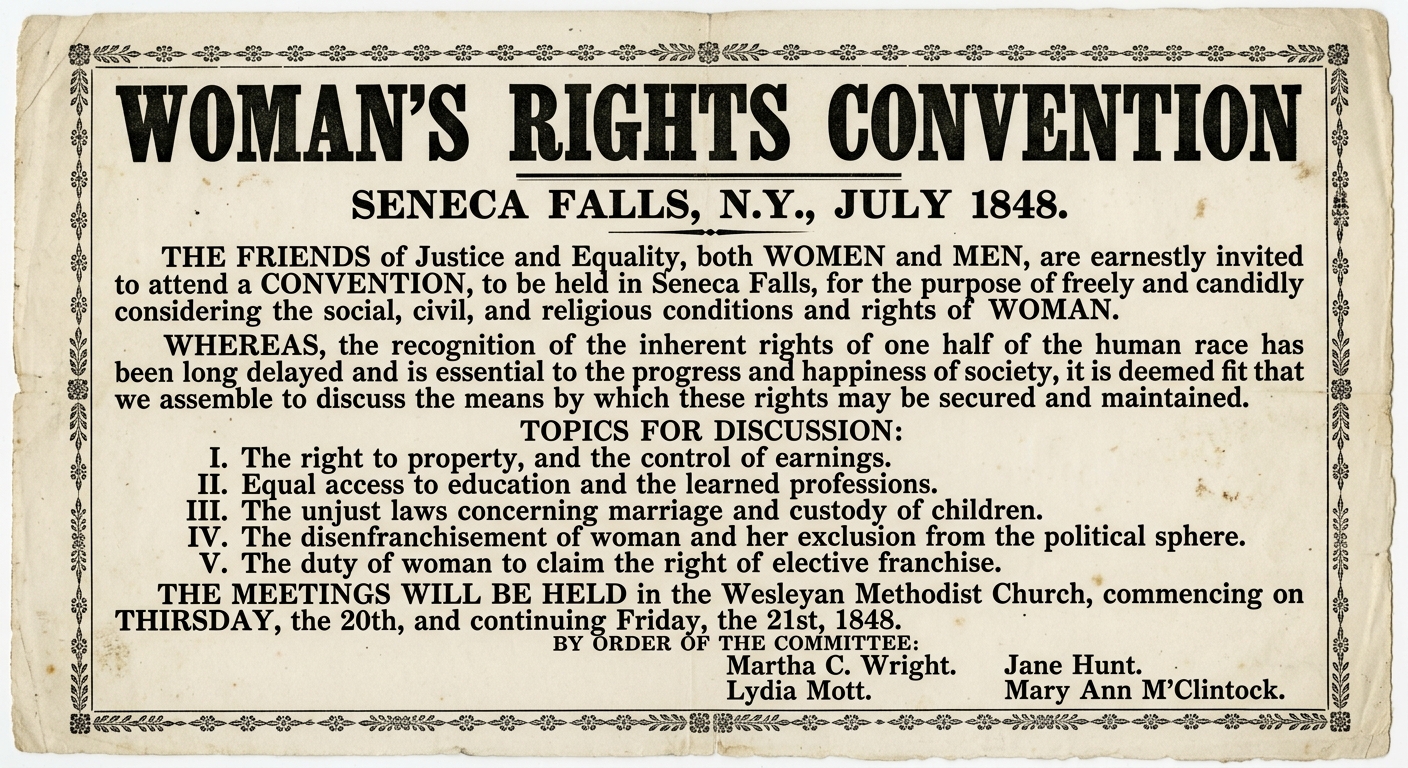
1848-style broadside titled “Woman’s Rights Convention,” dated “Seneca Falls, N.Y., July 1848,” inviting the public to discuss women’s property rights, education, and political equality.

This 1848 flyer announces a women’s rights convention in Seneca Falls, New York. It invites the public to discuss women’s property rights, education, fair wages, and political equality. Many organizers had also worked in reform movements and used revival-era ideas about moral improvement to justify change.

Asemmisa {{asɛmmisaAhyɛnsode}}
11.

Which detail from the broadside best supports the conclusion that women organized to advocate for political equality?

Asemmisa {{asɛmmisaAhyɛnsode}}
12.

Based on the reading stimulus, which connection to the Second Great Awakening is most strongly supported?

Asemmisa {{asɛmmisaAhyɛnsode}}
13.

What is one limitation of using this flyer alone to understand women’s rights efforts in the 1800s? Explain your reasoning using evidence from the source.

Asemmisa {{asɛmmisaAhyɛnsode}}
14.

Using evidence from the broadside and the reading stimulus, explain one goal women advocated for in the mid-1800s.

Cite at least one specific feature of the source (such as an agenda topic, wording, or meeting invitation).

Asemmisa {{asɛmmisaAhyɛnsode}}
15.

Which inference about the intended audience is best supported by this document?

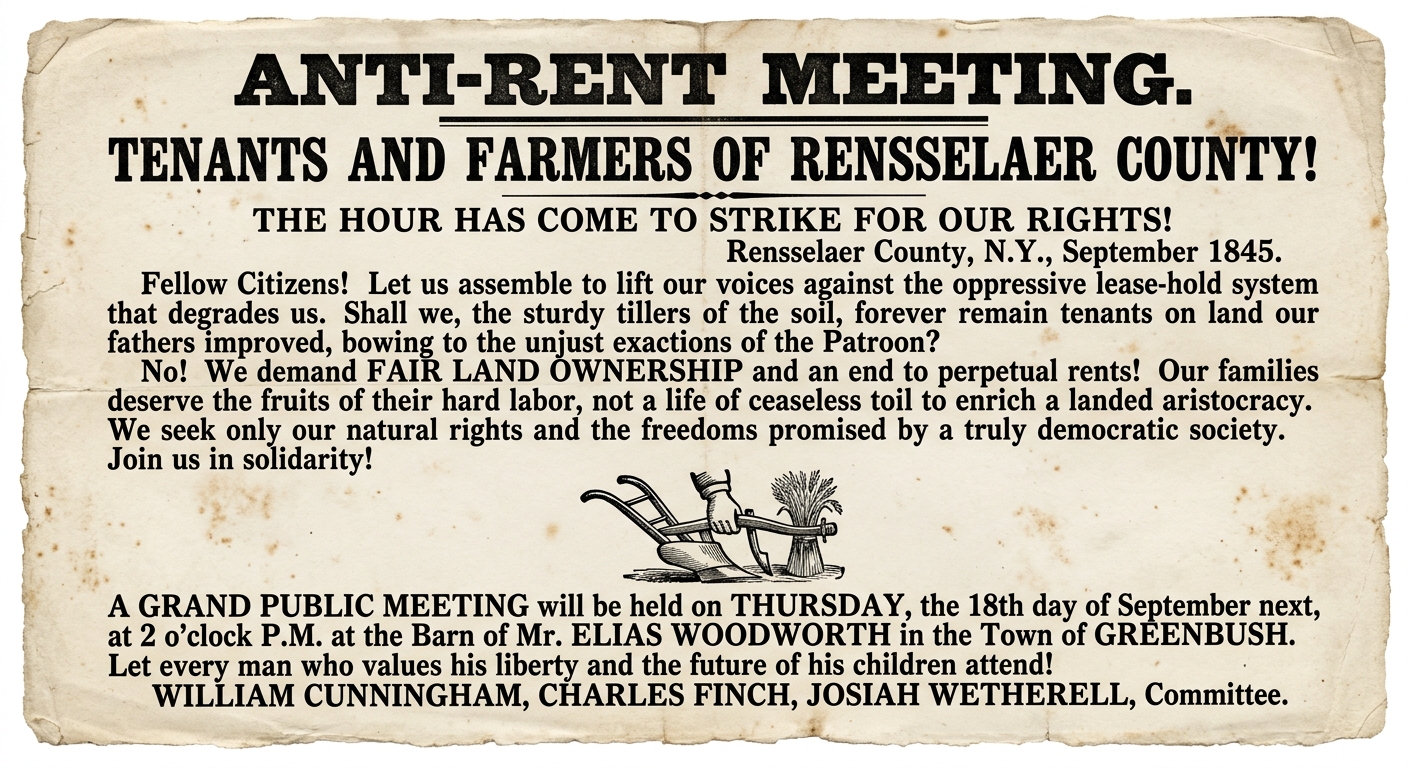
1845-style broadside titled “Anti-Rent Meeting,” dated “Rensselaer County, N.Y., 1845,” calling tenant farmers to organize against the patroon land lease system.

This 1845 broadside announces an Anti-Rent meeting in Rensselaer County, New York. Tenant farmers protested the patroon lease system and demanded fairer landownership. Organizers encouraged neighbors to gather, share complaints, and plan peaceful resistance. Historians use such notices to study reform and protest tactics in New York.

Asemmisa {{asɛmmisaAhyɛnsode}}
16.

What is one limitation of using this broadside alone to understand the Anti-Rent movement? Explain your reasoning using evidence from the source.

Asemmisa {{asɛmmisaAhyɛnsode}}
17.

Which detail from the broadside best supports the conclusion that the Anti-Rent movement relied on organized citizen action?

Asemmisa {{asɛmmisaAhyɛnsode}}
18.

Which inference about the intended audience is best supported by the document?

Asemmisa {{asɛmmisaAhyɛnsode}}
19.

Based on the reading stimulus, what problem were Anti-Rent supporters trying to address?

Asemmisa {{asɛmmisaAhyɛnsode}}
20.

Using evidence from the broadside and the reading stimulus, explain one goal of the Anti-Rent movement.

Cite at least one specific feature of the document (such as wording about rent, leases, or the meeting call).