Use the historical document(s) and the short readings in the left panel to answer the associated questions.
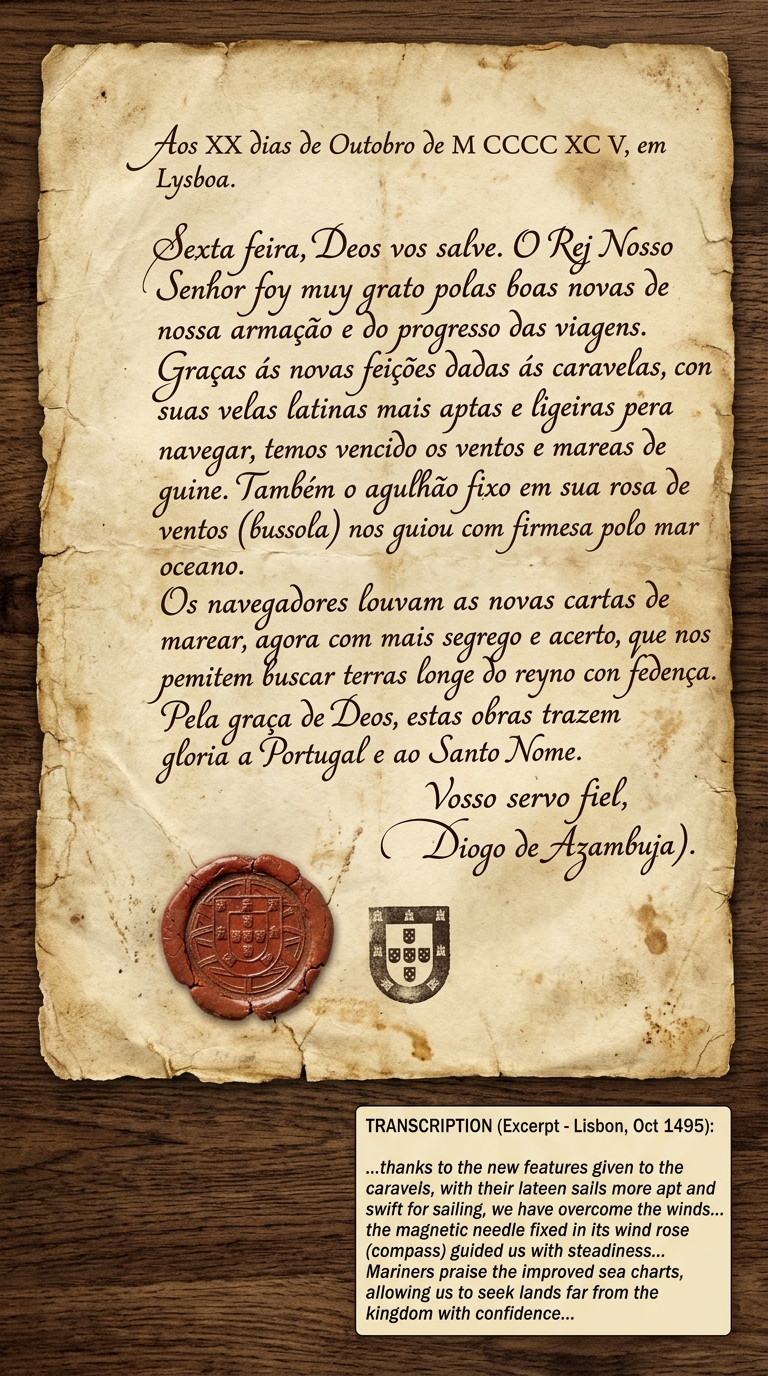
Dated 1495, this letter reflects how improved ship designs, navigational tools like the magnetic compass, and more accurate sea charts made longer Atlantic voyages possible. These innovations helped European kingdoms plan expeditions and expand exploration in the decades that followed.

Based on the 1495 document, which improvement most directly supported European ocean exploration?
The document is dated 1495. Which event is most likely to occur AFTER the developments described in the document?
Which outcome is BEST supported by the document’s description of navigation and ship improvements?
Using evidence from BOTH the 1495 document and the short reading, explain how scientific/economic improvements helped European nations launch the Age of Exploration.
Your response should explain a cause-and-effect relationship and use at least one chronological phrase (for example, “before,” “after,” “over the next decades”).
Create a simple three-step timeline that includes
(1) one development that helped make the 1495 document possible,
(2) the 1495 document itself, and
(3) one later exploration milestone.
For each step, write one sentence explaining why it belongs in that position.
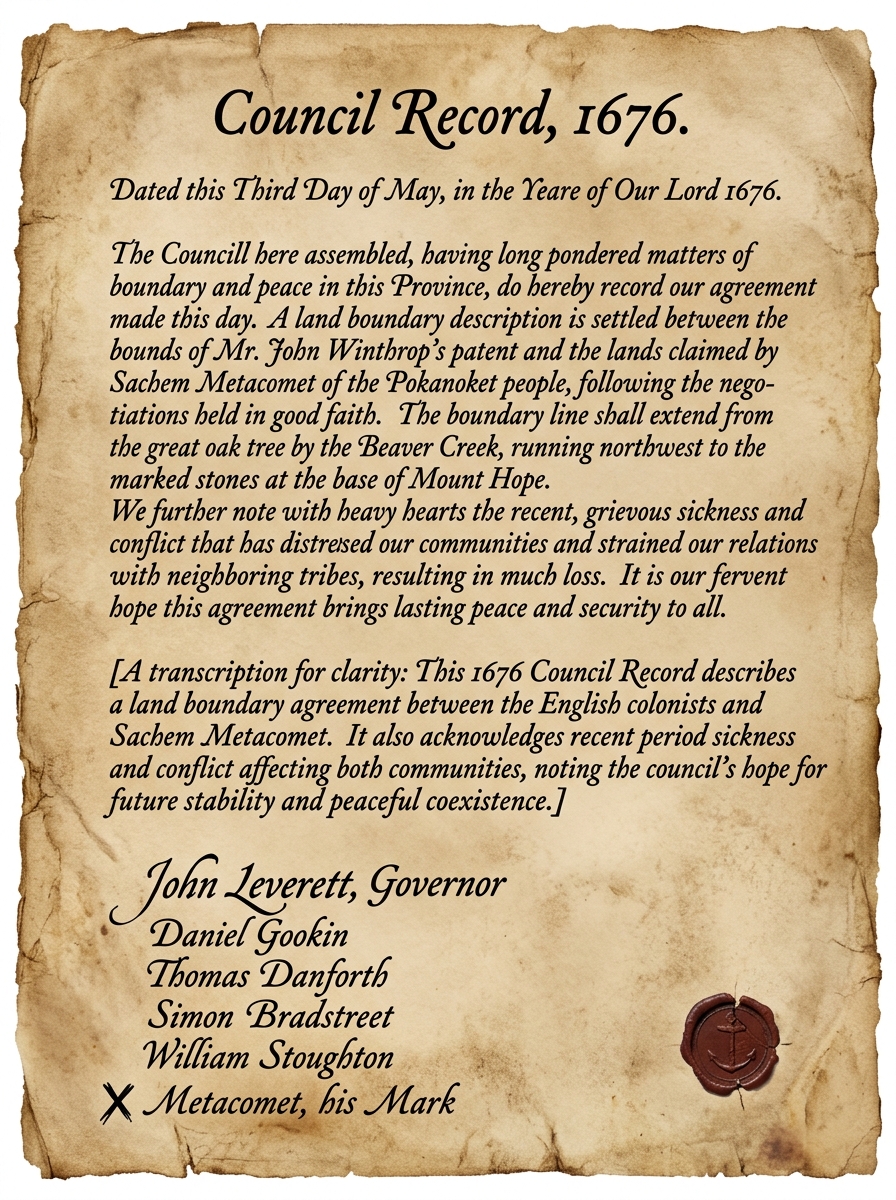
This 1676 record reflects later stages of English settlement, when alliances and conflicts had already reshaped relationships with Native nations. Disease outbreaks and warfare reduced many communities’ ability to resist. At the same time, differing views of land ownership led to treaties and disputes as colonists expanded farms and towns.

The document is dated 1676. Which development is most likely to have occurred BEFORE the situation described in the document?
Which sequence BEST explains how disease could contribute to Native American land loss over time?
Which statement BEST reflects a European conception of land ownership that often differed from Native American conceptions?
Using evidence from BOTH the 1676 document and the short reading, explain how European–Native American relationships changed over time.
In your response, include
(1) one detail about disease or conflict,
(2) one detail about land, and
(3) at least one chronological phrase (for example, “earlier,” “later,” “after,” “over time”).
Create a simple three-step timeline that explains how interactions between Europeans and Native American societies could lead to land loss by 1676.
Include:
(1) an earlier stage of contact,
(2) a middle stage involving disease or conflict, and
(3) a later stage involving land agreements or encroachment.
For each step, write one sentence explaining why it belongs in that position.
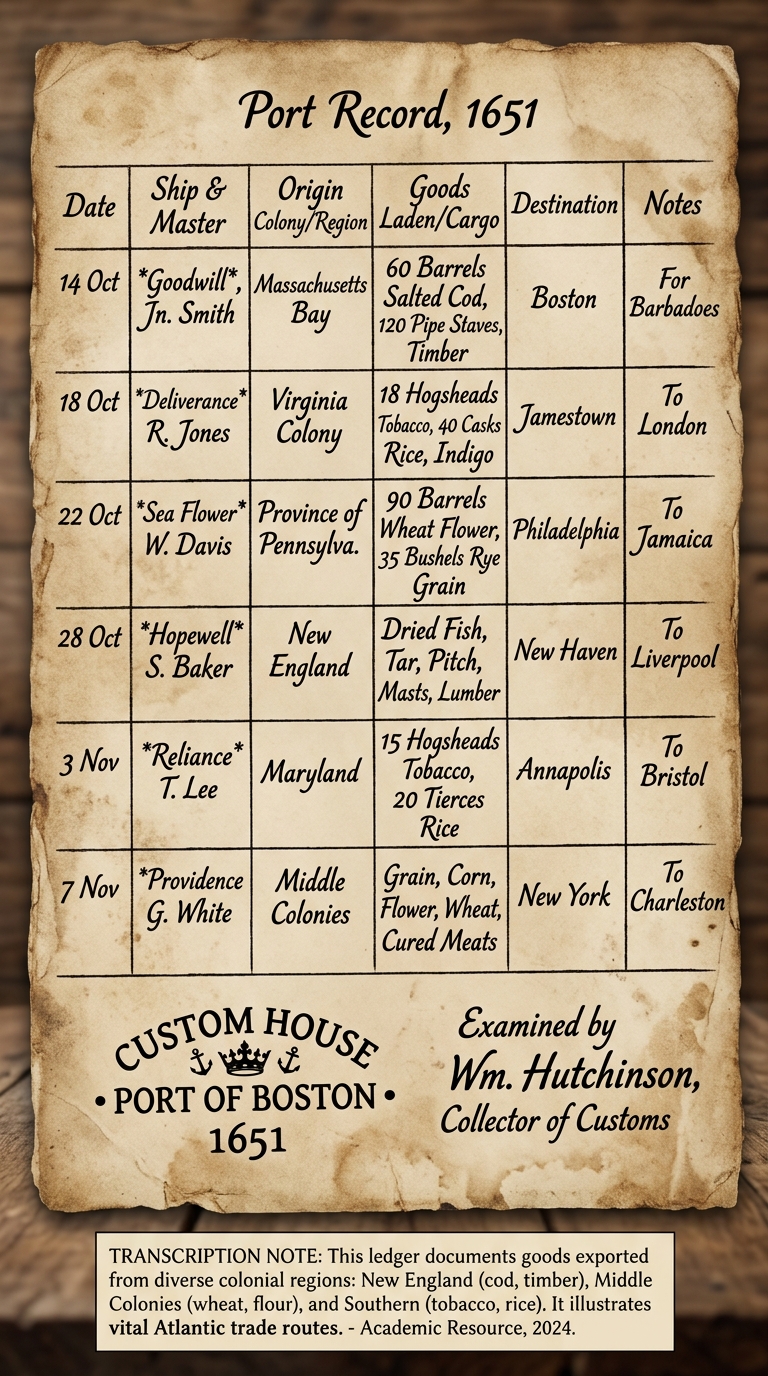
By the mid-1600s, English colonies developed regional economies shaped by environment and labor. New England’s rocky soil and forests supported fishing, shipbuilding, and trade. Middle Colonies grew grain. Southern Colonies relied on plantation cash crops, often using enslaved and indentured labor. Trade linked these regions over time.

The port record is dated 1651. Which event is most likely to have occurred BEFORE the trade patterns shown in the document?
Which colonial region is BEST supported by the ledger entry listing goods like dried fish, timber, and ships?
Which explanation BEST connects geography and labor to the Southern Colonies’ cash-crop exports shown in the 1651 record?
Using evidence from BOTH the 1651 port record and the short reading, explain how differences in climate/physical features, access to water, and sources of labor contributed to different colonial economies.
Include at least one chronological phrase (for example, “by 1651,” “earlier,” “over time”).
Create a simple three-step timeline that connects
(1) one reason English colonists established colonies in North America,
(2) one way geography or labor shaped a regional economy, and (3) the 1651 trade patterns shown in the port record.
For each step, write one sentence explaining why it belongs in that position.
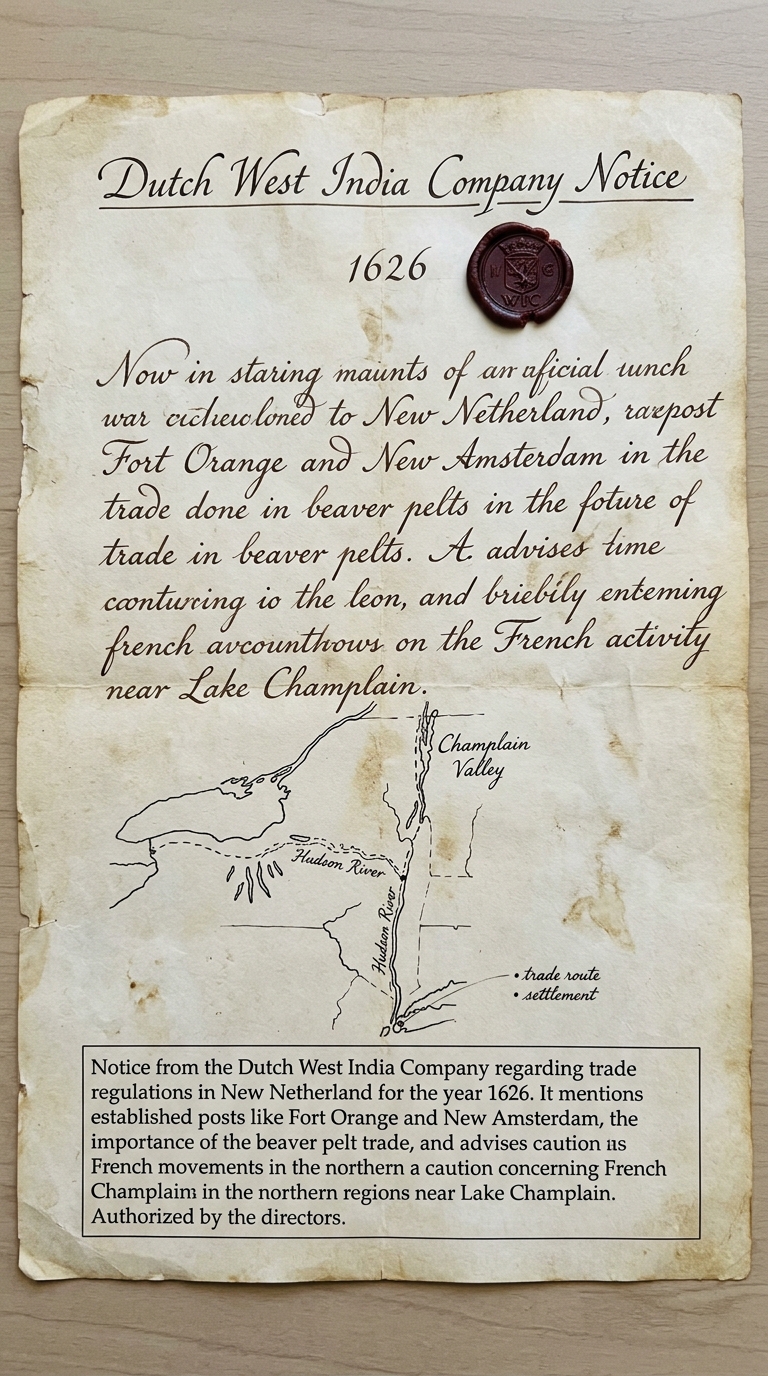
In the 1600s, the Dutch built New Netherland along the Hudson River to control trade. The French established settlements in the Champlain Valley. Over time, river access shaped commerce and alliances. Dutch practices and place names persisted after English control, influencing later American society.

The document is dated 1626. Which event is most likely to have occurred BEFORE the situation described in the document?
Based on the document and map, which settlement is MOST closely connected to the Dutch along the Hudson River?
Which conclusion is BEST supported by the document about why the Dutch and French built settlements near major waterways?
Using evidence from BOTH the 1626 document and the short reading, explain how the Dutch and French settlement locations shaped trade and relationships over time.
Include at least one chronological phrase (for example, “earlier,” “later,” “by 1626,” “over time”) and at least two specific details from the sources.
Create a simple three-step timeline that connects
(1) an earlier exploration or claim,
(2) settlement and trade along the Hudson River or Champlain Valley, and
(3) one lasting Dutch contribution to American society.
For each step, write one sentence explaining why it belongs in that position.
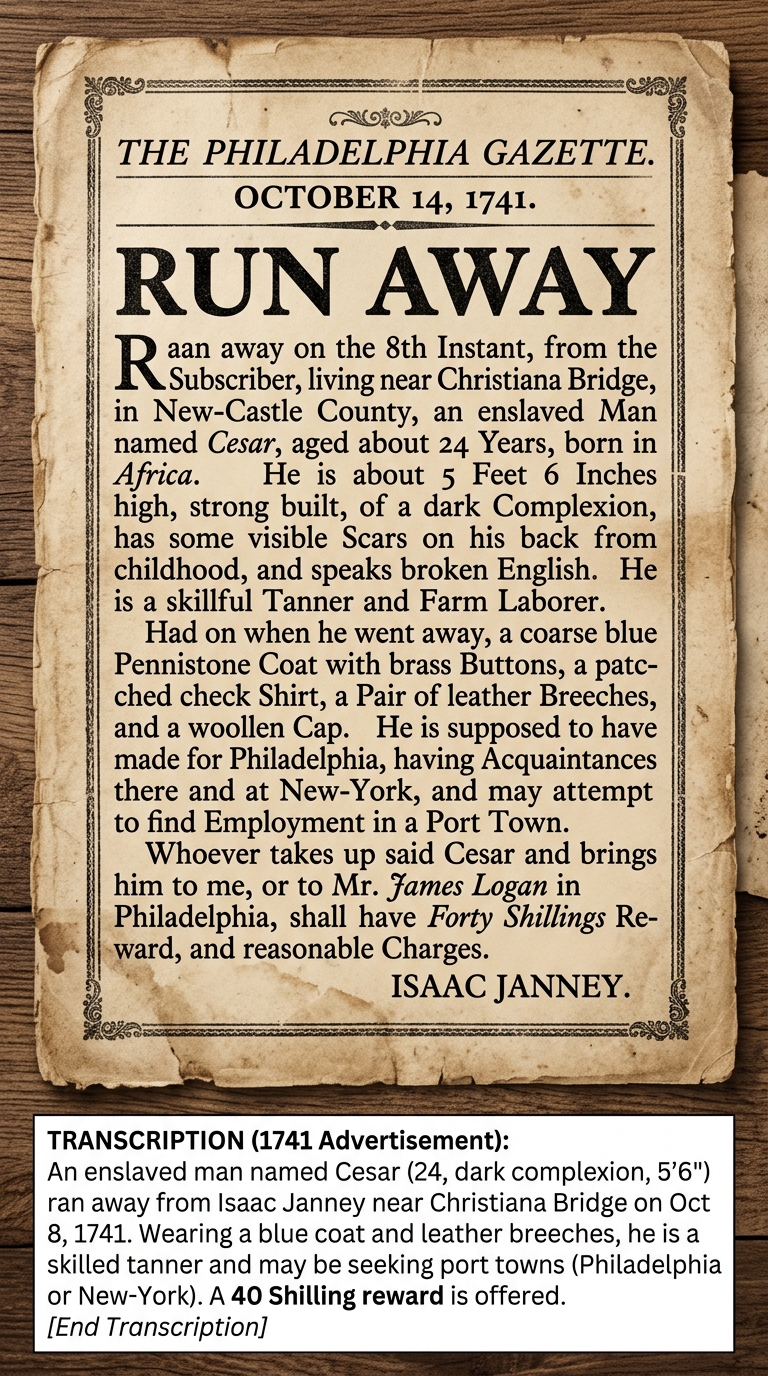
Over the 1600s and 1700s, slavery expanded in the English colonies as plantation economies grew. Enslaved Africans survived by building community, preserving culture, and using skills. Resistance ranged from slowdowns and sabotage to running away and organized rebellions. These patterns intensified over time.

The document is dated 1741. Which development is most likely to have occurred BEFORE the situation described in the document?
Which explanation BEST connects economic development to the growth of slavery in the colonies over time?
Which action is BEST supported by the document as a form of resistance to enslavement?
Using evidence from BOTH the 1741 document and the short reading, explain how slavery grew in the colonies over time.
Then describe one strategy enslaved Africans used to survive and one strategy used to resist. Include at least one chronological phrase (for example, “earlier,” “later,” “by the 1700s,” “over time”).
Create a simple three-step timeline that explains how slavery grew in the colonies and how enslaved Africans resisted over time.
Include:
(1) an earlier stage of slavery in the colonies,
(2) a middle stage showing expansion of plantation labor systems, and
(3) a later stage connected to the 1741 document.
For each step, write one sentence explaining why it belongs in that position.