Twa kɔ nsɛm atitiriw so
Log in
Sign up for FREE
arrow_back
Laabri

7.2 - Colonial Developments: - Practice D

star
star
star
star
star
Last updated about 1 month ago
25 Nsɛmmisa
Hyɛ no nsow a efi ɔkyerɛwfo no hɔ:

Use the historical document(s) and the short readings in the left panel to answer the associated questions.

Use the historical document(s) and the short readings in the left panel to answer the associated questions.

7.2.a
DOK.SS.2
7.2.b
DOK.SS.2
7.2.c
DOK.SS.2
7.2.d
DOK.SS.2
7.2.e
DOK.SS.2
Ɛhia
1
7.2.a
DOK.SS.2
Ɛhia
1
7.2.a
DOK.SS.2
Ɛhia
1
7.2.a
DOK.SS.2
Ɛhia
1
7.2.a
DOK.SS.2
Ɛhia
1
7.2.a
DOK.SS.2
Ɛhia
1
7.2.b
DOK.SS.2
Ɛhia
1
7.2.b
DOK.SS.2
Ɛhia
1
7.2.b
DOK.SS.2
Ɛhia
1
7.2.b
DOK.SS.2
Ɛhia
1
7.2.b
DOK.SS.2
Ɛhia
1
7.2.c
DOK.SS.2
Ɛhia
1
7.2.c
DOK.SS.2
Ɛhia
1
7.2.c
DOK.SS.2
Ɛhia
1
7.2.c
DOK.SS.2
Ɛhia
1
7.2.c
DOK.SS.2
Ɛhia
1
7.2.d
DOK.SS.2
Ɛhia
1
7.2.d
DOK.SS.2
Ɛhia
1
7.2.d
DOK.SS.2
Ɛhia
1
7.2.d
DOK.SS.2
Ɛhia
1
7.2.d
DOK.SS.2
Ɛhia
1
7.2.e
DOK.SS.2
Ɛhia
1
7.2.e
DOK.SS.2
Ɛhia
1
7.2.e
DOK.SS.2
Ɛhia
1
7.2.e
DOK.SS.2
Ɛhia
1
7.2.e
DOK.SS.2

Historical Document:
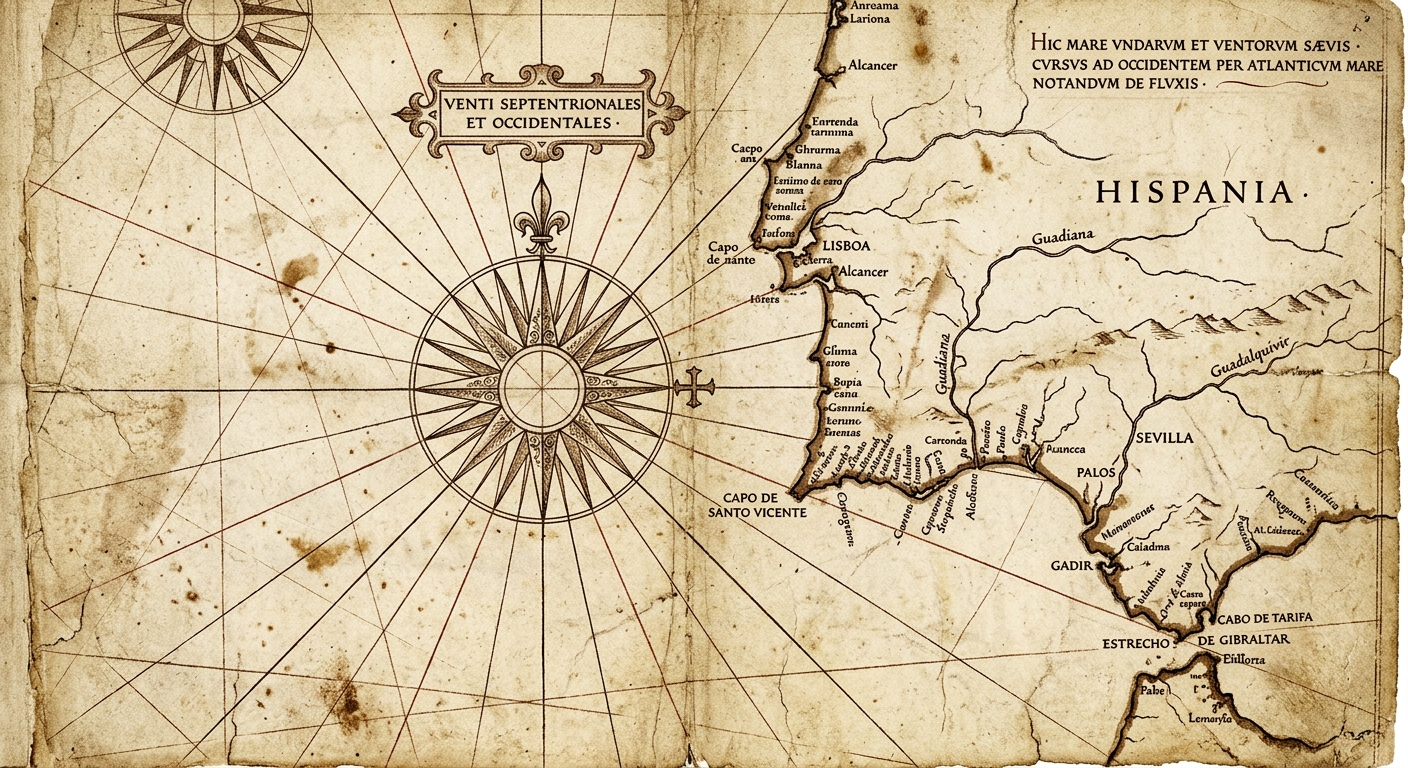
Parchment-style portolan sea chart with a compass rose, rhumb lines, and coastal place names, showing an Iberian coastline and the Atlantic.

This portolan chart (c. 1490) was used by sailors leaving Iberian ports. Rhumb lines and compass roses helped pilots keep a course, while coastal place names guided landfall. Notes about winds and currents show how geographic knowledge supported longer Atlantic voyages.
Asemmisa {{asɛmmisaAhyɛnsode}}
1.

Which feature on the document would MOST directly help a navigator maintain direction while sailing out of sight of land?

Asemmisa {{asɛmmisaAhyɛnsode}}
2.

Using evidence from the document (specific features you can point to), explain TWO ways this chart could reduce risk or uncertainty for sailors during the Age of Exploration.

Asemmisa {{asɛmmisaAhyɛnsode}}
3.

Based on the reading and the map features, which geographic challenge were sailors most likely trying to manage on an Atlantic voyage?

Asemmisa {{asɛmmisaAhyɛnsode}}
4.

Explain how geographic information like coastlines, winds, and currents could help European nations increase trade during the Age of Exploration.

Use at least ONE detail from the document or reading.

Asemmisa {{asɛmmisaAhyɛnsode}}
5.

Which conclusion is BEST supported by the document about why European nations could expand ocean exploration in this period?

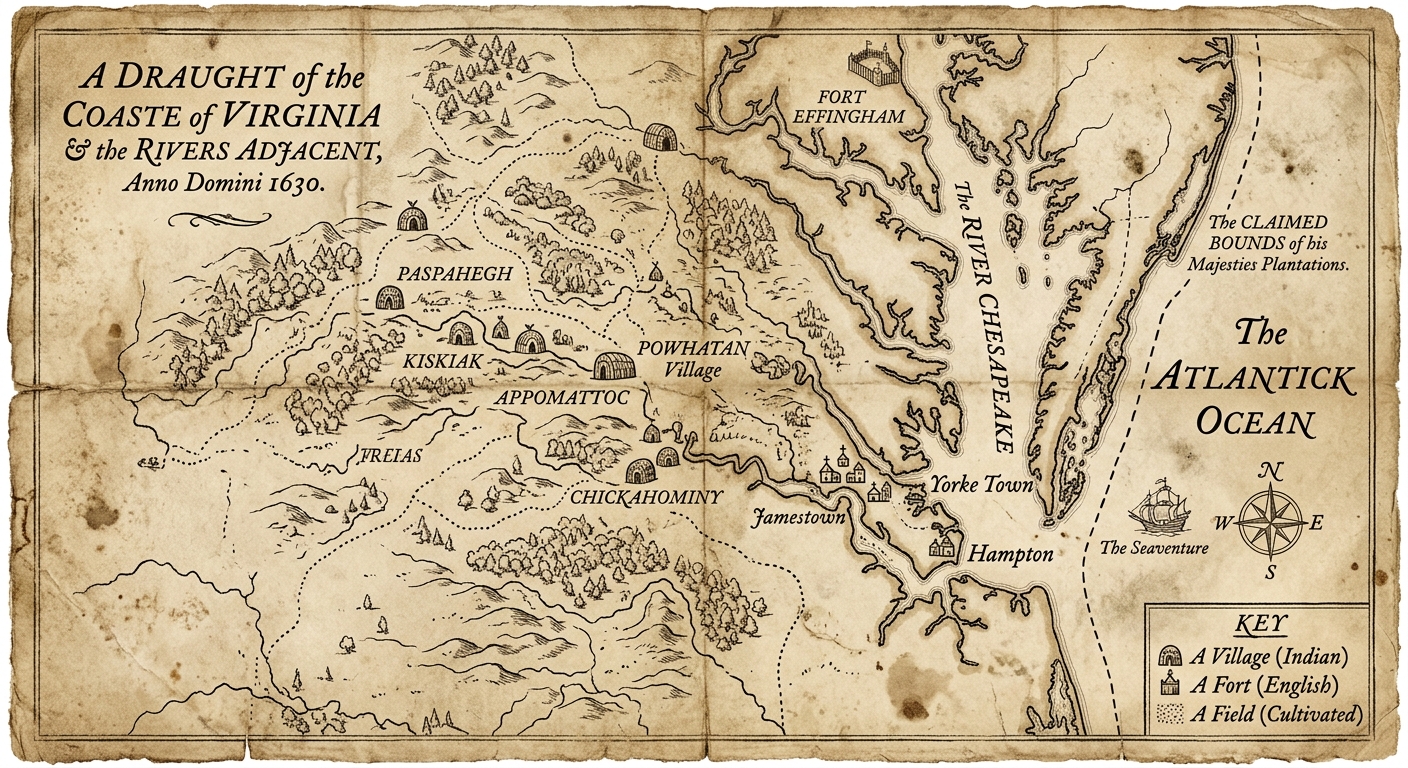
Historical Document:

Hand-drawn colonial-era map showing coastal settlements, inland Indigenous villages, a river, and a legend for villages, fields, and a fort.

This hand-drawn map (c. 1600s) shows coastal European settlements, a river route, and Indigenous villages inland. A faint boundary line and land-use symbols suggest competing ideas about who controlled the land. Mapmakers used these details to plan settlement, trade, and defense.

Asemmisa {{asɛmmisaAhyɛnsode}}
6.

Based on the map’s settlement locations, which geographic factor likely shaped where Europeans built early towns?

Asemmisa {{asɛmmisaAhyɛnsode}}
7.

Explain how disease and conflict could combine with European land claims to cause Native Americans to lose land.

Use at least ONE detail from the map or reading.

Asemmisa {{asɛmmisaAhyɛnsode}}
8.

Which interaction is MOST consistent with what this map suggests about European–Native American relationships in the region?

Asemmisa {{asɛmmisaAhyɛnsode}}
9.

Using evidence from the map (specific symbols or locations), explain TWO ways European settlement could increase conflict with Native American communities.

Asemmisa {{asɛmmisaAhyɛnsode}}
10.

Which map detail MOST strongly suggests that Europeans and Native Americans had different ideas about land ownership or control?

Historical Document:

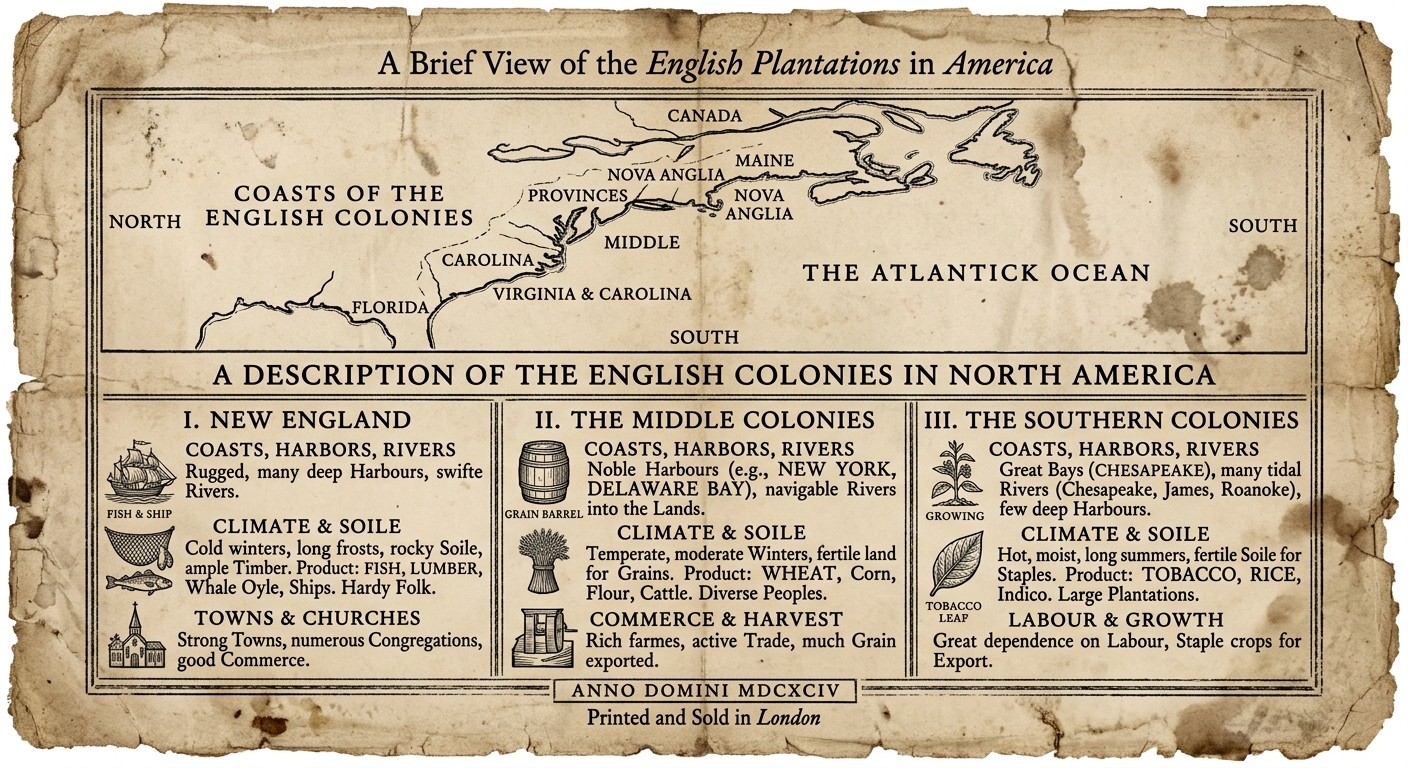
Aged-paper colonial document comparing northern, middle, and southern colonies with simple coastline sketch and icons for fishing, grain, and tobacco.

This colonial broadside (c. 1690s) compares three English regions in North America. A coastline sketch and notes about harbors, rivers, and climate suggest why each region developed different work and trade. Symbols for fish, grain, and tobacco show how geography shaped colonial economies.

Asemmisa {{asɛmmisaAhyɛnsode}}
11.

Based on the document, which geographic advantage most directly supports shipbuilding and fishing in the northern colonies?

Asemmisa {{asɛmmisaAhyɛnsode}}
12.

Using TWO details from the document (symbols, notes, or the coastline sketch), explain how access to water shaped trade in at least TWO colonial regions.

Asemmisa {{asɛmmisaAhyɛnsode}}
13.

Explain how differences in climate and physical features could lead colonists in different regions to choose different kinds of work.

Use at least ONE detail from the document.

Asemmisa {{asɛmmisaAhyɛnsode}}
14.

Which inference is BEST supported by the document about why the Middle Colonies could develop a trade in grains and other farm products?

Asemmisa {{asɛmmisaAhyɛnsode}}
15.

According to the document’s comparison, which factor most helps explain why plantation agriculture developed more in the Southern Colonies?

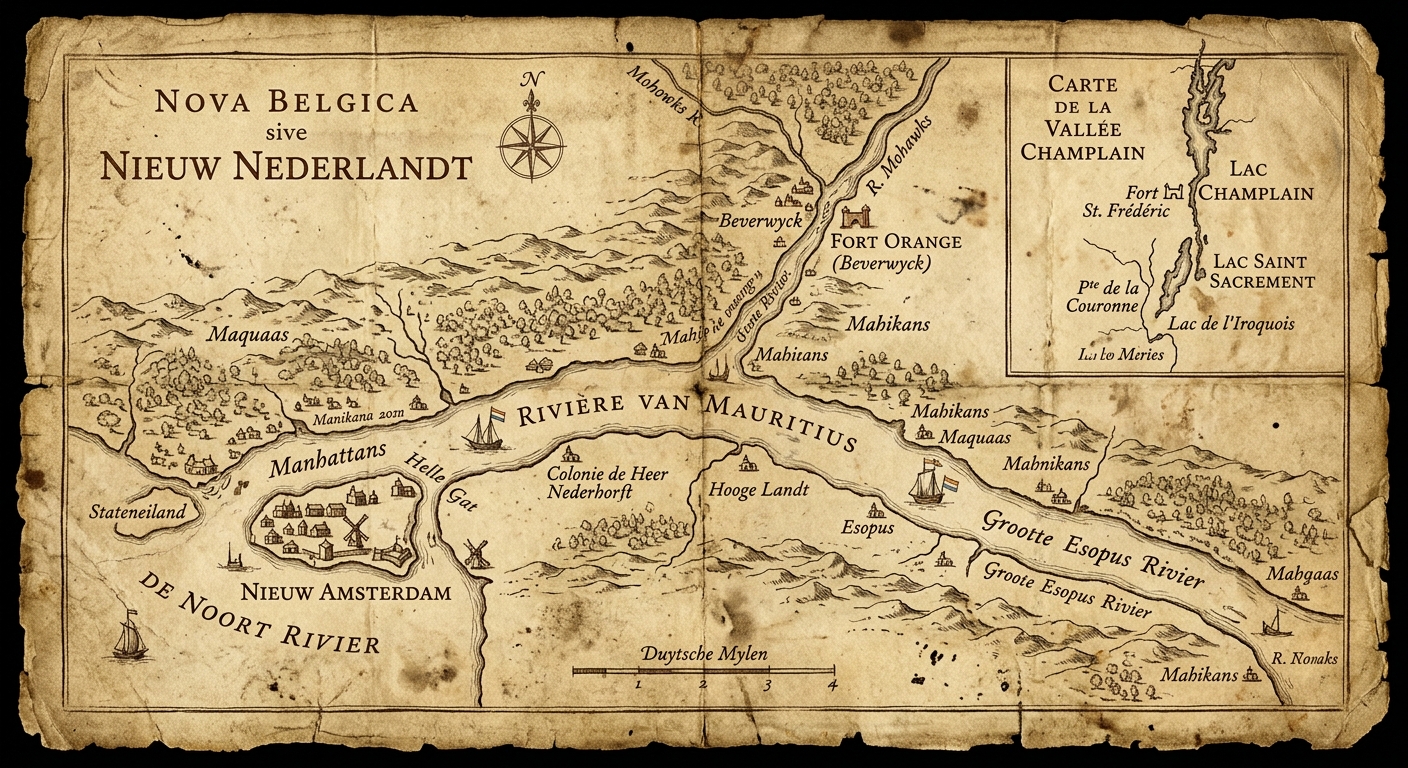
Historical Document:

Aged parchment colonial map showing Dutch settlements along the Hudson River and an inset of the Champlain Valley with a French fort.

This map (c. 1650s) highlights Dutch settlements along the Hudson River and includes an inset of the Champlain Valley with a French fort. River routes, forts, and trading posts show how access to waterways shaped settlement, defense, and exchange in northeastern North America.

Asemmisa {{asɛmmisaAhyɛnsode}}
16.

Based on the document, why would Dutch leaders most likely choose settlement sites along the Hudson River?

Asemmisa {{asɛmmisaAhyɛnsode}}
17.

The inset of the Champlain Valley most likely helps a map reader understand which geographic connection?

Asemmisa {{asɛmmisaAhyɛnsode}}
18.

Which map feature BEST supports the idea that waterways affected defense as well as trade?

Asemmisa {{asɛmmisaAhyɛnsode}}
19.

Explain ONE way the geography shown in this document could contribute to competition between Dutch and French settlements.

Use at least ONE map detail as evidence.

Asemmisa {{asɛmmisaAhyɛnsode}}
20.

Using TWO details from the map (locations, symbols, or the inset), explain how access to rivers and valleys could shape Dutch settlement patterns in New York.

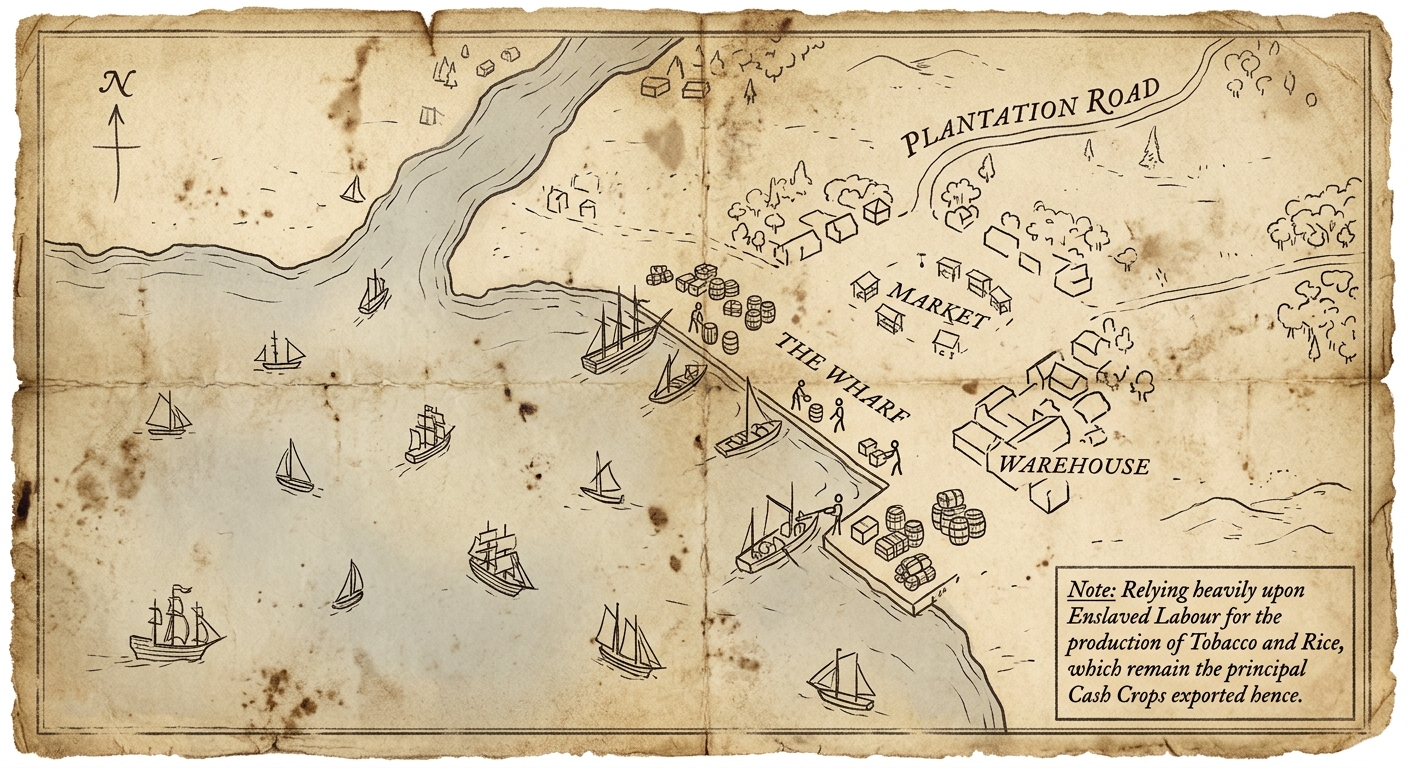
Historical Document:

Aged parchment map of a colonial harbor and river mouth with wharves, warehouses, ships, and an inland road to plantations.

This port map (c. early 1700s) shows a harbor, a river mouth, and roads connecting inland plantations to a coastal wharf. Notes about warehouses and cargo routes suggest how export economies depended on moving goods efficiently. The layout also hints at how enslaved labor supported plantation production and shipping.

Asemmisa {{asɛmmisaAhyɛnsode}}
21.

Which map detail BEST supports the idea that enslaved labor was connected to a broader trade network?

Asemmisa {{asɛmmisaAhyɛnsode}}
22.

Enslaved Africans used strategies to survive and resist.

Using the document as context, explain ONE survival strategy and ONE resistance strategy enslaved people might use in a plantation-and-port economy.

Asemmisa {{asɛmmisaAhyɛnsode}}
23.

Using TWO details from the document (locations, labels, or routes), explain how geography could support the growth of plantation slavery in some colonies.

Asemmisa {{asɛmmisaAhyɛnsode}}
24.

Based on the map and reading, which inference is MOST supported about why slavery grew in some colonies during the 1600s–1700s?

Asemmisa {{asɛmmisaAhyɛnsode}}
25.

Based on the document, which geographic feature most directly supports exporting plantation crops to overseas markets?