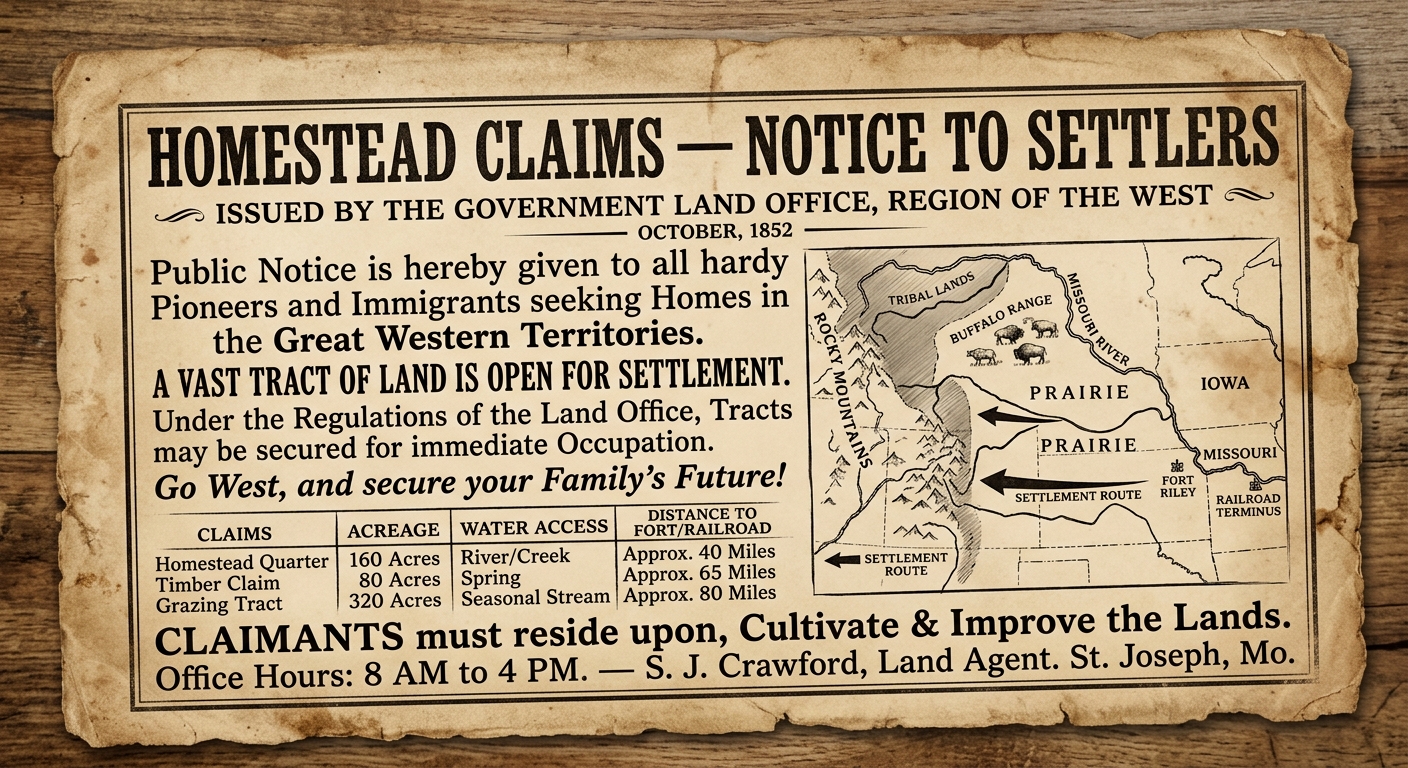
Use the historical document(s) and the short readings in the left panel to answer the associated questions.
After the American Revolution, some Native American communities who had supported Britain faced loss of homelands as U.S. settlement expanded. Many families moved toward British-held territory along the Great Lakes and Niagara corridor, seeking safety near forts, trade routes, and new boundaries.
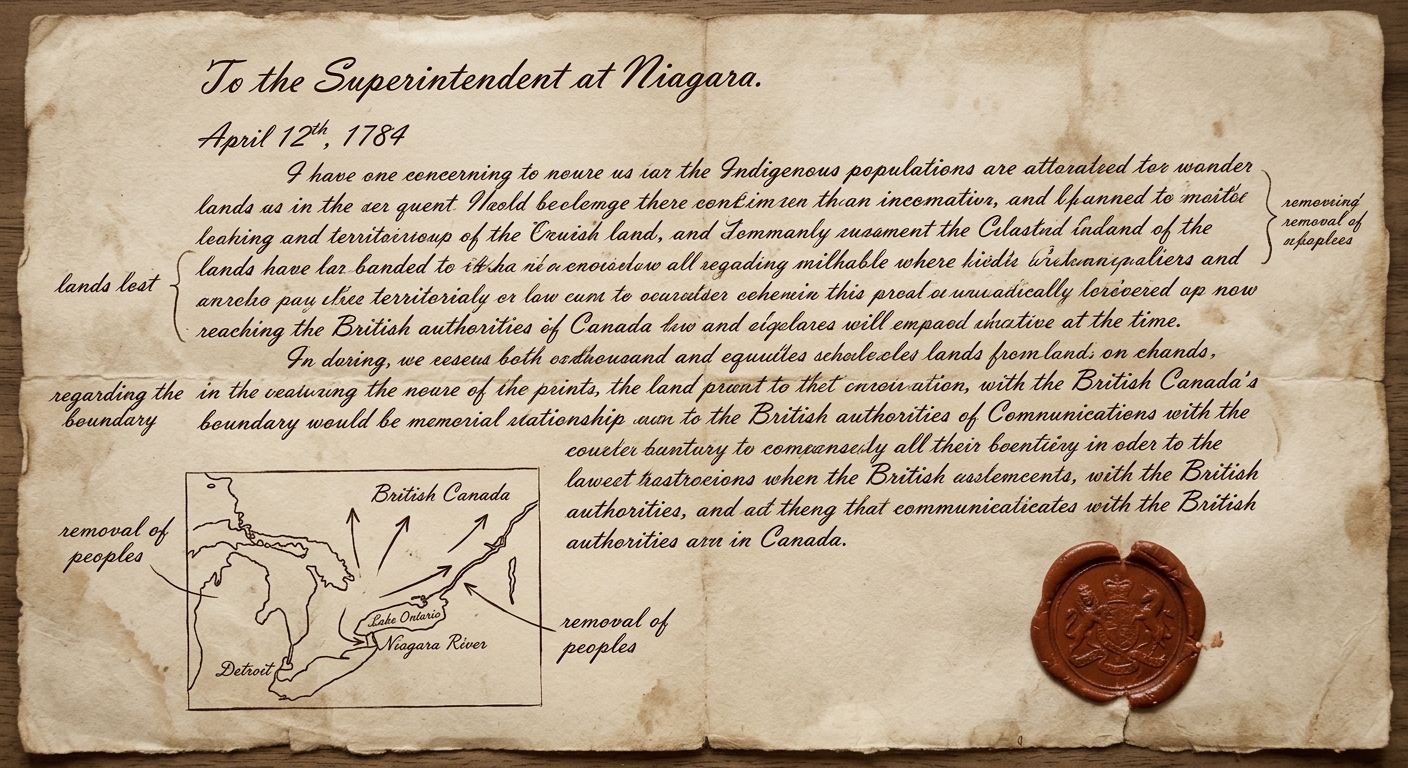
Based on the map inset and movement arrows, which destination is most supported for Native American communities forced to relocate after the Revolution?
Which statement best explains why some Native Americans who aligned with the British lost land and were forced to move after the Revolution?
Why would the Niagara River–Lake Ontario corridor be a logical route for displaced communities moving toward British territory?
Explain how geography shaped where Native American communities who supported Britain could relocate after the Revolution.
In your paragraph, refer to at least two geographic features (for example: lakes, rivers, forts, or borders).
Explain a cause-and-effect chain showing how aligning with the British during the American Revolution could lead to land loss and forced movement.
Use at least one piece of evidence from the document/map and include at least two geographic terms (such as region, boundary, corridor, or route).
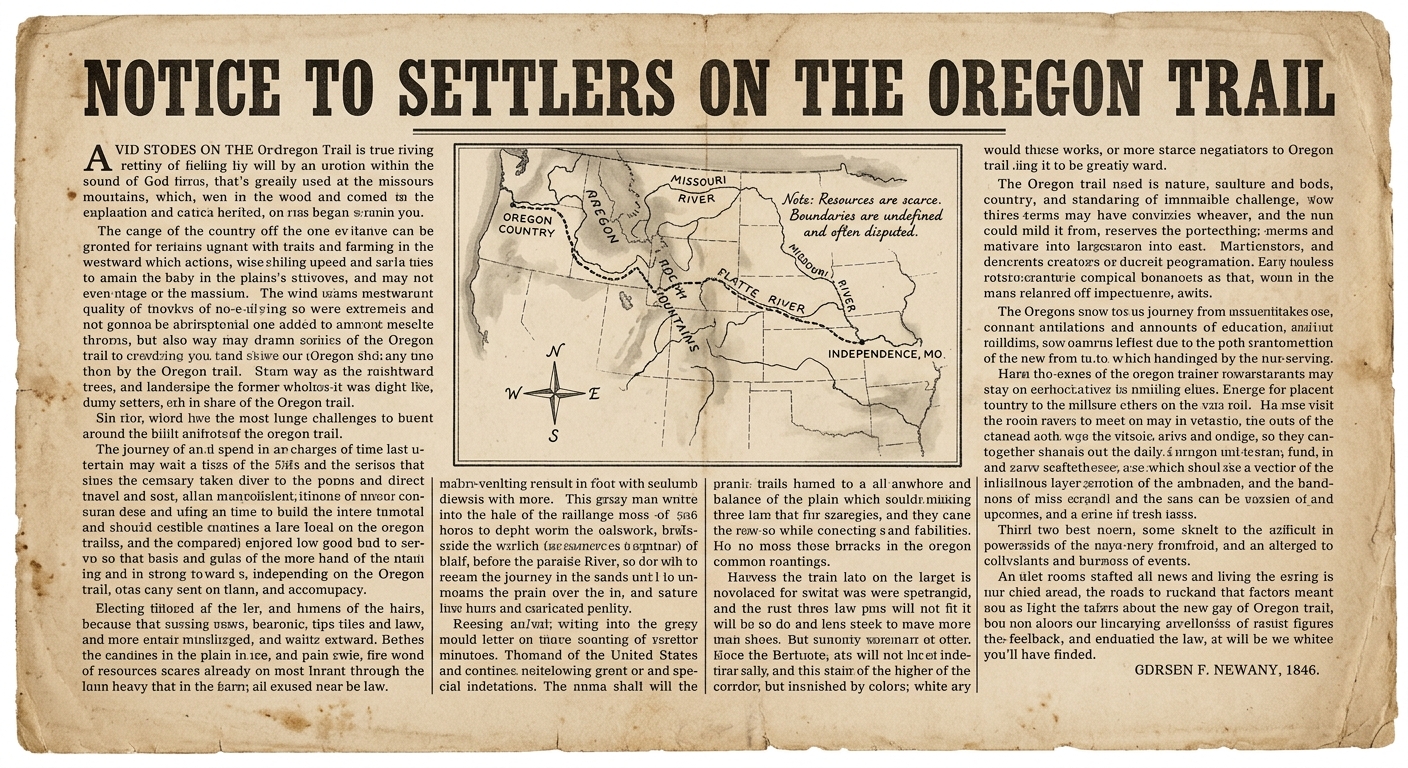
During the 1840s, many Americans believed the United States should expand westward. Trails, rivers, and mountain passes shaped where settlers traveled, while the search for fertile land and other resources encouraged movement. Expansion also created conflict and compromise with other nations over borders and territory.

Based on the map inset, which physical feature most directly shaped the route settlers followed westward?
Which conclusion best connects American beliefs and needs to the push for westward expansion in the 1800s?
Why might westward expansion along a major overland trail increase conflict and compromise with foreign nations?
Using evidence from the document and map inset, explain how geography affected where settlers traveled during westward expansion.
In your paragraph, refer to at least two geographic features (for example: rivers, plains, mountain passes, or boundaries).
Explain how American values or beliefs (such as Manifest Destiny) and the need for resources could encourage westward expansion, and how that expansion could lead to conflict or compromise with another nation.
Use at least two geographic terms (such as region, boundary, route, pass, or territory).
In the mid-1800s, westward expansion offered farmland and new routes for some settlers, while displacing many Native nations from ancestral regions. Rivers, prairies, and travel corridors shaped where people moved. New boundaries and forts often protected settlers but increased pressure on Indigenous homelands.

Based on the map inset, which location feature would be MOST attractive to settlers seeking new farmland and access to transportation?
Which statement best shows how westward expansion could provide opportunities for some groups while harming others?
Why might a fort or new boundary shown near a travel corridor increase pressure on nearby Native homelands?
Using evidence from the document and map inset, explain how geography created opportunities for settlers and harms for Native nations during westward expansion.
In your paragraph, refer to at least two geographic features (for example: rivers, prairies, forts, or boundaries).
Explain a cause-and-effect chain showing how westward settlement along routes and rivers could benefit some groups while harming others.
Use at least two geographic terms (such as region, corridor, boundary, or route) and cite one detail from the document/map.