Click on Greece
Click on Greece
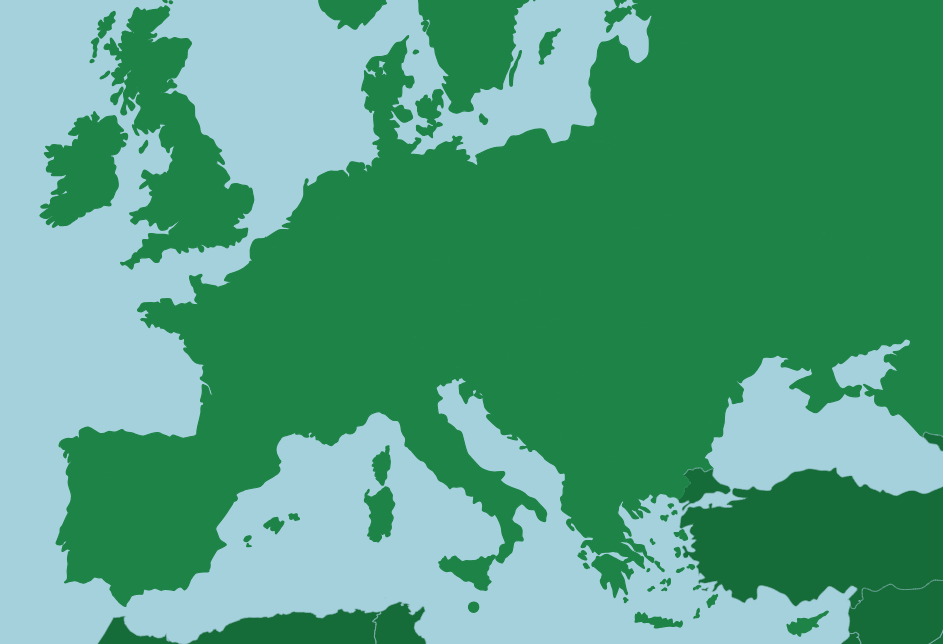
Click on Greece
The Greek mainland is on the southern part of Europe's
Drag each label to its location
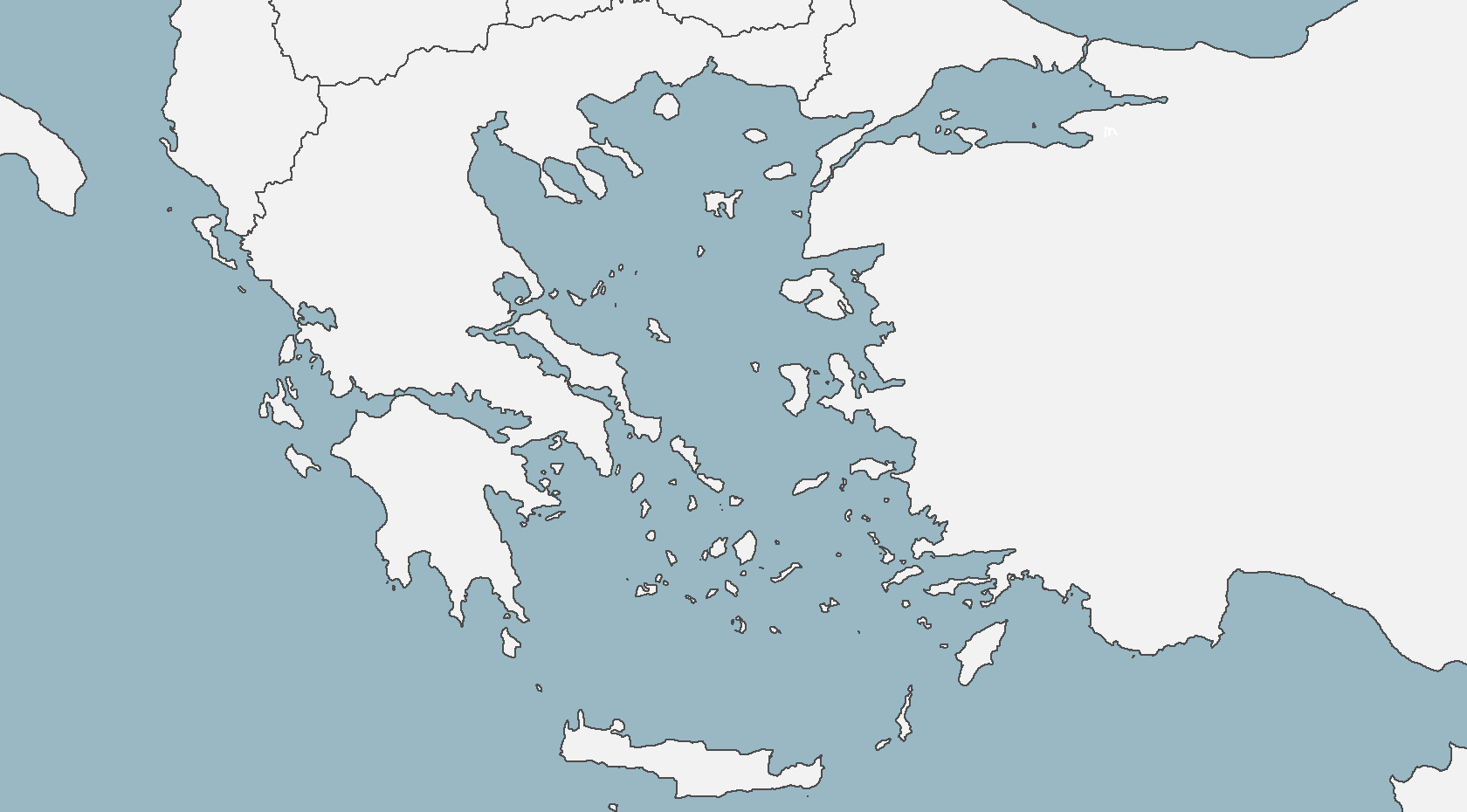
Mediterranean Sea
Sea of Marmara
Crete
Troy
Ionian Sea
Mycenae
Knossos
Aegean Sea
Many communities in ancient Greece became strongly independent because they
Place the correct images in the boxes
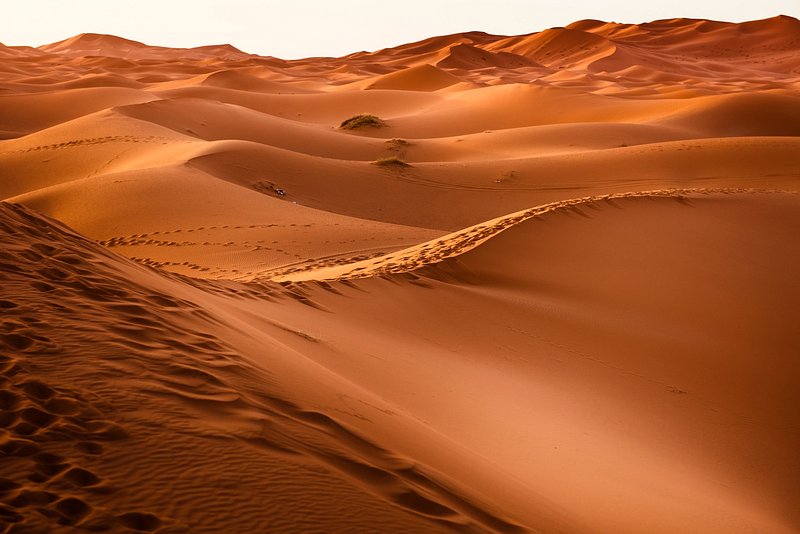
The earliest settlers of Greece mainly used boats for
Ancient Greeks used fertile soil to grow
The main animals raised by ancient Greeks were
Place each item in the appropriate category
Greek land is flat and empty
Greek land is mountainous
Ancient Greeks were nomads
Ancient Greeks built cities
Ancient Greeks were very independent
Greece is made of vast plains and endless forests
Ancient Greeks depended on outsiders
Greece is made of archipelagos and peninsulas
True
False
The palace at Knossos was home to
British archaeologist Arthur Evans is famous for
Minoan civilization developed on the
Archaeologist Heinrich Schliemann is considered the modern discoverer of
Match the group from Mycenaean civilization on the left with its description on the right.
| Draggable item | arrow_right_alt | Corresponding Item |
|---|---|---|
Kings | arrow_right_alt | Made goods such as pottery and jewelry |
Workers | arrow_right_alt | Lived in palaces on hills |
Artisans | arrow_right_alt | Made metal weapons and tools |
The Mycenaeans began to adopt features of Minoan culture, largely through contacts made by
Which did Myceneans not learn from the Minoans?
By the mid-1400s B.C., the Mycenaeans had conquered the
What advantage did the Dorians have that allowed them to conquer the early Greek people?
As a result of the Dorians taking control of Greece during the Greek Dark Age,
By 750 B.C. many descendants of the people who had fled from the Dorians returned to the Greek mainland, calling themselves
The Greek alphabet was adopted from
Which of these would be pronounced the same as "cellphone"?
Use the Greek letters option to create the sound for "Greek"
Between 750 B.C. and 550 B.C., the Greeks founded many colonies along the coasts of the
What was the main reason that Hellenic Greeks began creating colonies?
Choose two: The Hellenic Greeks founded most of their colonies
When the Greeks began to make coins from metal,
Place each item in its correct category
Enslaved humans :(
Timber/Wood
Grain
Olive Oil
Metal
Wine
Fish
Pottery
Greece sent this TO colonies
Greece received this FROM colonies
In ancient Greece, each city-state, or ______, was like an independent country.
Place each label it its correct location
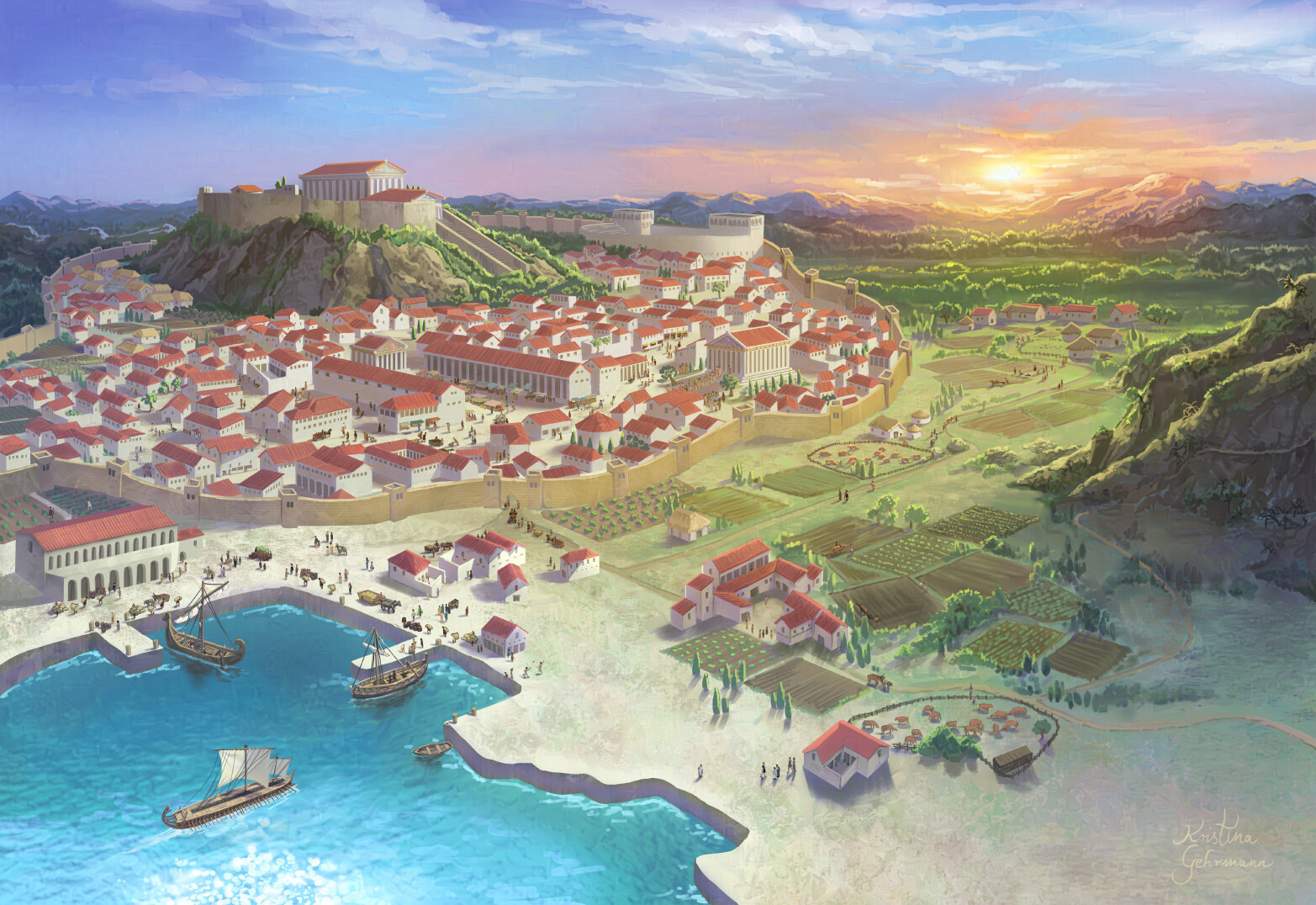
Farms
Neighborhood
Acropolis
Small village
Temple
Agora
Fort
Harbor
Match each location to its description
| Draggable item | arrow_right_alt | Corresponding Item |
|---|---|---|
Agora | arrow_right_alt | The top of the largest hill |
Villages | arrow_right_alt | Placed on the acropolis as a shrine to the gods |
Harbor | arrow_right_alt | Placed on the acropolis to defend the city |
Acropolis | arrow_right_alt | Where most citizens lived |
Polis | arrow_right_alt | Found outside the city walls, home to lower-class people and non-citizens |
Neighborhoods | arrow_right_alt | Area for boats to dock |
Temple | arrow_right_alt | Found outside the city walls due to their large size |
Farmlands | arrow_right_alt | A market and common gathering space |
Fort | arrow_right_alt | A Greek city-state |
Outside the acropolis was an open area called a(n),
In most Greek city-states, citizens consisted of
By 700 B.C., Greek citizens called
Which is true of Greek citizens' strong loyalty to their own city-states?